Whether a Vizsla Owner Needs a Second Vehicle
Oh, the age-old question for Vizsla owners: do I actually need another car just for this magnificent, energetic, sometimes muddy, and always beloved creature? It's a valid concern many of us face as we try to integrate our Vizslas into every aspect of our lives, from daily park trips to adventurous field excursions. This guide is going to dig deep into the realities of Vizsla ownership and transportation, helping you figure out if your current vehicle fleet is up to the task or if it might be time to start browsing for that dedicated "dog mobile."
The Unique Transportation Demands of a Vizsla Lifestyle
Owning a Vizsla isn't just about having a dog; it's about embracing a lifestyle. These copper-coated athletes thrive on activity, companionship, and exploring the world with you. This intense need for engagement directly impacts your transportation needs, often in ways you might not have anticipated before bringing your Vizsla home.
Daily Exercise and Errands: The Mud, Hair, and Gear
Let's be real: a Vizsla isn't content with a quick trot around the block. They need real, vigorous exercise, ideally for The Two Hours a Vizsla Needs Before It Will Settle each day. This often means trips to dog parks, nature trails, open fields, or even local swimming spots. And what comes with all that glorious outdoor activity? Mud. Lots of mud. Dirt. Sand. Leaves. And, of course, that fine, short Vizsla hair that somehow weaves itself into every fabric known to humankind.
Imagine this: You've just finished a fantastic two-hour hike with your Vizsla. They're happy, tired, and absolutely covered in swamp muck. Your current vehicle is your daily commuter, perhaps a sleek sedan or an SUV with plush carpeting and delicate upholstery. The thought of letting your mud-caked companion jump in fills you with dread, not just for the immediate mess, but for the lingering dog smell and the persistent embedded hair. You try to towel them off, but it's never quite enough. Then there's the gear: leash, harness, water bottle, collapsible bowl, maybe a training dummy, and a blanket that's now also covered in mud. Suddenly, your pristine car feels less like a functional tool and more like a potential biohazard zone, and you're contemplating just walking the five miles home with your dog to save your car.
Hunting and Field Trials: Specialized Needs
For many, a Vizsla is more than a pet; it's a working dog, a partner in the field. This elevates the transportation challenge significantly. Hunting trips or field trials aren't just about getting from point A to B; they involve specialized equipment, often multiple dogs, and travel to remote, unpaved locations.
Consider a typical hunting weekend. You're heading out to a wildlife management area or a private preserve, which usually means driving on gravel roads, through fields, and possibly enduring inclement weather. Your Vizsla needs a secure, well-ventilated, and safe space for travel, ideally a durable crate that can withstand bumps and provide protection. You're also bringing guns, ammunition, coolers, potentially decoys, multiple changes of clothes, and certainly more water than you thought possible. If you're lucky enough to have two Vizslas, or perhaps you're caravanning with a friend, that space requirement doubles. Suddenly, a standard trunk or even a small SUV cargo area feels woefully inadequate. The vehicle itself needs to be robust, capable of handling rough terrain, and easily cleanable. You can't be worried about scratching the paint or tearing the interior when you're focused on your dog's performance or safety in the field. What a Season of Hunting a Vizsla Actually Costs becomes clear when you factor in vehicle wear and tear.
Vet Visits and Emergencies: Accessibility Matters
While we hope our Vizslas remain healthy, the reality is that vet visits are a part of life. From routine check-ups and vaccinations to unexpected injuries or illnesses, being able to transport your dog comfortably and quickly is crucial. Vizslas, being active dogs, are susceptible to various issues, including field injuries due to their The Thin Skin a Vizsla Takes Into the Field.
Imagine your Vizsla suddenly develops a limp after a hard run, or worse, has a severe allergic reaction to something in the yard. You need to get to the emergency vet, and fast. If your only vehicle is a small car that requires significant maneuvering to get your possibly panicked or painful dog into, or if it's currently occupied by another family member, you're in a bind. Having a vehicle with ample cargo space and easy access, like a hatchback or SUV, can make a world of difference in a stressful situation. Trying to lift a sixty-pound Vizsla gently into a cramped back seat when they're in pain is a recipe for disaster for both of you. Plus, if it's a long-term illness, you might need to carry special equipment, medication, or even a specific bed. Having pet insurance from a provider like Healthy Paws can certainly help with the cost of these emergencies, but getting your dog there is the first step.
When One Vehicle Isn't Enough: Scenarios for Vizsla Owners
While many single-dog households manage just fine with one car, Vizsla owners often find themselves in situations where a second, more dog-centric vehicle isn't just a luxury, but a practical necessity. It’s not always about having more cars, but having the right kind of vehicle for specific tasks.
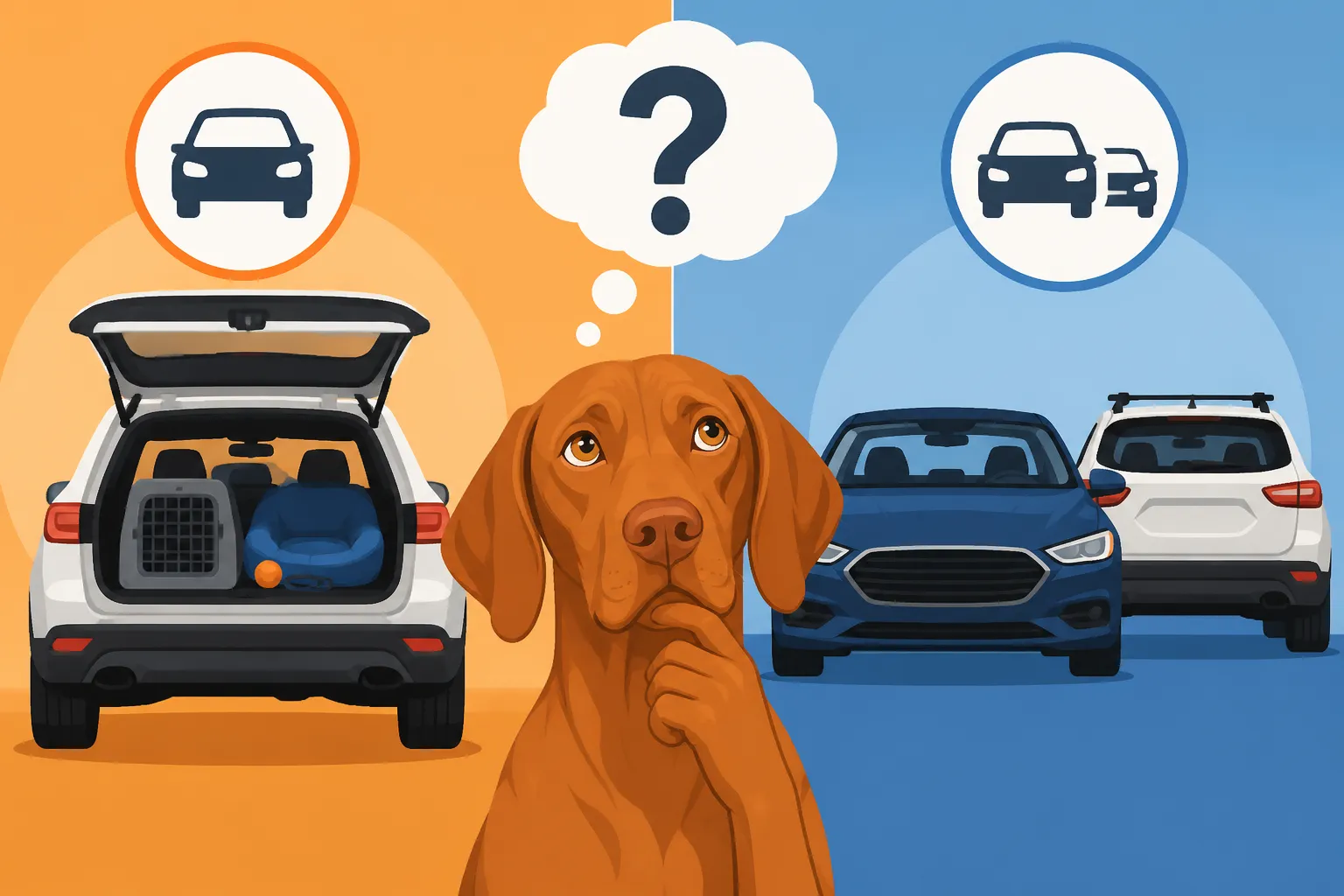
The Commuter Car vs. The Dog Hauler Dilemma
For many families, the primary vehicle is the daily commuter—used for work, school runs, groceries, and social events. It might be a company car, a leased luxury sedan, or simply a vehicle that needs to stay clean and presentable. Introducing a Vizsla, with all their inherent messiness, into this equation can create a significant conflict.
If your commuter car is your only car, you're constantly weighing the convenience of taking your Vizsla versus the effort required to clean up afterward. Do you skip the muddy trail because you have an important client meeting in two hours? Do you forgo that spontaneous beach trip because you don't want sand permanently embedded in your floor mats? This isn't just about cleanliness; it's about the longevity and resale value of your vehicle. Continual exposure to dog hair, dirt, and moisture can prematurely wear out interiors, create stubborn odors, and generally accelerate depreciation. A dedicated dog hauler, even an older, more utilitarian vehicle, frees your primary car from these battles, allowing it to remain your clean, professional ride while your Vizsla enjoys full access to their adventure-mobile.
Simultaneous Needs: Humans and Hounds
Life doesn't stop just because you have a Vizsla. There will be times when different family members need to be in different places at the same time, often with conflicting vehicle requirements. This is where the single-vehicle constraint truly highlights its limitations.
Consider a scenario where one parent needs to take the kids to a soccer game across town, while the other parent wants to take the Vizsla for a much-needed long run in the countryside. Or perhaps you need to pick up a fragile antique, but your Vizsla absolutely cannot miss their morning sniffari. If you only have one car, someone's plans get derailed. The Vizsla's exercise, which is non-negotiable for their well-being and your sanity, might be cut short, leading to an under-exercised, potentially destructive dog back home. In these moments, a second vehicle offers invaluable flexibility, ensuring that both human and canine family members can pursue their activities without compromise.
Long-Distance Travel and Multiple Dogs
Road trips and vacations are wonderful ways to bond with your Vizsla, but they demand significant space and planning. If you have more than one Vizsla, or if you frequently travel long distances, the argument for a second, more suitable vehicle becomes even stronger.
Imagine packing for a week-long trip with two Vizslas. You need food (perhaps fresh options from Ollie, which require cooler space), crates, beds, toys, medical supplies, and all your own luggage. A tightly packed car can quickly become uncomfortable and unsafe for everyone involved. Overheating can be a concern for your Vizslas if ventilation is poor or if they are crammed into too small a space. The Cold a Vizsla Genuinely Cannot Handle might also mean needing specific warming blankets or a heated bed if you're traveling in winter, which takes up more space. A second vehicle, especially a spacious SUV or a truck with a secure, climate-controlled cap or dog box, provides the room necessary for everyone to travel safely and comfortably. It allows for proper crate sizing, better air circulation, and separates sensitive human cargo from the inevitable dog hair and drool.
Making a Single Vehicle Work for Your Vizsla
If a second vehicle isn't in the cards right now, don't despair! Many Vizsla owners successfully manage with one car. It simply requires more planning, specific gear, and a commitment to maintenance. It's all about adapting your current ride to meet the demands of your active Vizsla.
Adapting Your Current Ride
The key to making one car work is protecting your vehicle's interior and ensuring your Vizsla's comfort and safety. This often means investing in robust, easy-to-clean liners and covers.
- Cargo Area Liner: For SUVs and hatchbacks, a heavy-duty, waterproof cargo liner is non-negotiable. Look for ones that cover the entire cargo area, including the back of the rear seats when folded down, and ideally have side flaps to protect the interior walls. These are typically made from durable, wipeable materials like thick canvas or rubber.
- Seat Covers: If your Vizsla rides in the back seat, invest in durable, waterproof bench seat covers. Hammock-style covers are excellent as they protect the seat, the floor, and the back of the front seats, preventing your dog from falling into the footwell during sudden stops. Many can be easily removed and machine washed, which is a lifesaver when dealing with a shedding, active dog.
- Crates or Carriers: For safety, especially during long drives or if your Vizsla is prone to car sickness, a well-secured crate is paramount. A crash-tested crate is ideal to ensure maximum protection in an accident. Whether a Vizsla Needs a Crash Tested Crate is a serious consideration. Ensure the crate is large enough for your Vizsla to stand, turn around, and lie down comfortably. Even if you only have one dog, using Chewy for delivery of a large, sturdy travel crate can save you a trip to the store and ensure you get the right size.
Essential Gear for Single-Vehicle Vizsla Transport
Beyond protecting your car, certain pieces of gear are crucial for making single-vehicle transport practical and enjoyable for both you and your Vizsla.
- Towels and Wipes: Always, always have a stash of old towels and pet-friendly wipes in your car. These are your first line of defense against mud, slobber, and unexpected accidents.
- Water and Bowl: Staying hydrated is critical, especially for active Vizslas. A large water jug and a collapsible bowl should be standard equipment.
- Cleaning Supplies: Keep a small brush or portable vacuum for quick hair removal, and an odor neutralizer for those "eau de wet dog" moments.
- First Aid Kit: A comprehensive pet first aid kit is essential, particularly if you're taking your Vizsla off-road or to remote areas. Field injuries happen, and being prepared can make a big difference. What a First Aid Kit for a Hunting Vizsla Holds can provide a good checklist.
- Ventilation: Even in mild weather, ensure proper ventilation, especially if your Vizsla is crated. Never leave your Vizsla unattended in a vehicle, even for a short time, as temperatures can rise rapidly.
Maintenance and Cleaning Strategies
Even with the best covers, a Vizsla will leave their mark. Regular and thorough cleaning is key to keeping your single vehicle fresh and functional.
- Frequent Vacuuming: Vizsla hair, though short, is adept at weaving into carpet and upholstery. Regular, even daily, vacuuming will prevent buildup. A rubber-bristled brush or a damp rubber glove can help dislodge stubborn hairs before vacuuming.
- Wipe Down Surfaces: Consistently wipe down hard surfaces, windows, and door panels. Dog slobber and nose prints accumulate quickly.
- Odor Control: Don't just mask odors; eliminate them. Enzyme-based cleaners are excellent for breaking down organic matter that causes smells. Airing out your car frequently also helps.
- Deep Cleans: Schedule periodic deep cleans, perhaps monthly or quarterly, depending on how often your Vizsla uses the car. This might involve shampooing carpets or professional detailing if the interior has taken a beating.
By being proactive with protection, equipping yourself with the right gear, and committing to a consistent cleaning routine, your single vehicle can absolutely serve as a perfectly functional Vizsla-mobile.
Considering a Second Vehicle: What to Look For
If you've crunched the numbers, considered the scenarios, and realized that a second vehicle truly would make your Vizsla-owning life easier, what should you be looking for? It’s not just about having any second car; it’s about finding the right vehicle that caters specifically to the needs of a Vizsla and their active family.
Prioritizing Functionality and Durability
When it comes to a Vizsla-centric second vehicle, aesthetics often take a backseat to practicality. You want a workhorse, not a show pony.
- Cargo Space and Configuration: This is paramount. Look for an SUV, crossover, or even a station wagon with a large, flat cargo area. The ability to fold seats completely flat or remove them entirely is a huge bonus, allowing for ample space for crates, gear, and potentially multiple dogs. A truck with a secure, well-ventilated bed cap is also an excellent option for serious hunters.
- Easy-to-Clean Interior: Ditch the plush carpets and delicate fabrics. Opt for vehicles with rubber floor mats, vinyl, or other durable, wipeable surfaces. Some models offer specialized "pet packages" with enhanced protection. Look for minimal crevices where hair can get trapped.
- Accessibility: A low loading height is a blessing, especially as your Vizsla ages. Large rear hatch openings make it easier to load crates or assist an injured dog. Power liftgates can be a convenience feature.
- Climate Control: Ensuring your Vizsla stays comfortable in all weather conditions is vital. Good air conditioning and heating, especially with vents directed to the cargo area, are important. If considering a truck cap, ensure it has proper ventilation and insulation for temperature regulation. Remember, Whether an Old Vizsla Feels the Cold More is a concern, so consistent warmth is important.
- Towing Capacity (Optional): If you plan on long trips with a travel trailer or simply need to haul more gear, a vehicle with decent towing capacity could be a smart investment.
Cost Implications of a Second Vehicle
Adding a second vehicle involves more than just the purchase price. It’s important to budget for ongoing expenses.
- Purchase Price: This can range from a budget-friendly used model to a brand-new, fully equipped SUV. Decide on your priorities: a rugged, older model might be perfect for muddy adventures, while a newer vehicle offers more modern safety features and reliability.
- Insurance: You'll need to insure the second vehicle, which will add to your monthly or annual costs. Factor this into your budget.
- Fuel and Maintenance: Two vehicles mean double the fuel consumption (though perhaps distributed) and double the potential for maintenance and repairs.
- Registration and Taxes: Don't forget the recurring costs of vehicle registration, inspections, and any applicable property taxes.
- Accessories: You might still need to invest in some of the protective gear mentioned earlier, even for a dedicated dog vehicle, to keep it as clean and functional as possible.
Remember that the overall What a Vizsla Costs a Year to Keep extends beyond just food and vet bills to include these transportation expenses.
Safety Features for Canine Passengers
Your Vizsla's safety is paramount. Look for features that enhance their security and comfort during travel.
- Tie-Down Points: Secure anchor points in the cargo area are essential for safely securing crates or safety harnesses.
- Window Locks/Child Locks: Prevent curious paws from accidentally opening windows or doors.
- Visibility: Good visibility for the driver is important, especially if you have a large crate blocking the rear view. Consider aftermarket wide-angle mirrors or backup cameras.
- Airbags: While a good thing for human passengers, ensure that airbags in the cargo area (if present) can be deactivated if your dog is riding there.
- Temperature Monitoring: For long trips or hot days, a remote temperature monitor for the cargo area can provide peace of mind, especially if your dog is in a crate in the back.
Ultimately, the decision to get a second vehicle is a personal one, driven by your specific lifestyle, budget, and the needs of your beloved Vizsla. For some, it's an absolute game-changer, simplifying daily logistics and allowing for more adventures. For others, careful planning and the right accessories make a single vehicle perfectly manageable. Weigh your options, consider your daily routine, and remember that whatever you choose, it's about providing the best life for your amazing Vizsla.
Disclaimer
This article is for general informational purposes only and does not constitute professional advice. Laws, prices and regulations vary by location and change over time. Consult a qualified professional for guidance on your specific situation.