What an Eye Exam Costs on a Vizsla
One of the most common worries for any Vizsla owner, beyond their endless energy, is keeping them healthy and happy without breaking the bank. When it comes to their sparkling, intelligent eyes, knowing what to expect financially for an eye exam can feel like navigating a maze. This guide is here to demystify the costs associated with getting your Vizsla's eyes checked, from routine veterinary visits to specialist consultations, so you can plan ahead and ensure your beloved companion receives the best possible care.
Why Regular Eye Exams Are Non-Negotiable for Your Vizsla
Our Vizslas are more than just pets; they're family, and their health is paramount. Their eyes are not only beautiful but also vital for their active, inquisitive nature, whether they're tracking a scent in the field or simply gazing up at you for a cuddle. Ignoring potential eye issues can lead to discomfort, pain, and even permanent vision loss, which is a heartbreaking thought for any owner. Regular eye exams are a cornerstone of preventative care, giving us peace of mind and helping our Vizslas live their best lives.
The Vizsla's Unique Eye Health Considerations
Vizslas, like all breeds, have certain predispositions that make routine eye care particularly important. While generally robust, they aren't immune to genetic or acquired eye conditions. For example, some Vizslas may be prone to conditions such as Whether a Vizsla Gets Progressive Retinal Atrophy, a degenerative disease that can lead to blindness. Others might develop Whether a Vizsla Gets Entropion, where the eyelid rolls inward, causing eyelashes to rub against the cornea and leading to irritation or ulcers. Whether a Vizsla Gets Cataracts can also affect them, sometimes at a younger age than expected, clouding their vision.
Beyond inherited conditions, our active, go-anywhere Vizslas are naturally more susceptible to eye injuries. Think about all those dives through tall grasses, bounding through dense brush, or even just a rogue branch on a hiking trail. A tiny scratch on the cornea, if left untreated, can quickly escalate into a serious infection or ulcer, leading to significant pain and potentially expensive treatment. Early detection through regular exams is key to managing these unique challenges, helping to safeguard their precious sight from various Eye Disease in a Vizsla.
Peace of Mind Through Proactive Care
Knowing what lurks unseen is half the battle, and that's precisely what proactive eye care offers. Instead of waiting for obvious signs of pain or vision loss, which often indicate an advanced problem, routine examinations allow your veterinarian to spot subtle changes. These might include early signs of glaucoma, minor corneal abrasions, or even the beginnings of an infection that you wouldn't notice until it became much more severe. Catching these issues early means simpler, less invasive, and often less costly treatments. It also means your Vizsla experiences less discomfort and a quicker recovery.
Consider the alternative: a sudden, painful eye emergency could mean an out-of-hours vet visit, often at a premium cost, and potentially more aggressive interventions. By ensuring your Vizsla gets Whether a Vizsla Needs a Yearly Eye Exam as part of their overall wellness routine, you're not just investing in their vision; you're investing in a strategy that can save you significant stress and financial strain in the long run. This regular check-up forms an essential part of What a Vizsla Needs Every Day for a happy, healthy life.
Breaking Down a Typical Vizsla Eye Exam: What to Expect
When you take your Vizsla in for an eye exam, what actually happens? It can range from a quick visual check during a routine annual visit to a comprehensive diagnostic workup with specialized equipment. Understanding these different levels of examination will help you anticipate what might be involved and, consequently, what the potential costs could be.
The Standard Veterinary Check-up for Eyes
Often, your Vizsla's eye health will first be assessed during their annual physical exam. This is a fantastic opportunity for your general veterinarian to get a baseline understanding of your dog's eyes. During this standard check-up, the vet will typically perform a thorough visual inspection. They'll look for any obvious signs of redness, swelling, discharge, or cloudiness in the cornea. They'll also observe how your Vizsla reacts to light, checking pupil response and making sure both eyes are tracking normally. Your vet might use a simple ophthalmoscope to get a basic view of the internal structures, looking for anything immediately concerning.
Beyond just looking, they might conduct a fluorescein stain test if they suspect a corneal scratch or ulcer. This involves placing a harmless orange dye on the eye; if there's a break in the corneal surface, the dye will stick to it and glow under a special blue light, making even tiny abrasions visible. These basic tests are usually included in the overall cost of What a Vizsla's Yearly Checkup Costs or might be a small add-on if a specific issue is being investigated. It’s important to note that while thorough, a general vet's examination provides an initial assessment and isn't designed to catch every subtle or complex eye condition.
When a Specialist Referral is Needed
Sometimes, during a routine check-up, your general veterinarian might notice something that warrants a deeper look, or perhaps your Vizsla develops a complex eye condition that requires specialized expertise. This is when a referral to a veterinary ophthalmologist comes into play. An ophthalmologist is a vet who has undergone extensive additional training specifically in eye health and surgery. They have access to advanced diagnostic equipment that isn't typically found in a general practice, allowing for a much more detailed and precise diagnosis.
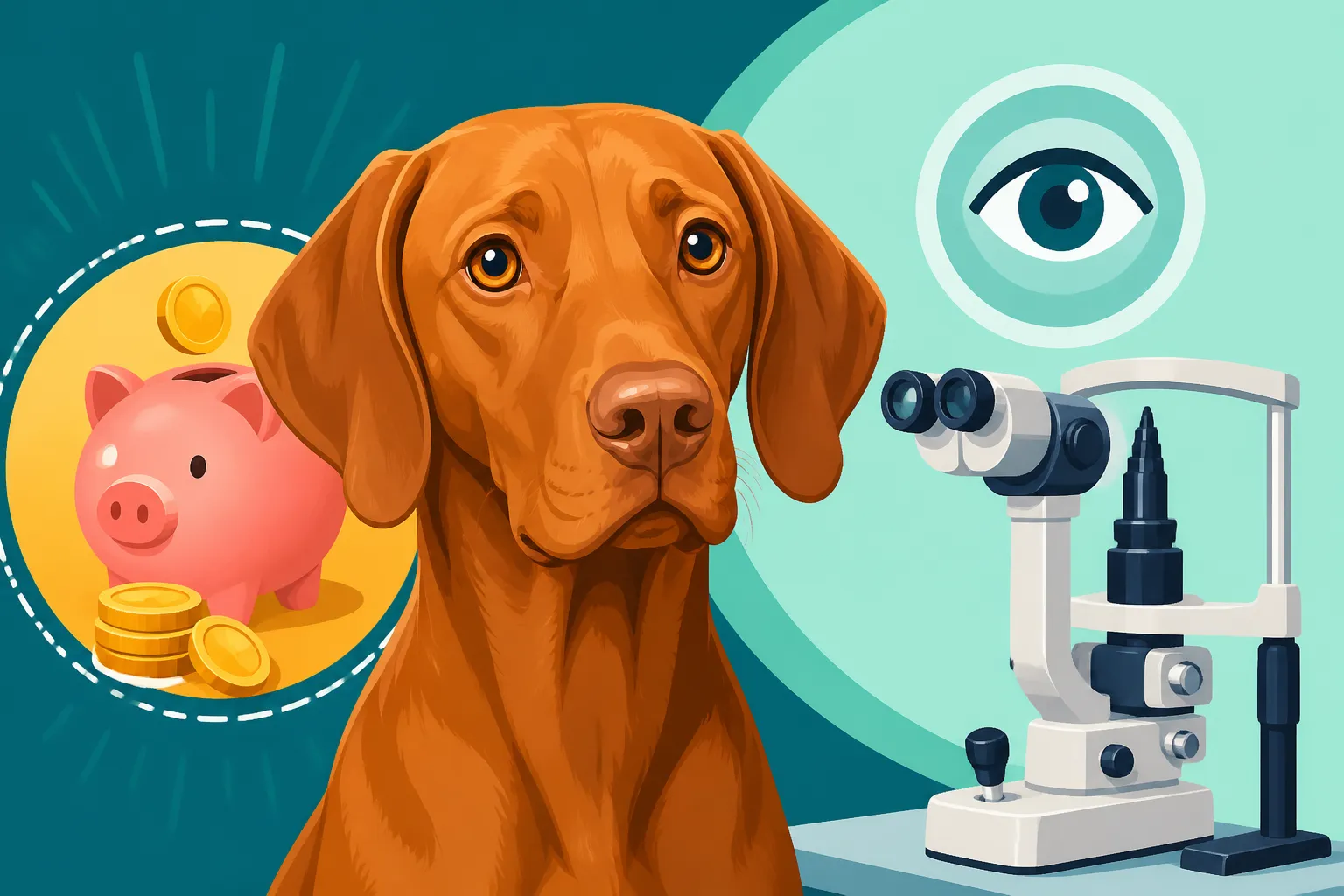
What can you expect from a specialist exam? It's far more in-depth. They'll often use a slit lamp biomicroscope, which provides a magnified, three-dimensional view of the front of the eye, revealing even microscopic changes. They'll perform tonometry to measure the intraocular pressure, crucial for diagnosing conditions like glaucoma. An advanced ophthalmoscope will be used to thoroughly examine the retina and optic nerve at the back of the eye. They may also perform tear production tests (Schirmer tear test) if Whether a Vizsla Gets Dry Eye is suspected. These specialized tests allow for accurate diagnosis of conditions like intricate retinal diseases, complex cataracts, or difficult-to-manage corneal issues. The referral ensures your Vizsla receives the most comprehensive care for their specific needs, though it does come with its own set of costs, which we'll discuss next.
The Factors That Influence the Cost of a Vizsla Eye Exam
The cost of an eye exam for your Vizsla isn't a one-size-fits-all figure. Several variables can significantly impact the final bill, from where you live to the complexity of the examination itself. Understanding these factors can help you better prepare financially and make informed decisions about your Vizsla's care.
Location, Clinic Type, and Veterinarian Expertise
Just like human healthcare, veterinary costs can vary significantly based on geographic location. A clinic in a densely populated urban center, for example, often has higher overheads and therefore higher fees than one in a rural area. Similarly, the type of clinic plays a role. A general veterinary practice will typically charge less for a basic eye check than a specialized veterinary ophthalmology clinic. Specialist clinics have higher operating costs due to their advanced equipment and highly trained staff, and their consultation fees will reflect that expertise.
The individual veterinarian's experience and qualifications can also influence pricing. A board-certified veterinary ophthalmologist, with years of specialized training, will naturally command higher fees than a general practitioner performing a routine eye assessment. While this might seem like an added expense, the precise diagnosis and treatment plan offered by a specialist can often save money in the long run by preventing misdiagnosis or ineffective treatments. It’s always a good idea to call different clinics in your area and inquire about their standard exam fees for a clearer picture.
Diagnostic Tests and Procedures
Beyond the basic visual examination, the necessity of specific diagnostic tests will be a major determinant of the overall cost. If your vet suspects something beyond a simple irritation, they might recommend a battery of tests, each adding to the total. We've already touched on the fluorescein stain test for corneal ulcers, which is usually quite affordable. However, if they need to measure tear production (Schirmer Tear Test), check for specific infections with cultures, or measure intraocular pressure for glaucoma with a tonometer, those are separate charges.
For more complex internal eye issues, a specialist might recommend an electroretinogram (ERG) to assess retinal function, or even an ocular ultrasound to visualize structures behind a cloudy lens, similar to a general What an Ultrasound Costs on a Vizsla. These advanced diagnostics require specialized equipment and expertise, pushing the cost considerably higher. Each test is chosen based on your Vizsla's specific symptoms and the veterinarian's suspicions, aiming for the most accurate diagnosis to guide effective treatment.
Medication and Follow-up Care
Finding an issue during an eye exam often means that the journey isn't over once you leave the clinic. If your Vizsla is diagnosed with an infection, allergy, or injury, they will likely need medication. This could include prescription eye drops, ointments, or even oral medications, and the cost of these can vary widely depending on the type and duration of treatment. Some medications need to be administered for a few days, while others might be for several weeks or even ongoing, like daily drops for chronic dry eye.
Furthermore, many eye conditions require follow-up appointments to monitor healing, adjust medication, or assess the effectiveness of treatment. These follow-up exams will incur their own fees, though often at a reduced rate compared to the initial comprehensive consultation. For instance, an initial specialist visit might be followed by several recheck appointments to ensure progress. All these factors—the initial exam, diagnostic tests, medications, and follow-up care—add up to the total cost of managing your Vizsla's eye health.
Strategies for Managing Your Vizsla's Eye Care Expenses
The thought of unexpected vet bills can be daunting for any pet owner, and eye care is no exception. While we want the best for our Vizslas, it's also important to be practical about how we manage these expenses. Thankfully, there are several strategies you can employ to make your Vizsla's eye care more manageable and less of a financial shock.
Pet Insurance: A Safety Net for Unexpected Costs
One of the most effective ways to mitigate the financial impact of significant health issues, including serious eye conditions, is through pet insurance. Providers like Healthy Paws offer various plans that can cover accidents, illnesses, and even hereditary conditions, which could include some of the breed-specific eye problems Vizslas might face. While routine exams and preventative care might not always be fully covered by every policy (it depends on the specific plan you choose), unexpected specialist visits, surgeries for conditions like cataracts, or treatment for glaucoma can be incredibly costly. Having insurance can mean the difference between choosing the best possible treatment for your Vizsla and having to make difficult financial decisions.
When considering pet insurance, it's crucial to read the policy details carefully. Look for information on deductibles, reimbursement percentages, and any exclusions, especially for breed-specific or pre-existing conditions. Even with insurance, it's wise to have some savings for the deductible or co-pay, but it can certainly ease the burden of a large, unforeseen veterinary bill. Getting your Vizsla insured early, before any conditions develop, often yields the most comprehensive coverage. This type of coverage is often thought of for major ailments, but it can be a lifesaver when dealing with unexpected eye trauma or the sudden onset of a serious eye disease, similar to how it helps with Insuring a Vizsla Against Immune Disease.
Budgeting for Routine and Preventative Care
Even without a major eye emergency, the costs of routine eye care, preventative measures, and general upkeep add up over time. Therefore, creating a dedicated budget or savings fund for your Vizsla's health expenses is a smart move. Setting aside a small amount each month can accumulate into a substantial reserve for annual check-ups, basic eye medications, or even unexpected minor issues. Think of it as your Vizsla's personal health fund.
For routine supplies, you can often find competitive prices through online retailers. For instance, if your vet recommends a daily saline rinse or a specific lubricating eye drop, checking platforms like Chewy for these non-prescription items can sometimes save you money compared to buying directly from the clinic. While a brand like Ollie is known for fresh, high-quality dog food, remember that a balanced, nutritious diet contributes to your Vizsla's overall health and immune system, which can indirectly support eye health and their ability to heal. While a good diet won't prevent all eye issues, general wellness is always a good foundation. Ultimately, careful planning for Setting Money Aside for a Vizsla's Vet Bills is a cornerstone of responsible pet ownership, helping you manage the broader financial picture of What a Vizsla Costs a Year to Keep.
Breeder Screening and Proactive Health Management
One of the most proactive steps you can take to minimize the risk of costly genetic eye problems in your Vizsla starts even before you bring them home: choosing a responsible breeder. Reputable Vizsla breeders will perform comprehensive health screenings on their breeding stock, including evaluations for hereditary eye conditions. They should be transparent about their dogs' health histories and provide documentation of these tests. Asking about The Health Tests Both Vizsla Parents Should Have is crucial. For eye health, this often includes examinations certified by veterinary ophthalmologists.
A breeder who actively screens for genetic eye diseases is working to produce healthier puppies, reducing the likelihood that you'll face expensive, inherited eye conditions down the road. While it doesn't guarantee your Vizsla will never have an eye issue, it significantly reduces the risk of known, heritable problems. Always discuss any potential breed-specific eye concerns with your breeder and vet. Understanding their genetic background can empower you to engage in targeted preventative care and keep a closer watch for early signs of specific conditions, potentially saving you from significant veterinary expenses and heartache.
Disclaimer
This article is for general informational purposes only and does not constitute professional advice. Laws, prices and regulations vary by location and change over time. Consult a qualified professional for guidance on your specific situation.