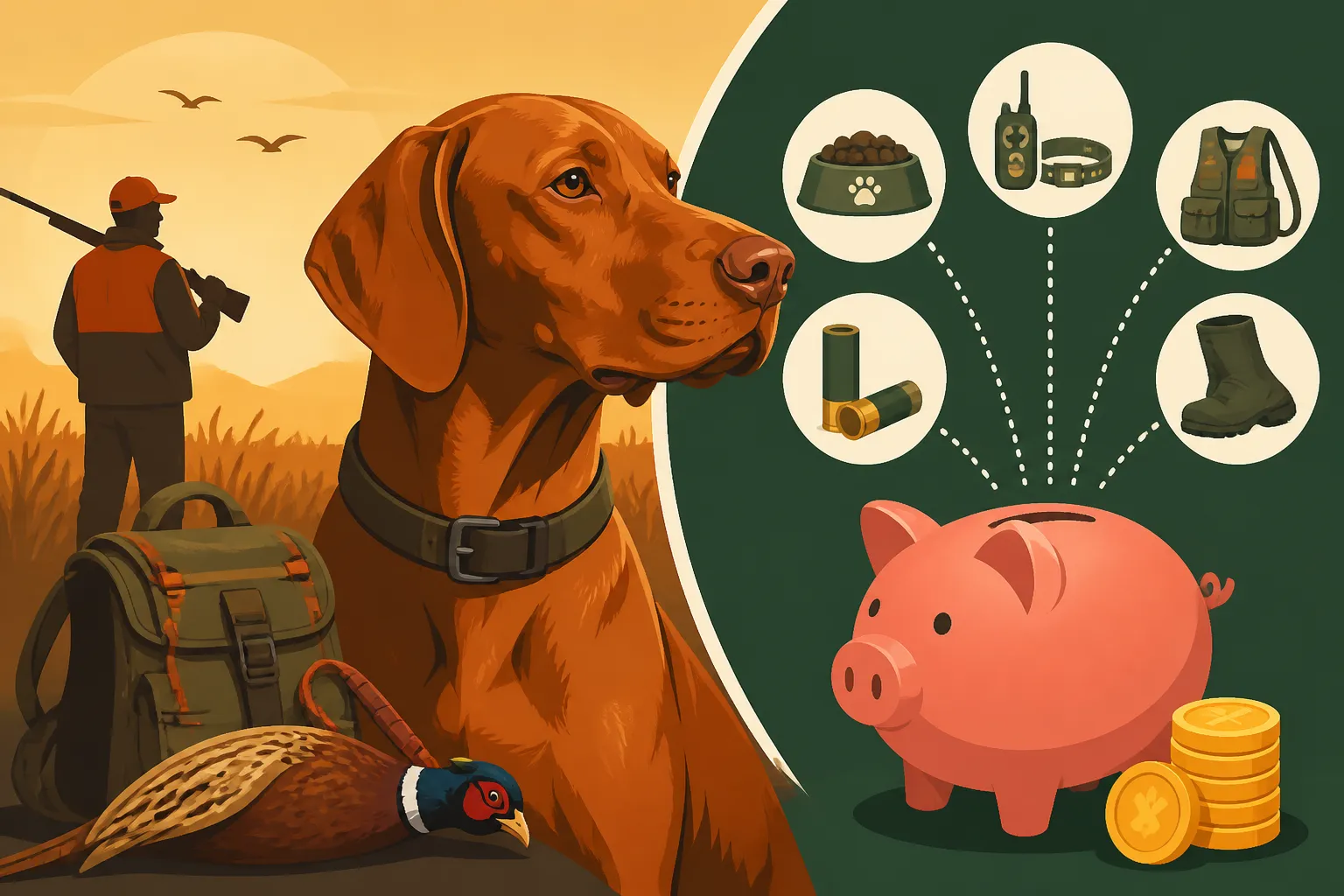
What a Season of Hunting a Vizsla Actually Costs
Bringing home a Vizsla, especially one destined for the field, is an exhilarating commitment, but many prospective owners fixate on the initial purchase price without fully grasping the ongoing financial investment required to sustain a hunting dog. Beyond the one-time cost of the puppy, preparing and maintaining a Vizsla for a full season of hunting involves a surprising array of recurring and often underestimated expenses. This comprehensive guide will meticulously break down the true annual cost of hunting your beloved Vizsla, helping you budget wisely and ensure your partner thrives in the field.
The Initial Investment: Beyond the Puppy Price Tag
When you first welcome a Vizsla into your life with the dream of a hunting companion, it's easy to focus solely on the adorable puppy bouncing around. However, even before your dog steps foot into dense cover, there's a significant financial outlay that sets the stage for a successful hunting career. These aren't just one-off costs; they establish the baseline for all future seasonal expenses.
Acquisition and Early Socialization
The price of a Vizsla puppy itself can vary wildly depending on the breeder, their reputation, and the puppy's lineage. For a field-bred Vizsla from proven hunting lines, you can expect to pay a premium. These breeders invest heavily in health testing their breeding stock and often come from generations of dogs titled in field trials or hunt tests. Knowing exactly what to expect from these initial costs is crucial, and you can delve deeper into specific figures by understanding What a Field Bred Vizsla Puppy Costs. But beyond the purchase price, the first few months are critical for socialization. Puppy classes, which typically cost between $150 and $250 for a multi-week course, are invaluable for exposing your Vizsla to other dogs, people, and different environments, all while learning basic obedience. Neglecting this crucial period can lead to behavioral issues that might impact their trainability and reliability in the field, costing you more down the line in corrective training.
Early socialization isn't just about obedience; it's about building a confident, adaptable dog that can handle the myriad sights, sounds, and experiences of a hunting environment without fear or aggression. Think about the chaos of a busy hunting camp, the sudden flush of birds, or even just the sound of distant gunshots. A well-socialized puppy will be less likely to develop gun shyness or become overwhelmed by new stimuli, saving you significant headaches and potential training setbacks. This means not only formal classes but also countless trips to dog-friendly parks, pet stores, and even just walks around different neighborhoods. While these informal outings don't always have a direct financial cost, they demand a significant investment of time, which for many busy owners, is a commodity just as valuable as money.
Foundation Training and Basic Gear
Even if you plan to send your Vizsla to a professional trainer later, the foundational work you do yourself is paramount. This includes basic obedience commands like "sit," "stay," "come," and "heel," which are the building blocks for more advanced field work. Investing in a good quality check cord, a sturdy leash, and a comfortable collar is essential. These items, while seemingly small, are critical for safe and effective training. You might also need training dummies, a bird launcher, and perhaps even a blank pistol for desensitization to gunfire. These initial gear purchases can easily run into a few hundred dollars. Many owners also find a subscription to an online training platform or a few private lessons with a local trainer helpful to get started correctly.
The "soft" nature of the Vizsla means that positive reinforcement and consistent, gentle training are key. Harsh methods can easily shut them down, setting back your progress by weeks, if not months. This often means investing in higher-value training treats – a cost that adds up over time, especially during intense training periods. A good quality retrieving dummy, whether canvas or plastic, is not just a toy; it's a critical tool for developing their natural retrieve drive and teaching them to deliver birds to hand. As you progress, you'll find yourself needing more specialized equipment like whistle lanyards, scent tubes, and even electronic collars (when used correctly and humanely) to extend your training reach. These tools aren't just optional extras; they're integral to shaping a reliable, responsive hunting partner.
Initial Health Screenings and Preventative Care
Before your Vizsla can truly excel in the field, you need to ensure they are physically sound. This means more than just routine vet visits. Vizslas, unfortunately, are prone to certain health issues that can impact their ability to hunt, such as hip and elbow dysplasia. Reputable breeders will have already performed tests like OFA or PennHIP clearances on the parents, but it's wise to discuss these with your vet. A full series of puppy vaccinations, deworming, and initial parasite prevention are non-negotiable costs, often totaling $300-$600 in the first year alone. Many vets recommend a pre-season check-up for hunting dogs to ensure they are in peak physical condition and to discuss any specific concerns related to the upcoming season.
These initial health investments are not merely about checking boxes; they are about protecting your future hunting partner from debilitating conditions that could cut their career short or lead to expensive treatments. For instance, addressing any minor limps or unusual gait patterns early on could prevent a more serious issue like Cruciate Tears in a Working Vizsla down the line. Furthermore, regular parasite prevention is critical, especially for dogs spending a lot of time outdoors where they are exposed to ticks, fleas, and internal parasites. Heartworm prevention, which often runs about $10-$20 a month, is a year-round necessity, as is broad-spectrum dewormer, especially if your dog is frequently in contact with wildlife or other dogs. A healthy Vizsla is a happy, effective hunting Vizsla, and these preventative measures are a foundational cost of responsible ownership.
Advanced Training and Development for the Field
Once your Vizsla has a solid foundation of obedience and socialization, the real work of shaping them into a skilled hunting companion begins. This phase often involves specialized training that goes far beyond basic commands, preparing them for the specific demands of pointing, retrieving, and working in challenging environments.
Professional Gun Dog Training Fees
While many dedicated owners enjoy training their own Vizslas, the nuances of developing a truly "finished" gun dog often benefit from the expertise of a professional trainer. These individuals specialize in bringing out a dog's natural instincts, refining their point, ensuring reliable retrieve-to-hand, and making them steady to wing and shot. Professional gun dog training can be a substantial expense, with monthly fees typically ranging from $800 to $1,500, and a full program might last anywhere from three to six months, or even longer for advanced skills. This means you could be looking at an investment of $2,400 to $9,000 for a single season's worth of training. Understanding What a Professional Trainer Charges for a Vizsla can help you prepare for this significant financial commitment.
It's not just about the trainer's time; it's about their facilities, the availability of live birds, and their ability to work through specific challenges your Vizsla might present. A good professional trainer will provide regular updates, teach you how to maintain the training at home, and ensure a smooth transition back to your care. They can address issues like ranging too wide, hard mouth, or reluctance to enter water, which can be difficult for an amateur to correct effectively. The investment in professional training can pay dividends in the field, resulting in a more enjoyable and productive hunting experience, and ultimately, a safer dog. Without proper training, a Vizsla might be difficult to control, chase game instead of pointing, or fail to retrieve downed birds, turning a potentially great hunt into a frustrating ordeal.
Training Birds, Dummies, and Equipment
Whether you're training independently or reinforcing professional training, the cost of live training birds is a recurring expense. Pigeons, quail, and chukars are commonly used, and their prices fluctuate based on availability and season, but expect to pay $5-$20 per bird. For a serious training regimen, you might use dozens over a season. Dummies, launchers, and check cords need periodic replacement as they wear out. High-quality retrieving dummies can cost $20-$50 each, and if your Vizsla is enthusiastic, you'll go through a few. A good bird launcher, which helps simulate realistic flushes, can be a one-time investment of $150-$400. You'll also need a training whistle, a vest with plenty of pockets for treats and dummies, and perhaps even a tracking collar for when your dog starts ranging further.
The cumulative cost of these seemingly small items truly adds up, and it's important to factor them into your seasonal budget. For instance, purchasing What Training Birds Cost a Vizsla Owner directly impacts how frequently you can practice with live game scenarios. Moreover, a dedicated training setup often requires specific tools like a remote release system for launchers, which adds convenience but also cost. Don't forget the wear and tear on your personal gear too; comfortable, durable boots, appropriate field attire, and even a reliable stopwatch or timer become part of your essential equipment. Investing in durable, high-quality gear from the outset can save money in the long run compared to constantly replacing cheaper, less robust options.
Hunt Test and Field Trial Entry Expenses
For many Vizsla owners, proving their dog's abilities in organized events like hunt tests or field trials is part of the hunting journey. These events not only provide a structured environment to gauge your dog's progress but also offer a community of like-minded individuals. However, entering these events comes with fees. A single entry for an AKC (American Kennel Club) or NAVHDA (North American Versatile Hunting Dog Association) test can range from $50 to $100 per stake. If you're running your dog in multiple events or different levels throughout the season, these costs quickly accumulate. For example, competing in three tests over a weekend could easily be $150-$300 in entry fees alone, not including travel or lodging.
Beyond the entry fees, there are often membership fees for the organizing clubs, which can be $30-$75 annually. These memberships are often required to enter events and provide access to training days and resources. Then, there's the travel. Many events are held in rural areas, requiring significant driving. If you're serious about titling your Vizsla, you might find yourself traveling across state lines, adding fuel, accommodation, and potentially meals to the equation. While the thrill of seeing your Vizsla perform and earn titles is immeasurable, the financial aspect of participation in these competitive events is a definite factor in the overall cost of hunting.
Fueling Peak Performance: Nutrition for a Working Vizsla
A Vizsla built for the field is an athlete, and like any athlete, their diet needs to support their high energy output and recovery. Skimping on nutrition can lead to poor performance, fatigue, and even health issues, making quality food a non-negotiable expense during hunting season.
High-Energy Diet Requirements
During a demanding hunting season, a Vizsla's caloric needs can skyrocket, sometimes requiring up to twice the amount of food compared to an off-season dog. They burn through calories at an incredible rate, maintaining a high metabolism and covering vast distances. This means transitioning to a high-performance dog food specifically formulated for active working dogs. These formulas are typically higher in protein (28-32%) and fat (18-22%) to provide sustained energy and support muscle repair. Brands like Eukanuba, Purina Pro Plan Sport, and Kinetic Performance Dog Food are popular choices among hunting dog owners. These specialized foods are often more expensive than standard kibble, with a 30-40lb bag costing anywhere from $60-$90, and a working Vizsla might go through one every 2-3 weeks.
Consider the monthly cost of feeding. What Feeding a Working Vizsla Costs Monthly can easily add up to $100-$200 or more during peak season. It's not just about quantity, but quality. Cheap fillers won't provide the sustained energy your Vizsla needs to perform all day in the field without crashing. Look for ingredients like real meat as the first ingredient, along with beneficial carbohydrates and a balanced array of vitamins and minerals. Some owners even opt for fresh food diets or add fresh meat to their kibble, from services like Ollie, to boost palatability and nutrient intake, which further increases costs but can make a noticeable difference in their dog's energy levels and coat health.
Essential Supplements and Hydration Strategies
Even with a high-quality diet, many hunting dog owners choose to supplement their Vizsla's nutrition, especially for joint health, coat condition, and muscle recovery. Glucosamine and chondroitin supplements (around $20-$40 a month) are popular for supporting hardworking joints, given the intense impact hunting has on their skeletal system. Fish oil or other omega-3 fatty acid supplements can aid in reducing inflammation and maintaining a healthy coat, costing $10-$20 monthly. Probiotics might also be considered to support gut health, which can be stressed by changes in routine or diet during hunting trips.
Hydration is just as critical as food, if not more so, especially when working in warm conditions. Carrying plenty of water for your Vizsla in the field is paramount, and you might consider electrolyte supplements or hydration boosters (around $15-$30 for a packet or liquid concentrate) to add to their water, especially on long, strenuous hunts. Dehydration can quickly lead to exhaustion and heatstroke, which are serious concerns for an athletic dog. Investing in a portable water bowl or a hydration vest for your dog helps ensure they always have access to fresh water. These seemingly small additions to their routine are vital for maintaining stamina and preventing serious health complications when your Vizsla is pushing its limits.
Maintaining Optimal Body Condition
A working Vizsla should be lean and muscular, with ribs just palpable but not visibly protruding, and a tucked waist. Regularly monitoring their weight and body condition is essential. A Vizsla that carries too much weight will tire quickly and put undue stress on their joints, while one that is too thin won't have the energy reserves needed for sustained work. This often means adjusting food intake based on activity levels, which can fluctuate daily or weekly depending on your hunting schedule.
Learning to assess your Vizsla's body condition score is a skill every hunting dog owner should develop. It ensures you're feeding them appropriately, preventing both obesity and malnourishment. You might find that Whether a Vizsla Needs a Performance Formula is not a question of "if" but "when" and "how much." Furthermore, regular veterinary check-ups can help confirm they are at an ideal weight and highlight any underlying issues that might affect their ability to maintain condition. Remember, maintaining optimal body condition isn't just about aesthetics; it's directly linked to their endurance, speed, and overall health in the demanding environment of the hunting field.
Essential Field Gear and Equipment
Beyond the basics, a Vizsla destined for hunting requires specialized gear to ensure their safety, comfort, and effectiveness in the field. This isn't just about looking the part; it's about protecting your investment and your partner.
Safety and Visibility Apparel
Vizslas have a thin, short coat, offering little protection from harsh weather or thick cover. A blaze orange vest is an absolute must for safety, making your dog visible to you and other hunters, especially in dense brush. These vests can range from $20-$70, but it's an expense that could save your dog's life. Depending on the terrain and weather, your Vizsla might also need paw protection. Hunting boots (approximately $40-$80 for a set of four) can prevent cuts, abrasions, and exposure to harsh chemicals or ice in winter conditions.
For colder climates or late-season hunts, a protective coat or vest designed for working dogs can prevent hypothermia, especially during breaks or while waiting in a blind. These coats, often made of fleece or insulated waterproof materials, can cost $50-$150. Given The Thin Skin a Vizsla Takes Into the Field, any additional layer of protection is valuable. Don't forget a first-aid kit specifically for dogs, stocked with items like wound antiseptic, bandages, paw balm, and splinter tweezers – an initial investment of $30-$80, plus regular replenishment. Being prepared for minor injuries in the field is crucial.
Transportation and Lodging Solutions
Getting your Vizsla to and from hunting locations safely and comfortably is another cost factor. A secure, well-ventilated crate or kennel is essential, especially for truck bed transport. High-quality, crash-tested crates can be a significant upfront investment ($200-$600), but they offer superior protection. For long drives, consider a vehicle outfitted with proper ventilation and temperature control. Some hunters even invest in truck bed kennels or custom inserts.
If your hunting adventures take you far from home, you'll need to budget for accommodation that allows dogs. Many hotels charge pet fees ($25-$75 per night), and some only allow smaller breeds. Alternatively, camping might be an option, but this still requires investing in appropriate gear for your dog, like a sturdy tie-out or a warm, elevated bed for cold nights. The logistics of travel for hunting trips are often overlooked but can quickly add up, especially if you're frequently traveling to different hunting grounds or out-of-state.
Electronic Aids and Communication
Modern hunting often incorporates technology to enhance safety and efficiency. A GPS collar is an invaluable tool for a wide-ranging Vizsla, allowing you to track their location, monitor their movement, and even recall them with a remote signal. Premium GPS collars can cost $300-$700, plus a potential monthly subscription fee for mapping services. For an active, enthusiastic Vizsla, understanding What a GPS Collar Costs for a Vizsla is essential, as it's a critical safety investment.
An e-collar (electronic collar), when used correctly and humanely by an experienced trainer, can be an effective tool for long-distance communication and safety, costing $150-$350. However, it's vital to ensure you are proficient in its use to avoid stressing your sensitive Vizsla. Other electronic aids might include remote bird launchers, electronic whistles, or even a specialized dog camera for monitoring your dog in a blind. These tools, while optional, can significantly improve your hunting experience and your dog's performance, but they represent an additional layer of expense.
Veterinary Care and Health Management
The rigorous demands of hunting put extra strain on a Vizsla's body, increasing their risk of injury and requiring diligent health management. Proactive veterinary care and a robust emergency plan are critical components of a hunting season budget.
Routine Check-ups and Preventative Measures
Before the hunting season kicks off, a comprehensive veterinary check-up is highly recommended. This ensures your Vizsla is in peak physical condition and addresses any underlying health concerns that could become problematic in the field. This check-up typically includes a physical exam, a review of vaccination status, and discussions about parasite prevention. Regular flea, tick, and heartworm prevention are absolutely vital, as your Vizsla will be exposed to these pests more frequently in natural environments. These preventative medications can cost $200-$400 annually.
Beyond the initial check-up, you might consider pre-season blood work to establish a baseline for your dog's health. This can be particularly useful if your Vizsla is older or has a history of health issues. Maintaining good dental hygiene is also important, as pain from dental disease can impact a dog's willingness to retrieve or even eat. While not directly a "hunting cost," general health management underpins their ability to perform. Therefore, considering factors like Whether a Vizsla Needs Its Teeth Brushed and factoring in any associated costs like dental cleanings (which can be several hundred dollars) becomes part of the holistic care plan for a hunting dog.
Emergency Care and Injury Management
Despite all precautions, injuries can and do happen in the field. Vizslas are athletic and courageous, but their thin skin and eagerness can lead to cuts, scrapes, pad injuries, or even more serious sprains or fractures. Budgeting for potential emergency veterinary visits is critical. An out-of-hours emergency vet visit can easily cost $500-$1,500 or more, depending on the severity of the injury and required treatment. For example, a deep laceration requiring sutures could cost several hundred dollars, while a more complex injury like What a Vizsla's Emergency Field Injury Costs such as a broken bone, could run into thousands.
Having a well-stocked doggy first-aid kit with you on every hunt is non-negotiable. This kit should include items to clean and bandage wounds, administer pain relief (under vet guidance), and stabilize injuries for transport. Knowing basic canine first aid can make a significant difference in an emergency. Beyond minor injuries, a hunting Vizsla faces risks like snake bites, porcupine quills, or exposure to toxins, all of which require immediate and often expensive veterinary intervention. These are the unpredictable costs that can hit your budget hard if you're not prepared.
Pet Insurance: A Necessary Safeguard
Given the inherent risks associated with hunting and the Vizsla breed's predisposition to certain health conditions, pet insurance can be an invaluable investment. It acts as a financial safety net, helping to cover unexpected veterinary costs from accidents or illnesses. Monthly premiums for a comprehensive policy typically range from $40 to $80, but this can vary based on your location, your dog's age, and the specific coverage plan. Many owners find the peace of mind well worth the recurring expense, especially when faced with a significant veterinary bill.
When choosing a policy, it's crucial to read the fine print. Look for plans that cover accidents and illnesses, and understand deductibles, reimbursement percentages, and annual limits. Some policies might have exclusions for pre-existing conditions or certain breed-specific ailments, so ask detailed questions. A company like Healthy Paws, for example, is known for its comprehensive accident and illness coverage, which can be a lifesaver for an active hunting dog. Investing in pet insurance means that if your Vizsla develops something serious, like a torn cruciate ligament or a sudden illness, you can focus on getting them the best care without immediate financial strain.
Hunting Licenses, Permits, and Travel Logistics
The thrill of the hunt often involves traversing various landscapes and adhering to specific regulations, all of which come with their own set of costs. These aren't just one-time fees; they are recurring expenses that are integral to a legal and ethical hunting season.
Mandatory State and Federal Licensing
Before you even step foot into the field, you'll need the appropriate hunting licenses and permits. A resident hunting license typically costs $20-$50 annually, but this varies significantly by state. If you plan to hunt migratory birds, you'll also need a federal duck stamp, which is currently $25 annually. Many states require additional stamps or permits for specific game species (e.g., pheasant, grouse, quail) or for hunting in certain areas. These can add another $10-$30 per stamp. It's crucial to research the specific requirements for your state and any states you plan to visit, as fines for hunting without the proper licenses can be steep.
These licenses and stamps are not just bureaucratic hurdles; they contribute to wildlife conservation efforts, habitat restoration, and management programs that ensure sustainable hunting opportunities for future generations. Failing to purchase the correct licenses can result in hefty penalties, confiscation of equipment, and even loss of hunting privileges. Always ensure your paperwork is up-to-date and easily accessible when in the field. This also includes any necessary permits for public lands or specific wildlife management areas, which might have their own small fees or application processes.
Fuel, Accommodation, and Access Fees
Hunting often requires significant travel, whether it's a short drive to a local public hunting ground or a multi-day trip to a prime upland bird location. Fuel costs can quickly accumulate, especially with fluctuating gas prices and driving a larger vehicle that can accommodate your dog, gear, and potentially other hunting companions. A full season of frequent hunting trips could easily see you spending hundreds, if not thousands, of dollars on gasoline.
If you're traveling further afield, accommodation costs become a factor. As mentioned earlier, pet-friendly hotels can charge extra, or you might opt for camping, which still involves site fees ($15-$50 per night) and the initial investment in camping gear. Access fees for private hunting preserves or commercial shooting grounds are also common. These can range from $50 to $200+ per day, or you might purchase a seasonal membership, which could be several hundred to over a thousand dollars, offering access to birds and land. These fees are often the cost of convenience and a guarantee of bird numbers, ensuring you have productive training and hunting opportunities.
Out-of-State Hunting Considerations
Venturing across state lines for a hunting adventure introduces a whole new layer of expenses. Non-resident hunting licenses are significantly more expensive than resident ones, often ranging from $100 to $500 or more for a general hunting license. Then, you'll need additional non-resident stamps or tags for specific game. For example, a non-resident upland bird license in a popular state like Kansas or South Dakota can be several hundred dollars.
Beyond the licenses, consider the extended travel time, which means more fuel, more meals away from home, and potentially more nights in hotels. Some states also require specific health certificates for dogs crossing state lines, which would entail another vet visit and a fee ($30-$75). While hunting in different states offers unique experiences and diverse game opportunities, it's vital to budget meticulously for these increased costs. Always check the specific regulations and fees for each state well in advance of your trip to avoid any surprises.
Wear and Tear: Maintenance and Replacement Costs
The demanding nature of hunting means that gear and equipment, and even your vehicle, take a beating. Budgeting for wear and tear, and the inevitable need for replacement or repair, is an often-overlooked but crucial part of the seasonal cost.
Gear Degradation and Replacement Cycle
Hunting gear is designed to be rugged, but it's not indestructible. Leashes fray, collars wear out, vests get torn by thorns and brambles, and training dummies are chewed beyond recognition. Even high-quality items have a lifespan, and you'll find yourself needing to replace essential equipment annually or every few seasons. What a Field Vest Costs for a Vizsla might seem like a one-time purchase, but a good quality vest that holds up to thick cover and harsh weather will still eventually succumb to the elements. For instance, a durable dog jacket might last a few seasons, but eventually, zippers break, fabric rips, or insulation degrades.
These replacement costs are not minor. A new gun dog whistle, a fresh supply of check cords, new boots for your Vizsla, or even just replacing worn-out bungee cords for your kennel can add up. Factor in the cost of cleaning supplies for your gear – specialized detergents for hunting clothes to remove scent, or disinfectants for dog crates – and it becomes another recurring expense. Being proactive about replacing worn items not only ensures their effectiveness but also prevents potential safety hazards in the field.
Vehicle Maintenance for Field Trips
Your hunting vehicle is arguably one of the most critical pieces of "gear" you own. Driving on rough, unpaved roads, through mud, snow, or dusty tracks takes a toll on your car or truck. Regular oil changes, tire rotations, brake inspections, and alignment checks become even more important when your vehicle is subjected to these conditions. You might experience more frequent flat tires, suspension issues, or even minor body damage from overgrown trails.
Budgeting for increased vehicle maintenance and potential repairs is a wise move for any hunting dog owner. A new set of tires, especially off-road or all-terrain options, can be a significant investment ($800-$2,000+). Even seemingly small things like car washes to remove mud and grime, or interior detailing to manage dog hair and dirt, contribute to the overall cost of ownership. Your vehicle needs to be as reliable as your Vizsla in getting you to the best hunting spots.
Unexpected Contingencies and Miscellaneous Expenses
No matter how well you plan, there will always be unexpected costs. A sudden weather change might require purchasing an emergency warming blanket for your dog. A forgotten item might mean an expensive stop at a rural general store. Or perhaps your Vizsla, in their enthusiasm, decides to "decorate" the inside of your rental cabin, incurring cleaning or damage fees. It's wise to have an emergency fund set aside specifically for these unforeseen events.
This category also includes smaller, often overlooked expenses. Batteries for GPS collars and e-collars, disposable training pads for transport, or even just extra treats for rewarding exceptional performance. A bag of dog poop bags might seem negligible, but they are a constant necessity. Don't forget that a hunting season is also an opportunity to invest in memories – photography, mounting a trophy bird, or souvenirs from your trips are optional but often desired expenses. Having a buffer in your budget for these miscellaneous items can prevent undue stress during the season.
Seasonal Budget Breakdown for Hunting a Vizsla
To provide a clearer picture of the financial commitment, here's a generalized table summarizing potential annual costs for hunting a Vizsla. Please note, these are estimates and can vary significantly based on location, training choices, and frequency of hunting.
| Category | Estimated Annual Cost (Low Range) | Estimated Annual Cost (High Range) | Notes |
|---|---|---|---|
| Initial Investments (Year 1) | (May be spread over several years) | ||
| Vizsla Puppy Acquisition | $1,500 | $3,500+ | Field-bred puppy from reputable breeder |
| Puppy Vaccines & Vet Care | $300 | $600 | Initial health, deworming, microchip |
| Basic Training Gear (Leash, Collar, Dummies) | $100 | $300 | |
| Ongoing Annual Costs | |||
| Performance Dog Food | $1,200 | $2,400+ | High-quality kibble for working dogs (e.g., Chewy's selection) |
| Supplements & Hydration | $200 | $500 | Joint support, fish oil, electrolytes |
| Routine Vet Check-ups | $150 | $300 | Annual exam, core vaccines |
| Parasite Prevention | $200 | $400 | Heartworm, flea, tick meds |
| Pet Insurance | $480 | $960 | Comprehensive accident & illness (e.g., Healthy Paws) |
| Professional Training | $0 | $9,000+ | If opting for full program |
| Training Birds & Supplies | $100 | $500 | Pigeons, quail, launchers, new dummies |
| Hunting Licenses & Stamps | $50 | $200 | State & Federal, special tags |
| Out-of-State Licenses | $0 | $500+ | If applicable |
| Field Gear (Vest, Boots, First Aid) | $100 | $300 | Replacement/new items |
| GPS Collar & E-collar | $0 | $700 | Initial purchase. Maintenance if already owned. |
| Fuel & Travel Expenses | $300 | $1,500+ | Depending on frequency & distance |
| Accommodation (Pet Fees, Camping) | $0 | $500 | If applicable |
| Hunt Test/Trial Entry Fees | $0 | $600+ | If competing |
| Vehicle Maintenance (Extra) | $100 | $400 | Beyond regular non-hunting use |
| Miscellaneous/Emergency Fund | $200 | $1,000 | Unforeseen repairs, minor injuries, forgotten items |
| TOTAL ANNUAL (Excluding Puppy) | $3,180 | $18,460+ | Wide range due to variable training & travel choices |
Disclaimer:
The information provided in this article is for general informational purposes only and does not constitute veterinary or professional advice. Always consult with a qualified veterinarian or professional dog trainer for specific guidance regarding your Vizsla's health, training, and care needs. Hunting involves inherent risks, and owners should always prioritize safety and adhere to all local, state, and federal hunting regulations.