Whether Hungarian Vizsla Lines Are Healthier
It's a deeply concerning question many Vizsla prospective owners and even current ones grapple with: whether Hungarian Vizsla lines truly hold a health advantage over those bred elsewhere. This often stems from a desire to provide the best possible life for our beloved companions, and the underlying worry about the breed's well-documented health challenges. This comprehensive guide aims to unpack the nuances of this question, providing clarity on what "Hungarian lines" truly means for a Vizsla's health.
Understanding Vizsla Health Concerns in General
Before we delve into specific lines, it’s crucial to understand the broader health landscape of the Vizsla breed. These magnificent dogs are generally robust and incredibly athletic, but like any purebred, they come with a predisposition to certain genetic health issues. Many of these issues are common across the entire breed, regardless of geographical origin, largely due to the breed's history.
The Vizsla's Narrowed Gene Pool
The history of the Vizsla is a tale of survival, having faced near extinction not once, but twice. The most significant bottleneck occurred around the turn of the 20th century and again during World War II, drastically reducing the number of breeding dogs. This means that all modern Vizslas, regardless of where they were bred, descend from a relatively small number of founders. This limited genetic diversity is a double-edged sword: it helped consolidate the breed's distinctive traits but also meant that any genetic predispositions to disease present in those few founders were amplified and spread throughout the gene pool. If you're curious about this, you can read more about Whether the Small Founding Population Explains It. This inherent lack of broad genetic diversity means that many health challenges are woven into the fabric of the breed itself, not just confined to certain regional lines.
Common Health Issues Across the Breed
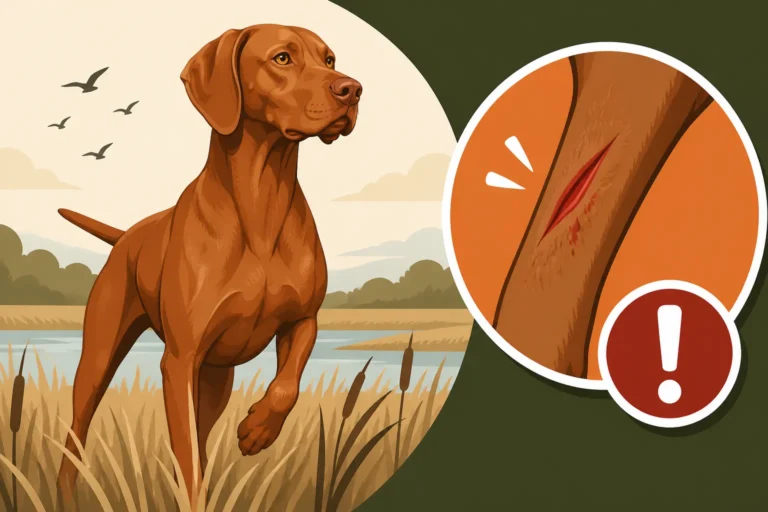
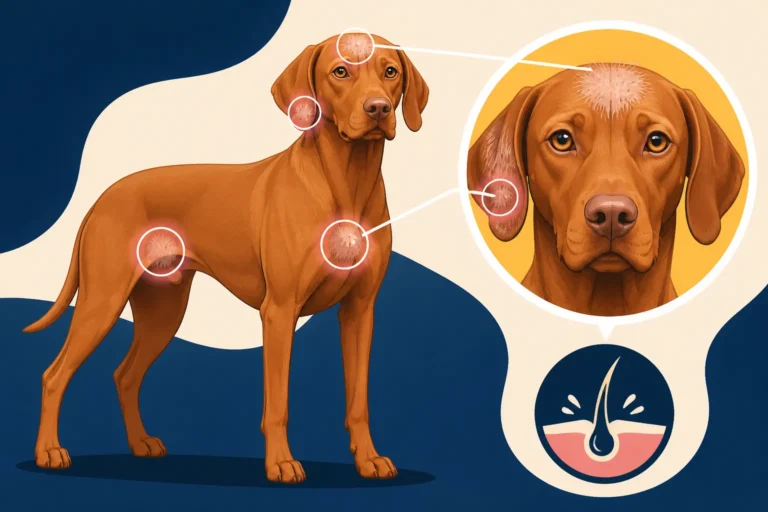
Vizslas are known for their athleticism and zest for life, but they can be susceptible to a range of health issues that can impact their lifespan and quality of life. Owners often find themselves managing conditions that require dedicated care. For example, immune-mediated diseases are quite prevalent. It's not uncommon for a Vizsla's immune system to be the breed's weak point, leading to conditions like sebaceous adenitis, inflammatory polymyopathy, or even certain autoimmune thyroid conditions. This isn't specific to one region; these conditions have been identified in Vizslas worldwide.
Beyond autoimmune issues, orthopedic concerns like hip and elbow dysplasia can affect even the most active Vizslas, especially those that spend years running hard in the field. Eye diseases, certain cancers, and epilepsy are also on the list of potential worries. Understanding these general breed predispositions is the first step in being a responsible Vizsla owner, regardless of where your dog's ancestors hail from. Many of these conditions might necessitate unexpected vet visits and treatment, making a good pet insurance plan from providers like Healthy Paws a wise investment for many owners. It's always smart to prepare for the unexpected with such an active and sometimes sensitive breed.
Exploring Hungarian Vizsla Lines
The idea that "Hungarian lines" might be healthier is a common belief, often rooted in romantic notions of the breed's homeland. However, the reality is more complex than a simple geographical distinction.
Historical Context of Vizsla Breeding in Hungary
For centuries, the Vizsla was developed in Hungary as a versatile hunting dog, prized by nobility for its pointing and retrieving abilities. The breeding priorities were firmly centered on working aptitude, temperament, and the breed's distinctive golden-rust coat. When the breed was "rebuilt" after its near extinction events, the focus remained largely on preserving these core traits. While health was always a consideration in the sense of breeding robust, functional dogs, formalized health testing as we know it today (e.g., hip scoring, genetic disease panels) was not as prevalent or standardized globally as it is now.
After the Iron Curtain fell, there was renewed interest in Hungarian-bred dogs internationally. Many breeders in the West sought out Hungarian imports, believing they might offer a "purer" genetic pool or a return to traditional working qualities. This desire for original lines sometimes conflated with the hope for better health, assuming less diversification had occurred. However, it's also important to remember that during the Soviet era, controlled breeding practices within Hungary meant a potentially even more restricted gene pool for a period, which doesn't inherently translate to superior health in the long run. The separation during this time led to some divergence between Hungarian and Western lines, but the fundamental genetic predispositions of the breed remained.
What "Hungarian Line" Often Implies Today
Today, when someone refers to a Vizsla as being from "Hungarian lines," it can mean a few different things, and it’s rarely a guarantee of specific health outcomes. Often, it refers to a dog whose immediate ancestors were imported from Hungary, or whose pedigree heavily features dogs that trace back directly to Hungarian kennels. Sometimes, it's also used to describe dogs that might have a slightly different physical appearance or working style, believed to be more aligned with the original Hungarian standard – perhaps a bit more compact, or with a very intense drive.
However, the term "Hungarian lines" doesn't automatically equate to a distinctly separate, healthier population. Modern breeding, even within Hungary, has become increasingly globalized. Dogs are imported and exported, and genetic material is shared. Many reputable breeders in the United States, Canada, and Europe incorporate Hungarian-descended dogs into their programs to enhance certain traits, but these dogs are now part of a larger global Vizsla population. The notion of a completely isolated and inherently healthier "Hungarian line" is largely outdated, as many of these lines have intermingled. For a deeper dive into this, you might explore Whether Hungarian and Western Vizslas Diverged.
Comparing Health Data and Practices
Directly comparing the health of "Hungarian lines" versus "Western lines" is challenging and often misleading. The factors influencing a Vizsla's health are complex and go far beyond a simple geographical label.
The Challenges of Direct Comparison
One of the biggest hurdles in assessing whether Hungarian Vizsla lines are healthier is the lack of standardized, comprehensive, and publicly accessible health data across different regions. While organizations like the Orthopedic Foundation for Animals (OFA) in the US maintain extensive databases for hip, elbow, and other health screenings, similar centralized, transparent systems aren't uniformly available or comparable across all countries, including Hungary. This makes it incredibly difficult to conduct a true epidemiological study comparing disease prevalence.
Furthermore, health issues often manifest in different ways or are diagnosed with varying frequencies depending on veterinary practices and owner awareness in different countries. For instance, some conditions might be underreported in certain regions due to less access to advanced diagnostics or simply a cultural difference in how veterinary care is pursued. Without robust, apples-to-apples data, any claims of one line being "healthier" than another remain largely anecdotal or based on assumption. The reality is that the genetic blueprint of the Vizsla breed is largely shared globally, and common issues like The Cancers That Take a Vizsla Early or Epilepsy in a Vizsla can appear in any line.
The Importance of Breeder Practices, Not Just Origin
Ultimately, a Vizsla's health is far more dependent on the individual breeder's ethics, knowledge, and commitment to health screening than on the geographical origin of their breeding stock. A responsible breeder, regardless of their location, will prioritize the health and temperament of their dogs above all else. They will:
- Conduct comprehensive health clearances: This includes screening for common Vizsla ailments like hip and elbow dysplasia, eye conditions, and thyroid disease. They should be transparent with these results, often sharing OFA or equivalent certifications. You might want to consider What Health Testing Costs a Vizsla Breeder as an indicator of commitment.
- Research pedigrees extensively: They won't just look for "Hungarian lines" but will delve into the health history of multiple generations in a dog's lineage, looking for patterns of disease or longevity. They'll also consider Whether a Vizsla Breeder Screens for Thyroid as part of their due diligence.
- Be transparent and communicative: A good breeder will openly discuss the health issues prevalent in the breed, their own lines, and what steps they take to mitigate risks. They'll answer your questions thoroughly and provide references.
- Offer health guarantees and support: While no breeder can guarantee a dog will never have a health issue, they should stand behind their puppies and offer support and guidance throughout the dog's life. This is where having pet insurance like Healthy Paws can really complement a good breeder's efforts, providing a financial safety net for future care.
A breeder in Hungary who does not perform these screenings is no better, and potentially worse, than a breeder in the US or Europe who does. Conversely, an exceptional breeder in North Carolina might produce healthier Vizslas than a less scrupulous one in Budapest, simply because of their dedication to health testing and selective breeding practices. The focus should always be on the individual breeder, their transparency, and their adherence to health standards, rather than broad, often unsubstantiated, claims about geographical lines.
Making an Informed Choice for Your Vizsla
The search for a healthy Vizsla can feel overwhelming, but by focusing on concrete actions and informed decisions, you can significantly increase your chances of bringing home a healthy companion.
What to Look for in Any Vizsla Breeder
When you're searching for a Vizsla puppy, your detective hat needs to be firmly on. Don't be swayed by claims of "pure Hungarian lines" without substance. Instead, focus on these critical indicators of a responsible breeder:
- Transparency with Health Clearances: This is non-negotiable. Both parents of the litter should have current health clearances for common Vizsla issues such as hip and elbow dysplasia (OFA or PennHIP certifications are standard in North America), eye conditions (CERF or OFA Eye certification), and thyroid function. Some breeders also screen for conditions like von Willebrand disease or specific cancers, though these are less standardized. The breeder should readily provide you with documentation, and ideally, show you that their dogs are registered with a public health database like OFA's CHIC program. Look for The Health Tests Both Vizsla Parents Should Have.
- Open Communication: A good breeder will be eager to discuss their breeding philosophy, the health history of their lines, and the temperament of their dogs. They should ask you just as many questions as you ask them, ensuring their puppies go to suitable homes. They'll be upfront about any health issues that have occurred in their lines and what they've done to address them.
- Longevity in Pedigrees: While health clearances are important for current dogs, discussing the longevity of dogs in the pedigree can give you insights into broader health trends in their lines. Ask about the causes of death for older dogs in their pedigrees; while not always clear, it can provide valuable information.
- Focus on Temperament and Drive: Beyond health, a Vizsla's temperament and drive are paramount. A responsible breeder will prioritize breeding dogs with stable temperaments suitable for their intended purpose, whether that's hunting, performance, or an active family companion. They'll be able to tell you about the personalities of the parents and what to expect from the puppies.
- Clean and Socialized Environment: Visit the breeder's home or facility if possible. The puppies should be raised in a clean, stimulating environment, well-socialized with people and other dogs, and show confidence and curiosity. A breeder who cares for their dogs properly is usually caring about all aspects of their well-being.
- Membership in Breed Clubs: Reputable breeders are often active members of national and local Vizsla clubs. These organizations typically uphold ethical breeding standards and provide a network for sharing information and supporting the breed. They might even display a Whether a Vizsla Breeder Should Show a CHIC Number.
Prioritizing Health Testing and Transparency
When you're evaluating a potential litter, the paper trail of health testing is far more valuable than any geographical claim. Don't be shy about asking for specific documentation. A breeder should be able to provide OFA numbers or European equivalents (like FCI or BVA scores) for hips, elbows, and thyroid for both parents, and ideally for grandparents too.
Here's a quick checklist for health testing transparency:
| Health Test Category | What to Ask For | Why It Matters |
|---|---|---|
| Orthopedic | OFA or PennHIP results for hips and elbows | Hip and Elbow Dysplasia are debilitating and common in active breeds. |
| Ocular | CERF/OFA Eye Exam results (annual preferred) | Screens for inherited eye diseases like Progressive Retinal Atrophy. |
| Thyroid | OFA Thyroid results (yearly testing is often recommended for Vizslas) | Hypothyroidism is common in Vizslas and can cause a range of issues. |
| Genetic Panels | Ask if any DNA tests are done for specific conditions | Though less common for Vizslas than some breeds, some breeders test for specifics. |
Remember, a "Hungarian line" Vizsla is still a Vizsla, with all the inherent joys and potential challenges of the breed. Focusing on the ethical practices of the individual breeder, their dedication to health testing, and their commitment to transparency will serve you and your future companion far better than chasing after a perceived, but often unsubstantiated, health advantage based on origin. Investing in a healthy puppy is the first step, and a good pet insurance policy, like those offered by Healthy Paws, can provide peace of mind for their entire lifespan, helping manage the costs of any unexpected medical needs that might arise, no matter their lineage. Choosing wisely upfront can lead to a long, happy, and healthy life with your beloved copper dog. If you ever come across a scenario where you're considering Whether an Untested Vizsla Litter Is Worth Buying, always proceed with extreme caution.
Disclaimer
The information provided in this article is for general informational purposes only and is not a substitute for professional veterinary advice. Always consult with a qualified veterinarian or animal healthcare professional for any health concerns or before making any decisions related to your pet's health and well-being.