Whether an Epileptic Vizsla Can Still Hunt
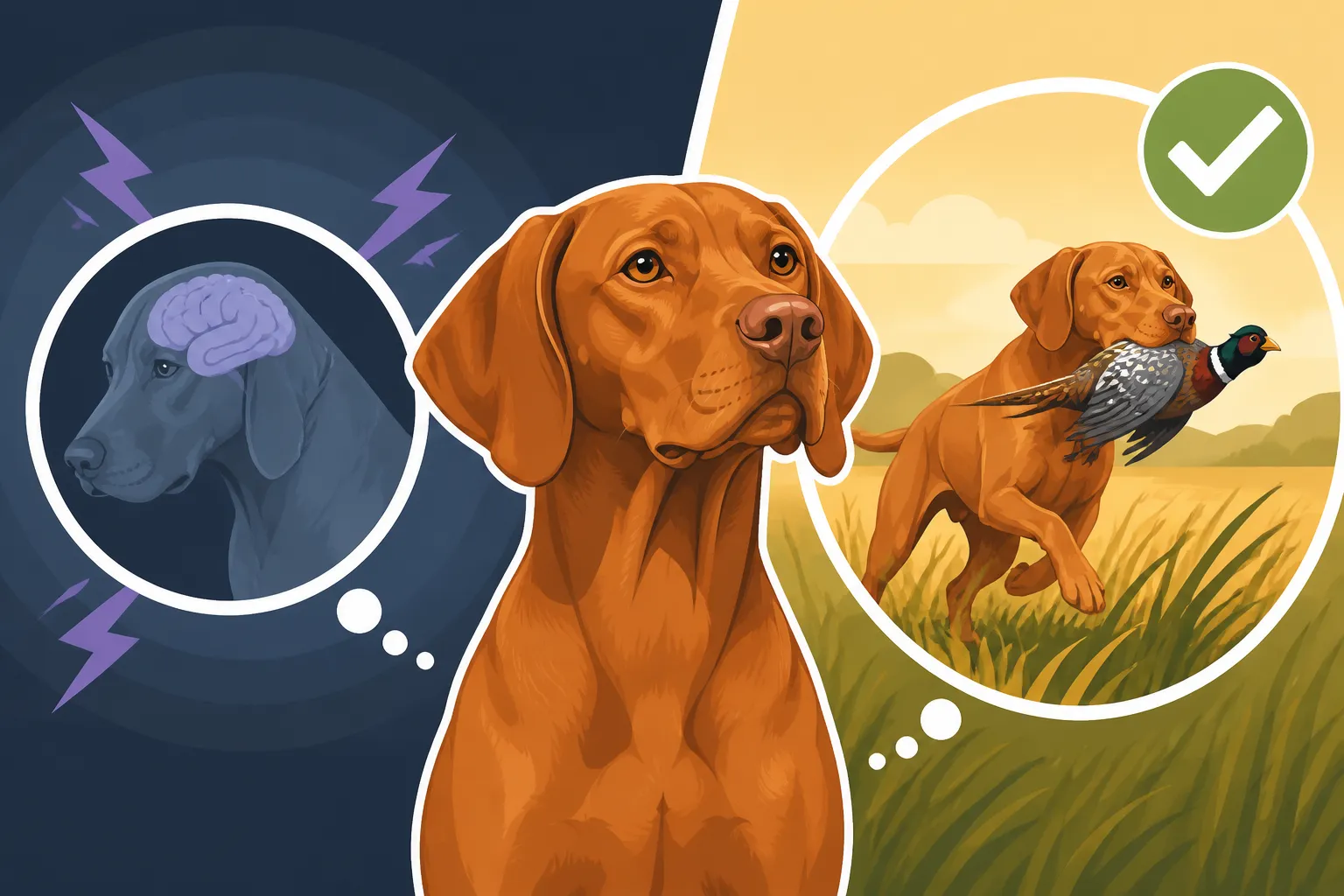
Discovering that your energetic, driven Vizsla has epilepsy can be truly heartbreaking, throwing a wrench into everything you imagined for their active life, especially if hunting is a passion you share. The biggest question often becomes: can your beloved companion still join you in the field, or is it too risky? This guide delves deep into the complex considerations, potential dangers, and practical adjustments required to determine if hunting remains a safe and ethical option for a Vizsla living with epilepsy.
Understanding Epilepsy in Your Vizsla and Its Impact on Activity
Epilepsy in dogs, especially in active breeds like the Vizsla, isn't just a sudden, dramatic event; it's a chronic neurological condition that can profoundly affect their daily life and their ability to safely perform demanding activities like hunting. The unpredictability and varied nature of seizures make this a particularly challenging diagnosis for a working dog owner.
The Nature of Vizsla Epilepsy
When we talk about epilepsy in Vizslas, we're often referring to idiopathic epilepsy, meaning there's no identifiable underlying cause for the seizures. It's thought to have a genetic component in many breeds, including Vizslas. Seizures can range from mild, subtle events where your dog might just stare blankly or twitch a limb (focal seizures) to full-blown grand mal seizures, where they lose consciousness, collapse, paddle their legs, salivate excessively, and lose bowel or bladder control. The age of onset can vary, but many Vizslas start experiencing their first seizures between six months and five years of age. For more detail, you might want to read about The Age Epilepsy Starts in a Vizsla.
The critical thing to understand is that epilepsy is rarely a one-time occurrence. It's a condition that requires careful management, typically with daily anti-epileptic medications, to reduce the frequency and severity of seizures. Even with medication, complete seizure control isn't always achievable, and breakthroughs can happen, especially under stressful or exciting conditions. This inherent unpredictability is the first major hurdle when considering continued hunting.
How Seizures Affect Physical and Mental State
Beyond the seizure itself, the post-ictal phase is a significant factor in evaluating a Vizsla's suitability for hunting. This is the period immediately following a seizure, which can last minutes, hours, or even days, depending on the individual dog and the severity of the seizure. During this time, your Vizsla might appear disoriented, confused, restless, anxious, or even temporarily blind or deaf. They might stumble, walk in circles, or be unusually hungry or thirsty.
Imagine your Vizsla experiencing this disorientation in dense cover, near water, or far from you in a large field. Their ability to navigate, respond to commands, or even protect themselves would be severely compromised. Furthermore, the medications used to manage epilepsy can also impact your Vizsla's physical and mental state. Drugs like phenobarbital, potassium bromide, or levetiracetam can cause side effects such as sedation, ataxia (a loss of coordination), increased thirst and hunger, and changes in liver function. While these side effects often lessen over time as the dog adjusts, they can still affect a working dog's stamina, focus, and overall performance in the field. Balancing effective seizure control with minimizing these medication-related impacts is a delicate process, often requiring adjustments from your veterinarian. It’s a lot to navigate, and understanding how to help your dog through these episodes is key, which is why resources like Managing a Vizsla That Seizures are so important.
Assessing the Risks of Hunting with an Epileptic Vizsla
The decision to continue hunting with an epileptic Vizsla is fraught with risk, not just for the dog's performance, but more critically, for their safety. The very nature of hunting environments presents heightened dangers if a seizure were to occur, and the demands of the sport can exacerbate the condition itself.
Environmental Dangers During a Seizure
Hunting takes dogs into diverse and often unpredictable environments. A field may seem innocuous, but a seizure could occur near hidden obstacles, sharp undergrowth, or even a fence. The dangers escalate significantly in certain terrains:
- Water Bodies: One of the most terrifying scenarios is a seizure occurring while your Vizsla is retrieving from a pond, river, or lake. A seizing dog cannot keep its head above water and is at extreme risk of drowning. Even if they are just near water, falling in during disorientation or convulsion is a real possibility.
- Dense Cover and Steep Terrain: Imagine a seizure in thick briars, thorny bushes, or on a steep incline. Your dog could become entangled, fall, or suffer severe injuries from unseen hazards. Their inability to move purposefully post-seizure could also leave them exposed to other wildlife.
- Roads and Human Activity: Hunting areas are often adjacent to roads, populated areas, or agricultural machinery. A disoriented Vizsla wandering onto a road or into dangerous human activity after a seizure is a profound concern.
- Other Animals: A dog experiencing a seizure is completely vulnerable. While hunting, they might encounter other hunting dogs, livestock, or even wild animals, none of which would understand their condition and could pose a threat.
The reality is, during a seizure, your dog is completely helpless. Being far from immediate assistance, even for a few minutes, can have dire consequences.
Medication Side Effects and Performance
Anti-epileptic drugs (AEDs) are a lifeline for dogs with epilepsy, but they come with potential trade-offs regarding a working dog's performance. As mentioned, sedation and ataxia are common side effects, especially when first starting medication or after dose adjustments. These can significantly impair a Vizsla's ability to run, jump, navigate obstacles, and maintain the precise movements required for effective hunting. A dog that is too sedated will not have the drive or physical capability to work birds effectively, and a dog with poor coordination could easily injure itself in the field.
Furthermore, some medications can affect cognitive function, reducing alertness, problem-solving skills, or the ability to focus on commands. A Vizsla needs sharp senses and a clear mind to pinpoint scent, hold a point, and retrieve accurately. If their medication blunts these abilities, their hunting effectiveness, and enjoyment will naturally diminish. Owners often find a careful balance must be struck between minimizing seizures and allowing their dog to maintain a reasonable quality of life and activity level. You might be curious about Whether Seizure Medication Slows a Vizsla Down and what that means for their capabilities.
The Stress of Hunting and Seizure Triggers
Hunting is an inherently exciting and physically demanding activity. For many Vizslas, the anticipation alone can elevate their heart rate and excitement levels. This heightened state of arousal, combined with physical exertion, heat, and potential dehydration, can unfortunately act as seizure triggers.
- Over-exertion and Excitement: The adrenaline rush of finding a bird, the sustained running, and the intense focus can be too much for some epileptic dogs. For more on specific triggers, consider What Triggers Seizures in a Vizsla.
- Heat and Dehydration: Vizslas are prone to overheating given their high energy levels and single coat. In warm weather, strenuous activity can quickly lead to heat stress, which is a known seizure trigger for many dogs. Ensuring constant access to water and monitoring for signs of overheating is crucial for any hunting dog, but exponentially more so for an epileptic one.
- Loud Noises: Gunfire, while often part of the hunting experience, can be another trigger for some sensitive dogs. While many Vizslas are naturally "gun-shy" tested and desensitized, an epileptic dog might react differently, or the sudden loud noise could induce a seizure even if they are accustomed to it.
Understanding and attempting to mitigate these potential triggers is vital, but in the unpredictable environment of a hunt, complete control is simply not possible.
| Factor | Risks for Epileptic Vizsla in the Field | Mitigation Strategies (if hunting) |
|---|---|---|
| Seizure Occurrence | Drowning (water), injury (terrain, sharp objects), loss (disorientation). | Hunt in open, safe areas; always with a partner; short sessions. |
| Medication Side Effects | Sedation, ataxia, reduced focus, decreased stamina. | Careful vet-guided dosage; allow adjustment period; observe closely. |
| Environmental Triggers | Overheating, extreme excitement, loud noises, stress. | Avoid hot weather; keep hunts calm; desensitize to gunfire cautiously. |
| Lack of Supervision | Danger if seizure occurs out of sight; delayed aid. | Utilize GPS collar; frequent check-ins; hunt close to handler. |
| Post-Ictal Period | Disorientation, confusion, vulnerability to further injury. | Immediate rest and comfort; secure environment after seizure. |
Strategies for Safely Continuing to Hunt, If Feasible
For some Vizslas with well-controlled epilepsy, continuing to hunt might be a possibility, but it absolutely requires an extreme level of dedication, careful planning, and constant communication with your veterinary team. It's not a decision to be taken lightly, and modifications to your hunting style will be essential.
Close Monitoring and Communication with Your Vet
Your veterinarian is your most important partner in managing your epileptic Vizsla. Before even considering the field, you need to have a very frank discussion about the risks and whether your dog's specific case is stable enough. This involves:
- Detailed Seizure Logging: Keep an meticulous record of every seizure. Note the date, time, duration, type (focal or generalized), severity, and anything you observed leading up to it or immediately afterward. This data is invaluable for your vet to assess seizure control and potential triggers.
- Consistent Medication: Adhere strictly to the prescribed medication schedule. Missing doses can lead to breakthrough seizures. Be aware of What Seizure Medication Costs a Vizsla Owner so you can budget for this ongoing necessity.
- Regular Blood Work: Many anti-epileptic drugs, especially phenobarbital, require regular blood tests to monitor drug levels and assess liver function. These checks, which are part of Whether a Vizsla Needs a Yearly Blood Panel, ensure the medication is at an effective, non-toxic level. Your vet might also want to do these more frequently if your Vizsla is active.
- Open Communication: Immediately report any changes in seizure frequency, severity, or your dog's behavior to your vet. They can help adjust medication or provide guidance.
Without a strong, proactive partnership with your veterinary team, attempting to hunt with an epileptic Vizsla is simply not responsible.
Adapting Hunting Practices and Environments
If your vet gives a cautious green light, you'll need to make significant adjustments to your hunting routine to minimize risks:
- Shorter, Less Strenuous Hunts: Forget all-day excursions. Opt for much shorter sessions, perhaps 30-60 minutes, focusing on quality over quantity.
- Choose Familiar, Safe Terrain: Hunt in open fields with minimal water hazards, thick brush, or steep inclines. Avoid areas with heavy road traffic. A familiar environment can reduce stress and disorientation if a seizure occurs.
- Hunt with a Partner: Never hunt alone with an epileptic Vizsla. A partner can help monitor your dog, assist if a seizure occurs, and provide support. Make sure your hunting companions are fully aware of your dog's condition and know what to do in an emergency.
- Frequent Check-ins: Keep your Vizsla close and check on them constantly. Observe for any subtle changes in behavior that might signal an impending seizure.
- GPS Collar: Invest in a reliable GPS collar. While it won't prevent a seizure, it can be crucial for locating a disoriented dog that might wander off after an episode. Understanding What a GPS Collar Costs for a Vizsla can help you budget for this essential safety item.
- Avoid Extreme Weather: Do not hunt in hot, humid weather or excessively cold conditions. Overheating or hypothermia can be significant seizure triggers.
- Hydration and Breaks: Offer water frequently and ensure regular rest breaks, even during short hunts.
These adaptations aim to create the safest possible environment, but it's important to remember that residual risks will always remain.
The Role of Insurance and Financial Planning
Managing epilepsy in a Vizsla is a lifelong commitment, and the financial implications can be substantial. From initial diagnostics to ongoing medication and potential emergency visits, costs can quickly add up. This is where pet insurance can be a valuable tool, though it's important to understand its limitations.
Many pet insurance providers, such as Healthy Paws, offer coverage for chronic conditions like epilepsy. However, most policies will consider epilepsy a pre-existing condition if your Vizsla was diagnosed before you enrolled or during a waiting period. This means treatments related to epilepsy might not be covered. It's crucial to research policies thoroughly, read the fine print, and ideally, enroll your Vizsla in pet insurance when they are young and healthy, before any conditions manifest.
Even if epilepsy itself isn't covered, a robust pet insurance plan from a provider like Healthy Paws can still be incredibly beneficial. Hunting, even with precautions, carries risks of other injuries – cuts, sprains, broken bones, or accidental ingestions. If your Vizsla suffers an unrelated injury in the field, having insurance can alleviate the financial stress of emergency veterinary care. This allows you to focus on your dog's recovery without the added burden of prohibitive costs. Considering What a Vizsla Costs a Year to Keep will highlight just how quickly vet bills can accumulate, making insurance or a dedicated savings fund a wise choice.
When Retirement from Hunting is the Kindest Choice
There comes a point for many epileptic Vizslas where the risks of hunting simply outweigh any potential benefits or enjoyment. Recognizing this threshold and making the difficult decision to retire your dog from field work is a profound act of love and responsibility.
Recognizing When the Risks Outweigh the Benefits
This is a personal and often heartbreaking decision, but there are clear signs that it might be time to hang up the bird vest:
- Increased Seizure Frequency/Severity: If despite medication adjustments, your Vizsla's seizures become more frequent or severe, the risk of a field incident becomes unacceptably high.
- Protracted Post-Ictal Periods: If your dog is taking longer and longer to recover from seizures, showing prolonged disorientation, exhaustion, or cognitive impairment, it indicates the neurological impact is significant, making quick recovery in a challenging environment unlikely.
- Medication Side Effects Impairing Quality of Life: If the side effects of anti-epileptic drugs (sedation, ataxia) are so pronounced that they consistently hinder your Vizsla's joy in activity or make them unsafe in the field, it's time to re-evaluate.
- Loss of Enthusiasm: A Vizsla lives to hunt. If your dog, even without a seizure, starts showing less enthusiasm for the field, seems stressed by the experience, or performs poorly due to lack of focus or energy, they may be telling you it's too much.
- Your Own Stress: If you find yourself constantly anxious during hunts, unable to enjoy the experience because you're solely focused on preventing a seizure, it impacts your bond and the overall experience for both of you. Your dog picks up on your stress.
Ultimately, the goal is to provide your Vizsla with the highest possible quality of life. If hunting becomes a source of danger, distress, or diminished well-being, retiring them is the most compassionate choice. It is also important to consider the broader ethical implications, such as Whether an Epileptic Vizsla Should Be Bred, as the well-being of the breed is a shared responsibility.
Finding Alternative Activities for Your Vizsla
Retiring from hunting doesn't mean your Vizsla needs to become a couch potato. Their incredible drive, intelligence, and need for activity can be channeled into other, safer pursuits that still engage their minds and bodies:
- Scent Work/Nose Work: Vizslas have incredible noses! Scent work classes or simply hiding treats around the house or yard can provide immense mental stimulation and satisfy their innate hunting drive in a controlled environment. This is a fantastic way to tire them out without extreme physical exertion. Many owners find that Scent Games Tire a Vizsla incredibly well.
- Trick Training: Learning new tricks is a great way to bond, keep their minds sharp, and provide positive reinforcement. Vizslas are quick learners and love to please.
- Therapy Dog Work: If your Vizsla has a stable temperament and enjoys people, becoming a certified therapy dog could be a wonderful new chapter. The calm, gentle interaction is far less strenuous than hunting.
- Controlled Walks and Hikes: Continue to provide regular exercise, but in safer, familiar environments. Keep walks shorter, on leash, and avoid areas with known triggers or hazards.
- Agility (low impact): Some epileptic Vizslas, depending on seizure control and medication side effects, might enjoy very low-impact agility exercises, focusing on basic obstacles and weaves rather than high-speed jumps. Always consult your vet first.
- Canicross or Bikejoring (if safe): Again, only if cleared by your vet and with extreme caution, some dogs might enjoy very short, controlled sessions of these sports, keeping the pace gentle and the environment predictable.
The key is to find activities that stimulate them without pushing their physical or neurological limits, replacing the thrill of the hunt with new, safe joys.
Maintaining the Bond Beyond the Field
The bond you share with your Vizsla is about far more than their ability to hunt. They are cherished family members, and their love and companionship are unconditional. When hunting is no longer an option, it's a chance to deepen that bond in other ways. Focus on:
- Affection and Cuddles: Vizslas are known as "Velcro dogs" for a reason. They thrive on physical closeness and affection. Spend extra time cuddling, petting, and just being together.
- Engaging Play: Gentle games of fetch in the yard, tug-of-war, or puzzle toys can provide mental and physical enrichment.
- Continued Training and Mental Stimulation: Keep up with basic obedience and introduce new mental challenges. A happy Vizsla is a busy Vizsla, even if that business is solving a food puzzle instead of finding a bird.
- Consistency and Routine: Dogs with epilepsy often benefit from predictable routines, which can help minimize stress and potential triggers.
Your Vizsla's value is not defined by their hunting prowess. It's defined by the love, loyalty, and joy they bring into your life every single day. Helping them transition to a new phase of life, prioritizing their health and happiness, is the ultimate expression of that love.
Disclaimer
The information provided in this article is for general informational purposes only and does not constitute veterinary advice. Every Vizsla is an individual, and a diagnosis of epilepsy requires personalized care from a qualified veterinarian. Always consult with your veterinarian for any health concerns or before making any decisions about your dog's treatment, activity level, or lifestyle.