Whether a Vizsla Is Leggier Than a Shorthair
A Vizsla can look noticeably leggier than a German Shorthaired Pointer, but the difference is often more about build and outline than actual leg length. Both breeds are athletic, long-legged hunting dogs, and their height ranges overlap. This guide explains what creates that rangy Vizsla look, how to compare the breeds fairly, and what to check if your dog seems unusually thin or out of proportion.
Are Vizslas actually leggier than German Shorthaired Pointers
The short answer is often visually, not categorically
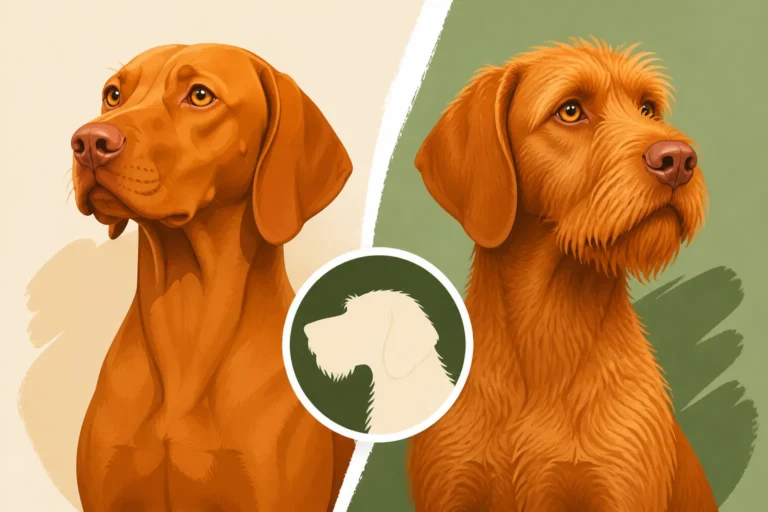
People commonly use “shorthair” to mean the German Shorthaired Pointer. Compared with a typical Shorthair, a Vizsla may look finer-boned, more slender through the body, and longer in the leg. That impression can make the Vizsla seem taller or more delicate even when the dogs are close in shoulder height.
But there is no simple rule that every Vizsla has longer legs than every German Shorthaired Pointer. The breeds’ heights overlap, and individual dogs vary. A tall Vizsla can stand beside a shorter Shorthair and appear especially rangy; a compact Vizsla beside a large, leggy Shorthair may look less so. Sex, age, conditioning, and breeding lines all influence the comparison.
It helps to separate three questions that often get bundled together: Is one dog taller at the shoulder? Does one have more leg relative to body length? And does one look lighter or more refined? A Vizsla may appear leggier because of its narrower frame and lighter bone, even if its measured height is similar.
For a broader look at the dogs’ working style and general differences, see The Vizsla Against the German Shorthaired Pointer. Their shared athletic outline can be misleading: similar height does not mean identical proportions, weight, or overall substance.
What the breed standards and body shape can tell you
Breed standards describe a range of height rather than a single ideal measurement. Vizslas and German Shorthaired Pointers both fall within broadly overlapping height ranges, so height alone is not a reliable way to decide which breed is “leggier.” A dog’s height is measured at the withers, the top of the shoulder, not at the head.
The more useful comparison is proportion. Look at how much of the dog’s visible outline is leg, how deep the chest appears, and how long the body looks from shoulder to hindquarters. A Vizsla’s sleek frame and fine bone can make its limbs seem more prominent. A Shorthair may look more substantial through the chest and muscle, so its legs can seem less conspicuous despite being long and athletic.
These are tendencies, not guarantees. A field-bred Shorthair can be lean and rangy, while a heavier-built Vizsla may look less delicate than people expect. If you are comparing dogs in person, try to see them standing naturally on level ground rather than leaning, stretching, or moving. The Whether Field Vizslas Look Different guide also helps explain why dogs of the same breed can have noticeably different outlines.
Why a Vizsla’s legs can look longer
Fine bone, a tucked-up outline, and a deep chest
A Vizsla’s leggy appearance is partly an effect of contrast. The breed is known for an athletic, streamlined outline, and a narrow waist behind the rib cage can make the legs look longer. A deep chest also changes the visible balance between the torso and limbs: the dog may have a substantial chest but still look lightly built overall.
Bone matters, too. “Fine-boned” does not mean fragile or weak; it describes a more refined frame compared with a heavier, broader dog. When a dog has long limbs, a slender body, and less visual bulk around the shoulders, your eye tends to read it as especially tall and rangy. That is why a Vizsla can look taller than a sturdier dog whose shoulder measurement is similar.
Muscle condition changes the picture. A fit, active Vizsla may have clear athletic muscle without looking bulky. A dog that has lost muscle or is naturally very lean can look even leggier, while a well-conditioned Shorthair may seem more solid through the shoulders and hindquarters. For context on appropriate body shape, What a Vizsla Actually Weighs and Whether a Vizsla Looks Underweight When It Is Not are useful companions to a visual comparison.
Age and line can change the silhouette
Young dogs often go through an awkward-looking stage as they grow. A puppy or adolescent may gain height before its body fills out, leaving it temporarily long-legged and narrow. That phase can make an owner wonder whether the dog is underweight or unusually proportioned, especially when the ribs and waist are more noticeable than they will be later.
Adult dogs can continue to develop muscle and substance after they have reached much of their height. Growth and filling out do not happen at exactly the same pace for every dog, and maturity varies. If your young Vizsla looks all legs, compare its overall condition over time rather than judging it from one week or one photo. The guide Whether a Vizsla Fills Out After Two discusses how an adult outline can continue to change.
Breeding lines also contribute to variation. A dog bred for field work may have a lighter, more athletic outline than a dog from lines selected with a different emphasis. Even within a litter, siblings may differ in height, bone, chest depth, and muscle. That does not automatically mean one is healthier or better built; it means breed type is not a single, identical silhouette.
How to compare a Vizsla and a Shorthair fairly
Measure rather than relying on photographs
Photos can exaggerate proportions. A dog standing closer to the camera may look larger; a low camera angle can make the legs seem longer; and a dog caught mid-stride may appear taller or more stretched than one standing square. Comparing pictures taken in different places, poses, or at different ages is especially unreliable.
For a more useful comparison, measure each dog at the shoulder while it is standing on a level surface. Use a soft measuring tape or a marked measuring stick, and keep the dog’s head in a neutral position. Then compare that measurement with body length, from the front of the shoulder to the rear of the body, rather than treating height as the whole story. Consistent measurements are more useful than trying to estimate proportions from a phone photo.
If you are measuring because you need a harness or coat, focus on the chest and body measurements as well as height. A tall, narrow Vizsla and a similarly tall, broader Shorthair may need very different fits. Chewy can be one place to check product size guides, but measure your dog and compare the actual garment or harness chart instead of selecting a size based on breed name alone. Fit varies by design.
| What you are comparing | What to check | Why it matters |
|---|---|---|
| Shoulder height | Measure at the withers while the dog stands naturally | Shows whether one dog is actually taller |
| Body proportions | Compare leg length with chest depth and body length | Helps explain a rangy or compact appearance |
| Frame | Look at bone, shoulder width, and overall build | A finer frame can make legs look longer |
| Condition | Assess muscle and body condition over time | Loss of muscle or excess leanness can change the outline |
| Equipment fit | Measure chest, neck, and body length against the product guide | Breed labels do not guarantee a comfortable fit |
Compare dogs of similar age and condition
A fair comparison is between dogs of similar maturity and fitness. Comparing a young, narrow Vizsla with a fully muscled adult Shorthair can make the Vizsla seem dramatically leggier, even when the difference is mainly age and condition. Likewise, a fit field dog may look quite different from a companion dog that gets less structured exercise.
Try to watch both dogs walk and stand. Movement can show whether the legs look long in proportion to the torso, but it also reveals whether the dog is moving comfortably and evenly. A dog that is limping, stiff, or reluctant to bear weight should not be assessed as a simple matter of breed shape; those signs call for veterinary attention.
If you are comparing breeds before choosing a dog, meet adults where possible and ask about their parents’ size and build. A breeder or rescue may be able to describe whether the dog tends toward a lighter, rangier frame or a more substantial one. The overview How Big a Vizsla Gets can help set expectations, but it cannot predict the exact shape of an individual dog.
When a leggy appearance is normal and when to look closer
A lean outline is not automatically a health problem
Vizslas are athletic dogs, and a naturally slender outline can be normal. Many owners worry when they can see a waist or feel ribs, but body condition is not judged by appearance alone. A dog’s age, muscle, coat, posture, and recent activity all affect how its shape looks. The important question is whether the dog is maintaining a healthy condition and behaving normally, not whether it resembles a stockier breed.
Pay attention to changes. If your Vizsla has always been slim and energetic, eats normally, and maintains a consistent weight and muscle condition, its leggy build may simply be its individual type. If it is becoming thinner, losing muscle, eating less, or showing a sudden change in energy, arrange a veterinary check rather than assuming it is just a breed trait.
When tracking weight or body condition, use the same scale and similar conditions when practical, and note changes over time. If you are buying a home scale or other routine care supplies, Chewy may offer options to compare, but a clinic’s assessment is useful when you are unsure how to interpret the numbers. Weight alone cannot tell you whether a dog has appropriate muscle or body fat.
Get advice for sudden changes or discomfort
Legginess itself is not a diagnosis. A dog that appears newly narrow or unusually bony may have lost weight or muscle, and a dog that stands differently may be compensating for pain. Watch for reluctance to jump, shortened steps, repeated limping, trouble rising, or reduced interest in exercise. Those signs deserve attention, particularly in an active dog that regularly runs, hunts, or plays hard.
A persistent change in gait should be evaluated by a veterinarian. Avoid increasing exercise to “build the dog up” until you understand why its movement or body condition has changed. For dogs that work in the field, a routine check after activity can also help you notice cuts, soreness, or changes in how the dog bears weight. Chewy’s care and equipment listings may be useful for finding basic supplies, but they cannot replace an examination when a dog seems unwell.
In short, Vizslas often look leggier than German Shorthaired Pointers because they tend to appear finer-boned and more streamlined. That visual impression does not mean they are always taller or have longer legs by measurement. Compare mature dogs in similar condition, look at proportions as well as height, and treat a sudden change in your own dog’s shape or movement as a health question rather than a breed-style question.
Disclaimer
This article is for general informational purposes only and does not constitute professional advice. Laws, prices and regulations vary by location and change over time. Consult a qualified professional for guidance on your specific situation.