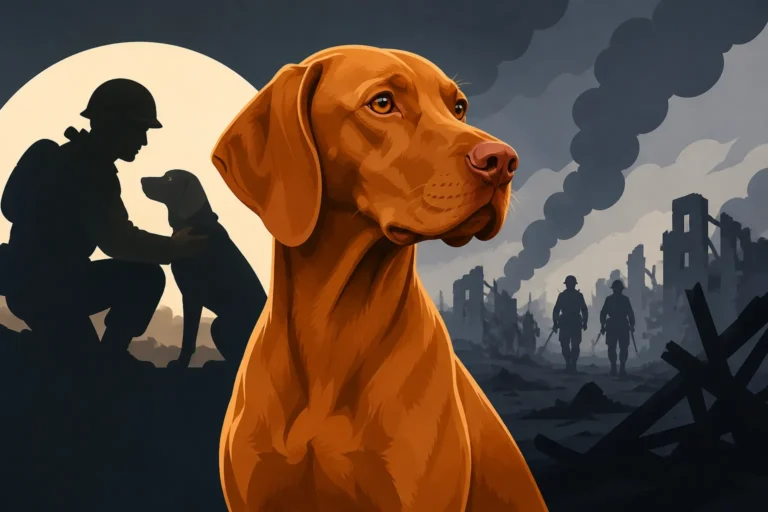
How Vizslas Reached America
It's quite something to think about how a dog breed, rooted deeply in the history and landscape of another continent, makes its way across oceans and borders to become a beloved fixture in homes far from its origin. For Vizsla enthusiasts and owners in America, this journey often feels shrouded in a bit of mystery. We look at our vibrant, affectionate red dogs and wonder about the path that brought them here. This guide will walk you through the fascinating and often dramatic story of how the Vizsla, the Hungarian Pointer, found its permanent home on American soil, tracing its lineage from ancient nobility to a cherished companion.
A Legacy Forged in Hungary: The Vizsla's European Roots
Before we can truly appreciate the Vizsla's arrival in America, we have to understand where it came from and what it endured in its homeland. This isn't just a story of migration; it's a tale of survival, dedication, and the passionate efforts of a few to keep a remarkable breed alive against immense odds.
Ancient Origins and Near Extinction
The Vizsla's story begins with the Magyar tribes, nomadic warriors who swept into the Carpathian Basin over a thousand years ago, bringing with them a hunting dog that would eventually evolve into the Vizsla we know today. These early dogs were vital companions, assisting their human counterparts in hunting game across the vast plains of Hungary. Fast-forward through centuries, and the Vizsla became the preferred hunting partner of Hungarian nobility, a symbol of status and skill. They were prized for their distinctive golden-rust coat, incredible scenting ability, and biddable nature.
However, despite their noble lineage and superb hunting prowess, the breed faced numerous existential threats. Throughout history, wars, political turmoil, and even changes in hunting practices severely depleted their numbers. By the late 19th and early 20th centuries, the Vizsla was teetering on the brink of extinction. Imagine a world where this magnificent dog almost vanished entirely – it's a somber thought for any of us who cherish our Vizslas today. The Vizsla Came Back From Extinction Twice delves deeper into these perilous times.
The Vizsla's Rebirth in the Early 20th Century
The desperate situation spurred dedicated Hungarian fanciers into action. They scoured the countryside for remaining purebred Vizslas, undertaking a painstaking effort to rebuild the breed from a dangerously small gene pool. This period, roughly from 1920 onwards, saw a conscious and determined movement to consolidate the breed, establish a standard, and ensure its survival. It was a race against time, a true labor of love from those who recognized the immense value of these dogs. Without their commitment, the Vizsla would undoubtedly be lost to history.
The individuals involved in this rebirth were heroes in their own right, piecing together the genetic puzzle from scattered remnants. They developed studbooks, organized breed clubs within Hungary, and tirelessly promoted the Vizsla as a national treasure. This foundational work was absolutely critical, as it ensured there would even be Vizslas available to make the journey across the Atlantic in later decades. The Twelve Dogs the Vizsla Was Rebuilt From in 1900 offers a glimpse into the incredible challenge they faced.
Escaping the Iron Curtain: A Post-War Exodus
Just as the Vizsla breed was stabilizing after its early 20th-century revival, another, even more devastating geopolitical upheaval threatened its existence once again: World War II and the subsequent Soviet occupation of Hungary. Under Soviet rule, private ownership of hunting dogs, especially those associated with the former aristocracy, became politically suspect. The new regime saw these dogs as symbols of a bygone era, and many were either confiscated, neglected, or worse. Owning a Vizsla, once a point of pride, became a risk. Why the Soviets Were a Problem for the Vizsla explains the dangers faced by owners.
This oppressive environment led to a desperate, clandestine effort by loyal Vizsla owners to smuggle their beloved dogs out of Hungary. They foresaw that the breed's future, and indeed their own, lay beyond the Iron Curtain. These were incredibly brave acts, often carried out under the cover of darkness, facing immense personal danger. The dogs were often hidden in hay carts, disguised, or passed through sympathetic hands across national borders. These courageous acts of defiance are directly responsible for the Vizsla's presence in Western Europe and, eventually, in America.
The Pioneering Journey: Bringing the Vizsla to American Shores
The story of the Vizsla reaching America is not a single event, but a series of determined efforts by individuals who saw the potential and unique charm of this Hungarian breed. It's a testament to their foresight and dedication that these dogs found a new home across the Atlantic.
Early Arrivals and Unofficial Introductions
The very first Vizslas to arrive in the United States were likely brought over by returning servicemen after World War I, and certainly after World War II, who had encountered the breed while stationed in Europe. These were often individual dogs, cherished companions rather than part of a planned breeding program. They were perhaps unique curiosities in their new American neighborhoods, but their true significance lay in sparking interest and demonstrating the breed's exceptional qualities to a wider audience. These early introductions were vital, quietly paving the way for more organized efforts.
However, these early arrivals didn't immediately lead to widespread recognition or breeding programs. Without an established breed club or an official registry, their lineage was often undocumented, and their impact remained largely localized. They were whispers of a breed, hints of something special, but not yet a movement. The logistical challenges of importing animals across continents were considerable back then, making each individual dog's journey a small triumph in itself.
The Courageous Individuals Who Smuggled Vizslas Out
The post-World War II period saw the most significant influx of Vizslas into the United States, driven largely by the efforts of Hungarian refugees fleeing Soviet occupation. These individuals, often carrying little more than their hopes and their precious dogs, undertook incredible risks to bring their Vizslas to freedom. A notable example, and one often cited in the breed's history, is the story of Panni XV. This famous Vizsla bitch was smuggled out of Hungary by a devoted owner and became a cornerstone of the breed's re-establishment in the West. The Vizsla Named Panni XV Carried Out of Hungary gives more detail about this iconic dog.
These brave émigrés understood the historical and cultural significance of the Vizsla. For them, it wasn't just a dog; it was a living piece of Hungarian heritage. They wanted to ensure that this noble hunting companion, so intertwined with their national identity, would continue to thrive in a free land. These personal sacrifices and the clandestine operations that brought them to safety are what truly seeded the American Vizsla population. Imagine leaving everything behind, but clinging to the hope of a better future for yourself and your dog, knowing full well the dangers involved.
Establishing the First Vizslas in North America
Once these precious dogs arrived, often weary but safe, the work began to establish them. The challenges were immense: identifying suitable breeding pairs from a limited gene pool, avoiding inbreeding, and finding others who shared their passion for the breed. This was not a simple task of buying a puppy; it was about laying the groundwork for an entire breed's future. The initial breeding stock often came from varied sources, some directly from Hungary, others from Canada, where a few Vizslas had also begun to arrive.
Early Vizsla enthusiasts quickly recognized the need for organization. They started communicating, sharing information, and working collaboratively to pool their resources and knowledge. These informal networks eventually blossomed into the formal structures needed to protect and promote the breed. The dedication of these pioneers, often driven by nostalgia for their homeland and a deep love for the Vizsla, ensured that the breed gained a foothold, setting the stage for its eventual recognition.
Formal Recognition and Breed Club Foundation
For any breed to truly flourish in a new country, it needs more than just a few individuals and dogs; it requires structure, standards, and official recognition. This phase of the Vizsla's American journey was about building that foundation.
The Vizsla Club of America's Crucial Role
As more Vizslas arrived and breeding efforts slowly gained momentum, it became clear that a dedicated organization was essential. In 1953, the Vizsla Club of America (VCA) was officially formed. This was a monumental step. The VCA's primary goals were to promote responsible breeding, preserve the breed's unique characteristics and hunting abilities, and educate the public about the Vizsla. It provided a crucial platform for owners and breeders to connect, share best practices, and work towards a common vision.
The VCA played an invaluable role in unifying the disparate early lines and ensuring a consistent standard for the breed. They organized events, developed guidelines for health testing, and fostered a strong community. Without such a dedicated group, the breed's development in the US could have been far more chaotic and inconsistent. The club became the guardian of the Vizsla's future in America, a beacon for all who admired the breed. The Year the Vizsla Club of America Formed marks this important milestone.
Gaining AKC Recognition
One of the VCA's most significant achievements was securing official recognition from the American Kennel Club (AKC). This was not an overnight process. It involved demonstrating a sufficient population of purebred Vizslas, adherence to a defined breed standard, and a clear history of stable breeding practices. The VCA worked tirelessly, submitting extensive documentation and presenting their dogs to the AKC for evaluation. This recognition was the ultimate stamp of approval, signifying that the Vizsla was a legitimate and established breed in the United States.
In 1960, the AKC officially recognized the Vizsla and placed it in the Sporting Group. This was a game-changer. It opened doors for Vizslas to compete in conformation shows, obedience trials, and crucially, AKC-sanctioned field trials and hunt tests, which are vital for preserving their working instincts. This recognition brought the breed into the mainstream of American dogdom, increasing its visibility and desirability among prospective owners.
Documenting the Breed and Building a Registry
With AKC recognition came the establishment of an official registry for Vizslas in America. This meant that every registered Vizsla had a traceable pedigree, allowing breeders to make informed decisions about pairings, track health issues, and maintain the integrity of the breed lines. Before this, tracking lineage was often a patchwork effort, relying on individual records and memories. The registry provided a robust, centralized system.
The meticulous documentation that followed was paramount. It helped in preventing excessive inbreeding, identifying potential genetic health concerns, and ensuring that the breed developed soundly both in terms of health and temperament. This systematic approach, spearheaded by the VCA and supported by the AKC, cemented the Vizsla's place in American canine history and laid the groundwork for future generations of these wonderful dogs.
Here's a quick look at the journey's timeline:
| Event | Approximate Timeframe | Significance |
|---|---|---|
| Magyar Arrival in Carpathian Basin | ~9th Century | Introduction of Vizsla ancestors to Hungary. |
| Near Extinction and Early Rebuild Efforts | Late 19th – Early 20th Century | Dedicated Hungarians save the breed from vanishing. |
| World War II & Soviet Occupation | Mid-20th Century | Renewed threat to the breed, spurring smuggling efforts. |
| First Significant US Arrivals | Post-WWII (1940s-1950s) | Hungarian refugees and servicemen bring Vizslas to America. |
| Vizsla Club of America (VCA) Founded | 1953 | Organization formed to protect and promote the breed in the US. |
| AKC Recognition | 1960 | Official acceptance into the American Kennel Club, opening doors for competition and widespread adoption. |
The Vizsla's Enduring Popularity and Modern Status in America
From a small, struggling population, the Vizsla has blossomed into a popular and recognizable breed across America, maintaining its strong heritage while adapting to modern living.
From Niche Hunter to Beloved Family Companion
Initially, Vizslas in America were almost exclusively owned by dedicated hunters and field trial enthusiasts. Their incredible bird sense, stamina, and natural pointing ability made them exceptional partners in the field. They were, and still are, true versatile hunting dogs, capable of pointing, retrieving, and working both land and water. This reputation as a top-tier sporting dog quickly spread through hunting circles.
However, it didn't take long for people to realize that the Vizsla's charm extended far beyond its hunting prowess. Their affectionate, "Velcro" nature, intelligence, and striking appearance made them incredibly appealing family companions. They thrive on human connection, often described as "living in your pocket." This strong bond and their joyful, energetic personalities quickly endeared them to non-hunting families looking for an active, devoted dog. You'll find plenty of stories about this unique bond in articles like Why They Call It a Velcro Vizsla or The Vizsla That Sits On You Rather Than Beside You. Many modern Vizsla owners today rely on reputable brands like Chewy for their pet food and supply needs, ensuring their active dogs receive proper nutrition and enrichment, whether they hunt or not.
The Impact of American Breeding on the Vizsla Standard
As the Vizsla population grew in America, American breeders began to contribute significantly to the breed's development. While always adhering to the core Hungarian standard, there was a focus on breeding for sound temperament, health, and conformation suitable for both the show ring and the field. The American system often encourages a "dual-purpose" Vizsla – one that can excel both as a working gun dog and as a beautiful show dog. This approach has helped maintain the breed's athleticism and intelligence while enhancing its overall appearance and health.
The ongoing efforts of American breeders to health test their dogs, participate in genetic screenings, and share information have been crucial. Conditions like hip and elbow dysplasia, eye diseases, and certain autoimmune issues are diligently monitored, striving to produce healthier generations. Organizations like the Orthopedic Foundation for Animals (OFA) and Canine Health Information Center (CHIC) provide valuable resources for breeders, ensuring that the health of the Vizsla remains a top priority. A breeder showing a Whether a Vizsla Breeder Should Show a CHIC Number is a good sign of their commitment.
Where the Vizsla Stands Today
Today, the Vizsla is a well-established and much-loved breed across the United States. They are a familiar sight in dog parks, on hiking trails, and of course, still very much cherished in hunting blinds and fields. Their unique combination of elegance, energy, and unwavering loyalty has secured their place as one of America's favorite sporting breeds and family pets. You'll find them competing successfully in a wide range of dog sports, from agility and obedience to scent work and dock diving, showcasing their incredible versatility.
The breed's journey to America is a powerful narrative of resilience, human dedication, and the undeniable appeal of these magnificent dogs. Every time you see a Vizsla, remember the long road it traveled, the dangers it faced, and the courageous individuals who made its presence in America possible. And when you're stocking up on high-quality dog food or durable toys for your Vizsla, places like Chewy are a testament to how far the breed has come, from a clandestine escapee to a widely celebrated companion with easily accessible care.
Disclaimer
This article is for general informational purposes only and does not constitute professional advice. Laws, prices and regulations vary by location and change over time. Consult a qualified professional for guidance on your specific situation.