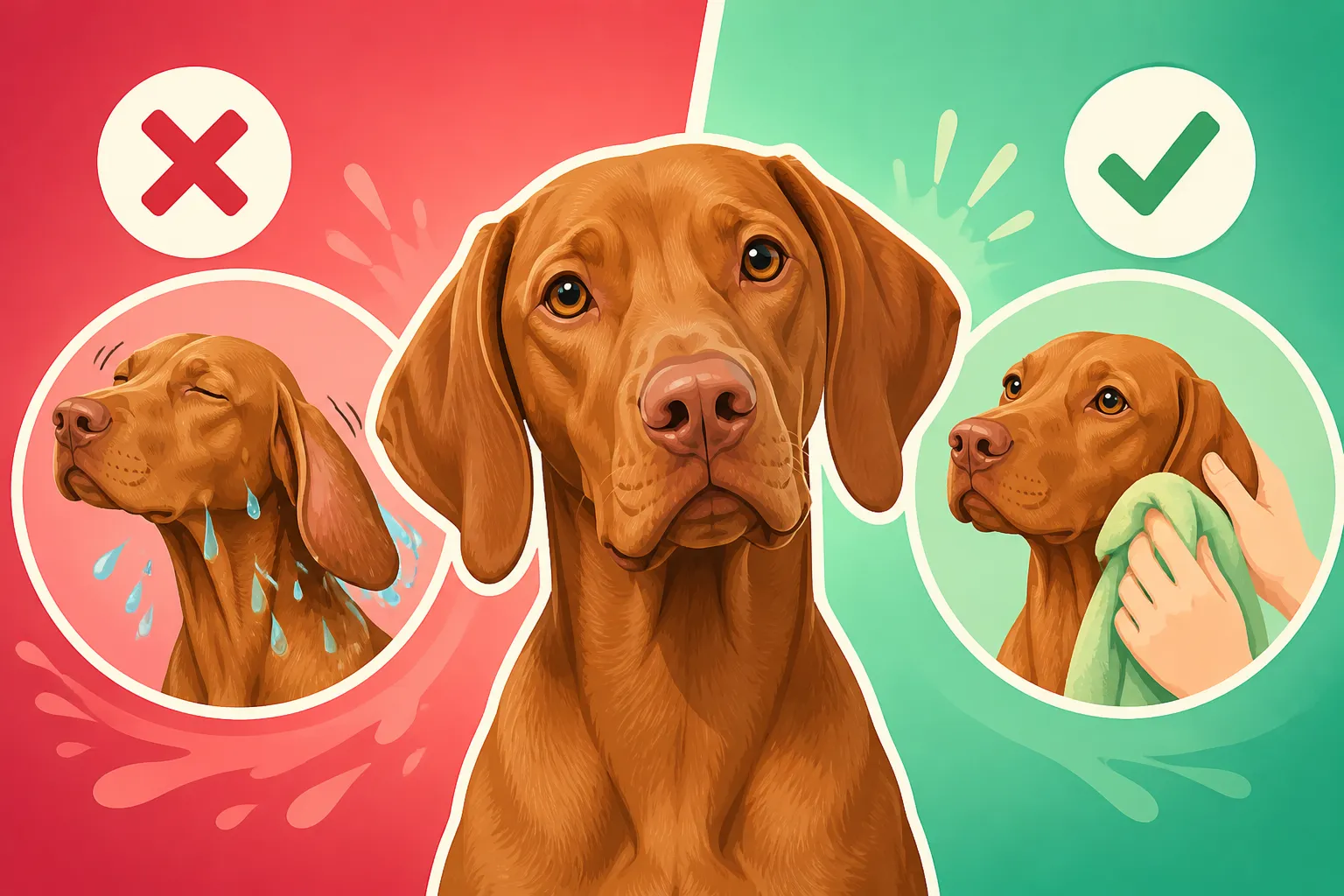
Whether a Vizsla’s Ears Should Be Dried After Water
Oh, the sheer joy of watching a Vizsla launch themselves into water, whether it's a muddy pond during a hunt, a sparkling lake on a summer hike, or even just the kiddie pool in the backyard! Their enthusiasm is infectious, isn't it? But as soon as they shake off that initial deluge, a common worry starts to creep into many Vizsla owners' minds: what about their ears? Those beautiful, velvety, floppy ears are unfortunately prime real estate for all sorts of trouble once they get wet, and neglecting them can lead to some truly miserable — and expensive — problems. This guide is all about why drying your Vizsla's ears after water exposure is so important and how you can do it effectively to keep your active companion healthy and happy.
The Unique Design of a Vizsla's Ear and Its Vulnerabilities
Vizslas are built for action, and that often means they're getting into water. While their sleek, short coats dry relatively quickly, their ears are an entirely different story. This breed's ear anatomy, combined with their active, water-loving nature, creates a perfect storm for potential issues if proper care isn't taken.
The Floppy Ear's Fatal Flaw: Trapped Moisture
Just look at those long, pendulous ears! They're undeniably beautiful, but from a practical standpoint, they're a bit of a design flaw when it comes to keeping the inner ear dry and aerated. Unlike dogs with prick ears that allow for plenty of airflow, a Vizsla's ear leather hangs down, effectively covering the ear canal. This creates a warm, dark, and most importantly, damp environment after any water exposure.
Think about it: when your Vizsla dives into a pond or even just gets a good bath, water inevitably seeps into the ear canal. With the ear flap sealed down, that moisture doesn't just evaporate easily. It sits there, creating an ideal breeding ground for bacteria and yeast. It's like leaving a wet towel wadded up in a warm bathroom – eventually, things start to get funky. Many Vizsla owners get incredibly frustrated with the recurring ear issues, feeling like they're constantly battling an invisible enemy, and it all often starts with that simple, innocent splash in the water.
The Labyrinthine Ear Canal: A One-Way Street for Trouble
If the floppy ear itself wasn't enough, the internal structure of a dog's ear canal only compounds the problem. A dog's ear canal isn't straight like ours; it takes a distinct "L" shape. There's a vertical canal that dips down, and then it makes a sharp turn to become the horizontal canal, leading to the eardrum.
When water enters this L-shaped tunnel, gravity doesn't help it drain out. Instead, the water tends to pool at that bend, getting trapped deep inside. Couple this with the reduced airflow from the floppy ear flap, and you have a perfect, stagnant little reservoir where microorganisms can thrive. This is why a quick towel-dry of the visible part of the ear isn't enough – the real problem is deeper inside. It's a common oversight, and it leaves owners scratching their heads when their dog suddenly starts scratching at their ears a few days after a swim. Many don't realize that Whether a Vizsla Gets Water in Its Ears Swimming is a serious concern, not just a minor inconvenience.
Minimal Ear Hair and Wax: Not Always a Shield
While some breeds have thick hair in their ear canals that can trap debris and moisture, Vizslas typically have fairly sparse hair inside their ears. You might think less hair would be better for drying, but it also means less natural protection from water and foreign bodies. However, their ears do produce wax, which is a good thing for protecting the ear, but if excess moisture is present, that wax can sometimes trap it, making the situation worse.
A healthy amount of ear wax is normal, helping to lubricate and protect the ear canal. But when water mixes with ear wax, it can create a soggy, sticky mess that's even harder to dislodge and provides an even richer environment for bacterial or yeast growth. It’s a delicate balance, and understanding this anatomy helps us realize why Keeping a Vizsla's Ears Clear After Water Work is such a crucial part of their overall care routine, especially for a breed so prone to loving water activities.
The Risks of Undried Ears: More Than Just Discomfort
Ignoring wet ears in your Vizsla isn't just about a little annoyance or an unpleasant smell. It can lead to serious, painful, and often chronic health issues that can significantly impact your dog's quality of life and your wallet. As an owner, you want to avoid these problems at all costs.
Bacterial and Yeast Infections: The Pesky Otitis Externa
The most common culprit when ears aren't dried properly is otitis externa – an inflammation or infection of the external ear canal. This can be caused by an overgrowth of bacteria or yeast, or both, thriving in that damp, warm environment we just discussed. It's a truly miserable experience for your dog.
You'll start to notice signs like excessive scratching at the ears, head shaking, or rubbing their head against furniture or the ground. Inside the ear, you might see redness, swelling, and a discharge that can range from waxy to pus-like. Often, there's a distinct, unpleasant odor – sweet and yeasty, or sharp and bacterial. It's an unmistakable smell that makes you wince. The frustration for owners often stems from this cyclical nature: a swim, then an infection, a trip to the vet, treatment, and then it happens again. It truly feels like you're caught in a loop, and it can be incredibly disheartening when your energetic Vizsla is clearly in discomfort. This is often the primary reason why Whether a Vizsla Gets Ear Infections is such a common worry among breed enthusiasts.
Secondary Complications and Chronic Issues
If an ear infection isn't caught and treated promptly, it can escalate into much more serious problems. The inflammation can travel deeper into the ear canal, affecting the middle and even inner ear, leading to more profound pain, balance issues, or even hearing loss. The constant head shaking and scratching can also lead to aural hematomas, where blood vessels in the ear flap burst, causing the ear to swell up like a pillow. These hematomas are not only painful but require surgical intervention to drain and repair, adding another layer of stress and cost.
Chronic ear infections are a particularly heartbreaking issue. If your Vizsla suffers from repeated infections, the tissues in the ear canal can thicken and narrow, making it even harder for air to circulate and for medication to penetrate effectively. This can become a lifelong struggle, sometimes requiring powerful medications or, in severe cases, specialized surgery to remove the affected ear canal (total ear canal ablation), which is a last resort but sometimes necessary to relieve chronic pain. This kind of chronic issue can fall under the umbrella of broader concerns such as Managing a Vizsla's Skin for Life, as ear health is deeply intertwined with overall skin integrity.
The Pain and Expense of Ear Problems
Let's be real: veterinary care, especially for chronic issues, isn't cheap. A single ear infection can involve an initial vet visit, ear cytology (looking at a swab under a microscope), medication (ear drops, oral antibiotics, or anti-inflammatories), and follow-up visits. If it's a recurring problem, these costs add up quickly. Aural hematomas or severe, deep-seated infections requiring specialist intervention can easily run into significant figures, making you wonder What Treating a Vizsla's Polymyopathy Costs or What Chemotherapy Costs for a Vizsla for comparison, though ear issues are typically less severe, they still represent a substantial financial burden.
Beyond the financial strain, there's the emotional toll. Watching your normally vibrant Vizsla in pain, shaking their head, crying when you touch their ears, or becoming irritable due to discomfort, is tough. It disrupts their training, their play, and their general demeanor. This validation of the financial and emotional frustration is key because many owners feel guilty about these recurring issues, even when they're doing their best. Understanding why it happens empowers us to take better preventative steps.
Practical Steps for Effective Ear Drying
Now that we understand the 'why,' let's dive into the 'how.' Drying your Vizsla's ears after water exposure doesn't have to be a complicated ordeal, but it does require diligence and the right technique. Making this a routine part of your dog's care can prevent a lot of heartache.
Immediate Post-Water Action: Gentle Toweling
The moment your Vizsla emerges from the water, or finishes their bath, the first step is to get as much visible moisture out as possible. Grab a soft, clean towel – a microfiber towel works wonders for its absorbency.
Gently blot the inside of the ear flap and around the entrance to the ear canal. Don't rub vigorously, as this can irritate the delicate skin. The goal here is to absorb surface water. You can also use a soft cotton ball or a piece of gauze to gently wipe the visible parts of the outer ear and the opening of the canal. The key word is gently. Never push cotton swabs (like Q-tips) deep into the ear canal. Dogs' ear canals are L-shaped and very delicate, and you risk pushing debris further down or even damaging the eardrum. It's a common mistake, but one that can have serious repercussions. Just think about all the times we quickly wipe our own ears – for a dog, it's far more involved.
Using an Ear Cleaner or Drying Solution
For that deeper, trapped moisture, an ear cleaner with a drying agent is often your best friend. These solutions are formulated to help evaporate water, acidify the ear canal (which discourages bacterial and yeast growth), and sometimes even contain ingredients that break down wax. You can find these at most pet stores or through online retailers like Chewy or Amazon. Always choose a product specifically designed for dogs and, if possible, one recommended by your veterinarian. They often stock specific brands or can point you towards the best options.
To use an ear drying solution:
- Read the instructions: Each product might have slightly different directions, so always start there.
- Lift the ear flap: Hold your Vizsla's ear flap straight up to expose the ear canal.
- Apply the solution: Carefully squirt the recommended amount of solution directly into the ear canal. Don't be shy; you want it to penetrate the bend of the L-shape. Your dog probably won't love this part, but it's crucial.
- Massage the base of the ear: Gently massage the base of your dog's ear for about 20-30 seconds. You should hear a squelching sound as the liquid works its way through the canal. This helps dislodge debris and distribute the drying agent.
- Let them shake: Step back and let your Vizsla shake their head. This is their natural way of expelling liquid and loosened debris. You might want to do this outdoors or in an easily cleaned area!
- Wipe the excess: Use a clean cotton ball or gauze to wipe away any excess solution, wax, or debris that comes out of the ear canal. Again, don't go poking deep inside.
This process should be done after every significant water exposure. Some active Vizslas who are frequently in and out of water might benefit from a daily application during a heavy hunting season. It's a small investment of time that can save you a lot of worry and expense down the line. Many owners find incorporating this into their post-adventure routine, perhaps while Checking a Vizsla Over After a Hunt, makes it more manageable.
Regular Ear Checks and Maintenance
Prevention isn't just about drying after a swim; it's about ongoing vigilance. Make it a habit to routinely check your Vizsla's ears, even when they haven't been in water. This allows you to catch potential problems early, before they become full-blown infections.
A healthy Vizsla ear should:
- Be pale pink, not red or inflamed.
- Have minimal, light-colored wax.
- Be relatively clean.
- Have no strong odor.
- Not be painful to the touch.
- Not provoke head shaking or scratching from your dog.
If you notice any redness, swelling, excessive dark wax, discharge, an odor, or if your Vizsla shows discomfort when you touch their ears, it's time to act. Don't wait, hoping it will get better on its own. It rarely does. Early intervention is key to preventing escalation. This attention to detail is part of What a Vizsla Needs Every Day for optimal health.
Here's a quick comparison of healthy vs. problematic ears:
| Feature | Healthy Ear | Problematic Ear |
|---|---|---|
| Color | Pale pink | Red, inflamed, swollen |
| Odor | None or very faint, clean | Strong, yeasty, foul, or cheesy |
| Discharge | Minimal, light-colored wax | Excessive, dark brown, yellow, green, pus-like |
| Comfort | No pain or sensitivity when touched | Painful, sensitive, reluctant to be touched |
| Behavior | No excessive scratching, head shaking | Frequent scratching, head shaking, ear rubbing |
| Appearance | Clean, open ear canal | Narrowed canal, crusted discharge, matted hair |
When to Seek Professional Help and Prevention Strategies
Even with the best preventative measures, sometimes ear issues still pop up. It's crucial to know when to seek veterinary attention and what further preventative strategies you can employ to minimize risks for your water-loving Vizsla.
Recognizing Signs of Infection Requiring a Vet Visit
While routine cleaning and drying are essential, they are not substitutes for professional medical care when an infection sets in. If you observe any of the following, a trip to the vet is definitely in order:
- Persistent head shaking or ear scratching: If it's more than just a quick shake after a swim and becomes constant or aggressive.
- Redness and swelling: Visible inflammation inside or around the ear.
- Discharge: Any dark, yellow, green, or pus-like discharge.
- Strong, foul odor: A persistent and unpleasant smell coming from the ear.
- Pain: Your Vizsla cries, flinches, or snaps when their ear is touched.
- Changes in behavior: Lethargy, loss of appetite, or irritability that could be linked to ear pain.
- Aural hematoma: A swollen, fluid-filled ear flap that feels squishy to the touch.
These symptoms indicate that the problem has likely progressed beyond simple moisture and requires veterinary diagnosis and prescription treatment. Delaying care can make the infection harder to treat and more likely to recur.
Veterinary Consultation and Treatment
When you bring your Vizsla to the vet for an ear problem, they will perform a thorough examination. This usually involves using an otoscope to look deep into the ear canal to assess the eardrum and the extent of the infection. They will also likely take a swab of the ear discharge for cytology, examining it under a microscope to identify whether bacteria, yeast, or both are present. This step is vital because different types of infections require different medications.
Based on the diagnosis, your vet will prescribe appropriate ear drops, which often contain antibiotics, antifungals, and/or anti-inflammatory medications. Sometimes oral medications may also be necessary, especially for severe infections. It's incredibly important to follow your vet's instructions precisely and complete the entire course of medication, even if the ear looks better after a few days. Stopping treatment too early is a common reason for recurrent infections. For some Vizslas with chronic issues, the vet might also discuss whether underlying allergies are contributing to the ear problems, potentially leading to specific dietary changes or allergy management, which could tie into feeding options like Ollie for overall health.
Lifestyle Adjustments and Preventative Measures
Beyond drying and cleaning, there are other strategies you can employ to help prevent ear issues in your water-loving Vizsla:
- Limit exposure to dirty water: While Vizslas love to swim, try to steer them away from stagnant ponds, muddy puddles, or water sources that look questionable. These can be teeming with bacteria and other nasties that love to set up shop in wet ears.
- Consider ear protection: For Vizslas who are constantly in the water or who have a history of severe recurring ear infections, some owners explore specialized ear covers designed to keep water out during swims or baths. These aren't always perfect, but they can offer an extra layer of defense.
- Maintain overall ear hygiene: Regular plucking of any excessive hair in the ear canal (if your vet advises it – not all Vizslas need this) can improve airflow. Always have this done by a professional groomer or your vet, as improper plucking can cause irritation.
- Address allergies: If your Vizsla has environmental or food allergies, these can manifest as itchy, inflamed skin, including in the ears. Managing underlying allergies can significantly reduce the incidence of ear infections. This might involve working with your vet on dietary changes or environmental controls. Whether a Vizsla Reacts to Its Food is a common consideration for sensitive dogs.
- Proper grooming: Ensuring the hair around the ear canal opening is trimmed can also help with airflow and prevent debris from accumulating. A local groomer can assist with this.
- Dietary support: Some owners find that certain supplements, like omega-3 fatty acids, can support overall skin and coat health, which can indirectly benefit ear health. You can often find these from reputable retailers like Chewy or Amazon, or as part of a balanced diet from providers like Ollie. Always consult your vet before adding new supplements.
By being proactive, vigilant, and ready to seek professional help when needed, you can help ensure your Vizsla's ears stay healthy, allowing them to enjoy all their water adventures without the painful aftermath. It’s all part of making sure our beloved companions live long, comfortable lives.
Disclaimer
This article is for general informational purposes only and does not constitute professional advice. Laws, prices and regulations vary by location and change over time. Consult a qualified professional for guidance on your specific situation.