How Often a Vizsla’s Nails Need Cutting
It's a common dilemma for Vizsla owners: you know those beautiful, athletic paws need attention, but how often should you actually be cutting their nails? It’s not just about aesthetics; overgrown nails can cause real discomfort, impact their gait, and even lead to painful health issues for our active, sensitive companions. This guide will walk you through understanding your Vizsla's unique nail care needs, recognizing the signs it's time for a trim, and providing the best care to keep their paws healthy and happy.
Understanding the Vizsla's Unique Nail Needs
Vizslas are known for their elegant build and incredible athleticism, but sometimes we overlook the foundation of all that movement: their paws. Unlike some other breeds, a Vizsla's nails can grow surprisingly quickly, and their active lifestyle, paradoxically, doesn't always wear them down enough. It's a delicate balance to maintain, and understanding the basics of their paw anatomy and why regular trimming is so crucial is the first step to good nail health.
The Anatomy of a Vizsla's Paw and Quick
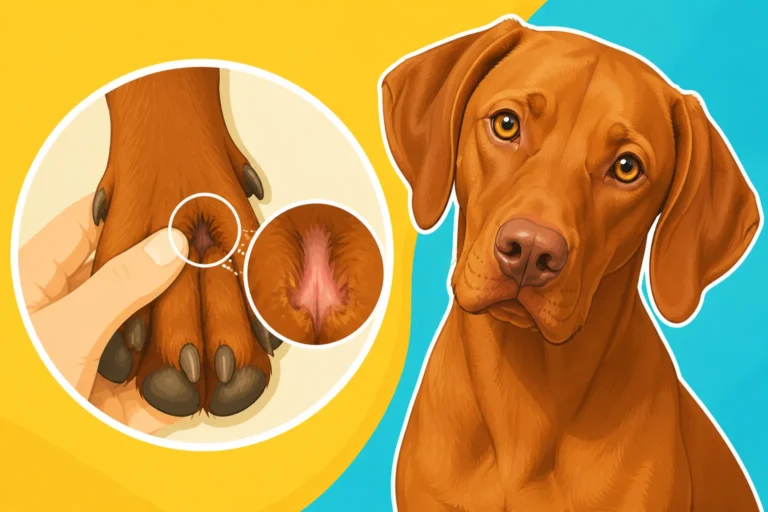
Your Vizsla's paw is a marvel of engineering, perfectly adapted for running, pointing, and navigating varied terrain. Each toe has a nail, and within that nail is something called the "quick." The quick is a living tissue, containing blood vessels and nerves, which makes it incredibly sensitive. If you cut into the quick, it’s not only painful for your dog but will also bleed. The tricky part is that the quick grows with the nail; if the nail gets too long, the quick extends further, making it harder to trim without causing discomfort.
Many Vizslas have nails that are a beautiful light amber or clear shade, which can be a blessing because it allows you to see the pink quick through the nail, making it easier to avoid. However, some Vizslas have darker, even black, nails where the quick is completely hidden. This requires a much more cautious approach, trimming off tiny slivers at a time until you can see the white or gray center of the nail, which indicates you're close to the quick. Regardless of nail color, understanding this internal structure is key to confident and pain-free trimming.
Why Regular Trimming is Crucial for Vizsla Health
Ignoring your Vizsla's nails is like asking a marathon runner to compete in shoes that are too small. Long nails are more than just an inconvenience; they can lead to a cascade of health problems. When nails are too long, they push back into the nail bed, causing pain and pressure with every step. This discomfort can lead your Vizsla to shift their weight, altering their natural gait and potentially putting undue stress on their joints. Over time, this unnatural posture can contribute to issues like splayed toes, arthritis, and even worsen conditions like Hip Dysplasia in a Vizsla, which is already a concern for the breed.
Furthermore, overly long nails are more prone to snagging, splitting, or tearing, especially when your Vizsla is out exploring or working in the field. A torn nail is incredibly painful, often bleeds profusely, and usually requires a trip to the vet. By keeping their nails at a proper length, you're not just preventing immediate pain but also safeguarding their long-term orthopedic health and ensuring they can continue to enjoy their active life without unnecessary strain or injury.
The Impact of Activity on Nail Wear
It's tempting to think that because Vizslas are such active dogs, their nails will naturally wear down to a healthy length. While true for some dogs, and certainly, a Vizsla's lifestyle plays a huge role, it's not always a guarantee. The type of activity and the surfaces they encounter make a significant difference in how much natural abrasion their nails receive.
How a Working Vizsla's Nails Wear Naturally
A Vizsla truly living up to its heritage as a Hungarian hunting dog, spending hours a day out in fields, forests, and across various terrains, will likely have naturally shorter nails than a house pet. The constant contact with rough surfaces like gravel paths, concrete sidewalks, rocky trails, and hard-packed earth acts like a natural file. Think of a Vizsla tirelessly quartering a field, digging for a scent, or splashing through streams – these activities provide excellent wear. For these working dogs, nail trims might be less frequent, maybe every few weeks or even once a month, as their adventures do a lot of the work for you.
However, even a heavily worked Vizsla isn't entirely off the hook. Dewclaws, if present, rarely touch the ground and will still require regular trimming. Also, the inner nails on each paw often experience less direct abrasion than the outer ones, meaning they can sometimes grow longer even in active dogs. Checking a Vizsla Over After a Hunt should always include a quick paw check to ensure all nails are in good shape and haven't sustained any damage from the terrain.
When a Pet Vizsla's Nails Need More Attention
For Vizslas who primarily live as cherished family companions, their nail care routine often needs more direct intervention from you. If your Vizsla's daily exercise consists mainly of romping in a grassy backyard, soft dirt trails, or walks on paved sidewalks that aren't quite enough to grind down their tough nails, then natural wear will be minimal. Many urban and suburban Vizslas spend a lot of time indoors on carpet, hardwood floors, or other smooth surfaces that offer no abrasive properties whatsoever.
In these scenarios, manual trimming becomes even more critical. These dogs might need their nails trimmed every 1-2 weeks, sometimes even more frequently, depending on their individual nail growth rate. It's not a reflection of how loved or active they are; it's simply a recognition that their environment isn't contributing to natural nail wear in the same way a hunting dog's might. Integrating nail trims into a consistent schedule, perhaps right after their daily The Two Hours a Vizsla Needs Before It Will Settle when they're a bit more relaxed, can make it less of a chore.
Recognizing When It's Time for a Trim
One of the biggest challenges for new Vizsla owners is simply knowing when to trim their dog's nails. There are clear indicators, both visual and auditory, that your Vizsla is ready for a pedicure. Learning to spot these signs will help you stay on top of their paw health and avoid the issues that come with overgrown nails.
The Tell-Tale Click and Visual Cues
The most common and easily recognizable sign that your Vizsla's nails are too long is "the click." If you hear their nails clicking on hard surfaces like tile, hardwood, or pavement as they walk across the room, it's a definite signal that they need a trim. In a perfectly trimmed nail, the paw pads should bear the weight, not the nail tips. When the nails are long enough to make contact with the ground, they effectively push the toes upwards, putting unnatural pressure on the paw.
Visually, when your Vizsla is standing naturally, their nails should not be touching the ground. You should be able to slide a piece of paper underneath them. If you can clearly see the tips of their nails splaying out or curving significantly, that's another strong indication. Look at the curve of the nail itself; if it's starting to curl under, especially the dewclaws which can grow in a full circle and pierce the paw pad, it's well past time for a trim.
Checking for Signs of Discomfort or Altered Gait
Sometimes, a Vizsla, being the stoic and eager-to-please dog they are, might not overtly show discomfort until the problem is significant. This is why it's essential to observe subtle behavioral and physical cues. If your Vizsla seems reluctant to jump, climb stairs, or even walk on certain surfaces they used to enjoy, long nails could be a contributing factor. They might also appear to be walking "gingerly" or on the very back of their paw pads to avoid putting pressure on their nails.
Another sign can be an altered gait – they might seem less coordinated, slightly clumsy, or their paws might splay out more than usual. When the nails are too long, they interfere with the natural grip and balance of the paw, making them less agile. Pay attention during your daily interactions: do they pull their paws away when you try to touch them? Are they licking or chewing at their paws more often? While these can be signs of other issues, combined with visual cues, they certainly point to overgrown nails and the discomfort they cause.
The Right Tools and Techniques for Vizsla Nail Care
Once you've determined it's time for a trim, having the right tools and knowing the proper technique can make all the difference. This process doesn't have to be a battle; with patience, practice, and the right equipment, you can make nail care a stress-free experience for both you and your Vizsla.
Choosing the Best Nail Clippers or Grinders
There are a few main types of tools for trimming dog nails, and what works best for your Vizsla might come down to personal preference and your dog's tolerance.
- Scissor-style Clippers: These are often favored by many owners for their ease of use and ability to make a quick, clean cut. Brands like Safari or Miller's Forge offer sturdy, sharp options. They're good for getting length off quickly, but require careful handling to avoid the quick, especially if your Vizsla has dark nails.
- Guillotine-style Clippers: These have a small hole where you insert the nail, and a blade slices it off when you squeeze the handle. While effective, some owners find them harder to maneuver, and they might be less suitable for very thick nails.
- Dremel or Rotary Grinder: Many Vizsla owners swear by grinders, and for good reason. These tools gradually file the nail down, allowing for much finer control and reducing the risk of cutting the quick. They also smooth the nail, preventing sharp edges. The downside is the noise and vibration, which some dogs find unsettling. If you go this route, consider a quiet, cordless model that you can find easily on Chewy or Amazon.
Regardless of your choice, always have styptic powder (like Kwik Stop) on hand. This magical powder will quickly stop bleeding if you accidentally nick the quick. It's a lifesaver for peace of mind.
Step-by-Step Trimming Guide for Your Vizsla
Getting the technique right is crucial. Remember, Vizslas are The Soft Vizsla That Shuts Down When You Raise Your Voice, so a gentle, positive approach is paramount.
- Preparation is Key: Find a quiet, well-lit space where you and your Vizsla can be comfortable. Gather your chosen clippers or grinder, styptic powder, and plenty of high-value treats. You can get excellent training treats from brands like Ollie, which are often irresistible.
- Get Comfortable: Sit with your Vizsla in a way that allows you easy access to their paws. Some prefer to have their dog lie down, others sit their dog in their lap, or even have a helper gently hold them.
- Inspect Each Paw: Before you start cutting, examine each nail. If your Vizsla has clear nails, identify the pink quick. For dark nails, look for the 'dot' or 'bullseye' in the center of the cut surface after taking off a tiny bit.
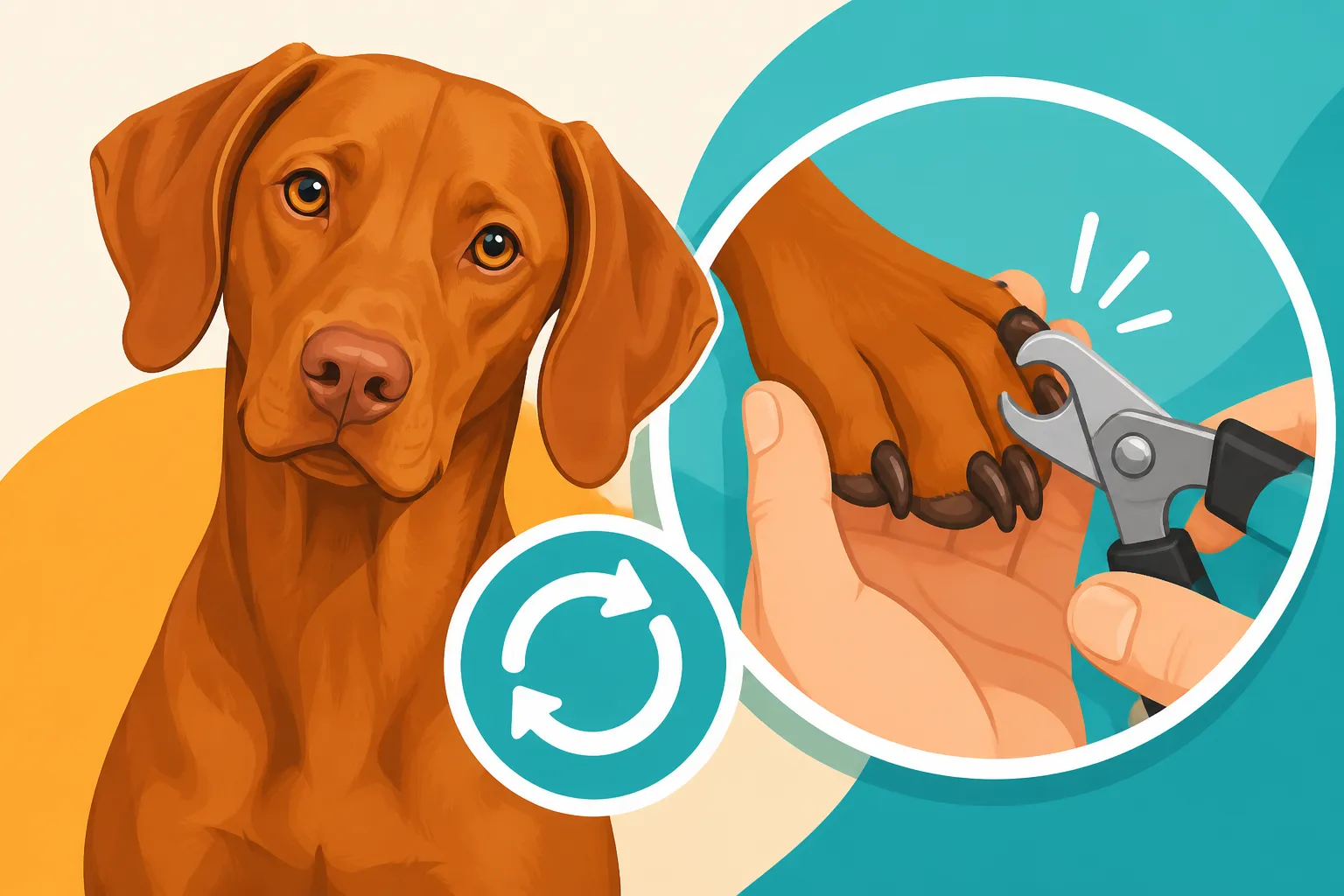
- The Cut (Clippers): Hold the paw firmly but gently. Isolate one nail and place the clippers just below the quick, aiming for a clean, swift cut. The goal is to trim only the tip, where it begins to curve. Don't take off too much at once. If your dog is nervous, just trim one or two nails per session and build up.
- The Grind (Grinder): If using a grinder, hold the paw and turn on the tool. Gently touch the rotating head to the tip of the nail, grinding a small amount at a time. Move quickly to avoid heat buildup, and focus on shaping the nail to a short, blunt tip. The Dremel method is excellent for getting the nails really short, gradually pushing the quick back over time with frequent, small trims.
- Positive Reinforcement: After each nail (or even just touching the paw), offer praise and a treat. Make it a positive, rewarding experience. If your dog gets stressed, take a break. It's better to do a few nails over several short sessions than to traumatize your dog trying to do all of them at once. Remember, What a Vizsla Will Work For is often food and praise!
| Method | Pros | Cons | Best For |
|---|---|---|---|
| Clippers | Quick and efficient. | Higher risk of cutting the quick. Can leave sharp edges. | Dogs with light nails, owners confident with technique. |
| Grinder | Less risk of cutting quick. Smooth finish. Gradual quick recession. | Noise/vibration can scare some dogs. Takes longer per nail. | Anxious dogs, dark-nailed dogs, precise shaping. |
Dealing with Difficult Vizslas and Nail Trimming Anxiety
Let's be honest, very few dogs love having their nails trimmed, and some Vizslas can develop a real aversion. This isn't surprising given their sensitive nature. If your Vizsla turns into a squirming, panicked mess at the sight of clippers, you're not alone. It's a common struggle, but one that can be overcome with patience, understanding, and the right approach.
Overcoming Fear and Resistance in Your Vizsla
The key to overcoming nail trimming anxiety in a Vizsla is desensitization and counter-conditioning, especially if you start early when they are a puppy. Begin by simply handling their paws frequently, gently squeezing their toes, and touching their nails, always pairing it with praise and high-value treats. Do this daily, without any tools present. Once they're comfortable with paw handling, introduce the clippers or grinder into the environment. Let them sniff it, place it on the floor nearby, and give treats. Don't actually use it yet.
Next, turn on the grinder or click the clippers nearby, offering treats immediately. The goal is to associate the sound and sight of the tool with something positive. Gradually work your way up to touching the tool to one nail, then trimming just the tiniest tip of one nail, always with treats and praise. Keep sessions very short, maybe only a minute or two, and end on a positive note. Remember, Vizslas are incredibly intelligent and sensitive; pushing them too hard will be counterproductive. They might get easily Whether a Vizsla Remembers a Bad Experience and become even more resistant. If you can only do one nail per session, that's perfectly fine. Consistency, calm energy, and positive reinforcement are your most powerful tools.
Seeking Professional Help for Challenging Cases
There are times when, despite your best efforts, your Vizsla's fear of nail trims is just too overwhelming for you to manage alone. This is absolutely nothing to be ashamed of. Sometimes, a neutral third party, like a professional groomer or veterinary technician, can make all the difference. They have experience with a wide range of temperaments and often possess the specialized skills and equipment to handle even the most reluctant dogs safely and efficiently. Many vet clinics offer "nail trim appointments" where a vet tech can quickly and expertly get the job done.
In extreme cases of anxiety, where your Vizsla becomes aggressive or truly phobic, your veterinarian might suggest mild sedatives to help facilitate stress-free nail trims. This isn't a long-term solution but can be a humane way to get overgrown nails under control and give you a fresh start with desensitization. Discuss these options with your vet; they can help formulate a plan that prioritizes your Vizsla's comfort and well-being. Don't let fear prevent your Vizsla from receiving this essential care.
Long-Term Nail Health and Preventative Measures
Nail trimming isn't just a one-off task; it's an ongoing commitment that's integral to your Vizsla's overall health and comfort. By establishing a routine and incorporating broader paw care, you can ensure their delicate paws remain in top condition for all their adventures.
Integrating Nail Care into Your Vizsla's Routine
Consistency is truly the secret weapon for long-term nail health. The more regularly you check and trim your Vizsla's nails, the easier and less stressful it becomes for everyone. Aim to check their nails at least once a week, even if it's just a quick visual inspection and a gentle squeeze of each toe. For many Vizslas, a trim every 1-2 weeks will maintain ideal length, especially if they aren't working extensively on abrasive surfaces. This frequent, small trim approach also helps the quick recede over time, allowing you to gradually achieve shorter, healthier nails.
Beyond the actual trim, consider incorporating other paw care practices. After walks or hunts, always inspect their paws for anything that might have gotten lodged between their pads or toes, such as Whether a Vizsla Gets Grass Seeds in Its Feet. You might also notice their paw pads becoming dry or cracked, especially in extreme weather; gentle application of a dog-safe paw balm can help. This regular handling not only keeps their paws healthy but also reinforces their comfort with you touching their feet, making future nail trims much simpler. It's all part of the holistic approach to Managing a Vizsla's Skin for Life and overall well-being.
The Role of Diet and Supplements in Nail Strength
While direct trimming frequency is the primary factor in nail length, the overall health and strength of your Vizsla's nails can be influenced by their diet and certain supplements. Healthy nails are less prone to splitting, breaking, or becoming brittle, which can make the trimming process easier and reduce the risk of injury. A high-quality, balanced diet provides the essential nutrients for strong, resilient nails, along with healthy skin and a shiny coat. Many premium dog food brands, like those found on Chewy or Ollie, are formulated to support overall health.
You might also consider supplements, especially those rich in Omega-3 fatty acids, like fish oil. These beneficial fats are renowned for supporting skin and coat health, and they can also contribute to stronger nails. Biotin is another supplement sometimes recommended for nail strength, though always consult your veterinarian before adding any new supplements to your Vizsla's regimen to ensure they are appropriate for their specific needs. These can often be found on platforms like Amazon with various options available. While supplements won't reduce how often you need to cut your Vizsla's nails, they can certainly improve the quality of those nails, making the entire paw care experience more positive for you and your cherished companion.
Disclaimer
This article is for general informational purposes only and does not constitute professional advice. Laws, prices and regulations vary by location and change over time. Consult a qualified professional for guidance on your specific situation.