How Much a Vizsla Sheds
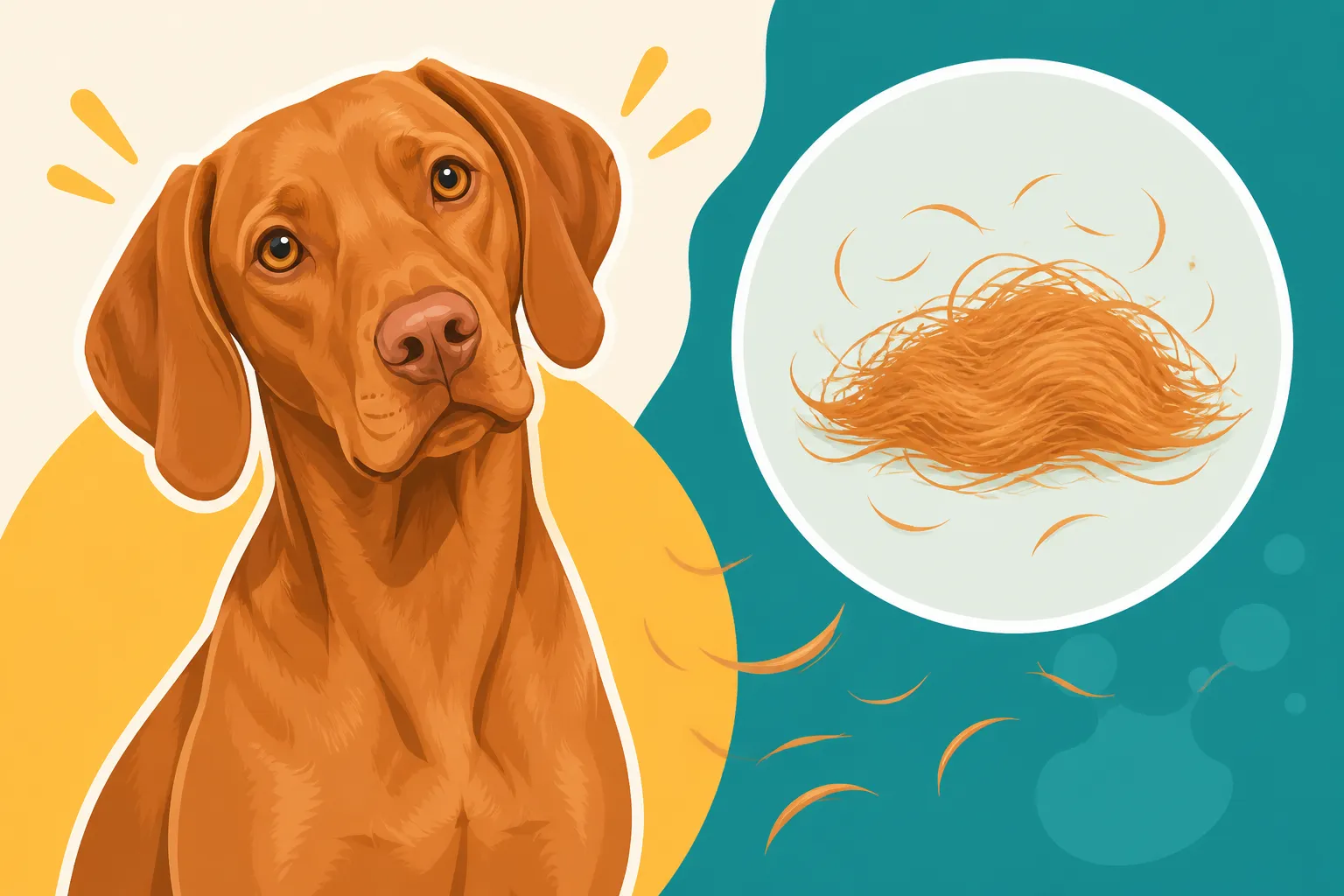
One of the most common surprises for new Vizsla owners, and even some long-time enthusiasts, is just how much these short-coated dogs actually shed. Many people assume that a short-haired dog means minimal hair around the house, but the reality can often be quite different, leaving you constantly reaching for the lint roller. This guide will dive deep into the unique shedding characteristics of the Vizsla, explore why their seemingly sleek coats can still leave a golden-rust dusting everywhere, and provide actionable strategies to manage the hair and keep both your home and your beloved companion looking their best.
Understanding the Vizsla's Unique Coat
The Vizsla's coat is one of its defining features – that beautiful, short, sleek golden-rust that practically glows in the sunlight. It feels like velvet, and many assume it's a low-maintenance, low-shedding dream. However, appearances can be deceiving, and what seems like a simple coat is actually quite distinct in its shedding habits.
The Single Coat Reality
Unlike many popular dog breeds, especially those built for colder climates or diverse weather conditions, the Vizsla possesses what's known as a single coat. This means they lack the dense, fluffy undercoat that breeds like German Shepherds, Labradors, or Huskies have. A single coat consists primarily of guard hairs, which are the visible, outer layer of hair that provides protection and gives the coat its texture and color.
Because they don't have this thick undercoat, many people wrongly assume that Vizslas don't shed much, or at all. The truth is, every dog with hair sheds; it’s a natural part of their hair growth cycle. With a Vizsla, the lack of an undercoat simply changes how they shed, not if they shed. You won't find large clumps of fluffy undercoat coming off in seasonal "blows" as you might with other breeds. Instead, you're dealing with individual, short, stiff hairs that detach frequently, leading to a constant, subtle shedding. This can be quite a shock if you've previously owned double-coated breeds and are used to distinct, heavy shedding seasons. The Single Coat a Vizsla Has and Why It Changes Everything delves deeper into the specifics of this unique coat.
Why Short Hair Doesn't Mean No Shed
It’s a common misconception that short-haired dogs don’t shed as much as their long-haired counterparts. While the visible volume of hair might be less, the frequency and pervasiveness of short hair can be just as, if not more, frustrating. Vizsla hairs are short, fine, and possess a slight stiffness. This combination means they easily embed themselves into fabrics – sofas, carpets, car seats, and especially anything woven or textured.
Unlike long hairs that might clump together or be more easily swept up, Vizsla hairs act almost like tiny needles, working their way into upholstery and becoming surprisingly difficult to remove. They're often too short to be picked up by a standard lint roller in one swipe, and they seem to weave themselves into the fibers of your clothing. This characteristic is precisely why many Vizsla owners joke about finding "Vizsla glitter" everywhere, long after their dog has left the room. The sheer persistence of these individual hairs can make you feel like you're in a constant battle against the shed, despite your best efforts.
The Golden-Rust Hair Everywhere Phenomenon
The striking golden-rust color of a Vizsla's coat is undeniably beautiful, but it also contributes significantly to the perception of shedding. On light-colored carpets or dark furniture, those short, vibrant hairs stand out dramatically. They create a stark contrast, making even a small amount of shed hair appear much more noticeable than it might be from a dog with a more neutral coat color.
Imagine having a dark brown sofa – every golden-rust hair that lands on it is like a little beacon. The same goes for light-colored clothes. It's a testament to the Vizsla's distinctive hue that its shed hair is so easily identifiable. This visual impact often leads owners to feel like their Vizsla sheds more than perhaps a similar short-haired breed with a less contrasting coat. You might not see the same volume as a Labrador's undercoat, but the sheer visibility of the Vizsla's shed means you're acutely aware of its presence, turning every surface into a canvas for their golden-rust "artwork." The topic of How Much Hair a Vizsla Leaves on Furniture is a real pain point for many owners because of this very reason.
Seasonal Shedding Versus Year-Round Loss
While Vizslas don't "blow coat" in the dramatic fashion of some double-coated breeds, it's a mistake to assume their shedding is perfectly consistent year-round. There are definite fluctuations, and understanding these patterns can help you anticipate and manage the influx of golden-rust hairs.
The "Blowing Coat" Misconception
When people talk about a dog "blowing coat," they're usually referring to breeds with a dense undercoat that sheds profusely in large clumps, typically twice a year with the changing seasons. Think of the fluffy tumbleweeds of hair you find with a Husky or a Golden Retriever during spring and fall. Vizslas simply do not do this. They lack that insulating undercoat, so there are no massive, seasonal "dumps" of fur.
However, this doesn't mean their shedding remains at a perfectly flat, low level all the time. Vizslas still experience an increased rate of hair turnover, especially as seasons change, albeit in a more subtle way. You might notice a slight uptick in shed hair during spring as they prepare for warmer weather, and again in the fall as their coat adjusts for the cooler months. It's not the dramatic event you'd see with a double-coated dog, but it's enough to be noticeable, turning your usual "some hair" into "a bit more hair." This seasonal shift is less about shedding an entire layer and more about the natural cycle of hair growth and replacement subtly accelerating or decelerating.
Factors Influencing Shedding Patterns
Beyond the general seasonal shifts, several individual factors can significantly influence how much your Vizsla sheds. Recognizing these can help you understand if an increase in shedding is normal or if it warrants a closer look.
Firstly, diet plays a massive role. A high-quality, nutritionally complete diet provides the building blocks for healthy skin and hair. If your Vizsla is on a poor-quality food lacking essential nutrients, you might notice a dull coat, dry skin, and increased shedding. Conversely, a diet rich in omega fatty acids can often lead to a noticeably healthier, less-shedding coat. Feeding a Vizsla That Burns Everything It Eats is a major consideration for these active dogs, and quality fuel affects more than just their energy.
Health issues are another big one. Any underlying medical condition, from allergies and skin infections to more serious systemic diseases like thyroid imbalance, can manifest as excessive shedding, a thinning coat, or bald patches. If you notice a sudden, dramatic increase in shedding, accompanied by skin irritation, lethargy, or changes in appetite, it's always worth a visit to the vet. Thyroid Failure in a Vizsla is a condition that can certainly impact coat health.
Stress and anxiety can also cause increased shedding. Just like humans might lose hair when stressed, dogs can too. A Vizsla suffering from separation anxiety, for example, might shed more during periods of stress. Hormonal changes are also a factor. Intact females often shed more noticeably around their heat cycles, and both males and females can experience coat changes after spaying or neutering. Finally, the environment – humidity levels, indoor heating, and sun exposure – can all subtly impact coat health and shedding rates.
Recognizing Abnormal Shedding
While some shedding is entirely normal for a Vizsla, there are definite red flags that suggest an underlying problem. It's important to differentiate between typical shedding and shedding that indicates a health concern.
You should be concerned if you notice:
- Excessive, sudden hair loss that isn't easily explained by a seasonal change.
- Bald patches or areas where the coat is noticeably thinning.
- Skin irritation such as redness, flakiness, scabs, or bumps accompanying the shedding.
- Constant scratching, licking, or chewing at the skin, which can indicate allergies or parasites.
- A dull, dry, or brittle coat texture.
- Any change in appetite, energy levels, or behavior alongside increased shedding.
If your Vizsla’s shedding seems extreme or is accompanied by any of these other symptoms, it's crucial to consult your veterinarian. They can help diagnose the root cause, which could range from simple dietary deficiencies or external parasites like fleas, to more complex conditions like autoimmune diseases or hormonal imbalances. Early intervention can often resolve these issues and restore your Vizsla's coat to its healthy, vibrant best, and more importantly, address any discomfort they might be experiencing. If you're Managing a Vizsla's Skin for Life, you'll be particularly attuned to these subtle changes.
Managing Vizsla Hair in Your Home
Living with a Vizsla means accepting a certain level of hair in your life, but that doesn't mean you have to surrender to a permanent state of golden-rust fluff. With a consistent routine and the right tools, you can significantly reduce the amount of hair floating around your home and clinging to your clothes.
Daily Brushing as a First Line of Defense
Regular brushing is arguably the single most effective way to manage Vizsla shedding. It doesn't stop the shedding cycle, but it proactively removes loose hairs before they have a chance to fall out onto your furniture and floors. Aim for a daily brushing session, even if it's just for five to ten minutes. This isn't just about hair removal; it's also a wonderful bonding experience for you and your Vizsla.
For a Vizsla's short coat, rubber curry brushes or grooming mitts are often ideal. These tools are designed to gently massage the skin, stimulating blood flow, and effectively lift loose hair from the short, sleek coat. A slicker brush or a deshedding tool like a Furminator might be too harsh for a Vizsla's sensitive skin and thin coat, but a fine-toothed rubber brush works wonders. A good quality grooming mitt can also double as a way to "wipe down" your dog and capture loose hairs after a run or playtime. Many excellent options are available on Amazon or Chewy, making it easy to find what works best for your dog. Remember to brush in the direction of hair growth, applying gentle pressure. You'll be amazed at how much hair comes off daily, preventing it from ending up on your sofa. How Often a Vizsla Needs Brushing is a popular question for new owners.
Bathing Routines and Products
While daily brushing is key, strategic bathing also plays an important role in shedding management. You don't want to over-bathe a Vizsla, as their delicate skin can dry out, potentially exacerbating shedding or causing irritation. However, a well-timed bath can help loosen and remove shedding hair, especially during periods of heavier turnover.
Aim for a bath every 4-6 weeks, or as needed if your Vizsla gets particularly dirty from their outdoor adventures. When bathing, use a high-quality, moisturizing dog shampoo designed for sensitive skin. Avoid harsh detergents or products with strong fragrances that can strip natural oils. A good quality shampoo can be found easily on Chewy or Amazon. After lathering, use a rubber curry brush during the bath to work the shampoo through the coat and gently encourage loose hairs to detach. Rinse thoroughly to ensure no residue is left behind, as this can irritate the skin. Finish with a good towel-drying, and consider using a dog-specific conditioner if your Vizsla's skin tends to be dry. This helps to hydrate the skin and keep the remaining hairs healthy and supple. For more on what to use, check out Which Shampoo Suits a Vizsla's Skin.
Household Cleaning Strategies
Even with the best brushing and bathing routine, some Vizsla hair will inevitably make its way into your home environment. Having a consistent cleaning strategy is essential to keep the golden-rust glitter under control.
- Vacuuming: Invest in a good quality vacuum cleaner, ideally one designed for pet hair, with strong suction and attachments that can tackle upholstery. Regular vacuuming, at least a few times a week, is crucial for floors and carpets.
- Furniture Covers: Consider washable slipcovers for sofas and chairs, or dedicated throws that you can easily toss in the laundry. This acts as a barrier, protecting your furniture and making cleanup much simpler.
- Lint Rollers: Keep lint rollers strategically placed around your home – near the front door, in your car, and in your laundry room. They are invaluable for quick touch-ups on clothes before you head out the door. You can find multi-packs on Amazon for convenience.
- Damp Cloths/Rubber Gloves: For stubborn hair embedded in upholstery, a slightly damp sponge or rubber glove can work wonders. Simply wipe your hand across the fabric, and the hair will often clump together, making it easier to pick up.
- Hard Floors: For homes with hard flooring, a good dust mop or electrostatic sweeper can pick up those errant hairs very effectively between vacuuming sessions.
Consistency is key here. Regular, proactive cleaning will prevent hair from building up and becoming an overwhelming task.
Nutritional Support for a Healthy Coat
When it comes to managing shedding, what goes into your Vizsla is just as important as what you do on the outside. Nutrition plays a fundamental role in the health of their skin and coat, directly impacting how much they shed and the quality of the hair they grow.
The Role of Quality Diet
Think of your Vizsla's coat as a reflection of their internal health. A healthy coat, one that sheds minimally and maintains its vibrant golden-rust sheen, starts with a premium diet. Cheap, filler-laden kibble might fill their belly, but it often lacks the high-quality protein, essential fats, and micronutrients necessary for robust hair growth and strong skin. When a dog isn't getting adequate nutrition, one of the first places it shows is in a dull, brittle coat and excessive shedding.
Look for dog foods with a named meat source as the first ingredient (e.g., "chicken meal," not "meat meal"). Ensure it contains a balanced blend of fats, particularly omega fatty acids. Some owners find that fresh food diets make a significant difference in coat quality and shedding. Brands like Ollie, which offer human-grade ingredients and balanced meal plans, can be excellent for promoting a healthy coat from the inside out. While fresh food might be a bigger investment, many owners report a noticeable reduction in shedding and an improved overall coat condition after making the switch. A well-nourished dog simply has healthier hair that holds onto the follicle better and sheds less frequently.
Essential Fatty Acids and Supplements
Beyond a high-quality base diet, certain supplements can further boost coat health and help reduce shedding, especially essential fatty acids. Omega-3 and Omega-6 fatty acids are crucial for skin barrier function and coat luster. Many commercial dog foods contain these, but often not in optimal ratios or sufficient quantities for a breed prone to dry skin or shedding concerns like the Vizsla.
Adding a fish oil supplement, rich in EPA and DHA omega-3s, can make a significant difference. You can find high-quality fish oil supplements for dogs, often derived from wild-caught salmon, on Chewy or Amazon. Always choose a product specifically formulated for pets to ensure proper dosage and purity. Flaxseed oil is another plant-based option for omega-3s, though it's not as bioavailable for dogs as fish oil. Some owners also opt for a skin and coat specific supplement that combines omega fatty acids with vitamins like biotin and zinc, all of which are vital for healthy skin and hair. Before adding any new supplement, it’s always a good idea to chat with your vet to ensure it’s appropriate for your Vizsla’s specific needs and won't interact with any existing medications or conditions. Taking a proactive approach to their diet with these supplements can literally help your Vizsla glow, and reduce the amount of hair you find around your home. Whether a Vizsla Needs Fish Oil is a common question, and for good reason!
Hydration and Its Impact
It’s easy to overlook, but adequate hydration is just as crucial for a healthy coat and minimized shedding as good food. Your Vizsla’s skin, like yours, needs plenty of moisture to remain supple and healthy. Dehydrated skin can become dry, flaky, and irritated, leading to a compromised hair follicle that sheds hair more readily.
Ensure your Vizsla always has access to fresh, clean water. For active Vizslas, especially those who spend a lot of time working in the field or exercising vigorously, carrying water on outings is essential. Some dogs might benefit from water offered in multiple locations around the house, or even a pet fountain, which can encourage them to drink more. Adding a little low-sodium broth to their water or incorporating moisture-rich foods (like wet food or fresh vegetables) into their diet can also increase their overall water intake. Think of it this way: a well-hydrated plant has strong, vibrant leaves, while a dry plant drops them. The same principle applies to your Vizsla’s hair. Ensuring they drink enough water daily contributes to strong, healthy hair shafts and a robust skin barrier, which in turn means less unnecessary shedding.
Grooming Tools and Techniques for Vizsla Owners
Having the right tools and knowing how to use them effectively can make all the difference in managing your Vizsla's shedding. It's not just about brushing; it's about a holistic approach to grooming that respects their unique coat type.
Deshedding Tools for Short Coats
While Vizslas don't have an undercoat, they still benefit immensely from specific tools designed to remove loose hair from short coats. Forget the heavy-duty deshedders meant for Huskies; these can be too harsh and even irritate a Vizsla's sensitive skin.
- Rubber Curry Brush (Shedding Blade): This is often a Vizsla owner's best friend. These flexible, rubber brushes have short nubs or teeth that effectively grab loose hair and lift it from the coat while massaging the skin. They're gentle, easy to clean, and great for daily use.
- Grooming Mitts: Similar to curry brushes but worn on your hand, these allow for a more natural stroking motion. They're excellent for daily grooming, especially after walks, to quickly remove loose hairs and dust.
- Fine-toothed Comb/Shedding Comb: While less common for overall deshedding on a Vizsla, a fine-toothed comb can be useful for specific areas or for checking for skin issues. However, be very gentle, as their skin is delicate.
- Hertzko Self-Cleaning Slicker Brush (gentle version): While traditional slicker brushes are generally too harsh, some brands offer very soft-pin versions that can work for a Vizsla to gently remove fine loose hairs, particularly after a bath when the hair is softer. Always test gently first.
The key is gentleness. A Vizsla's skin is thin and easily irritated, so avoid anything that pulls or scrapes too aggressively. Many of these effective tools are readily available on Chewy or Amazon, making it simple to equip your grooming kit.
| Tool Type | Best Use | Frequency | Benefits |
|---|---|---|---|
| Rubber Curry Brush | Daily hair removal, skin stimulation | Daily | Gentle, effective for short hair, promotes circulation |
| Grooming Mitt | Quick touch-ups, after-walk wipe-downs | Daily/As needed | Easy to use, good for bonding, removes loose hair and dust |
| Dog Shampoo/Conditioner | Loosening shedding hair during bath, skin health | Every 4-6 weeks | Cleans, moisturizes, helps shed trapped hair |
| Fish Oil Supplement | Internal coat health, reduced shedding | Daily | Improves skin barrier, makes coat healthier, less brittle |
| High-Quality Diet | Overall coat and skin foundation | Daily | Provides essential nutrients for strong hair follicles |
The Art of the "Wipe Down"
Beyond formal brushing, the simple act of wiping your Vizsla down can dramatically reduce the amount of hair transferred to your home. This is especially useful after they’ve been outside, or if you simply don’t have time for a full brush.
A damp cloth (microfiber works great), a grooming mitt, or even a specialized pet wipe can be used to quickly run over your Vizsla’s coat. The dampness helps to pick up loose hairs, dust, and any allergens or dander that might be clinging to their fur. It’s particularly effective because Vizsla hairs are so fine; a quick wipe can collect a surprising amount of shed hair before it settles on your sofa or clothes. Make this part of your routine when your Vizsla comes in from outside, or before they jump onto the furniture. Not only does it help with shedding, but it also keeps their coat looking shiny and clean, and can pick up things like pollen or environmental irritants that might otherwise contribute to skin issues or bring allergens into your home. This simple, quick technique is a secret weapon against the golden-rust glitter.
Professional Grooming Considerations
While Vizslas are generally considered a low-maintenance breed when it comes to professional grooming, there are times when a trip to a professional groomer can be beneficial, especially if you're struggling with shedding or specific skin issues.
A professional groomer can offer specialized de-shedding treatments tailored for short-coated dogs. These often involve specialized shampoos and conditioners, followed by a powerful high-velocity dryer that helps to blast away loose hairs that your home dryer might miss. This can significantly reduce the amount of hair your Vizsla sheds for several weeks after the appointment.
Groomers can also assess your Vizsla's skin and coat condition, offering advice on products or routines, and may even spot early signs of skin problems that you might have missed. If your Vizsla is particularly prone to dry skin, allergies, or has a challenging patch of shedding, a groomer can provide targeted solutions. While it's not a weekly necessity, a professional de-shedding session a few times a year can be a valuable tool in your arsenal against the persistent Vizsla shed, giving you a bit of a reprieve from the daily lint roller battle.
Living with the Golden-Rust Glitter
Let's be real: you chose a Vizsla for their incredible personality, their boundless energy, their affectionate nature, and that stunning golden-rust coat. Some shedding is an inherent part of the package. While all the tips above will help, it’s also important to develop a sense of acceptance and learn to adapt to the reality of Vizsla hair in your life.
Acceptance and Adaptation
After implementing all the brushing, good nutrition, and cleaning strategies, you'll still find Vizsla hair. This is the truth of living with these wonderful dogs. The sooner you accept that a few golden hairs will always be a part of your life, the less frustrated you’ll feel. It's not about achieving a hair-free home, but about managing the hair to a tolerable level.
Think of it as a small trade-off for the immense joy and companionship your Vizsla brings. Embrace the fact that your clothes, your car, and yes, even your coffee, might occasionally have a little golden-rust "sparkle." This isn't a sign you're failing as an owner; it's simply part of the unique charm of the breed. Learning to adapt means perhaps choosing certain fabrics for your furniture that camouflage the hair better, or keeping a designated "dog blanket" on your favorite armchair. It's about shifting your mindset from fighting an inevitable battle to gracefully coexisting with your hairy family member. After all, a Vizsla's love is worth a little extra vacuuming!
Wardrobe and Car Care
Vizsla hair has a particular talent for clinging to everything, especially clothing and car upholstery. Developing specific strategies for these areas can save you a lot of grief and ensure you don't arrive at work looking like you've been napping in the dog bed.
For your wardrobe, consider investing in a good quality garment brush or several lint rollers (available in bulk on Amazon) to keep by your door, in your car, and in your office. When choosing clothes, you might unconsciously gravitate towards fabrics and colors that hide the golden-rust better, or at least release it more easily in the wash. Smooth, tightly woven fabrics tend to attract less hair and release it more readily than textured, static-prone materials. Dark colors will highlight the hair, while lighter, neutral tones might blend it in a bit more. Having a dedicated "dog walking" outfit can also be helpful, saving your nicer clothes from the daily hair accumulation.
In your car, seat covers are a non-negotiable for many Vizsla owners. They protect your upholstery and can be easily removed and washed. Look for waterproof, durable covers available on Chewy or other pet supply sites. Keep a travel-size lint roller or a small handheld vacuum in your car for quick clean-ups. Regularly vacuuming your car interior is a must, especially if your Vizsla is a frequent passenger on hunting trips or park adventures. These small habits make a big difference in keeping your personal spaces presentable.
Maintaining a Sense of Humor
Ultimately, living with a Vizsla means embracing the adventure, and that includes the occasional frustration of finding hair in unexpected places. Maintaining a sense of humor about the "Vizsla glitter" can make the experience far more enjoyable.
We Vizsla owners often share stories and jokes about finding hair in our food, discovering it on guests, or wondering how a dog with such short hair can produce so much. It's a badge of honor, a little reminder of the energetic, affectionate companion who shares your life. Rather than letting it become a source of stress, try to laugh it off. It's a small price to pay for the unwavering loyalty, endless entertainment, and deep bond you share with your Vizsla. So, next time you pull a golden-rust hair off your freshly laundered shirt, just smile – it's a little piece of your best friend, reminding you they're always with you, even when they're not physically by your side. What a Vizsla Destroys When Left Alone can sometimes involve hair-related mischief, so a sense of humor is always a good asset!
Disclaimer
This article is for general informational purposes only and does not constitute professional advice. Laws, prices and regulations vary by location and change over time. Consult a qualified professional for guidance on your specific situation.