Whether a Vizsla Puppy Bites Hard
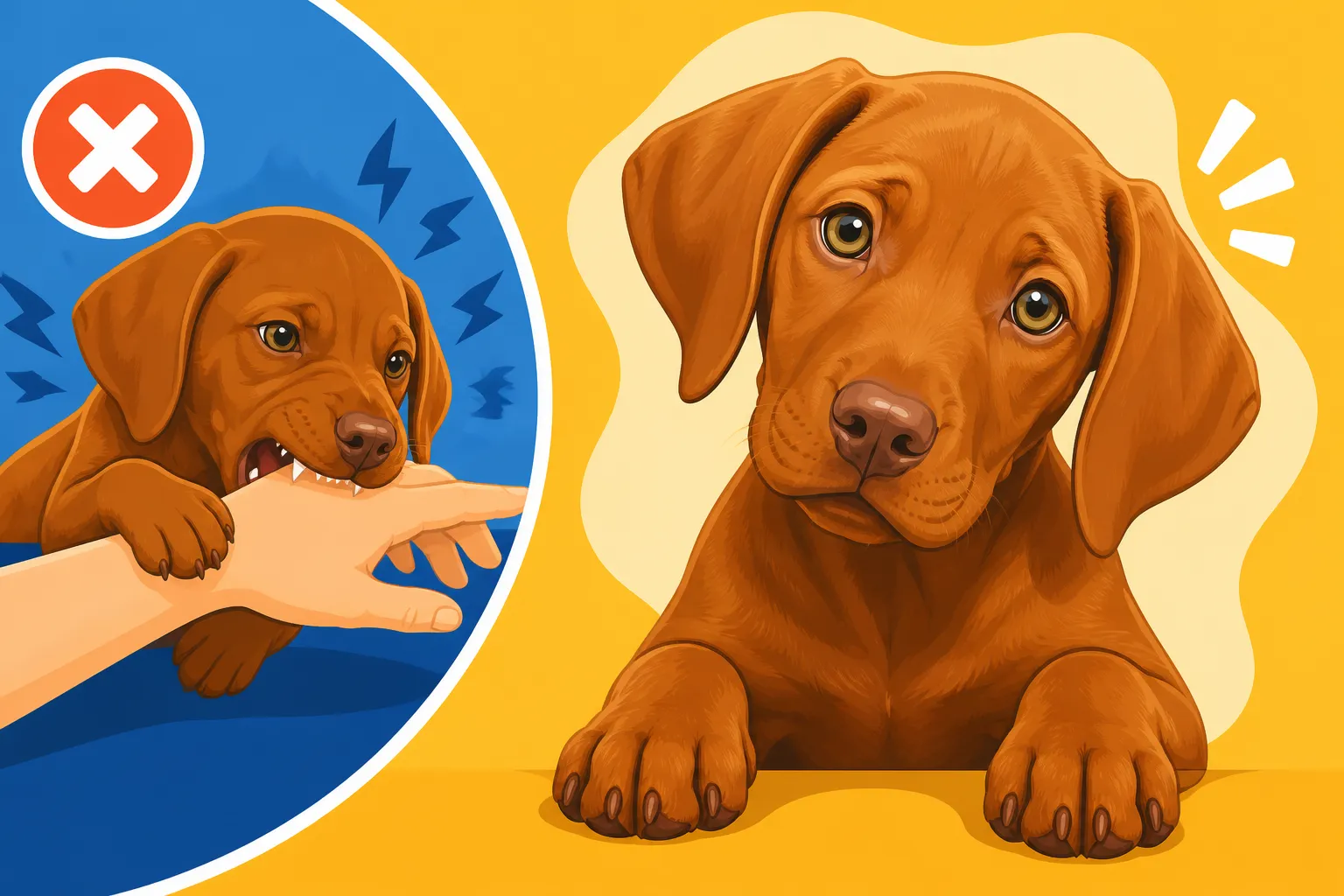
Bringing home a Vizsla puppy is an absolute joy, a whirlwind of energy, cuddles, and sometimes, a shocking amount of sharp, needle-like puppy teeth. Many new Vizsla owners quickly find themselves wondering, "Does my Vizsla puppy bite hard, or is this just normal?" The truth is, Vizsla puppies can indeed bite with surprising intensity, and it's a common, albeit painful, stage for many owners. This guide will delve into why Vizsla puppies seem to bite so hard, what drives this behavior, and most importantly, how you can gently and effectively guide your spirited companion toward a softer mouth and appropriate chewing habits.
The Instinct Behind Puppy Nipping and Biting
It’s easy to feel personally targeted when your adorable, furry land shark latches onto your hand, but understanding the natural instincts behind puppy biting is the first step toward managing it. It’s not aggression; it's how they learn and interact with the world around them.
Puppy Development and Mouth Exploration
From the moment they're born, puppies use their mouths for everything. It's their primary tool for exploration, much like human babies use their hands to grasp and feel. They explore textures, investigate objects, and communicate through mouthing and nipping. When they're tiny, this might be cute, a gentle gumming of your finger, but as those baby teeth erupt, the game changes dramatically.
A Vizsla puppy, with its inherent curiosity and intelligence, is constantly learning. Every chew, every nip, every tug-of-war game is a lesson in how the world works. They are learning about pressure, boundaries, and what feels good or bad. Expect a lot of mouthing during the first few months, especially when they're excited or over-tired. It’s just how they process their environment.
Socialization with Littermates
One of the most crucial learning periods for a puppy's bite inhibition happens before they even come home to you. Their littermates and mother are their first teachers. When puppies play rough with each other, one might nip too hard, causing another to yelp and withdraw from play. This immediate consequence teaches the biting puppy that excessive pressure ends the fun. Similarly, a mother dog will correct her puppies with a growl or a firm muzzle grab if their nips become too painful.
If a Vizsla puppy is separated from its litter too early, or if it was an only puppy, it might miss out on these vital lessons in bite inhibition. This isn't the puppy's fault, of course, but it does mean you, as the new owner, will have a bit more work to do in teaching what their natural family would have. This early learning sets the stage for how hard they bite, and without it, your Vizsla might start off with a surprisingly strong grip.
The Vizsla's Energetic Nature
Vizslas are renowned for their high energy levels and strong prey drive. They were bred to be tireless hunting companions, capable of running for hours in the field. This innate drive doesn't magically switch off when they're puppies. Instead, it manifests in exuberant play, fast movements, and a tendency to "mouth" or "catch" anything that moves, including your hands, feet, and clothing.
When a Vizsla puppy gets over-excited, perhaps during a vigorous play session or when greeting you after you've been away, their natural instincts can take over. The nipping can become more intense, driven by their boundless energy and the thrill of the moment. It's not malicious, but it definitely feels like it when those sharp little teeth are digging in. Understanding The Exercise a Vizsla Needs Every Day can help manage some of this pent-up energy, which often contributes to over-arousal and harder biting.
Why Vizsla Puppy Bites Feel So Sharp (and Sometimes Hurt)
It’s not just your imagination; those puppy teeth are genuinely designed to be sharp, and a young Vizsla’s mouth has a unique way of making its presence known.
Razor-Sharp Puppy Teeth
Let's be honest: puppy teeth are like tiny, perfectly designed needles. They're not blunt like adult teeth; they're fine-pointed and capable of piercing skin with surprising ease, even with relatively light pressure. This is a common complaint among new puppy owners, regardless of breed, but it feels particularly acute with an active, mouthy breed like the Vizsla.
Imagine having a mouthful of 28 tiny daggers. That's essentially what your Vizsla puppy is packing. When they bite down, even playfully, those teeth can cause stinging nips and scratches that quickly add up. This stage usually lasts until they start losing their baby teeth around three to five months of age, giving way to adult teeth that, while larger, are typically less like tiny surgical instruments. Until then, you'll need a good strategy for dealing with the "piranha" phase.
Lack of Bite Inhibition
The concept of bite inhibition is crucial here. It’s not about stopping your dog from ever putting their mouth on you, but rather teaching them to control the force of their bite. A dog with good bite inhibition can distinguish between appropriate and inappropriate pressure, meaning that even if they nip you, it should never be hard enough to cause injury.
As mentioned earlier, puppies learn this from their littermates. If your Vizsla puppy hasn't fully grasped this concept, either because they didn't have enough time with their litter or because they're simply a boisterous individual, their bites will feel harder. They haven't yet learned that human skin is far more delicate than a littermate's fur and robust skin. It's your job to teach them this vital lesson, and it takes consistency and patience. Without proper bite inhibition, even accidental nips from an adult Vizsla could be quite painful, so addressing this early is paramount.
Over-Arousal and Play Bites
Vizslas are incredibly enthusiastic dogs. Their zest for life often means they can become over-aroused very quickly, especially during playtime. What starts as a gentle game of tug or a friendly wrestling match can quickly escalate into frantic nipping and harder bites if their excitement isn't managed.
Think of it like a child getting overtired and becoming cranky or wild. For a Vizsla puppy, over-excitement often leads to a breakdown in self-control. They might jump, bark, and nip harder because they're simply too stimulated to think clearly. Recognizing the signs of over-arousal – frantic zooming, persistent jumping, or increased intensity in nipping – is key. This is where managing their environment and offering calm-down periods becomes vital. Sometimes, a short break or even an enforced nap is all it takes to reset their focus. You'll find that The Two Hours a Vizsla Needs Before It Will Settle after being wound up can apply just as much to calming an overtired puppy as it does an adult.
Practical Strategies for Managing Hard Vizsla Puppy Bites
Dealing with a mouthy Vizsla puppy requires a multi-pronged approach rooted in positive reinforcement and understanding. These strategies aim to teach your puppy what is acceptable and what is not, without resorting to harsh punishment that could damage their sensitive nature. The Soft Vizsla That Shuts Down When You Raise Your Voice is a great read that reinforces why a gentle approach is always best with this breed.
The "Yelp and Withdraw" Method
This is a classic technique that mimics how puppies learn from their littermates. When your Vizsla puppy bites too hard, react immediately with a high-pitched "yelp" or "ouch!" that clearly signals pain. The key is to make it sound like a puppy's protest. As soon as you yelp, immediately withdraw your attention. Cross your arms, turn your back, or even leave the room for 10-20 seconds. This teaches your puppy that hard biting ends all fun interaction.
The consistency of this method is paramount. Everyone in the household needs to use it every single time a hard bite occurs. If one person allows hard bites and another corrects them, your puppy will become confused and the lesson will take much longer to stick. Don't resume play until your puppy has settled down, ideally after a moment of ignoring them. Once they calm, you can gently re-engage, but be ready to yelp and withdraw again if the hard biting restarts.
Redirection to Appropriate Chew Toys
Vizslas have a natural urge to chew, especially during teething. Providing appropriate outlets for this behavior is crucial. Always have a variety of chew toys readily available and redirect your puppy to them the moment they try to mouth your hands or clothing. If they nip you, yelp, withdraw, and then, once calm, offer a suitable chew toy. When they take the toy, praise them enthusiastically.
Consider different textures and types of toys: rubber chew toys, rope toys for tug (ensuring the tug is always initiated by you and ends when you say so), and even puzzle toys filled with treats. Variety can keep them interested. Amazon offers an incredible selection of durable puppy chew toys suitable for a strong chewer like a Vizsla. Rotate toys to keep them novel and exciting. This helps satisfy their oral fixation and teaches them what they are allowed to chew on. This strategy is also vital for preventing destructive chewing on household items, as explored in What a Vizsla Chews Through as a Puppy.
Consistent Training and Positive Reinforcement
Beyond just stopping the biting, you want to teach your Vizsla puppy desirable behaviors. Short, positive training sessions throughout the day can make a huge difference. Focus on teaching cues like "leave it" (for when they're mouthing something inappropriate), "sit," or "down" (to encourage calm behavior). Reward heavily with treats and praise when they perform these behaviors, especially when they are calm and not biting.
Teaching a "trade" command can also be useful if your puppy has something they shouldn't. Offer a high-value treat in exchange for the item, then praise them. This prevents you from having to forcefully remove items from their mouth, which can create resource guarding issues. Online puppy training platforms like BAXTER & Bella offer comprehensive programs that emphasize positive reinforcement methods, providing structured lessons that can be incredibly helpful for teaching your Vizsla puppy good manners and bite inhibition in a gentle, effective way. Remember, Vizslas are intelligent and eager to please; How Fast a Vizsla Learns a New Cue is testament to their quick learning ability with the right approach.
Managing Over-Arousal
Preventing over-arousal is often easier than trying to calm an over-stimulated puppy. Pay attention to your Vizsla puppy's body language. Are they starting to get too wound up? Are their eyes glazed over, or are they zooming around frantically? If you see these signs, it's time to intervene before the hard biting starts.
Here are some ways to manage over-arousal:
- Short Play Sessions: Keep play sessions brief, especially high-energy ones. End them before your puppy gets overtired or too frenzied.
- Enforced Naps: Puppies, especially Vizslas, need a lot of sleep. An overtired puppy is a bitey puppy. If your puppy is getting nippy, try putting them in their crate for a quiet nap. Whether Crate Training Helps a Vizsla is a great resource for this.
- Calm-Down Activities: Redirect their energy into something calming, like a chew toy or a short training session focusing on basic cues. Scent games can also be great for mental stimulation without high physical arousal. Whether a Vizsla Needs Mental Work Too further explores this concept.
- Structured Greetings: When you come home, avoid immediately engaging in frantic play. Greet your puppy calmly, perhaps asking them to sit before offering a gentle pet or a chew toy.
Consistency in managing their energy levels will help your Vizsla puppy learn to self-regulate and reduce the frequency and intensity of hard bites. This proactive approach is often more effective than constantly reacting to the problem. An under-exercised Vizsla can certainly become Whether an Under Exercised Vizsla Becomes Destructive, which often includes destructive chewing and biting.
When to Seek Professional Help for Vizsla Puppy Biting
While puppy nipping is normal, there are instances where the biting escalates beyond typical puppy behavior, warranting the intervention of a professional. Recognizing these red flags early can prevent more serious behavioral issues down the line.
Recognizing Red Flags
Most puppy biting, even hard biting, is an exploratory or over-arousal behavior that resolves with consistent training. However, certain signs suggest that the biting may be more concerning:
- Persistent Aggressive Biting: If your Vizsla puppy's bites are consistently drawing blood, are accompanied by growling, snarling, or stiff body language, and are difficult to interrupt, it could be a sign of true aggression, not just playful mouthing.
- Targeted Biting: If your puppy seems to specifically target vulnerable areas, or if they continue to bite aggressively even when you withdraw or yelp, it’s a cause for concern.
- Resource Guarding: If your puppy bites or snaps when you try to take away toys, food, or even a cherished blanket, this is a form of resource guarding that needs professional guidance.
- Biting Out of Fear: If your puppy bites when scared or cornered, rather than trying to escape, it indicates a deep-seated fear response that requires careful management.
- Inability to Learn Bite Inhibition: If, despite consistent efforts with the "yelp and withdraw" method and redirection, your puppy shows no improvement in the force of their bites by 5-6 months of age, it's time to get help.
- Risk to Children: If the biting poses a significant risk to children in the household, especially if your Vizsla is Whether a Vizsla Is Safe With Toddlers and struggles to be gentle, immediate professional help is essential.
It’s important to trust your gut feeling. If you constantly feel anxious or afraid of your puppy's biting, don't dismiss those feelings.
Consulting a Certified Professional Dog Trainer or Behaviorist
If you're seeing any of the red flags, or if you simply feel overwhelmed and aren't making progress, don't hesitate to reach out to a professional. A certified professional dog trainer (CPDT) or a veterinary behaviorist can assess your puppy's behavior, identify underlying causes, and develop a tailored training plan.
What a professional can offer:
- Personalized Assessment: They can observe your puppy's behavior in your home environment and pinpoint specific triggers or patterns you might be missing.
- Expert Guidance: They can teach you advanced techniques for bite inhibition, impulse control, and managing high arousal. They can also ensure you're using positive, humane methods.
- Addressing Underlying Issues: If there's fear, anxiety, or true aggression contributing to the biting, a behaviorist can help diagnose and treat these deeper issues, sometimes involving medication if necessary.
- Safety Planning: For severe cases, they can help you implement safety protocols to prevent bites while you work on modifying the behavior.
- Ongoing Support: They provide continued support and adjustments to the training plan as your puppy progresses.
Investing in professional guidance early can save you a lot of heartache and ensure your Vizsla grows into a well-behaved, safe, and happy companion. While there is a cost associated with professional help, outlined in What a Behaviorist Costs a Vizsla Owner, it is often well worth the investment for peace of mind and a harmonious household. Remember, addressing these issues early is always easier than trying to correct ingrained behaviors in an adult dog.
| Puppy Biting Type | Characteristics | Common Cause | Intervention | When to Seek Help |
|---|---|---|---|---|
| Play Biting | Nips during play, often escalating with excitement. Puppy teeth are sharp but usually not meant to harm. | Exploration, lack of bite inhibition, over-arousal. | "Yelp and withdraw," redirection to toys, short play sessions. | If no improvement by 5-6 months. |
| Teething Bites | Constant mouthing/chewing on everything, including hands, due to discomfort. | New teeth erupting. | Provide a wide variety of appropriate chew toys, frozen items. | If accompanied by aggression. |
| Fear Biting | Snaps or bites when scared, cornered, or feeling threatened. | Anxiety, trauma, poor socialization. | Gentle, positive counter-conditioning; never punish fear. | Immediately, from a veterinary behaviorist. |
| Aggressive Bites | Growling, snapping, drawing blood with clear intent to harm. Often accompanied by stiff body language. | Genetics, poor socialization, pain, territoriality. | Never punish. Professional behaviorist needed urgently. | Immediately, from a veterinary behaviorist. |
Disclaimer
This article is for general informational purposes only and does not constitute professional advice. Laws, prices and regulations vary by location and change over time. Consult a qualified professional for guidance on your specific situation.