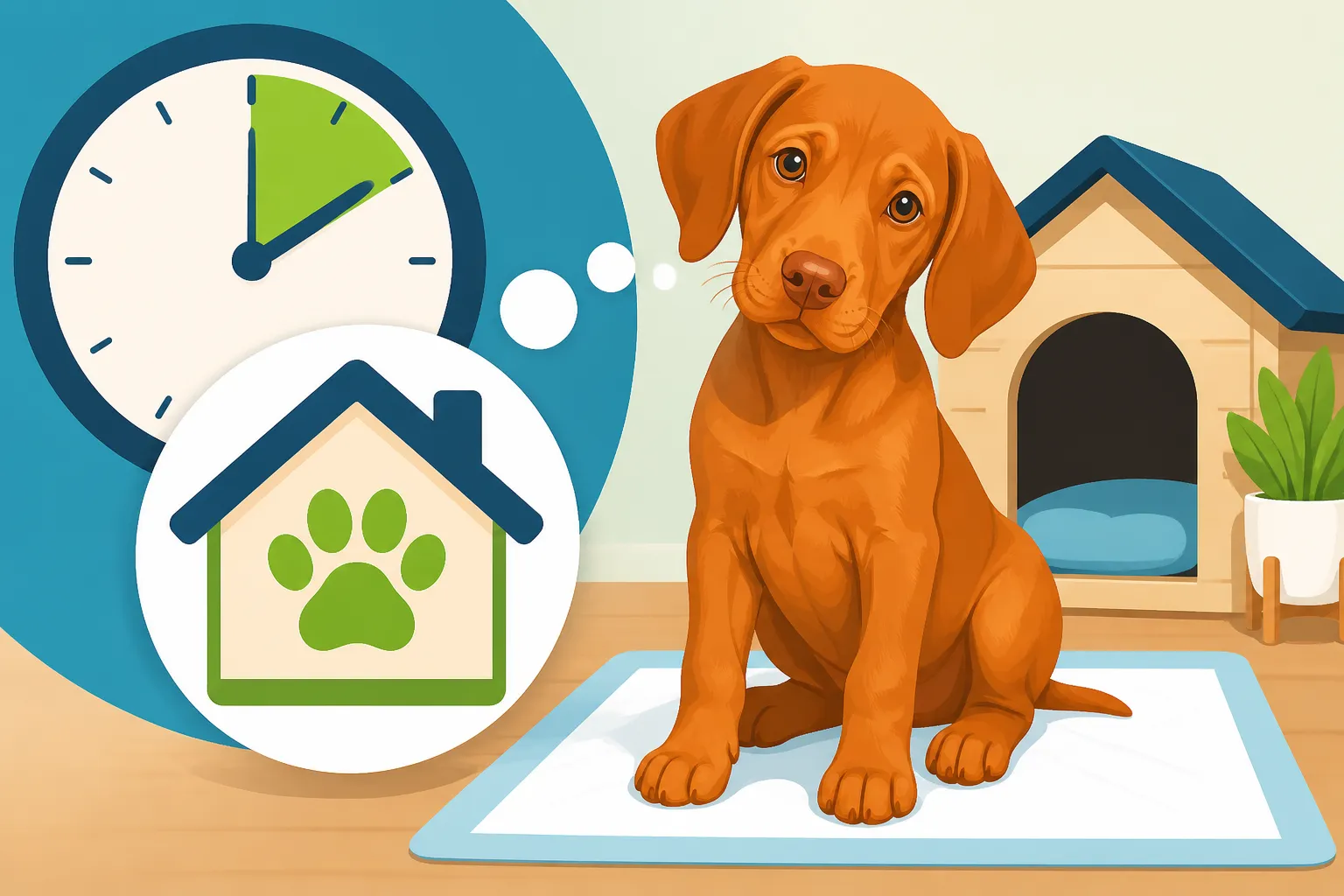
How Long a Vizsla Puppy Takes to House Train
One of the most common frustrations for new Vizsla owners is the seemingly endless struggle with house-training. These intelligent, high-energy puppies often learn quickly, but their small bladders, intense excitement, and sometimes, their sheer dedication to playing over pausing, can lead to accidents that leave you wondering if they'll ever "get it." This comprehensive guide will walk you through the specifics of house-training your Vizsla puppy, from understanding their physical development to implementing proven strategies and troubleshooting common hurdles, helping you establish a clean and predictable routine.
Understanding the Vizsla Puppy's Bladder and Bowel Development
Before we even talk about training methods, it’s crucial to understand what your Vizsla puppy is physically capable of. Expecting a tiny pup to hold it for hours on end is like asking a newborn human to do calculus – it’s just not going to happen. Their bodies are still developing, and their control over their bladder and bowels improves with age.
The Immature System of a Young Puppy
When you first bring your Vizsla puppy home, typically around 8 to 12 weeks of age, their internal plumbing is still very much a work in progress. Their bladder muscles are not fully developed, and they lack the strong sphincter control that adult dogs possess. This means they simply cannot hold urine for extended periods. It’s not about defiance or a lack of understanding; it’s a biological limitation. They might get the urge to go, and then suddenly, they have to go, with little to no warning.
Think of it this way: for every month of age, a puppy can generally hold their bladder for about an hour. So, an 8-week-old (2-month-old) puppy can hold it for roughly two hours during the day. This isn't a hard and fast rule, but it gives you a realistic expectation. Nighttime can sometimes extend this a bit, especially if they're sleeping soundly, but vigilance is still key. Understanding this physiological reality helps immensely in managing your expectations and preventing frustration when accidents inevitably happen.
This developmental stage means that frequent, pre-emptive potty breaks are non-negotiable. You’re essentially teaching their body to associate the outdoor environment with relief, while their bladder is simultaneously maturing enough to give them more control. It’s a dual-pronged approach, and patience is your most valuable tool.
Recognizing the Early Signs of Needing to Go
Vizslas are often quite expressive, and while they might not ask to go outside with a clear spoken sentence, they certainly give cues. Learning to read your puppy’s body language is perhaps one of the most critical skills you'll develop during house-training. Missing these subtle signals can lead to an accident just moments later.
Look for behaviors like sniffing around intently, especially in circles or corners. They might stop playing abruptly and become restless, whining softly, or pacing near the door. Some Vizsla puppies will suddenly drop their tail or assume a specific posture. Even a slight shift in their usual playful demeanor should prompt you to scoop them up and carry them outside immediately. Don't wait for them to squat inside; by then, it's often too late.
Every puppy is a little different, so spend time observing your Vizsla. Keep a mental checklist of their pre-potty actions. The more you learn their unique tells, the faster you can intervene and prevent an accident, reinforcing the desired behavior outside. Consistency in responding to these early signs is what really cements the understanding for your pup.
The Importance of Consistency in Early Days
Consistency isn't just a buzzword in dog training; it's the bedrock of successful house-training, especially for a smart and sensitive breed like the Vizsla. Imagine trying to learn a new language where the rules kept changing – you’d be confused and frustrated, right? Your puppy feels the same way if your routine is erratic.
From the moment your Vizsla puppy wakes up, after every meal and drink, after a play session, and before bedtime, they need to go out. And I mean every single time. Use the same door, go to the same general spot, and use the same verbal cue ("Potty time!" or "Go peepee!"). This repetition builds a strong association between the action, the location, and your command. The Weeks a Vizsla Puppy Takes to Be Clean will feel much shorter if you are relentless in your consistency.
This routine needs to be adhered to by every member of the household. If one person lets the puppy out every hour but another ignores them for three, your puppy will struggle to understand what's expected. Create a schedule and stick to it like glue. This predictable structure offers security and clarity for your young Vizsla, which in turn helps them learn faster and reduces anxiety.
Setting Up for House-Training Success
House-training isn't just about taking your puppy outside; it's about creating an environment that supports good habits and minimizes opportunities for mistakes. This involves smart management of their space and establishing clear routines.
The Power of Crate Training for Vizslas
For many Vizsla owners, crate training is an absolute game-changer in house-training. Dogs, by instinct, are den animals and are reluctant to soil their sleeping area. A properly introduced crate capitalizes on this natural inclination, making it an invaluable tool for teaching bladder control. Whether Crate Training Helps a Vizsla is a resounding yes for many, but it must be done correctly.
Choose a crate that is just large enough for your Vizsla puppy to stand up, turn around, and lie down comfortably. If the crate is too big, they might use one end as a bed and the other as a bathroom, defeating the purpose. You can use a divider to adjust the size as your puppy grows. Introduce the crate as a safe, positive space, not a punishment. Use treats, toys, and mealtimes inside the crate to build a positive association.
When your puppy is crated, they'll naturally try to hold their bladder and bowels for longer. This teaches them to develop control. As soon as you let them out of the crate, immediately take them to their designated potty spot outside. This creates a strong link: wake up, leave crate, go potty. It's especially useful for teaching How Long a Vizsla Puppy Holds It Overnight.
Establishing a Reliable Potty Schedule
A reliable potty schedule is the backbone of house-training. It removes guesswork for both you and your Vizsla puppy, turning potty breaks into a predictable part of their day. This predictability helps your puppy understand when and where they should relieve themselves.
Start with a strict schedule based on your puppy's age and observed habits. A young Vizsla puppy (8-12 weeks) will need to go out every 30-60 minutes while awake, immediately after waking from a nap, within 5-10 minutes after eating or drinking, and before going to bed. Keep a log if it helps – note down when they eat, drink, pee, and poop. This data will reveal their natural rhythms and allow you to refine your schedule.
Here's a sample routine, which you'll adjust to your own life and your puppy's needs:
| Time | Activity | Potty Break? |
|---|---|---|
| 7:00 AM | Wake up, immediately outside | Yes |
| 7:15 AM | Breakfast | No |
| 7:30 AM | Immediately outside | Yes |
| 7:30 – 8:30 AM | Play time, short training session | Yes (mid-play) |
| 8:30 – 10:30 AM | Nap in crate | No |
| 10:30 AM | Wake up, immediately outside | Yes |
| 10:45 – 12:00 PM | Play/supervised free time | Yes (mid-play) |
| 12:00 PM | Lunch (optional for young pups) | No |
| 12:15 PM | Immediately outside | Yes |
| … | Repeat pattern of outside, play, nap | Yes |
| 6:00 PM | Dinner | No |
| 6:15 PM | Immediately outside | Yes |
| 6:15 – 9:00 PM | Supervised play/quiet time | Yes (every 30-60 min) |
| 9:00 PM | Last potty break before bed | Yes |
| 9:15 PM | Crate for the night | No |
| 1:00 AM (approx.) | Middle of the night potty break (if needed) | Yes |
This kind of structure means you're proactively preventing accidents rather than reacting to them. Over time, as your Vizsla grows and gains more bladder control, you can gradually extend the time between breaks.
Creating a Designated Potty Spot
Just like humans prefer to use a specific bathroom, dogs also benefit from having a consistent place to do their business. Establishing a designated potty spot in your yard or on your walks helps your Vizsla puppy understand exactly where they are expected to go. This isn't just for their benefit; it keeps your yard cleaner and makes potty breaks more efficient.
Choose an area that is relatively quiet and easily accessible. Take your puppy to this exact spot every single time. It might be a patch of grass, a specific tree, or even a designated corner of a fenced yard. The consistency of the location helps them mentally link that specific area with relieving themselves. The First Year With a Vizsla Puppy involves a lot of repetition, and this is a prime example.
When you take them to their spot, allow them a few minutes to sniff around and get comfortable. Avoid making it a play area initially; the focus is solely on business. Once they've gone, then you can praise and reward them (more on that in a moment!). Over time, you'll find that your Vizsla will head straight for their spot, making your life much easier.
The Step-by-Step House-Training Process
With the right setup in place, it's time to dive into the active training methods that will guide your Vizsla puppy to house-training success. This involves careful supervision, positive reinforcement, and a calm approach to any setbacks.
Supervised Freedom and Leash Management
Vizslas are curious and energetic dogs, and leaving a young puppy unsupervised in your home is essentially inviting accidents. Every minute your puppy is out of their crate or not actively going potty, they should be under your direct supervision. This means they are either in sight or tethered to you with a short leash, often referred to as "umbilical cord" training.
When tethered, your puppy can't sneak off to a hidden corner for an illicit potty break. They are always with you, allowing you to catch those subtle "I need to go" signs instantly. This method is incredibly effective because it drastically reduces the opportunities for accidents to happen indoors, preventing the establishment of bad habits. This close supervision also helps curb other puppy behaviors like destructive chewing, which you can read about in What a Vizsla Chews Through as a Puppy.
If you absolutely cannot supervise them (e.g., you need to use the bathroom yourself or answer the door), they should be in their crate. This isn't a punishment; it's smart management. As your puppy grows and proves themselves reliable, you can gradually increase their unsupervised freedom in the house.
Positive Reinforcement and Rewards
This is where the magic happens! Vizslas are incredibly intelligent and eager to please, especially when there’s a reward involved. Positive reinforcement is the cornerstone of successful house-training and will make the process enjoyable for both of you. Never scold or punish your Vizsla for an accident inside; it will only make them afraid to go in front of you, potentially leading them to hide their accidents.
When your Vizsla puppy goes potty outside in their designated spot, immediately mark the behavior with enthusiastic verbal praise ("Good potty!"), a happy tone, and a high-value treat. The timing is critical – the reward needs to happen within seconds of them finishing their business so they clearly associate the action with the treat. Some people even throw a quick, joyful party, complete with pets and praise.
The goal is to make going outside the most exciting and rewarding thing they do. Once they've successfully gone potty, then you can allow a short period of supervised play in the yard as an additional reward before heading back inside. This makes the outdoor potty experience a truly positive one. You can find excellent resources and support for positive reinforcement training from platforms like BAXTER & Bella, which offers online puppy training programs emphasizing these gentle, effective methods.
Handling Accidents Effectively
No matter how vigilant you are, accidents will happen. It’s a normal part of puppyhood and not a reflection of your training abilities or your Vizsla’s intelligence. The key is how you handle them. The golden rule: never punish your puppy for an indoor accident. They don't understand why you're upset; they only associate your anger with their presence, not the act of going potty. This can make them fearful and more likely to hide future accidents from you.
If you catch your puppy in the act of having an accident indoors, interrupt them with a quick, startling noise (like a clap or a sharp "Ah-ah!"), pick them up immediately (without scolding), and carry them to their designated potty spot outside. If they finish going outside, praise and reward them generously.
If you discover an accident after the fact (the most common scenario), simply clean it up thoroughly. Use an enzymatic cleaner specifically designed for pet odors (many good options are available on Amazon) to eliminate all traces of scent, which can otherwise encourage your puppy to use the same spot again. Do not rub your puppy's nose in it or scold them. Just clean and move on, mentally reviewing what led to the accident so you can prevent the next one. Perhaps you waited too long, or supervision slipped.
Common House-Training Challenges with Vizslas
While Vizslas are generally eager to please, their unique temperament and high energy levels can present specific house-training challenges. Knowing what to expect can help you navigate these bumps in the road with greater understanding and patience.
The Excitement Pee and Submissive Urination
Many Vizsla puppies, especially when young, are prone to "excitement peeing" or "submissive urination." Excitement peeing happens when your puppy gets overly stimulated – when you come home, when new guests arrive, or during boisterous play. Submissive urination occurs when they feel overwhelmed, intimidated, or are trying to show deference, often accompanied by cowering or rolling over.
These behaviors are not defiant; they are involuntary responses rooted in emotion and a still-developing bladder. Scolding them for this will only make it worse, increasing their anxiety and potentially leading to more incidents. To manage excitement peeing, try to keep greetings calm and low-key. Immediately take your puppy outside before anyone greets them when they first come home or when guests arrive.
For submissive urination, avoid towering over your puppy, making direct eye contact, or using a loud voice. Approach them calmly, speak softly, and avoid reaching for them directly from above. Let them come to you on their own terms. As their confidence grows and their bladder control improves with age, these issues typically resolve themselves. Patience and a gentle approach are key here.
Regression During Growth Stages
Just when you think your Vizsla puppy has finally "gotten it," you might encounter a period of regression where they suddenly start having accidents again. This can be incredibly frustrating, but it’s a surprisingly common occurrence during growth spurts or adolescent stages. It's often not a sign that your training has failed, but rather that their hormones are shifting, their focus is elsewhere, or they're testing boundaries.
Adolescence in Vizslas, typically between 6 months and 2 years, can be a challenging time. They might become more distracted outside, forget their cues, or simply decide that sniffing every blade of grass is more interesting than going potty. Don't despair! The best approach is to simply revert to the basics of house-training as if they were a young puppy again.
Increase the frequency of potty breaks, resume strict supervision (or even tethering), and reinforce positive rewards for outdoor success. It’s a temporary setback, not a permanent failure. Stay consistent, patient, and understand that this is a normal developmental phase. Think of it as a reset, and they'll usually get back on track within a few weeks. The Age a Vizsla Finally Matures varies, but it's often well into their second year, so expect these little regressions.
When Outdoor Training Isn't Enough: Puppy Pads and Indoor Options
While the ultimate goal is always to teach your Vizsla to go outside, there might be situations where puppy pads or other indoor potty solutions become a temporary necessity. This could be due to living in an apartment building with many flights of stairs, adverse weather conditions (remember, The Cold a Vizsla Genuinely Cannot Handle is real, and they are sensitive to harsh weather), or if your puppy is too young to be fully vaccinated and cannot safely go outside in public areas.
If you must use puppy pads, understand that you are essentially teaching your puppy that it's okay to go potty indoors. This can make the transition to outdoor-only pottying more difficult later on. If you choose this route, place the pads in a consistent, easily accessible location away from their food and sleeping areas. Reward lavishly when they use the pad correctly.
A better alternative, if available, might be an indoor potty system with real or artificial grass. These can sometimes make the transition to outdoor grass easier. If using pads, consider gradually moving the pad closer to the door and eventually outside, shrinking its size until it's eliminated altogether. However, the most direct path to outdoor house-training is always to prioritize outdoor trips from day one, using a designated, safe spot if vaccination is a concern.
Beyond Basic House-Training: Advanced Tips and Troubleshooting
Even after your Vizsla puppy is reliably house-trained, there are ongoing considerations and advanced strategies that can help maintain their good habits and address any lingering issues. House-training is a continuous process of reinforcement.
Monitoring Diet and Water Intake
What goes in, must come out! Your Vizsla's diet and water intake have a direct impact on their potty schedule. Consistency in feeding times is crucial. If your puppy eats at different times every day, their bowel movements will be unpredictable, making house-training more challenging. Establish regular meal times, and remove any uneaten food after 15-20 minutes.
Also, be mindful of their water intake. While it's vital for Vizslas to stay hydrated, especially active ones, you can control when they have access to large amounts of water. For example, limit water access about an hour or two before bedtime to help them hold it overnight. Just be sure they've had plenty of opportunities to drink throughout the day, especially after exercise. If your Vizsla is prone to a sensitive stomach, which you can explore in Whether a Vizsla Has a Sensitive Stomach, diet can also impact consistency.
Avoid giving your Vizsla puppy table scraps, as these can upset their digestive system and lead to unexpected potty emergencies. Stick to a high-quality, consistent diet appropriate for their age and activity level. This simple management strategy can significantly contribute to a more predictable potty schedule.
The Role of a Consistent Routine Beyond Puppyhood
Just because your Vizsla is house-trained doesn't mean you can throw the routine out the window. Vizslas thrive on predictability and a consistent schedule throughout their lives. Maintaining a regular feeding schedule, consistent potty breaks (even if they're less frequent now), and predictable exercise times helps reinforce good habits and reduces anxiety.
An adult Vizsla might be able to hold it for 6-8 hours, but that doesn't mean they should be asked to regularly. Give them ample opportunities to relieve themselves, especially if they have a lot of energy and need The Exercise a Vizsla Needs Every Day. A lack of routine can contribute to stress and sometimes, even regression in house-training. Your Vizsla is a creature of habit, and respecting that will keep them happy and your floors clean.
When life changes (e.g., new work schedule, travel, new pet), try to maintain as much of their routine as possible, or gradually introduce changes. Sudden disruptions can be unsettling for your Vizsla and might temporarily impact their house-training.
Seeking Professional Help for Persistent Issues
If, despite all your consistent efforts, your Vizsla puppy is still having frequent accidents or you're struggling to make progress, don't hesitate to seek professional help. House-training can be frustrating, and a qualified dog trainer or veterinary behaviorist can provide invaluable guidance and personalized strategies.
Sometimes, what appears to be a house-training problem might be rooted in an underlying medical issue, such as a urinary tract infection (UTI) or other health concerns. A vet check-up should always be the first step if your reliably house-trained puppy suddenly starts having accidents. Only after ruling out medical causes should you focus solely on behavioral solutions.
For behavioral issues, look for a trainer who uses positive, force-free methods. They can help identify specific triggers for your Vizsla’s accidents, refine your training techniques, and offer support and encouragement. Training platforms like BAXTER & Bella also provide virtual coaching, which can be a fantastic resource for owners needing personalized guidance from certified trainers right from their home. Remember, getting help is a sign of a responsible owner, not a failure.
Disclaimer
This article is for general informational purposes only and does not constitute professional advice. Laws, prices and regulations vary by location and change over time. Consult a qualified professional for guidance on your specific situation.