Whether a Lost Vizsla Comes Home
The gut-wrenching fear of realizing your beloved Vizsla isn't where they should be is a nightmare no dog owner ever wants to experience. They're such an integral part of our lives, practically welded to our side, that the thought of them being out there, alone and vulnerable, can be paralyzing. This guide will walk you through the factors that influence whether a lost Vizsla tends to find their way home, the steps you can take immediately if your worst fear comes true, and crucial proactive measures to help prevent such an event from ever happening.
The Vizsla's Unique Blend of Traits: Velcro and Hunter
Vizslas are known for their deep affection and desire to be constantly with their humans, a trait that's earned them the nickname "Velcro Vizsla." Yet, beneath that loving, cuddly exterior lies a powerful hunting instinct and an incredible drive to range. This duality often leaves owners wondering: will that strong bond guide them home, or will their instincts lead them astray?
The Unbreakable Bond and Homeward Instinct
It's true, Vizslas are incredibly devoted dogs. They thrive on human companionship and are often described as having a profound need to be part of the family unit, often to the point of following you into every room, even the bathroom! This isn't just clinginess; it's a deep-seated desire for connection and security. For many Vizslas, their home and their people represent their safe haven, their pack. This powerful emotional attachment can indeed serve as a strong motivator for a lost Vizsla to try and find their way back.
They possess a remarkable sense of direction, often much better than we give them credit for. Their noses, designed for tracking game, can also be a vital tool in scent-tracking their way back to familiar territory or, more specifically, to your scent. Many heartwarming stories exist of Vizslas traveling impressive distances to return home, guided by a combination of memory, scent, and that innate desire to be reunited with their pack. However, this homing instinct, while strong, isn't foolproof and can be overridden by other powerful drives. They want to be where you are, and for a Vizsla, "home" is often synonymous with you. The distress of being alone and separated from their people is a huge motivator for them to try to return. Think of how they Whether a Vizsla Cries When You Leave the Room; that separation anxiety, even from another room, is amplified tenfold when truly lost.
The Call of the Wild: Prey Drive and Ranging
While their affection is undeniable, Vizslas are also intelligent, high-energy hunting dogs bred for covering vast amounts of ground in pursuit of game. This means they have an incredibly strong prey drive and an instinct to range, often far beyond what you might expect from a dog that loves a cuddle on the sofa. If they catch a scent – a rabbit, a squirrel, a deer – that instinct can take over entirely, overriding even the most diligently practiced recall. This is why Whether a Vizsla Ranges Too Far to Recall is a common concern among owners. They become hyper-focused on the hunt, their ears seem to switch off, and they will follow that scent for miles, oblivious to their surroundings or your frantic calls.
Once they've ranged a significant distance, especially in unfamiliar territory, the challenge of finding their way back increases dramatically. The environment plays a huge role here. A dog lost in a dense forest or a sprawling rural area might have a harder time orienting themselves than one lost in a more suburban, familiar setting. Their focus shifts from finding you to following that scent, and the further they go, the more disoriented they can become, even with a strong homing instinct. For a breed that requires The Two Hours a Vizsla Needs Before It Will Settle in exercise daily, they have the stamina to cover serious ground very quickly when driven by prey.
Why Vizslas Stray: Common Scenarios
Understanding why a Vizsla might get lost can help you anticipate risks and implement better prevention strategies. It's rarely malicious or a lack of love; it's usually a combination of instinct and circumstance.
The Unexpected Scent and the Tunnel Vision
This is perhaps the most common culprit. You're out on a walk, maybe in an open field or a wooded area. Your Vizsla is enjoying their freedom, perhaps even checking in with you regularly. Then, a scent hits them – a deer track, a fresh rabbit trail. It's like a switch flips. Their head drops, nose to the ground, and they are off, a flash of golden-rust disappearing into the distance. Their hearing seems to vanish, your calls go unheeded, and they become completely engrossed in the chase. This single-minded focus, driven by centuries of breeding for game detection, is incredibly powerful. Building a Recall on a Vizsla That Ranges becomes critically important precisely because of this. Once they've traveled a mile or two down a scent trail, they might suddenly "snap out of it" and realize they're in unknown territory, far from their human.
Accidental Breaches in Security
Sometimes, it's not about prey drive at all, but simply an opportunistic escape. Vizslas are intelligent and often quite nimble. A gate left ajar, a small gap under a fence, an open car door, or even a loose leash can provide the perfect opportunity for a curious Vizsla to explore. Many owners underestimate how quickly a Vizsla can slip through a space or bolt past them. The excitement of newfound freedom can lead them far from home before anyone even realizes they're gone. If you've ever dealt with What a Vizsla Chews Through as a Puppy, you know their determination. An unsecured latch or a weak spot in a fence can be seen as a challenge they're more than willing to conquer.
Overwhelm and Disorientation
While less common for the generally bold Vizsla, sometimes unfamiliar or chaotic environments can cause them to bolt in a panic. A loud noise, a sudden scare, or simply being overwhelmed by too many new sights and smells in a strange place can trigger a flight response. If they're spooked, they might run blindly in any direction, further disorienting themselves. This is particularly true if they are already prone to anxiety or if they haven't been adequately socialized to various environments. For a breed that thrives on routine and close contact, being suddenly alone in a confusing or frightening place can be deeply distressing, hindering their ability to think clearly about how to return home.
What to Do When Your Vizsla Goes Missing
The moments after you realize your Vizsla is lost are terrifying. But panicking won't help. Acting swiftly and strategically significantly increases the chances of their safe return.
Immediate Actions: Time is of the Essence
- Stay Calm and Search the Immediate Area: First, take a deep breath. Call their name loudly and clearly, using their favorite commands. Head back to the last place you saw them, and expand your search outwards. If you're in a car, drive slowly around the block or down the road, stopping frequently to call. Remember, they often don't go far at first, or they might circle back.
- Alert Local Animal Control and Shelters: This is critical. Many lost dogs end up at local animal shelters or are picked up by animal control officers. Provide a detailed description, including their unique markings, collar color, and microchip number. Don't just call once; follow up regularly.
- Notify Your Microchip Company: If your Vizsla is microchipped (and they absolutely should be!), immediately contact the microchip registry to report them missing. Ensure your contact information is up to date. This is one of the most effective ways to reunite with a lost pet, as most vets and shelters scan for chips.
Leveraging Community and Technology
- Use Social Media and Lost Pet Groups: Post clear photos and details on local lost and found pet Facebook groups, Nextdoor, and other community forums. Share widely! Ask friends and family to share as well. The power of a local network can be incredible.
- Create "Lost Dog" Posters: Print flyers with a clear photo, your contact information, and a brief, distinctive description. Laminate them if possible to protect against weather. Post them in high-traffic areas where your Vizsla was lost, near parks, veterinary clinics, pet supply stores (like those you might find on Amazon), and local businesses.
- Consider a Professional Pet Tracker: In some areas, professional pet trackers or K9 search teams are available. These specialists use trained dogs to follow scent trails and can be invaluable, especially if your Vizsla has been missing for a longer period or in a difficult terrain.
- Use GPS Collars (Prevention and Tracking): While not helpful once lost if they weren't wearing one, GPS collars are an incredible preventative tool. For a dog like a Vizsla, who loves to range and can be prone to "selective hearing" when a scent is involved, a quality GPS collar can be a lifesaver. Brands readily available, often through retailers like Amazon, offer real-time tracking that could pinpoint your Vizsla's location within minutes of them going out of sight. Whether a Vizsla Should Wear a GPS Collar is almost a resounding 'yes' for many active Vizsla owners.
Here’s a quick checklist of immediate actions to take:
| Action Item | Priority | Details |
|---|---|---|
| Search Immediate Area | High | Call name, use treats/favorite toys, check under bushes/cars. |
| Alert Animal Control/Local Shelters | High | Provide detailed description and microchip number. Call regularly. |
| Contact Microchip Registry | High | Report missing, confirm contact info is current. |
| Post on Social Media | High | Use local lost pet groups, include photo, last seen location, and contact. |
| Create & Distribute Posters | High | Clear photo, vital info, post in area lost, vet clinics, pet stores. |
| Inform Neighbors/Walkers | Medium | Tell people who frequent the area; they are extra eyes. |
| Check Vets and Emergency Clinics | Medium | A good Samaritan might have taken your injured or scared dog to the nearest vet. |
| Consider Scent Articles | Medium | Leave an unwashed item of your clothing or their bed at the point they went missing. |
| Follow Up, Follow Up, Follow Up! | Ongoing | Don't assume others will remember. Be persistent and polite. |
Creating a Welcoming Path Home
If your Vizsla is primarily motivated by their bond with you, making their path home as inviting as possible can aid their return.
- Leave Out Scented Items: Place an unwashed item of your clothing (like a sweaty t-shirt or a worn blanket) at the last known location or near your home's entrance. Your scent is a powerful beacon for them.
- Leave Food and Water: A bowl of their favorite kibble and fresh water near your door, or at the spot they went missing, can be a temptation for a tired and hungry Vizsla.
- Leave a Gate Open (Safely): If your yard is securely fenced and your house is safe, leaving a gate slightly ajar with food and water inside might allow them to re-enter. Be cautious doing this if it poses a risk to other pets or children.
- Put Their Crate Outside: The familiar smell and comfort of their crate, even if just the wire frame, can draw them in.
- Make Your Presence Known: If you can, spend time calling their name and making familiar noises (like rattling a treat bag) at the location they went missing, especially during quieter hours when they might be more likely to emerge.
Proactive Measures to Keep Your Vizsla Safe
While we can't eliminate all risks, diligent prevention is always the best strategy. For a breed as active and intelligent as the Vizsla, these steps are non-negotiable.
Fortifying Your Recall and Boundaries
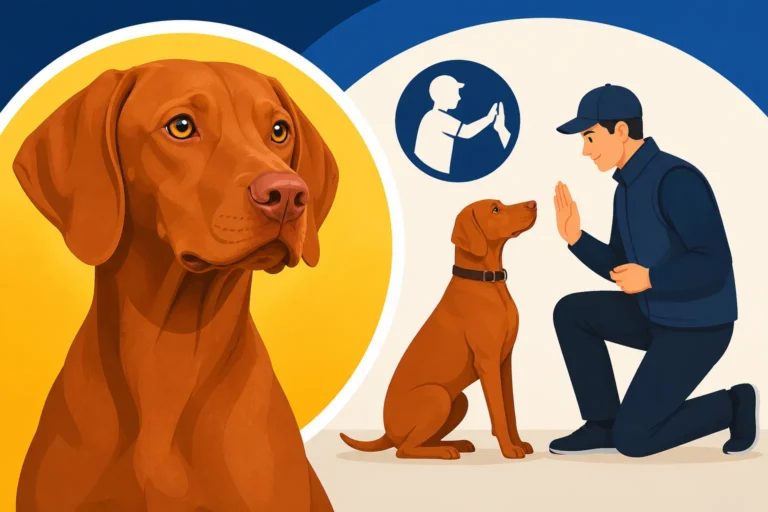
A rock-solid recall is the single most important training command for a Vizsla. Their instinct to range means that they will be tempted by scents and sights, and your ability to call them back is paramount. This isn't just about a polite "come"; it's about a reliable, immediate return even when heavily distracted.
- Consistent Training: Start recall training early and practice it everywhere, from your living room to busy parks. Use high-value treats and praise to make returning to you the most rewarding choice. Don't just practice when there's no distraction; gradually introduce distractions to proof the behavior. The First Year With a Vizsla Puppy is crucial for establishing this foundation.
- Long Lines and Check Cords: Before trusting your Vizsla off-leash, especially in new or open environments, use a long line or check cord. This allows them freedom to explore while still giving you control if they get too focused on a scent. This is a vital bridge to Whether a Vizsla Is Safe Off Leash.
- Whistle Training: Many Vizsla owners find a whistle recall to be more effective than voice commands, especially over long distances or in windy conditions. The consistent sound cuts through distractions better.
- Positive Reinforcement: Vizslas are "soft" dogs; harsh corrections can shut them down. Positive reinforcement methods, like those advocated by programs such as BAXTER & Bella, build trust and a desire to work with you, not out of fear. This strengthens the bond and their willingness to obey, even off-leash.
Essential Identification and Tracking Tools
These tools are your last line of defense should your Vizsla manage to slip away.
- Microchip: As mentioned, a microchip is permanent and can be scanned by any vet or shelter. Make sure it's registered with current contact information. This single step has reunited countless pets with their families.
- ID Tags and Collars: Every Vizsla should wear a collar with an ID tag displaying their name and your phone number. Consider adding a second tag with your address or even your vet's number. Some owners use embroidered collars for durability and visibility.
- GPS Trackers: For a breed that loves to explore and can cover ground rapidly, a GPS tracker is an invaluable investment. These devices attach to their collar and allow you to see their location in real-time via an app on your phone. While there's a What a GPS Collar Costs for a Vizsla, the peace of mind they offer is immeasurable. Think of them as an insurance policy for your adventurous companion. Many popular options are available through various online retailers.
Secure Environments, Always
Even the best recall can fail in extreme circumstances. Your home and yard must be secure.
- Fence Maintenance: Regularly inspect your fencing for any weak spots, loose boards, or gaps underneath that a determined Vizsla could exploit. Vizslas can be surprisingly agile jumpers, so fence height is also a consideration.
- Gate Security: Ensure all gates are securely latched and, if possible, double-locked. Make it a habit to check them every time you enter or exit.
- Leash Discipline: Never underestimate a Vizsla's ability to bolt. Always keep them on a leash when outside an enclosed area, unless you are in a safe, designated off-leash zone and have absolute confidence in their recall. Even then, Whether a Vizsla Is Safe Off Leash is a question many seasoned owners continually evaluate.
- Car Safety: Use a crate or a seatbelt harness in the car. An open window or door can be an invitation for an escape artist, and a scared dog might jump from a moving vehicle.
While the thought of a lost Vizsla is terrifying, understanding their unique blend of loyalty and hunting drive, combined with proactive training and security measures, drastically improves the chances of a happy reunion. Their deep bond with you is their strongest motivator to come home, but it needs your support through preparation and immediate action.
Disclaimer
This article is for general informational purposes only and does not constitute professional advice. Laws, prices and regulations vary by location and change over time. Consult a qualified professional for guidance on your specific situation.