Whether Panni XV Founded Modern Lines
The historic Vizsla dog Panni XV escaped post-war Hungary into Austria and America, shaping modern Western breeding lines.

The historic Vizsla dog Panni XV escaped post-war Hungary into Austria and America, shaping modern Western breeding lines.

Panni XV represents a crucial foundation dog that helped the Vizsla breed survive severe twentieth-century population declines.

Hungarian Vizslas smuggled out of their homeland during war and Soviet occupation found refuge in various countries worldwide.

Vizsla owners took real risks during two World Wars and Soviet occupation in Hungary, and clandestine moves of dogs across borders helped keep the line alive.

Vizslas in Hungary facing extreme hardship during wars and political upheaval, leading to starvation, disease, and abandonment.
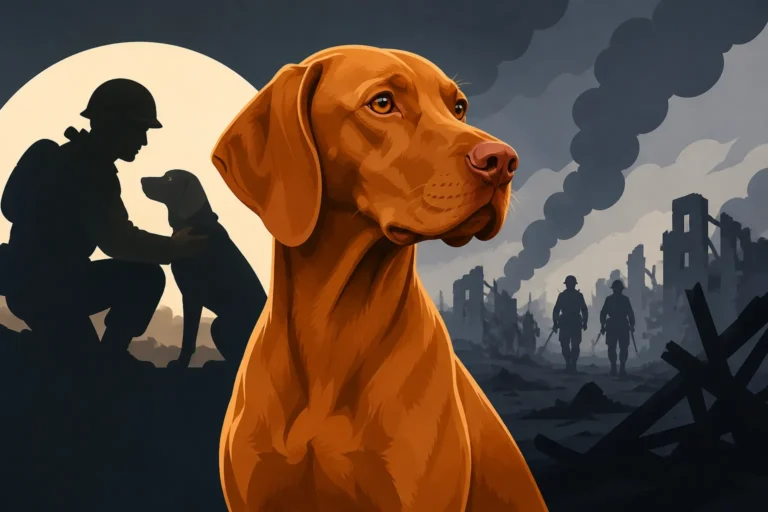
World War impacts on Hungarian Vizslas explain how the rare hunting breed faced near extinction twice during global conflicts.

Modern Vizslas and their genetic diversity reflect historical bottlenecks from near-extinction events and world wars.

The 1900 Vizsla breed rebuild explains how historical population bottlenecks impacted modern canine genetic diversity.

Dedicated Hungarian breeders and Dr. Lajos Fényes rescued the endangered Vizsla from near extinction during the twentieth century.

The severe population crash of the Vizsla dog breed around 1900 and the efforts that prevented its extinction.