Whether a Vizsla Is Friendly With Strangers
Vizsla behavior around strangers stems from deep family bonds and sensitivity, explaining why some dogs remain reserved.
Work with the temperament you have.
House-training and crate work, recall, leash manners, separation anxiety, and the behaviors this breed is wired for.

Vizsla behavior around strangers stems from deep family bonds and sensitivity, explaining why some dogs remain reserved.

Vizsla aggression when startled stems from fear, past trauma, or pain, triggering an automatic protective defense response.

Vizsla resource guarding stems from anxiety, genetics, or food insecurity, showing signs from body stiffening to growling.

Vizsla adjustment to a new baby involves managing breed traits like high energy, two hours of exercise, and sensitivity to stress.
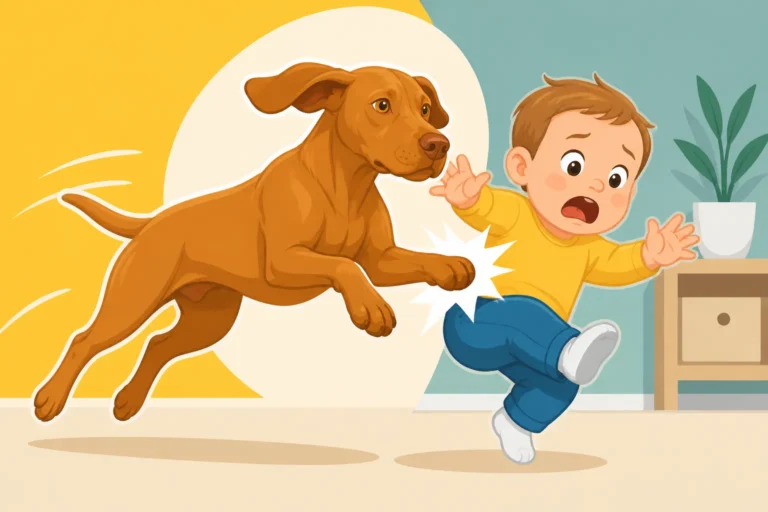
Sixty-pound Vizsla dogs can accidentally knock over toddlers due to high energy levels, and families can manage these safety risks.
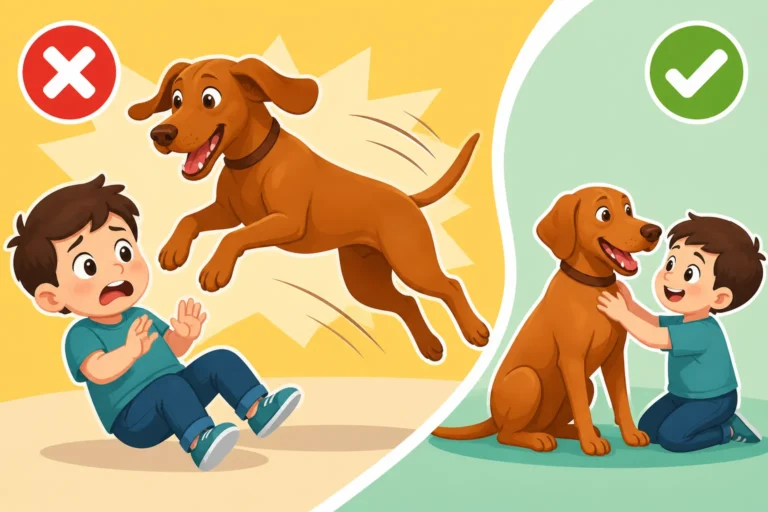
Vizsla bounciness and high energy around small children, explaining why these athletic forty to sixty-five pound dogs jump up.

Vizsla temperament, energy needs, and sensitivity levels determine whether these affectionate dogs fit safely into families with children.

Vizsla hunting abilities and affectionate family companionship can combine successfully with consistent training and proper exercise outlets.

Pet-bred Vizslas retain their natural hunting instincts and can become wonderful field partners with proper dedication and training.

Vizslas lack a dense insulating undercoat, making cold water exposure a dangerous risk for rapid body heat loss and hypothermia.