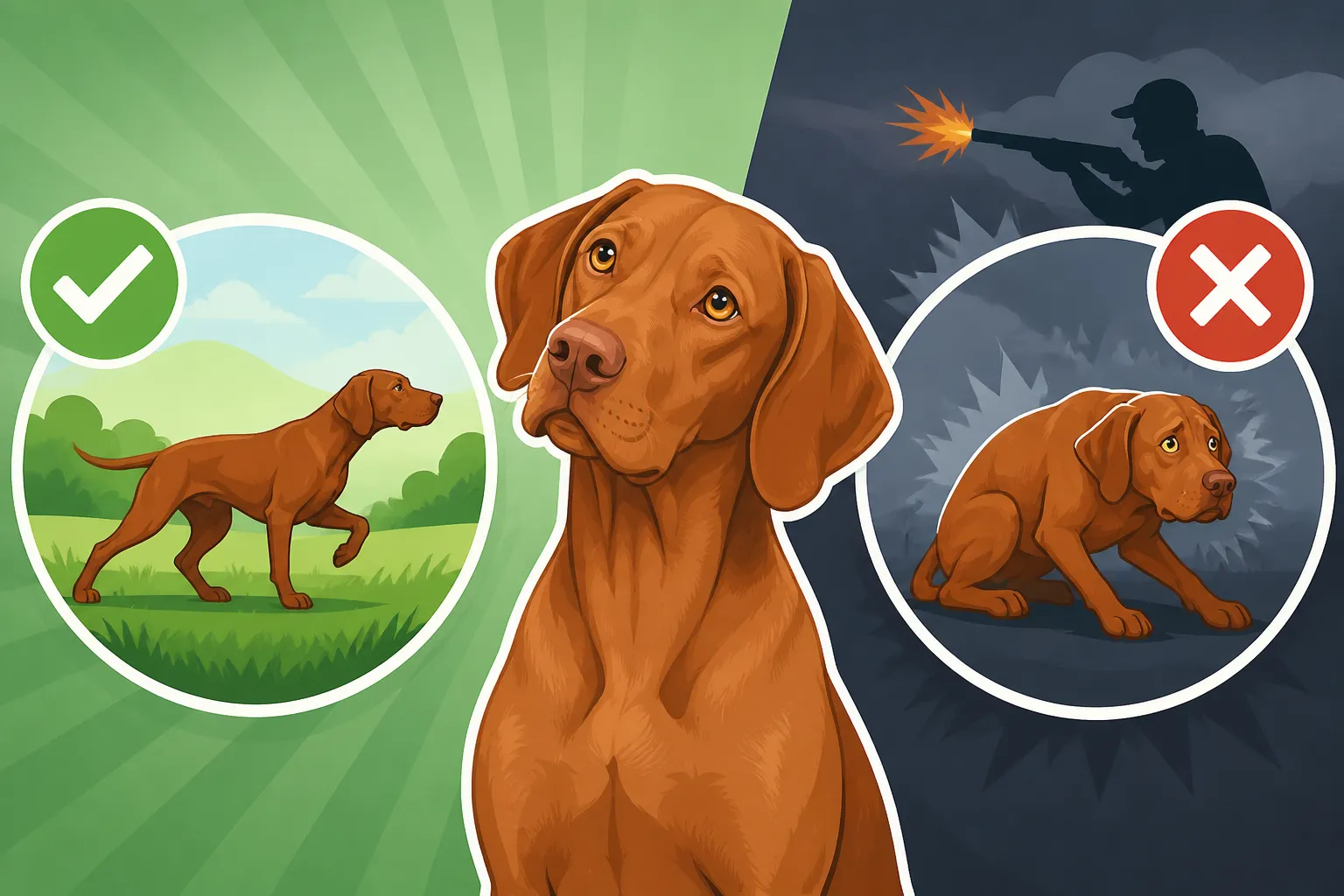
Whether a Vizsla Is Gun Shy
One of the most heart-wrenching things for a bird dog owner is realizing their beloved companion, especially a sensitive breed like a Vizsla, recoils in fear at the sound of a gun. This isn't just about a dog being startled; it's a deep-seated fear that can derail training, ruin hunting aspirations, and even impact their daily life. This guide will delve into the complexities of gun shyness in Vizslas, helping you understand why it happens, how to identify it, and most importantly, how to prevent and address it with kindness and effective training methods.
Understanding Gun Shyness in Dogs
It's easy to assume "gun shyness" just means a dog is afraid of loud noises, but it's often far more nuanced and deeply ingrained than that. For a sporting breed like a Vizsla, whose very purpose is often intertwined with gunfire, true gun shyness can feel like a profound betrayal of their instincts and a significant challenge for their owner. It's not a superficial reaction; it's a genuine fear response that stems from negative associations, genetic predispositions, or a lack of proper, gradual introduction to sounds.
What Gun Shyness Really Means
At its core, gun shyness isn't just being startled by a bang. Any dog might jump at an unexpected loud noise. True gun shyness manifests as an extreme, uncontrollable fear and anxiety specifically triggered by the sound of a gun, often extending to similar loud noises like fireworks or thunder. A dog that is truly gun-shy might shake uncontrollably, tuck its tail, bolt and try to escape, whine, vocalize in fear, or even soil itself. It's a panic response, not just a preference. Imagine how terrifying it would be if a sound that signals joy and purpose for humans felt like an imminent threat to your best friend. This intense reaction is what we mean by gun shyness, and it's a serious welfare issue for a dog bred for the field. It makes a dog unable to function in a hunting environment and can even make them fearful in everyday situations where loud, sudden noises might occur.
The Psychological Impact on a Vizsla
For a breed as sensitive and "soft" as the Vizsla, the psychological impact of gun shyness can be devastating. Vizslas thrive on connection, routine, and feeling secure with their people. When they encounter something as terrifying as a loud bang without proper preparation, it can shatter their confidence and create lasting anxiety. This isn't just about losing a hunting partner; it's about a dog whose mental well-being is compromised. A gun-shy Vizsla might become generally anxious, exhibiting fear in other situations, or develop separation anxiety because they associate being alone with these terrifying sounds. The bond you share, which is so crucial with a Vizsla, can also suffer as they might start to associate your presence with the frightening noise. It can make them distrustful of new experiences or environments, turning what should be an eager, joyful explorer into a tentative, fearful observer. This breed is known for its deep emotional connections, and an intense fear like gun shyness can truly wound their spirit.
The Vizsla's Sensitivity and Temperament
Vizslas are often described as "velcro dogs" for a reason – they bond intensely with their families and thrive on companionship. This inherent sensitivity, while making them incredibly affectionate and devoted pets, also means they can be more susceptible to negative experiences, including those involving loud noises. Their soft nature is a double-edged sword: it makes them wonderfully biddable and eager to please, but also means they can "shut down" or become deeply fearful if not handled with care and understanding.
Why Vizslas Might Be More Prone to Sensitivity
The Vizsla's unique temperament plays a significant role in their potential predisposition to gun shyness. They are notoriously sensitive, intelligent, and possess a strong "will to please." While this makes them highly trainable, it also means they can be more easily overwhelmed or traumatized by harsh training methods or sudden, frightening experiences. Unlike some more robust, independent breeds, a Vizsla is less likely to simply "shake off" a negative encounter. They internalize experiences deeply. A single bad introduction to gunfire – perhaps too close, too loud, or without proper positive reinforcement – can create a lasting fear that is incredibly difficult to undo. This sensitivity also means they are highly attuned to their handler's emotions. If you are nervous or tense during a gunfire introduction, your Vizsla will pick up on that, adding to their own apprehension. It’s a breed where a gentle, consistent approach is not just preferred, but essential, especially when introducing potentially alarming stimuli. The Soft Vizsla That Shuts Down When You Raise Your Voice explores this soft nature in more detail.
How Early Experiences Shape a Vizsla's Reaction
A Vizsla's experiences during its critical puppy development stages are paramount in shaping its future reactions to loud noises, including gunfire. Puppies between 3 and 16 weeks are like little sponges, soaking up every experience and forming associations that will last a lifetime. If a Vizsla puppy is exposed to sudden, jarring loud noises without a positive context during this time, it can imprint fear. Conversely, a lack of any exposure to a variety of sounds can also be detrimental, leading to an overreaction when a novel loud noise eventually occurs.
Imagine a scenario: a young Vizsla puppy is playing happily in the yard, and a neighbor unexpectedly sets off powerful fireworks nearby. If this happens without its owner present to reassure it, or if the experience is genuinely terrifying, it can form a strong negative association. On the other hand, a puppy introduced to low, distant sounds while happily eating its favorite treat, or engrossed in a game of fetch, is far more likely to develop a neutral or even positive association. This is why careful, controlled socialization, including sound exposure, is so vital for The First Year With a Vizsla Puppy. A responsible breeder will often start this process, but it's truly a lifelong commitment for the owner, particularly during those formative months.
Introducing Your Vizsla to Gunfire Safely
The key to preventing gun shyness and ensuring your Vizsla is confident around gunfire lies in a careful, systematic, and positive introduction process. This is not something to rush or take lightly. It’s about building a foundation of trust and positive association, step by excruciatingly careful step. Think of it as painting a masterpiece, not slapping paint on a wall.
Gradual Desensitization Techniques
The concept of gradual desensitization means exposing your Vizsla to the sound of gunfire in such small, manageable increments that they barely notice it, or, more importantly, they associate it with something incredibly positive. This is the bedrock of preventing gun shyness. Start with the absolute minimum, both in terms of volume and proximity. You might begin with recordings of gunshots played at an almost imperceptible volume in the background while your Vizsla is engaged in a highly enjoyable activity, like eating their dinner or playing with their favorite person. Consistency is key here.
As your Vizsla shows absolutely no reaction, you can ever-so-slightly increase the volume or decrease the distance. The goal is never to scare them. If they flinch, or show any sign of unease, you've gone too far, too fast, and need to dial it back. Pairing these low-level sounds with high-value treats or a favorite toy is crucial for building a positive emotional response. This is called counter-conditioning – changing a negative emotional response into a positive one. You want your Vizsla to think, "Oh, a quiet bang! That means good things are happening!" Remember, Whether a Vizsla Remembers a Bad Experience is a valid concern, so doing this correctly the first time is paramount.
Using Tools and Environments for Success
Beyond just volume and distance, leveraging the right tools and environments can significantly aid in safe gunfire introduction. Modern technology offers some fantastic resources. You can find excellent gunshot sound files or apps that allow you to control the volume precisely. Consider ear protection designed for dogs, available on platforms like Amazon, especially as you get closer to actual field work or if you plan to introduce them to larger caliber guns. These can help muffle the sound while they are still getting accustomed to the experience.
Choosing the right environment is also vital. Start in a familiar, low-stress area where your Vizsla feels safe and secure, like your backyard. As you progress, move to open fields where sounds dissipate more quickly, and your dog has room to move freely and engage in natural behaviors like searching for birds. If you're using a blank pistol, ensure you're in a safe, designated area. For serious training, consider professional trainers who have access to controlled environments and experienced gunners. Organizations like BAXTER & Bella offer online resources and advice for positive reinforcement training which can be integrated into this process. Ultimately, the environment should always prioritize your Vizsla's comfort and confidence.
Recognizing the Signs of Gun Shyness
It’s crucial to be able to accurately identify the signs of gun shyness in your Vizsla, as early intervention can make a significant difference. Sometimes, the signs can be subtle, especially in a dog that is trying to cope, but they are always indicators of underlying fear. Don't dismiss these behaviors as mere "distraction" or "stubbornness."
Subtle and Overt Indicators
Gun shyness isn't always a dramatic bolt for the hills. Sometimes, it starts with much more subtle cues that a careful owner needs to observe.
Subtle Indicators:
- Head turn or ear twitch: Your Vizsla might quickly turn its head away from the sound, or its ears might flatten or swivel back nervously.
- Body stiffening: A slight tension in their posture, where they momentarily freeze or become rigid.
- Lip licking or yawning: These are often calming signals dogs use when they are feeling stressed or uncomfortable.
- Avoiding eye contact: Your dog might break gaze or turn its head away from you, indicating stress.
- Reluctance to move forward: If you're introducing the sound while moving towards it, they might drag their feet or try to veer away.
- Increased sniffing: Dogs often sniff the ground when stressed as a displacement behavior.
Overt Indicators:
- Trembling or shaking: A clear physical manifestation of fear.
- Tucked tail: The tail will be held low or firmly tucked between their legs.
- Cowering or trying to hide: Seeking shelter behind you, under a vehicle, or trying to squeeze into a small space.
- Excessive panting or drooling: These physiological responses can indicate high stress levels.
- Whining, barking, or howling: Vocalizations specifically expressing distress.
- Bolting or fleeing: Running away from the sound, often uncontrollably, risking injury or getting lost. This is a primary concern when Building a Recall on a Vizsla That Ranges.
- Involuntary urination or defecation: In extreme fear, dogs can lose bladder or bowel control.
- Shutting down: Becoming completely unresponsive, withdrawn, or catatonic. This is a common response in soft breeds when overwhelmed.
Differentiating Fear From Lack of Interest
It's important not to confuse a Vizsla’s lack of interest in a bird or hunting situation with genuine gun shyness. Some Vizslas, even from good hunting lines, might not have a strong natural bird drive, or they might simply be distracted by other stimuli in the field. This isn't fear; it's just a different priority or an underdeveloped prey drive.
Here’s a simple table to help differentiate:
| Behavior/Indicator | Signs of Fear/Gun Shyness | Signs of Lack of Interest/Distraction |
|---|---|---|
| Response to Sound | Jolts, flinches, startles, cringes, tries to escape | May briefly acknowledge, but no sustained fear response |
| Body Language | Tucked tail, lowered body, trembling, flattened ears, wide eyes | Relaxed posture, maybe sniffing ground, looking around |
| Movement | Freezes, bolts, tries to hide, becomes immobile | Meanders, explores other smells, ignores handler's cues |
| Engagement with Task | Stops working, can't focus, tries to leave the area | Easily distracted by other stimuli (squirrels, smells), may avoid birds |
| Recovery Time | Long-lasting anxiety, fear lingers for minutes/hours | Quickly refocuses if something more interesting appears |
| Handler Interaction | Clings to handler, seeks comfort, or tries to hide behind handler | May ignore handler or seek attention for other reasons |
If your Vizsla shows clear signs of distress and actively tries to get away from the sound, or if their entire demeanor changes to one of panic, it's definitely fear. If they simply choose to sniff a particularly interesting patch of grass rather than pay attention to the bird work, that's more likely a lack of focus or drive, which is a different training challenge. When Starting a Vizsla on Birds, pay close attention to all their reactions, not just whether they point.
Helping a Gun-Shy Vizsla
Discovering your Vizsla is gun-shy can be disheartening, especially if you had dreams of field work. However, it's not a death sentence for their well-being or even for enjoying other activities. The approach to helping a gun-shy Vizsla must be empathetic, patient, and often involves professional guidance.
Retraining and Counter-Conditioning
If your Vizsla is already gun-shy, the process is no longer about prevention but about systematic retraining and counter-conditioning. This is generally more challenging than initial prevention because you're trying to undo a deeply ingrained fear response. The core principle remains the same: gradually expose your dog to the trigger (gunfire) at a level where they show no fear, and pair it with something intensely positive.
- Identify the Threshold: This is critical. You need to find the absolute maximum distance or minimum volume at which your Vizsla shows no reaction to the sound. This might mean starting with a recording played at an almost inaudible level from another room.
- Positive Association: Once you've found their threshold, every time that sound is played at that non-threatening level, something amazing must happen immediately afterward. This could be their absolute favorite treat, a high-value toy, or a fun game. The sound predicts the good thing.
- Slow Progression: Incrementally increase the volume or decrease the distance only when your Vizsla consistently shows zero signs of fear and actively anticipates the positive reward. This might take weeks or months for each tiny step. Patience is your most powerful tool.
- Professional Guidance: For established gun shyness, consulting a certified professional dog trainer specializing in fear and phobias, or a veterinary behaviorist, is highly recommended. They can help you develop a tailored plan and provide invaluable hands-on guidance. Sometimes, medication might be considered in conjunction with behavior modification to help reduce anxiety during the retraining process.
Remember, the goal is not to "cure" them overnight or force them through their fear. It's to slowly, gently, and consistently build new, positive associations so that the sound becomes neutral or even pleasant. If you feel stuck, remember that What a Professional Trainer Charges for a Vizsla can be a worthwhile investment in your dog's long-term happiness.
Management Strategies for Fear
While retraining is ongoing, it's equally important to implement management strategies to prevent your gun-shy Vizsla from being repeatedly exposed to their fear trigger. Every time they are scared, it reinforces the fear and sets back your training efforts.
- Avoid Triggers: This might seem obvious, but it means actively keeping your Vizsla away from hunting grounds, shooting ranges, and even areas where fireworks are likely. This includes planning for holidays like the Fourth of July or New Year's Eve well in advance. Keep them safe inside, perhaps with background noise like music or a TV to mask exterior sounds.
- Create Safe Spaces: Ensure your Vizsla has a secure, quiet den or crate where they feel safe. This space should be comfortable and associated with positive experiences. When they are stressed, they can retreat here.
- Sound Masking: Use white noise machines, calming music, or simply turn on the TV or radio to help mask outside sounds that might be triggers. Products for this are readily available on Amazon.
- Calming Aids: Discuss with your veterinarian whether calming supplements, pheromone diffusers, or anxiety vests might be beneficial. These are tools to support behavior modification, not replacements for it.
- Focus on Other Activities: If hunting is no longer an option, redirect your Vizsla's energy and intelligence into other dog sports or activities where they can excel and build confidence without the stress of gunfire. Agility, scent work, hiking, or competitive obedience can all provide mental and physical stimulation. Vizslas are incredibly versatile, and there are many avenues for them to thrive.
Preventing Gun Shyness in Vizsla Puppies
The best approach to gun shyness is always prevention, especially with a sensitive breed like the Vizsla. Laying a strong, positive foundation during puppyhood is key to raising a confident, well-adjusted dog that isn't fearful of loud noises.
Socialization and Exposure Done Right
Proper socialization isn't just about meeting other dogs and people; it's about exposing your puppy to a wide variety of sights, sounds, smells, and experiences in a positive and controlled manner. For future hunting dogs, this absolutely includes sounds related to the field.
- Early, Gentle Sound Exposure: Even before you bring your puppy home, a good breeder might introduce them to various sounds. Once home, continue this. Play recordings of distant gunshots (easily found online or through training apps) at a very low volume while your puppy is eating, playing, or cuddling. The key is that the sound should be barely noticeable, a background element, not a focus of attention.
- Positive Reinforcement: Every time the sound is present, couple it with something highly positive – tasty treats, enthusiastic praise, or a favorite game. You want your Vizsla to develop a positive emotional response: "Oh, that distant pop means happy times!"
- Gradual Increase: Slowly, over weeks and months, increase the volume and decrease the distance of the sounds. Never rush. Watch your puppy's body language closely. If they show any sign of alarm, you've moved too fast. Retreat to a lower intensity where they are comfortable and rebuild their confidence.
- Real-World Sounds, Distantly: Once your puppy is completely comfortable with recorded sounds, you can introduce real gunshots, but again, from a significant distance. Start with a .22 caliber blank pistol fired far away by a helper while you are actively engaging your Vizsla in play or feeding them. The sound should be distant enough that they might notice it, but aren't startled. Work your way closer, or to a louder caliber, over many training sessions. How to Introduce a Vizsla to Gunfire provides more detailed steps.
- Bird Work First: Many trainers advocate for introducing puppies to birds and developing their prey drive before introducing gunfire. This ensures the puppy is already highly motivated and engaged in the activity. The sound of the shot then becomes associated with the exciting flushing of a bird, rather than being a standalone scary event. This is especially important for Starting a Vizsla on Birds.
- Consistency: This isn't a one-and-done event. Regular, positive exposure to sounds throughout your Vizsla's first year and beyond is crucial. BAXTER & Bella's online puppy program can be a great resource for structuring early socialization.
Breeder's Role and Genetic Predispositions
The foundation for a confident Vizsla begins even before they are born. A responsible breeder plays a critical role in minimizing the risk of gun shyness, both through careful breeding choices and early puppy rearing.
- Genetic Predisposition: While gun shyness can be created through bad experiences, there is also a genetic component. Some lines may simply produce dogs that are more inherently sensitive or prone to fear. A reputable breeder will carefully screen their breeding stock for temperament, including any history of gun shyness in their lines. They should be able to provide clear evidence that their breeding dogs are sound and stable around gunfire, often by participating in hunt tests or field trials. Asking about a dog's parents' and grandparents' performance in the field and their reaction to gunshots is a valid question. This is part of The Health Tests Both Vizsla Parents Should Have and general temperament screening.
- Early Socialization by the Breeder: A good breeder will start the socialization process with their puppies. This includes exposing them to normal household noises, different textures, and even very low-level ambient sounds (like a radio or soft music) in the whelping box. Some may even use "noise CDs" or quiet, distant blank pistol shots from a very young age, always making sure the experience is positive and non-threatening.
- Transparency: A responsible breeder will be transparent about their puppies' temperament and any potential issues. They should be willing to discuss their socialization protocols and how they introduce sound to their litters. If a breeder seems dismissive of gun shyness or suggests that a Vizsla just needs "toughing out," that's a red flag. Whether an Untested Vizsla Litter Is Worth Buying touches on the importance of breeder due diligence.
By choosing a puppy from health-tested, temperamentally sound parents and committing to a thoughtful, positive socialization process from day one, you significantly increase your chances of raising a Vizsla that is confident, bold, and unfazed by the sounds of the field.
Disclaimer
This article is for general informational purposes only and does not constitute professional advice. Laws, prices and regulations vary by location and change over time. Consult a qualified professional for guidance on your specific situation.