What an Anxious Vizsla Destroys
Coming home to a scene of destruction – shredded sofa cushions, gnawed door frames, or a once-loved slipper reduced to sad fragments – is a disheartening experience many Vizsla owners know all too well. It’s not just a sign of a naughty dog; often, it’s a cry for help, indicating that your beloved Vizsla is grappling with anxiety. This guide will delve deep into why your Vizsla might be resorting to destructive behaviors and, more importantly, what you can do to bring peace back to your home and your dog's mind.
Understanding the Roots of Vizsla Anxiety and Destructive Behavior
Vizslas are magnificent dogs, known for their stunning looks, incredible athleticism, and an almost unparalleled devotion to their human families. But these very traits, when misunderstood or unmet, can pave the way for anxiety that manifests as highly destructive tendencies. It’s crucial to look beyond the immediate mess and try to understand the underlying causes.
The 'Velcro' Nature and Separation Distress
If you’ve ever owned a Vizsla, you know exactly why they earned the nickname "Velcro Vizsla." These dogs are hardwired to be constantly with their people. They thrive on companionship, physical touch, and being an integral part of daily life. This isn't just a preference; it's a deep-seated need rooted in their breed history as close hunting companions. When that need for proximity is suddenly and repeatedly unfulfilled, it can lead to intense distress.
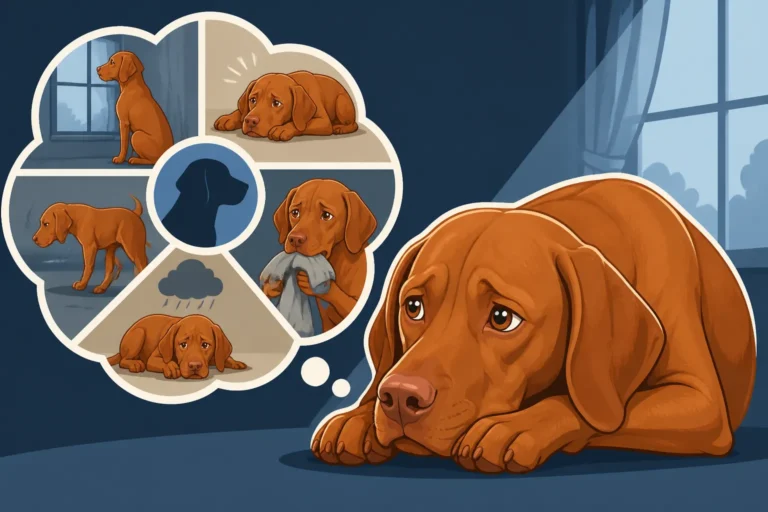
Separation anxiety in a Vizsla isn't about being angry or spiteful; it's about genuine panic. Imagine suddenly being left alone in a place you consider your safe haven, with no idea when, or if, your most important bond will return. For a Vizsla, this feeling can be overwhelming, triggering a primal fight-or-flight response. They might not be able to articulate their fear, but they express it through frantic attempts to reunite with you or to alleviate their profound stress. This intense bond is part of Why they Call It a Velcro Vizsla, but it's a double-edged sword when they're left alone.
This distress can escalate quickly. What starts as a mild whine or pacing can turn into destructive chewing, scratching, or even attempts to break through barriers. The sheer panic can cause them to override any learned manners, focusing solely on coping with their intense fear. It's a heartbreaking cycle for both dog and owner, as the destruction often leads to frustration, which in turn can inadvertently heighten the dog's anxiety. Learning to recognize Signs a Vizsla Is Suffering Alone is the first critical step.
Under-Exercise and Mental Stagnation
A Vizsla is an athlete, pure and simple. They were bred to work tirelessly in the field, covering vast distances, pointing game, and retrieving fallen birds. This inherent drive for physical activity and mental engagement doesn’t just disappear when they become a family pet. If a Vizsla isn't given appropriate outlets for its energy, that pent-up drive has to go somewhere, and often, it goes into destructive behaviors.
Think of it this way: asking a Vizsla to live a sedentary life is like asking a race car to sit in a garage forever. The engine is still there, roaring to go. A quick walk around the block is rarely enough. These dogs need vigorous exercise that truly tires them out, both physically and mentally. This means significant running, playing, or working. If they aren't properly exercised, they’ll find their own "work," which might involve redecorating your living room with shredded couch stuffing. The Two Hours a Vizsla Needs Before It Will Settle is not an exaggeration for many Vizslas.
Beyond physical exertion, Vizslas are also intelligent and need mental stimulation. Hunting isn't just about running; it requires problem-solving, focus, and intricate communication with their handler. If their minds aren't engaged through training, puzzle toys, scent work, or other activities, they can become bored and frustrated. This mental stagnation, combined with excess physical energy, creates a potent recipe for destruction. They'll chew, dig, and explore with their mouths because it offers some form of engagement, even if it’s inappropriate. Ultimately, Whether an Under Exercised Vizsla Becomes Destructive is often not a question of 'if' but 'when'.
Environmental Triggers and Overstimulation
Sometimes, the world outside your home can also play a significant role in a Vizsla’s anxiety and subsequent destruction. Vizslas are sensitive dogs, and they can be easily spooked or overstimulated by things happening around them, even when you're not there. Loud noises, strange smells, or even the sight of unfamiliar people or animals through a window can trigger a stress response.
For example, constant construction noise next door, a neighbor’s dog barking incessantly, or regular deliveries can make a Vizsla feel vulnerable and anxious when left alone. This external stress can amplify any existing separation anxiety or boredom, pushing them over the edge into destructive coping mechanisms. They might chew, scratch, or bark excessively in an attempt to alleviate their fear or to somehow make the perceived threat go away.
Moreover, a lack of a consistent routine or an unstable home environment can also contribute to a Vizsla's unease. These dogs thrive on predictability. Sudden changes in schedule, frequent moves, or even inconsistent training methods can create an underlying sense of insecurity that makes them more prone to anxiety-driven destruction when left unsupervised. They need a sense of safety and a clear understanding of expectations to feel truly settled.
Common Targets of an Anxious Vizsla's Destruction
When a Vizsla is gripped by anxiety, their destructive impulses aren't always random. Often, there's a method to the madness, driven by instinct, relief-seeking, or an attempt to connect with their missing person. Understanding what they destroy can sometimes offer clues as to why.
Household Furniture and Fixtures
Few things hit home harder than discovering your cherished furniture has become a chew toy. For an anxious Vizsla, the sofa, chairs, or even wooden table legs offer a tempting target. Chewing provides a release for stress and pent-up energy, and the act itself can be self-soothing. If they’re left alone, and particularly if they’re crated or confined in an area with these items, they become prime candidates for destruction.
Beyond chewing, anxious Vizslas might also scratch or dig at carpets, linoleum, or door frames. This can be an attempt to "nest" or create a more secure spot, but it's also often a direct manifestation of their panic. Scratching at a door frame, for example, is usually a desperate effort to escape and find their missing human. It’s a powerful and often shocking demonstration of how intensely they can feel their isolation. We often see evidence that Whether a Vizsla Chews the Door Frame is unfortunately a very real issue for many owners.
The scale of this destruction can range from minor nips and scratches to completely shredded upholstery and deeply gouged wood. It's not uncommon for anxious Vizslas to strip wallpaper, tear up baseboards, or even pull down curtains. These behaviors are not malicious; they are often panic responses, a frantic effort to cope with an unbearable emotional state. The damage is a testament to the powerful, instinctive drives at play.
Personal Belongings and Clothing
Many anxious Vizslas will zero in on items that smell strongly of their owners. This is often an attempt to comfort themselves with something that carries your scent, providing a temporary feeling of closeness. Your dirty laundry, shoes, remote controls, or even books and magazines can become targets. The act of chewing these items, saturated with your scent, can be deeply soothing for a dog in distress.
It's a bittersweet discovery when you find your favorite pair of shoes or a beloved blanket destroyed, realizing your dog was likely trying to feel closer to you. This behavior speaks volumes about their deep attachment and their struggle when that attachment is severed, even temporarily. They aren't thinking about the monetary value or your sentimentality; they're thinking about survival and comfort in your absence.
Another common target is anything left within reach on countertops or tables. While some counter-surfing can be simple opportunism, for an anxious Vizsla, it can also be part of a broader exploration for comfort, or a distraction from their distress. They might pull down tea towels, tablecloths, or even small decorative items, then proceed to shred or chew them. This kind of destruction points strongly to their internal struggle rather than mere mischief.
Doors, Crates, and Escape Attempts
Perhaps the most heartbreaking and dangerous form of destructive anxiety is the desperate attempt to escape. Vizslas are intelligent and determined, and if they feel trapped or terrified, they will put an astonishing amount of effort into getting out. This often means severe damage to doors, windows, and crates. A Vizsla can claw and chew through solid wood door panels, bend metal bars on a crate, or even break through glass in their frantic efforts to escape confinement and find their people.
The damage to crates can be particularly distressing. What was intended as a safe haven can become a prison in the dog's anxious mind. They might chew the plastic tray, bend or break the wire, or even injure themselves attempting to get out. This kind of destruction indicates a high level of panic and a strong need for intervention beyond simple management. Whether Crate Training Helps a Vizsla is a nuanced question when separation anxiety is severe; a crate can sometimes exacerbate the panic if not introduced and used correctly.
These escape attempts aren't just destructive to property; they can be incredibly dangerous for the Vizsla. Dogs have severely injured their teeth, gums, paws, and even internal organs trying to force their way out of a crate or a room. It's a clear sign that the dog is in profound distress and their coping mechanisms are self-destructive. It highlights the urgent need to address the root cause of their anxiety before serious harm occurs.
The Emotional and Financial Toll of Destruction
Living with an anxious, destructive Vizsla takes a significant toll, not just on your home but on your emotional well-being and your wallet. It’s easy to feel frustrated, overwhelmed, and guilty, and these feelings are entirely valid. Recognizing the broader impact helps to frame the problem and motivate solutions.
The Heartbreak of Coming Home to Chaos
There's a unique kind of dread that sets in when you approach your front door, wondering what new landscape of destruction awaits you. That initial wave of relief at being home is often immediately replaced by a sinking feeling as you survey the damage. It's not just about the mess; it's about the feeling of betrayal, the frustration of repeated incidents, and the worry about your dog's state of mind. You might wonder, "Does my Vizsla hate being here?" or "Am I a bad owner?"
This emotional burden can be heavy. You love your dog fiercely, but the constant destruction can strain the bond and make you hesitant to leave them alone. It can lead to guilt, as you know your dog is likely suffering, and helplessness, as solutions seem elusive. The chaos they leave behind is a physical manifestation of their inner turmoil, and witnessing it repeatedly can chip away at your patience and joy.
Furthermore, the embarrassment of having friends or family visit can be profound. Trying to explain why your beautiful, intelligent Vizsla has decided to remodel the living room with stuffing and splinters is never easy. This can lead to social isolation, as you might avoid leaving your dog or having guests over. The emotional toll of constantly managing and cleaning up after anxiety-driven destruction is a significant, often unspoken, struggle for many Vizsla owners.
Repair and Replacement Costs
Beyond the emotional cost, the financial implications of an anxious Vizsla's destructive habits can be staggering. Replacing a sofa, repairing chewed furniture, or even repeatedly cleaning carpets can add up incredibly quickly. These aren't minor expenses; they can easily run into hundreds or even thousands of dollars over time, creating a significant burden for any household budget.
Consider the cost of replacing a door frame that’s been gnawed down to the studs, or new flooring after your Vizsla has dug through the old. Even small items like shoes, electronics, or books can represent substantial cumulative expenses. Many owners find themselves in a constant cycle of temporary fixes, only for the damage to reappear in another spot. This continuous drain on resources can be incredibly stressful and demoralizing.
And it’s not just the direct replacement costs. There are often hidden expenses, like hiring contractors for repairs, professional carpet cleaning, or even replacing damaged items you'd intended to keep for years. While you can budget for routine pet care, the unpredictable nature and scale of anxiety-driven destruction can quickly derail financial plans. Understanding What a Vizsla Costs a Year to Keep should definitely include a contingency for these potential damages.
Impact on the Vizsla's Well-being
It’s easy to focus on the tangible damage, but it’s crucial to remember the immense impact this anxiety has on your Vizsla’s own well-being. A dog that is regularly destroying things is a dog that is consistently experiencing significant stress and fear. This isn't a state of happiness or contentment; it's a state of chronic distress that can have serious long-term health implications.
Chronic anxiety can lead to a host of physical problems, including digestive issues, a weakened immune system, and behavioral escalation. A dog constantly in a state of panic or high alert is not living its best life. They might suffer from compulsive behaviors, loss of appetite, or even self-mutilation as they try to cope. The act of destructive chewing itself can lead to broken teeth, ingested foreign objects requiring emergency surgery, or cuts and abrasions.
Furthermore, if the destructive behavior leads to punishment, it only compounds the Vizsla’s fear and distrust, making the anxiety worse. This creates a vicious cycle where the dog’s attempts to self-soothe or escape are met with negative reactions, further deepening their emotional distress. A Vizsla thriving is a Vizsla that feels safe, secure, and understood, not one living in a constant state of internal panic.
Strategies for Mitigating Destructive Anxiety in Vizslas
While the challenges of an anxious Vizsla can feel overwhelming, there are many proactive and positive strategies you can implement to help your dog cope, reduce destructive behaviors, and ultimately find more peace when left alone. It requires patience, consistency, and a deep understanding of your Vizsla's needs.
Enhancing Exercise and Mental Stimulation
The first line of defense against anxiety-driven destruction in a Vizsla is often simply meeting their fundamental need for activity. These dogs are athletes, and they need appropriate outlets for their boundless energy. This isn't just about a quick walk around the block; it's about intentional, vigorous exercise that truly tires both their bodies and minds.
Aim for at least one to two hours of intense physical activity daily. This could involve off-leash running in a safe, fenced area, long hikes, swimming, or vigorous games of fetch. Activities like The Exercise a Vizsla Needs Every Day are paramount, and they should be tailored to your dog's age and physical condition. Consider activities like canicross or bikejoring if you're an active person yourself, as these sports allow your Vizsla to run at their natural speed. A tired Vizsla is a much less anxious and destructive Vizsla.
Beyond physical exercise, mental stimulation is equally crucial. Incorporate daily training sessions, even short ones, to keep their minds engaged. Puzzle toys, interactive feeders, and scent work (like hiding treats or playing 'find it') can provide excellent mental enrichment when you can't be actively training. Enrolling in dog sports like agility or obedience classes can also provide a wonderful combination of physical and mental challenge. Remember, a bored Vizsla is a creative Vizsla, and their creations are rarely what you want!
Structured Training and Desensitization
Addressing separation anxiety specifically requires a systematic approach to training and desensitization. The goal is to gradually teach your Vizsla that being alone is not a terrifying experience, but rather a normal, calm part of their day. This process can be slow, but consistency is key.
Start by making your departures and arrivals non-events. Avoid dramatic goodbyes or overly enthusiastic greetings, as these can heighten their anxiety about you leaving or returning. Practice short departures, literally just a few seconds, and slowly increase the duration over many sessions. The idea is to keep your Vizsla under their anxiety threshold, meaning they never reach a state of panic during your absence. A resource like BAXTER & Bella’s online puppy school can be incredibly helpful here, offering structured lessons and support for training a confident, well-adjusted dog from a young age, including strategies for Teaching a Vizsla to Be Alone properly. Their programs often guide you through these incremental steps, making the process less daunting.
For more severe cases, consider incorporating "safe signals" – specific cues that tell your dog you will return, such as a particular scent, piece of music, or even leaving a favorite blanket. Pair these signals with short, successful absences, so they become a positive predictor of your return. How Many Hours a Vizsla Can Be Left Alone safely often depends entirely on this careful desensitization process, building their confidence step-by-step. It's about slowly reprogramming their emotional response to being alone.
Creating a Safe and Secure Environment
While working on the underlying anxiety, it's also essential to create a safe, destruction-proof environment for your Vizsla when they are left unsupervised. This means managing their access to potential targets and providing appropriate alternatives.
Dog-proofing your home is paramount. Remove any tempting items that could be chewed, shredded, or ingested. This includes shoes, books, remote controls, and even decorative items. For furniture, consider temporary barriers or covers to deter chewing. Providing a range of appropriate chew toys is critical – durable rubber toys, treat-dispensing toys, and tough nylon bones can redirect their chewing instincts to acceptable outlets. You can find a fantastic selection of durable chew toys and enrichment items on Amazon, perfect for keeping an active Vizsla occupied and preventing them from turning your belongings into their next project.
If using a crate, ensure it is a safe, comfortable, and adequately sized space. Introduce the crate positively, making it a desirable den rather than a punishment. Feed meals in the crate, offer high-value treats, and ensure it’s cozy with soft bedding. For anxious dogs, a robust, secure crate is vital to prevent escape and injury. Some dogs, however, do better in a dog-proofed room or pen rather than a crate if their anxiety is extreme. Remember, the goal is safety and comfort, not confinement that exacerbates fear.
| Destructive Behavior | Potential Underlying Cause | Management Strategies | Recommended Tools (Examples) |
|---|---|---|---|
| Chewing Furniture | Anxiety, Boredom, Teething | Increase exercise, provide appropriate chew toys, dog-proof area, desensitization | Durable rubber toys, puzzle feeders, bitter apple spray, crate (if positive) |
| Scratching/Digging | Escape attempt, Panic, Nesting | Secure confinement, enrichment, consistent routine, positive reinforcement | Heavy-duty crate, baby gates, hard-wearing floor mats, scent games |
| Shredding Objects | Stress relief, Seeking owner's scent, Boredom | Scent-soothing items (owner's worn shirt), long-lasting chews, increased mental stimulation | Kong Wobbler, Snuffle mat, bully sticks, calming pheromone diffusers |
| Door/Crate Escapes | Severe separation anxiety, Fear, Phobia | Gradual desensitization, secure enclosure, professional behaviorist, medication (if advised) | Crash-tested crate, heavy-duty door guards, professional trainer, veterinary care |
When to Seek Professional Help
While many cases of mild anxiety and destructive behavior can be managed with consistent home strategies, there are times when professional intervention is not just helpful, but essential. Recognizing these signs early can make a significant difference in your Vizsla's long-term well-being and your peace of mind.
Recognizing Persistent or Escalating Behaviors
If you’ve been diligently applying the strategies above – increasing exercise, providing mental stimulation, dog-proofing, and practicing gradual departures – but your Vizsla's destructive behavior persists, or even worsens, it’s a clear sign that you might be dealing with a more complex form of anxiety. This isn't a failure on your part; it simply means your dog needs a different level of support.
Signs that indicate a need for professional help include: severe self-injury attempts during escape, consistent urination or defecation when left alone (not due to house-training issues), incessant barking or howling for prolonged periods, or the inability to leave your Vizsla alone for even a few minutes without immediate panic. If the destruction is not just inconvenient but dangerous to your dog, that’s another strong indicator. Don't feel you have to struggle alone through The First Year With a Vizsla Puppy if these behaviors are developing early and intensely.
These persistent and escalating behaviors suggest that the underlying anxiety is profound and may not respond to general behavioral modifications alone. It’s important to remember that these behaviors are not "bad" or "spiteful," but rather symptoms of deep emotional distress that your Vizsla cannot manage on their own.
Consulting a Veterinarian or Certified Behaviorist
When you identify these more severe or persistent symptoms, the very first step should be a visit to your veterinarian. They can rule out any underlying medical conditions that might be contributing to the anxiety or destructive behavior. Pain, hormonal imbalances (like Thyroid Failure in a Vizsla), or other health issues can manifest as anxiety, and addressing them medically might resolve or significantly improve the behavioral issues.
If medical causes are ruled out, your vet can then refer you to a certified professional dog trainer specializing in behavior, or a veterinary behaviorist. These professionals have the expertise to accurately diagnose the specific type and severity of anxiety (e.g., separation anxiety, noise phobia, generalized anxiety) and develop a tailored treatment plan. A certified behaviorist, for example, can offer insights and techniques far beyond what a typical puppy class might cover.
A veterinary behaviorist, who is a veterinarian with specialized training in animal behavior, can also prescribe medication if deemed necessary. For severe anxiety, medication can be a crucial tool to help calm your Vizsla enough to actually benefit from behavioral modification training. It’s not a magic bullet, but it can create a window of opportunity for learning and healing. These experts will work with you to create a comprehensive plan that addresses both the physical and emotional aspects of your Vizsla's anxiety.
Exploring Ancillary Support Options
In conjunction with professional guidance, there are several ancillary support options that can help create a more calming environment for your anxious Vizsla. These are rarely standalone solutions but can be very effective when used as part of a broader strategy.
Pheromone diffusers or collars, containing synthetic canine appeasing pheromones, can help create a sense of calm and security for some dogs. These products mimic the natural pheromones a mother dog produces to soothe her puppies. Calming supplements, often containing ingredients like L-theanine, tryptophan, or various herbal extracts, are also available and might help reduce anxiety in some individuals. Always discuss these options with your veterinarian to ensure they are safe and appropriate for your Vizsla, especially if they are already on any medication.
Creating a predictable routine is another powerful tool. Vizslas thrive on routine and knowing what to expect. Consistent feeding times, exercise schedules, and training sessions can significantly reduce uncertainty and, therefore, anxiety. Sometimes, even the presence of a second, calm, well-adjusted dog can help alleviate a Vizsla's separation anxiety, but this isn't a guaranteed fix and should be approached with caution and professional advice. Whether a Second Dog Fixes a Vizsla's Anxiety is complex and highly dependent on the individual dogs and circumstances.
Ultimately, addressing an anxious Vizsla's destructive behavior is a journey that requires patience, commitment, and often, the help of professionals. But with the right approach, you can transform your home from a battlefield into a haven, allowing your Vizsla to live a happier, more peaceful life.
Disclaimer
This article is for general informational purposes only and does not constitute professional advice. Laws, prices and regulations vary by location and change over time. Consult a qualified professional for guidance on your specific situation.