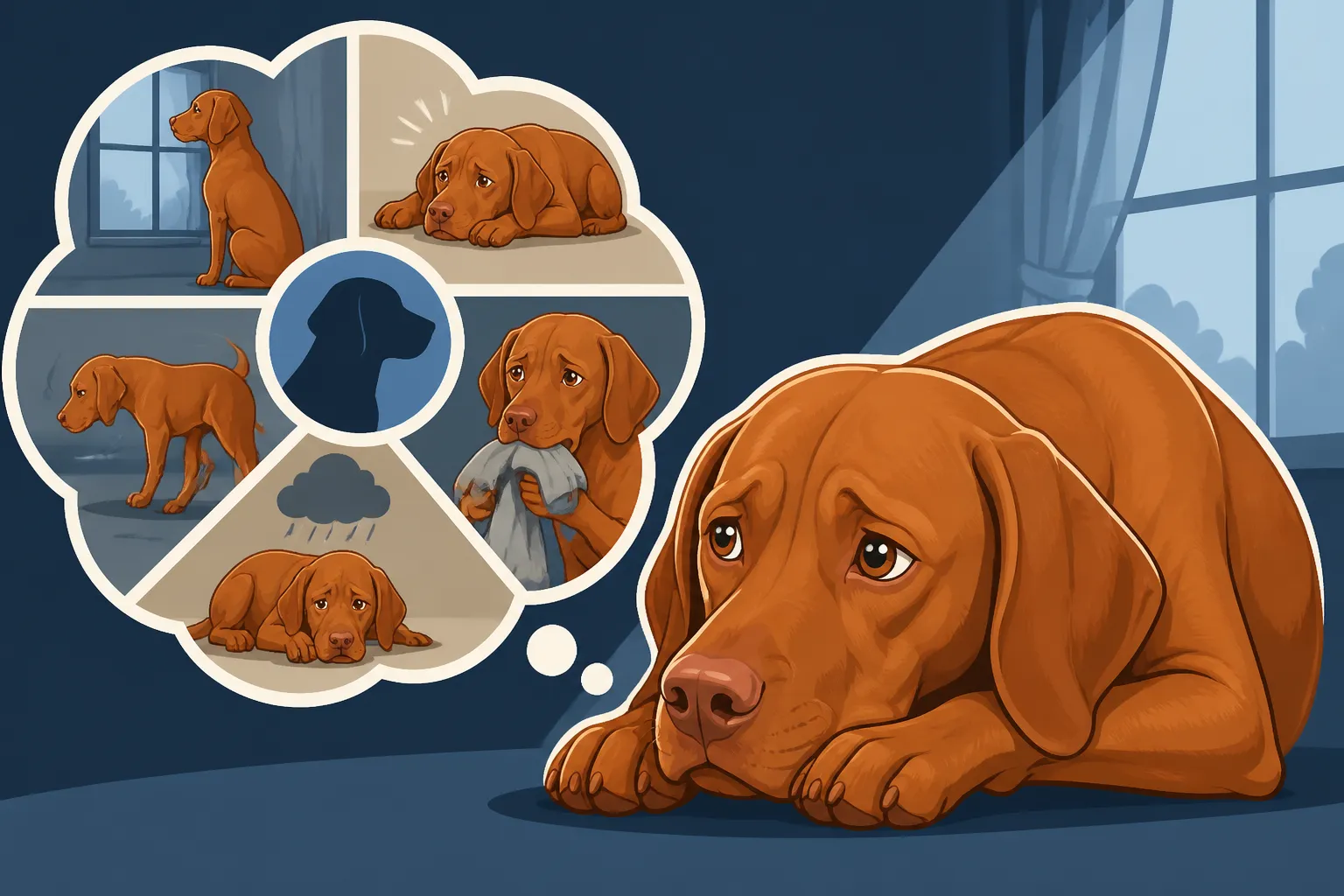
Signs a Vizsla Is Suffering Alone
It’s heartbreaking to think your beloved Vizsla might be struggling when you’re not around, but many owners find themselves facing this very real and often frustrating challenge. These sensitive, deeply attached dogs can develop genuine distress when left alone, manifesting in behaviors that are far more than just "naughtiness." This guide aims to help you recognize the subtle and overt signs that your Vizsla is suffering alone, so you can begin to understand and address their underlying anxiety.
Understanding the Vizsla's Need for Companionship
Vizslas are famously known as "Velcro Vizslas" for a reason – they thrive on companionship and physical closeness with their human families. This isn't just a cute quirk; it's deeply ingrained in their breed's history and temperament. Bred to work closely with hunters, these dogs developed an intense bond and reliance on their human partners. This genetic predisposition means that for many Vizslas, being truly alone is an unnatural and often terrifying experience. They aren't just bored; they can genuinely panic.
Think about it from their perspective: one moment they are surrounded by their pack, feeling safe and secure, and the next, silence. For a dog wired for constant interaction, this can be incredibly disorienting. It's crucial to differentiate between a Vizsla that is merely energetic or a bit mischievous when left alone, and one that is experiencing true separation distress. The latter involves physiological and emotional responses that indicate a deeper problem. Why They Call It a Velcro Vizsla delves deeper into this breed trait, highlighting just how profoundly these dogs bond with their people.
Subtle Body Language Cues Before You Leave
Long before your Vizsla starts destroying the sofa, there can be subtle signs they're anticipating your departure with dread. Many owners miss these initial cues because they're focused on getting out the door. Pay close attention during your morning routine or whenever you prepare to leave the house. Does your Vizsla start to cling a little more? Do they follow you from room to room with an intensity that feels different from their usual "Velcro" behavior?
These cues might include a slight lowering of the head, darting eyes that follow your every move, or a subtle tremor when you pick up your keys. Some Vizslas will try to block your path or push their head into your hand for one last desperate pet. They might even yawn excessively or lick their lips, which are common canine appeasement signals indicating stress. It’s not about them trying to manipulate you; it’s their primitive way of expressing anxiety about the impending separation. This pre-departure ritual of anxiety is a strong indicator that the time alone is not going to be a peaceful one for them.
Mounting Anxiety as You Depart
Once you’ve actually walked out the door, the real suffering can begin almost immediately. If you have a camera setup – and honestly, for Vizsla owners, this is almost a necessity – you might observe a rapid escalation of distress. The moment the door clicks shut, your Vizsla might stand at the door, whining softly, then pacing back and forth, or staring intently at the door.
This isn't just waiting for you; it's an anxious vigil. Their breathing might become shallow and rapid, their eyes wide and dilated. They might circle the room, unable to settle, searching for any sign of your return. This immediate and intense reaction to your absence, often within minutes, is a hallmark of separation anxiety, rather than just boredom. It demonstrates a genuine fear of being alone, rather than just a desire for entertainment.
Post-Arrival Reactions and Clinginess
The way your Vizsla greets you when you return can also offer clues. While all Vizslas are enthusiastic greeters, one suffering from separation anxiety might be excessively frantic. They might jump on you with unusual intensity, whine uncontrollably, or take an unusually long time to calm down. It's as if they're expressing a profound relief that the nightmare of your absence is finally over.
Beyond the initial reunion, observe their behavior for the next hour or two. Do they become hyper-attached, following you even into the bathroom, unable to let you out of their sight? Do they try to sit on your lap, even if they’re a full-grown, sixty-pound dog, pushing their entire weight into you? This exaggerated clinginess is a strong sign that the time spent alone was highly stressful. It’s their way of "checking in" constantly, ensuring you haven't vanished again. You might find more on this specific type of behavior in What Velcro Behavior Looks Like in a Vizsla.
Destructive Behaviors and Their Meaning
When a Vizsla is left alone and experiences anxiety, destructive behaviors aren't about malice or spite; they are often an outlet for profound stress and an attempt to cope or escape. Your dog isn't trying to "get back" at you for leaving; they're trying to alleviate their own suffering.
Targeted Chewing and Gnawing
One of the most common signs of a Vizsla suffering alone is targeted chewing and gnawing, often on items that smell strongly of you or at exit points. This isn't just a puppy chewing shoes; it's often more intense and destructive. You might come home to find cushions shredded, remote controls gnawed beyond recognition, or furniture legs showing deep teeth marks. Sometimes, they target your dirty laundry or blankets, seeking comfort in your scent, but the anxiety overwhelms them, leading to destruction.
This chewing releases endorphins, which can temporarily reduce stress. It's a coping mechanism. If you find your Vizsla has systematically destroyed things that were perfectly fine before you left, especially when they previously showed no such tendencies, it's a huge red flag. Investing in durable, high-quality chew toys, perhaps those readily available on Amazon, can sometimes redirect this behavior, but it won't solve the underlying anxiety. For a deeper dive into the extent of damage an anxious Vizsla can inflict, you might want to read What an Anxious Vizsla Destroys.
Door and Window Damage
Another telling sign of separation distress is damage around doors and windows. A Vizsla might try desperately to dig or chew at the bottom of doors, scratch at door frames, or tear at window sills. This isn't just boredom; it’s often an attempt to escape and find you. The damage can range from minor scratches to deep gouges, splintered wood, or even bent metal if they're particularly frantic.
They might also try to push through screens or blinds, desperate to see outside or follow your last known path. This type of damage indicates a profound desire for reunification and a high level of distress. It's their urgent plea to be released from their solitary confinement. This kind of destructive behavior is rarely seen in dogs who are merely bored; it speaks to a deep sense of panic. Whether a Vizsla Chews the Door Frame can offer more insights into this specific issue.
Inappropriate Urination and Defecation
Discovering urine or feces indoors when your Vizsla is otherwise perfectly house-trained is another strong indicator of anxiety, not defiance. Many owners get frustrated, assuming their dog is being spiteful, but it's rarely the case. Dogs, especially Vizslas with their sensitive natures, can lose bladder and bowel control when under extreme stress.
This can manifest as large puddles of urine, piles of feces, or even stress-induced diarrhea. It's not a deliberate act to mess up your home; it's a physiological response to overwhelming fear. They aren't "punishing" you; their body is reacting to an unbearable situation. If this only happens when they are left alone, and they hold it perfectly well when you are home or when crated with you nearby, then anxiety is a very likely culprit.
Vocalizations and Noise Complaints
A Vizsla suffering alone will often make their distress known through persistent and often loud vocalizations. While some dogs might bark at passersby, an anxious Vizsla's vocalizations are typically continuous and desperate, often leading to complaints from neighbors.
Excessive Barking and Whining
The most common vocal signs are sustained barking and whining. This isn't just a few barks at the mailman; it's often a relentless, high-pitched, and mournful sound that can go on for extended periods. The barking is usually directed at the door or window, a desperate cry for you to return. The whining can be almost incessant, a low, drawn-out plea that tugs at the heartstrings.
If you've ever recorded your Vizsla while you're out, you might be shocked by the sheer volume and duration of their distress calls. Neighbors are usually the first to bring this to an owner's attention, as the noise can be quite disruptive. This kind of vocalization is a clear indication that your dog is not just restless, but genuinely upset and trying to signal for help. Whether a Vizsla Cries When You Leave the Room discusses the deep emotional distress that can manifest as persistent vocalization.
Howling and Baying
Some Vizslas, particularly those with strong ancestral hunting instincts, might escalate their vocalizations to howling or baying. This primal sound is often reserved for feelings of isolation or a desire to call members of their pack back. A mournful howl that echoes through your home is a powerful sign of deep-seated loneliness and panic.
This isn't a playful howl; it’s a lament. It signifies a profound feeling of abandonment and a desperate attempt to communicate with their missing family members. If you hear recordings of your Vizsla howling, it's essential to understand that they are expressing intense emotional pain, similar to how their wild ancestors would call out to their separated pack. This is a far cry from an occasional "woo-woo" when they're excited.
Constant Pacing and Restlessness
While not a vocalization, constant pacing and an inability to settle often accompany the noise. A Vizsla suffering from separation anxiety might walk circuits around the house, unable to lie down or relax. They might follow the same path repeatedly, wearing a track on the carpet, or constantly check the door and windows.
This restlessness is a visible manifestation of their internal agitation. They can't find peace; their body is in a state of hyper-arousal, driven by anxiety. This behavior drains their energy and prevents them from getting any meaningful rest while you are gone, contributing to their overall stress load. A dog that is pacing incessantly is not a comfortable or happy dog.
Self-Mutilation and Obsessive Behaviors
In severe cases of separation anxiety, a Vizsla might turn their distress inward, engaging in self-mutilation or developing obsessive-compulsive behaviors as a way to cope with overwhelming stress. These are particularly worrying signs and require immediate attention.
Licking and Chewing Paws
One common manifestation of stress-induced self-mutilation is excessive licking and chewing of their paws, legs, or flanks. This can lead to raw, irritated skin, hair loss, and even secondary infections. The constant licking provides a small, temporary release of endorphins, a self-soothing mechanism, but it quickly becomes a damaging habit.
You might notice wet patches of fur, stained fur (especially on a golden Vizsla), or even open sores. The dog is essentially trying to soothe themselves, but the behavior itself is harmful. This is a clear sign of chronic stress and anxiety when you are not present. If you find your Vizsla has developed sore spots or hair loss on their paws or body that only seem to appear after you've been away, it’s a strong indicator of profound distress. Whether a Vizsla Licks Itself Raw From Stress can provide more information on this painful symptom.
Tail Chasing and Spinning
Some anxious Vizslas will develop compulsive, repetitive behaviors like tail chasing or spinning in circles when left alone. These behaviors are often self-reinforcing, providing a release for pent-up energy and anxiety. A Vizsla might spin rapidly, chase their tail for extended periods, or even become fixated on a particular spot.
This isn't playful behavior; it's often frantic and difficult to interrupt if you were there. When observed via camera, it can look alarming, almost like a dog in a trance. These behaviors are often indicative of a dog struggling immensely to regulate their emotional state and find an outlet for their internal turmoil. They are literally running in circles from their own anxiety.
Shadow Chasing and Fly Snapping
Another obsessive behavior that can develop in stressed Vizslas is shadow chasing or "fly snapping" at invisible objects in the air. This behavior can seem quirky or even amusing at first, but when it becomes compulsive and happens predominantly when they are alone, it's a sign of profound mental distress. The dog becomes hyper-vigilant and fixated on minor visual stimuli (like dust motes or light reflections) or even hallucinations, creating their own "game" to cope.
This kind of behavior often arises from prolonged periods of over-stimulation or under-stimulation combined with anxiety. It’s a way for their stressed minds to engage and distract themselves, but it's not healthy engagement. It indicates a dog that is not able to settle into a relaxed, calm state in your absence.
Changes in Appetite and Potty Habits
Anxiety can dramatically affect a Vizsla's physiological functions, including their digestive system and eating habits. These changes can be subtle or quite pronounced.
Loss of Appetite or Rapid Eating
A Vizsla suffering from separation anxiety might display extreme changes in how they interact with food. Some dogs will completely refuse to eat any food or treats left for them while you're gone, even if they're usually food-motivated. They might leave their breakfast untouched until your return, indicating that their stress is overriding their hunger drive.
Conversely, some anxious Vizslas will gulp down their food incredibly quickly the moment you leave, almost as a frantic attempt to find comfort or numb their anxiety, only to vomit it up later due to the rapid consumption and stress. This is not normal healthy eating; it's a desperate reaction. Observing this behavior, perhaps through a pet camera easily acquired from Amazon, can be a crucial clue to their distress.
Inappropriate Urination and Defecation
As mentioned earlier, house soiling is a significant sign. It’s important to distinguish this from a dog who simply couldn't hold it long enough. If your Vizsla can hold their bladder for many hours while you are home or sleeping, but consistently urinates or defecates indoors within a short time of your departure, it points strongly to anxiety.
These accidents are usually found near exit points (doors, windows) or in areas that smell strongly of the owner (bed, laundry basket). The dog is not choosing to eliminate inside; their body is responding involuntarily to panic. This is often accompanied by other signs of anxiety, like barking or destruction, rather than being an isolated incident.
Stress Diarrhea
Stress can wreak havoc on a dog's digestive system, and Vizslas are already known to have somewhat sensitive stomachs. For an anxious Vizsla, periods of being left alone can lead to bouts of stress-induced diarrhea. This might be a one-off liquid stool or a series of loose bowel movements.
If you consistently find diarrhea in the house after you've been out, and your dog has a normal stool when you are home, it's a strong indication that their digestive system is reacting to their emotional state. This isn't just an upset tummy; it's a physical symptom of profound psychological distress. It's important to rule out any underlying medical causes with your vet, of course, but if it correlates with your absence, anxiety is high on the list.
Impact on Training and General Demeanor
The pervasive stress of separation anxiety can spill over into other aspects of your Vizsla's life, affecting their trainability, their relationship with you, and their overall well-being.
Regression in Training
A Vizsla suffering from separation anxiety might show a significant regression in their training, especially with commands they previously mastered. They might suddenly seem to "forget" cues they knew perfectly, become less responsive, or struggle to focus during training sessions, even when you are present.
This isn't stubbornness; it's a symptom of their overloaded mental state. Chronic stress impairs a dog's ability to learn and retain information. Their brain is so preoccupied with anxiety, even when you're there, that it struggles to process new commands or perform old ones reliably. It's a sign that their foundation of trust and confidence is being eroded by their fear of being alone.
Increased Clinginess and Hyper-Attachment
While Vizslas are naturally clingy, separation anxiety often takes this trait to an unhealthy extreme. Your dog might develop an inability to cope with even short separations within the home, such as you going into another room or closing a bathroom door. They might whine, scratch, or bark until you reappear.
This hyper-attachment is a constant effort on their part to ensure you don't disappear again. They become shadow-like, unable to relax unless they are in direct physical contact with you. This can be exhausting for both you and your dog, as neither of you truly gets a break. It's a clear signal that the underlying fear of abandonment is deeply impacting their daily life. Teaching a Vizsla to Be Alone provides strategies to build independence in clingy dogs.
General Malaise and Depression
In severe or prolonged cases, the constant stress and fear can lead to a state of general malaise or even depression in a Vizsla. They might seem lethargic, lose interest in toys or activities they once enjoyed, and generally appear subdued even when you are home. Their eyes might seem dull, their body posture slumped.
This isn't just "being tired"; it's a sign that their spirit is being crushed by the weight of their anxiety. A happy, energetic Vizsla who suddenly seems withdrawn and joyless is a cause for serious concern. This can be a long-term consequence of living with untreated separation anxiety. They're not just suffering when you leave; the anticipation and aftermath of your absence taint their entire existence.
Distinguishing Anxiety from Normal Vizsla Behavior
It's important to remember that Vizslas are high-energy, intelligent, and deeply affectionate dogs. Some behaviors that might seem like anxiety could, in fact, be normal puppy antics, boredom, or simply a reflection of their breed traits. The key is to look for consistency, intensity, and context.
| Behavior Trait | Normal Vizsla Behavior | Signs of Separation Anxiety |
|---|---|---|
| Greeting Upon Return | Enthusiastic jumps, tail wags, happy whines, calms down after a few minutes. | Frantic, uncontrollable jumping/whining, takes long time to settle, intense clinging. |
| Chewing | Chews appropriate toys, occasional "mistakes" on interesting items, especially as a puppy. | Targeted destruction of exits (doors, windows) or items with owner's scent, often intense. |
| Vocalization | Barks at visitors/mailman, occasional playful barks, whines for attention. | Persistent, desperate barking, howling, or sustained whining when alone. |
| Following Owner | "Velcro" behavior, follows from room to room, likes to be near. | Panics when owner leaves room, cannot be settled unless in physical contact. |
| Potty Accidents | Accidents due to lack of house-training, illness, or holding too long. | Accidents only when left alone, even if otherwise house-trained. |
| Restlessness | Zoomies, needs exercise, can't settle if under-exercised. | Constant pacing, inability to lie down or relax, regardless of exercise level. |
| Self-Grooming | Occasional licking/chewing paws (e.g., after walk). | Obsessive licking leading to raw skin/hair loss, only when left alone. |
When trying to determine if your Vizsla is suffering alone, look for a cluster of these behaviors, rather than just one isolated incident. The intensity and the specific context of these behaviors—namely, only when left alone—are the strongest indicators of separation anxiety. Donas and BAXTER & Bella provide useful resources and training advice for dogs exhibiting these behaviors, which can be invaluable for owners navigating this difficult issue. Addressing separation anxiety requires patience and a structured approach, often with the help of a professional. If you're concerned about how many hours a Vizsla can be left alone, it's often far less than many other breeds.
What to Do If You Suspect Your Vizsla Is Suffering Alone
If you recognize these signs in your Vizsla, the first step is always to rule out any underlying medical conditions with your veterinarian. Pain or illness can sometimes mimic anxiety symptoms. Once health issues are excluded, you'll want to work on a behavior modification plan.
This often involves very gradual desensitization to your departures, counter-conditioning (associating your departure with something positive), and teaching your Vizsla to be comfortable with solitude in small increments. This isn't a quick fix and requires immense patience and consistency. Some owners find that a high-quality online training program, such as those offered by BAXTER & Bella, can provide a structured curriculum and support system for addressing these complex behavioral challenges.
Consider setting up a camera to monitor your Vizsla's behavior while you're out. Affordable pet cameras are readily available on Amazon and can provide invaluable insights into the duration and intensity of their distress. This visual evidence can also help you track progress and identify triggers. Whether a Camera Shows What a Vizsla Does Alone goes into more detail about how these tools can assist you.
For severe cases, your vet might discuss anti-anxiety medication in conjunction with behavior modification. This isn't a standalone solution but can help your Vizsla be calm enough to learn and respond to training. Sometimes, professional help from a certified dog behaviorist specializing in separation anxiety is the most effective route. They can create a tailored plan for your specific situation. Remember, your Vizsla isn't "acting out"; they're in distress, and with understanding and consistent effort, you can help them feel safe and secure even when you're not by their side.
Disclaimer
This article is for general informational purposes only and does not constitute professional advice. Laws, prices and regulations vary by location and change over time. Consult a qualified professional for guidance on your specific situation.