What Cancer Treatment Costs a Vizsla Owner
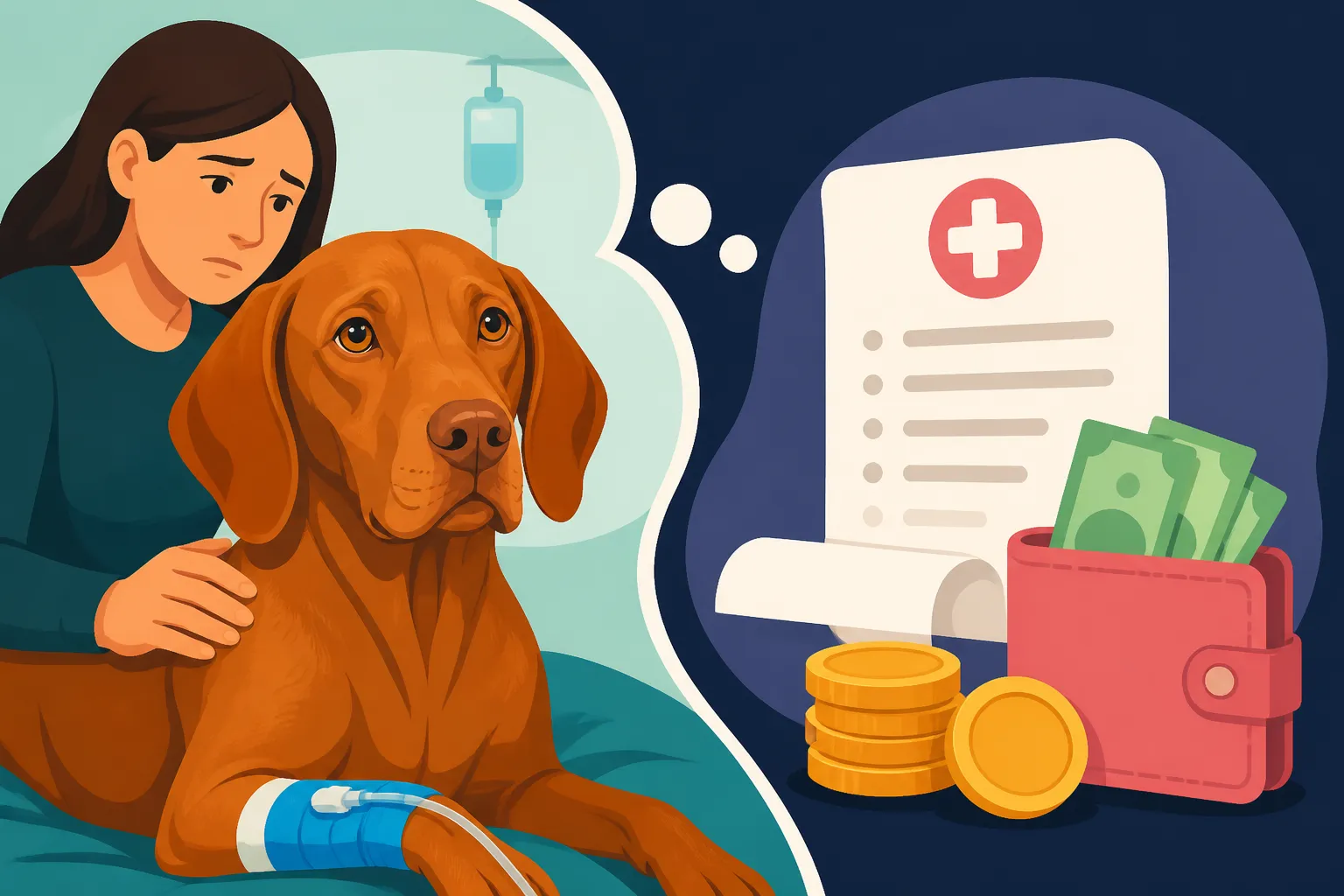
Discovering that your beloved Vizsla has cancer is one of the most heart-wrenching moments a dog owner can face. Beyond the emotional turmoil and the fear for their health, the immediate question that often looms large is: "What will this cost?" It's a heavy burden to bear, trying to balance your dog's well-being with the very real financial realities of advanced veterinary care. This guide aims to break down the various expenses involved in cancer treatment for a Vizsla, helping you understand the financial journey ahead and how to navigate it as effectively as possible.
The Journey Begins: Initial Diagnosis and Staging Costs
When you first notice something amiss with your Vizsla – maybe a new lump, a persistent cough, or a general slowdown – your immediate instinct is to get them to the vet. This first step, while crucial, sets in motion a series of diagnostic procedures, each with its own cost implications, that can quickly add up even before treatment begins.
The First Vet Visit and Basic Tests
Often, the journey to a cancer diagnosis starts with a routine check-up, or a specific concern you bring to your primary care veterinarian. They might feel a suspicious lump during palpation, or observe other symptoms like unexplained weight loss or lethargy that point to something more serious. Your vet will typically recommend a thorough physical examination, and then suggest initial diagnostics. These might include a complete blood count (CBC) to check for abnormalities in blood cells, a chemistry panel to assess organ function, and a urinalysis. These are foundational tests and are generally the most affordable part of the diagnostic process.
However, if these initial tests raise red flags, or if there's a visible mass, your vet might recommend further steps. This could involve fine needle aspirates (FNAs) of any lumps or enlarged lymph nodes, which are quick procedures where a small sample of cells is taken and examined under a microscope. While less invasive and costly than a full biopsy, an FNA doesn't always provide a definitive answer regarding the type or aggressiveness of the cancer, often leading to more expensive follow-up diagnostics.
Advanced Diagnostics and Specialist Referrals
Once your regular vet has gathered initial information, or if they suspect a complex case, they might recommend more advanced imaging or refer you to a veterinary oncologist. This is where the financial commitment typically escalates significantly. Advanced diagnostics are critical for staging the cancer – determining its type, how aggressive it is, and if it has spread (metastasized) to other parts of the body.
These advanced procedures can include radiographs (X-rays) of the chest and abdomen to look for spread to the lungs or other organs. An abdominal ultrasound is another common diagnostic tool, allowing detailed visualization of internal organs for any masses or abnormalities. If the cancer is suspected in the bones or brain, specialized imaging like a CT scan or an MRI might be necessary. Each of these imaging techniques comes with a higher price tag than basic X-rays.
Crucially, obtaining a definitive diagnosis often requires a biopsy, where a larger piece of tissue is surgically removed and sent to a specialized veterinary pathologist. The pathologist's report will confirm the type of cancer, its grade (how aggressive it appears), and whether the surgical margins are clear, which is vital for planning subsequent treatment. The combination of specialist consultations, advanced imaging, and pathology reports can represent a substantial initial investment in your Vizsla's care. Understanding What an Ultrasound Costs on a Vizsla can give you an idea of one part of this diagnostic phase.
Understanding Treatment Options and Their Financial Implications
Once a diagnosis is confirmed and the cancer is staged, your veterinary oncologist will discuss a range of treatment options. Each option carries its own set of procedures, medications, and associated costs, and the choice often depends on the type of cancer, its stage, your Vizsla's overall health, and your financial comfort level. This is a difficult conversation, as you want to do everything possible, but you also need to be realistic about what is sustainable.
Surgical Intervention
For many solid tumors, surgery is often the first and most direct line of attack. The goal is to remove as much of the cancerous tissue as possible, and in some cases, it can even be curative. However, surgical costs vary widely depending on the tumor's size, location, and complexity. A simple skin tumor removal is far less involved than, say, removing a splenic tumor or a mass from a vital organ.
Surgical expenses typically include pre-surgical bloodwork to ensure your Vizsla is healthy enough for anesthesia, the cost of the surgery itself (surgeon's fees, operating room time, anesthesia monitoring), hospitalization for recovery, and post-operative pain management medications. There will also be follow-up visits to check incision sites and ensure proper healing. For some cancers, like certain types of mast cell tumors, wider margins or even a second surgery might be necessary if the first biopsy shows incomplete removal, adding to the overall cost. For breeds like Vizslas, with their active nature, ensuring proper healing and activity restriction post-surgery can be a challenge. Lumps Worth Checking on a Vizsla offers more insight into early detection of these issues.
Chemotherapy and Radiation Therapy
If surgery isn't possible, isn't curative, or if the cancer has spread, chemotherapy or radiation therapy may be recommended. These are advanced treatments usually administered by board-certified veterinary oncologists.
Chemotherapy for dogs is different from human chemotherapy; the goal is typically to improve quality of life and slow disease progression, often with fewer severe side effects. It's usually administered in a series of sessions, which can range from oral medications you give at home to intravenous infusions at the clinic. Each session, and the associated medications, contributes to the ongoing cost. The total expense depends on the specific drugs used, the duration of treatment, and the frequency of administration. Regular blood tests are also needed throughout chemotherapy to monitor your Vizsla's health and ensure they are tolerating the treatment well. Whether a Vizsla Survives Chemotherapy explores the outcomes of this treatment.
Radiation therapy is a highly specialized treatment, less common than chemotherapy due to its limited availability and higher cost. It involves using high-energy radiation to target and destroy cancer cells. This treatment often requires multiple sessions, with your Vizsla needing to be anesthetized for each one to ensure they remain perfectly still. The equipment is expensive, and the expertise required means radiation therapy is typically offered only at large veterinary specialty hospitals or university settings, making it a very significant financial outlay.
Other Therapies and Palliative Care
Beyond surgery, chemo, and radiation, there are other supportive and advanced therapies that can be part of a Vizsla's cancer treatment plan. These might include immunotherapy, which aims to boost your dog's own immune system to fight cancer, or targeted therapies that focus on specific molecular pathways. These are often newer, cutting-edge options that can also be quite costly.
Sometimes, the most humane and appropriate path is palliative care. This focuses on managing pain, discomfort, and maintaining your Vizsla's quality of life rather than aggressively trying to cure the cancer. While it may not involve expensive surgeries or chemotherapy, palliative care still incurs costs. These include medications for pain management, anti-inflammatories, anti-nausea drugs, and potentially appetite stimulants. Regular vet visits for reassessments and adjustments to medication dosages are also part of this care. Even at home, maintaining comfort can involve special bedding or mobility aids, all adding to the financial picture. Understanding The Cancers That Take a Vizsla Early can help prepare owners for the possibility of these difficult decisions.
Managing the Long-Term Financial Burden and Support
The financial strain of a cancer diagnosis isn't just about the upfront costs; it's a marathon, not a sprint. Managing the ongoing expenses and knowing where to find support can make a huge difference in your ability to provide the best care for your Vizsla.
Pet Insurance and Financial Planning
Many Vizsla owners consider pet insurance, and for a breed prone to certain health conditions, it can be a valuable safety net. Providers like Healthy Paws offer various plans that can cover a significant portion of diagnostic tests, treatments, and medications for unexpected illnesses, including cancer. However, it's crucial to understand that pet insurance typically operates on a reimbursement model – you pay the vet upfront, and then submit a claim for repayment. Moreover, pre-existing conditions are almost universally excluded. This means if your Vizsla is diagnosed with cancer before or shortly after you enroll, the treatment likely won't be covered. This highlights the importance of getting insurance early in your dog's life, ideally when they are a puppy.
Beyond insurance, proactive financial planning is key. Setting aside money specifically for potential veterinary emergencies or serious illnesses can provide peace of mind. Many families have a dedicated "Vizsla fund" or emergency savings account. Even if you don't have pet insurance, having some funds readily available can alleviate immediate stress and allow you to focus on your dog's care rather than agonizing over payment methods. It's a sobering thought, but Setting Money Aside for a Vizsla's Vet Bills is a practical step many owners take. And it's wise to consider Whether Cancer Is Covered on a Vizsla Policy when looking at insurance plans.
| Stage of Care | Typical Expenses Involved | Cost Impact |
|---|---|---|
| Initial Concern | Vet visit, basic bloodwork, urinalysis, general exam | Minor to Moderate |
| Diagnosis | Advanced bloodwork, X-rays, ultrasound, FNA, specialist consults, biopsy, pathology | Moderate to High |
| Staging | CT/MRI scans, further specialist consults, lymph node analysis | High to Very High |
| Surgery | Pre-op bloods, anesthesia, surgical procedure, hospitalization, post-op meds | High to Very High |
| Chemotherapy | Consults, drug costs (per session), blood monitoring, ongoing vet visits | Moderate to High |
| Radiation Therapy | Specialist consults, multiple anesthesia sessions, radiation treatments | Very High |
| Palliative Care | Pain medications, anti-nausea drugs, appetite stimulants, quality of life visits | Moderate (ongoing) |
| Supportive Care | Special diets, supplements, mobility aids, comfort items | Moderate (ongoing) |
Exploring Payment Plans and Assistance Programs
The good news is that many veterinary hospitals recognize the financial strain of cancer treatment and are willing to work with pet owners. Don't be afraid to ask about payment plans directly with your veterinary clinic. Some clinics offer in-house installment plans, or they may partner with third-party medical credit providers that offer deferred interest options for a certain period. These can help spread out large expenses over several months, making treatment more accessible.
Additionally, there are various non-profit organizations and foundations dedicated to helping pet owners afford veterinary care, including cancer treatments. Some are breed-specific, while others are general animal welfare organizations. While they often have strict eligibility requirements and funding can be limited, it's always worth researching and applying. These programs can offer grants or subsidies that cover a portion of treatment costs, providing a much-needed lifeline during a difficult time.
Home Care and Quality of Life Costs
Even after active treatment, or if your Vizsla is on palliative care, there are ongoing costs associated with maintaining their comfort and quality of life at home. This can include specialized prescription diets to support their immune system or manage side effects, which you might find yourself ordering from retailers like Chewy for convenience, or exploring fresh food options from services like Ollie, which can offer tailored nutrition plans for sensitive stomachs or specific health needs. These specialized foods can be more expensive than regular kibble, but they play a vital role in recovery and well-being.
Your Vizsla might also need various supplements, continued pain medications, or other drugs to manage symptoms. Furthermore, cancer can sometimes lead to decreased mobility or other physical challenges, necessitating items like orthopedic beds, ramps, or harnesses to help them move around comfortably. Creating a warm, quiet, and supportive environment is paramount for a Vizsla undergoing cancer treatment, and these comfort items also contribute to the long-term financial picture. Ensuring your Vizsla Has a Sensitive Stomach is often a consideration for diet changes during these times, and you might wonder What Fresh Food Costs for a Vizsla as a specialized option.
Ultimately, the cost of cancer treatment for a Vizsla is highly variable, ranging from hundreds to tens of thousands of dollars, depending on the type and stage of cancer, the chosen treatments, and the duration of care. It's an immense financial and emotional challenge, but by understanding the potential expenses and exploring all available options, you can make informed decisions to give your beloved companion the best possible chance at a comfortable and extended life.
Disclaimer
This article is for general informational purposes only and does not constitute professional advice. Laws, prices and regulations vary by location and change over time. Consult a qualified professional for guidance on your specific situation.