What Traveling to Trials Costs a Vizsla Owner
If you're dreaming of competing with your Vizsla in field trials, you've probably already started looking at entry fees and training expenses. But there's a whole other side of the ledger that can really add up: the cost of getting there. Traveling to trials with your energetic Hungarian pointer isn't just about showing up; it involves a complex web of logistics and expenses that can surprise even the most seasoned dog owner. This guide will meticulously break down the various costs associated with trial travel, helping you budget wisely and avoid unexpected financial hurdles on your journey to success.
The Foundation: Initial Gear and Vehicle Preparedness for the Road
Before you even hit the road for your first trial, there are foundational investments to consider. Traveling with a Vizsla, especially one that's going to be working hard, isn't quite the same as a casual road trip. These dogs have specific needs, and being prepared can save you a lot of headaches – and money – down the line.
Equipping Your Vehicle for Canine Travel
Your primary mode of transport needs to be up to snuff for carrying a canine athlete and all their gear. This isn't just about comfort; it's about safety and efficiency.
Imagine packing your Vizsla, their crate, several bags of food, water jugs, training equipment, and your own luggage into a sedan. It's doable for a short trip, maybe, but for serious trial travel, especially across states, it quickly becomes unmanageable and uncomfortable for everyone involved. Many Vizsla owners find themselves investing in a larger vehicle, like an SUV or a truck, specifically for this purpose. This is a significant upfront cost, but it can be a game-changer for regular trial attendance.
Beyond the vehicle itself, consider specialized containment. A sturdy, well-ventilated crate is non-negotiable for safety. While a basic crate might suffice for home, traveling often means investing in a crash-tested crate or a custom dog box designed for truck beds or cargo areas. These provide superior protection in the event of an accident and can offer better climate control than a standard wire crate. Such a setup could range from a few hundred dollars to well over a thousand, depending on the size and features. Think about how much peace of mind it offers knowing your beloved companion is as safe as possible on the highway. We often discuss What a Truck Kennel Box Costs a Vizsla Owner because it's such a significant, but often necessary, expense for competitive owners.
Essential Travel and Field Gear
You'll also need a suite of specialized gear for your Vizsla specifically for travel and field work. This goes beyond their everyday leash and collar.
For navigation and safety in vast open fields, a GPS collar is an absolute must for many handlers. These devices allow you to track your Vizsla's location in real-time, which is invaluable when they're ranging wide after a bird. Losing a dog at a trial isn't just heartbreaking; it can be incredibly disruptive and potentially dangerous. While the upfront cost of a good GPS collar and its associated subscription might seem high, it’s a tiny fraction of the emotional and practical cost of a lost dog. We've talked before about What a GPS Collar Costs for a Vizsla because it's truly an investment in their safety and your peace of mind.
Furthermore, you'll need a proper field vest for yourself, designed to carry shells, water, a first-aid kit, and possibly a brace of birds. And don't forget your Vizsla's own protective gear. Depending on the terrain and weather, they might need a blaze orange vest for visibility, especially during hunting seasons, or even paw protection like boots if you're traversing particularly rough or icy ground. These items aren't just accessories; they are vital tools that ensure both your safety and your dog's performance and well-being. Keeping a well-stocked first-aid kit, with supplies suitable for both you and your dog, is also crucial, especially when you're often far from immediate veterinary care.
The Recurring Costs: Trial Entries, Fuel, and Accommodation
Once your foundational setup is in place, the recurring expenses associated with actually attending trials become the next big consideration. These are the costs that hit your wallet every time you decide to compete.
Event Entry Fees and Association Memberships
The most obvious recurring cost is the trial entry fee itself. These fees vary widely depending on the type of trial (hunt test, field trial, agility, etc.), the organizing club, and the prestige of the event. A single entry might be a modest amount, but if you're entering multiple stakes or bringing more than one dog, it adds up quickly. Clubs often offer multi-entry discounts, but it's still a substantial part of your budget. For a deeper dive into these figures, refer to our discussion on What a Hunt Test Entry Costs for a Vizsla.
Beyond individual entry fees, many organizations require annual membership to participate in their sanctioned events. This could be a national breed club, a specific hunt test association, or an all-breed kennel club. These memberships provide access to trials, newsletters, and often contribute to breed-specific health initiatives, but they are another recurring line item. You'll also encounter costs for registering your dog with the relevant bodies if they aren't already.
Fuel, Food, and Lodging on the Road
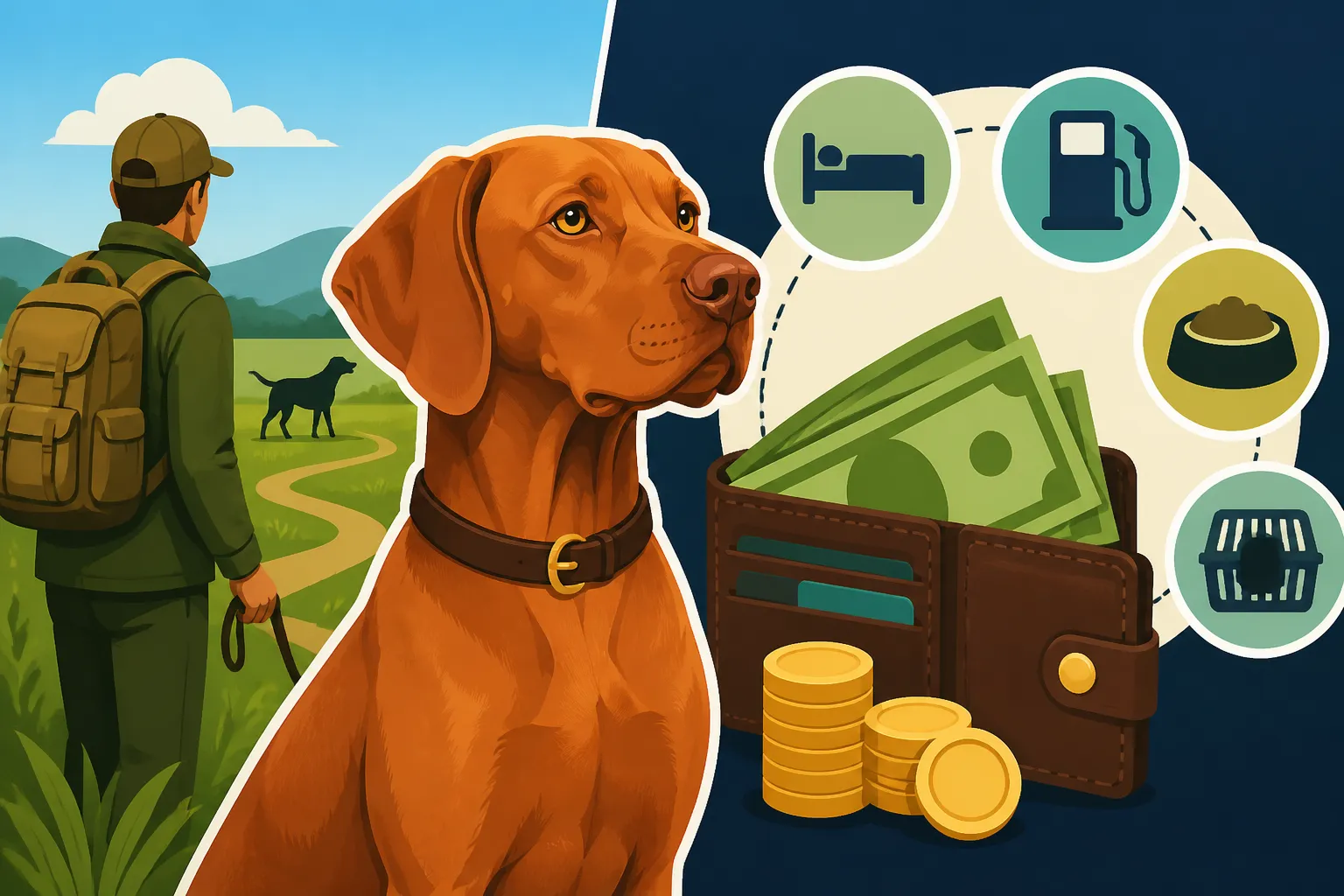
Fuel costs are perhaps the most volatile and unavoidable expense. Traveling long distances for trials means significant gas bills. Even if a trial is only a few hours away, those miles add up over a season. If you're consistently traveling several states over, you'll feel the pinch at the pump. Budgeting for fuel should be generous, accounting for potential price fluctuations and the mileage efficiency of your vehicle, especially if it's loaded down.
Accommodation is another major factor. While some trial grounds offer primitive camping, most owners opt for hotels or motels. Finding dog-friendly lodging can be a challenge, and often comes with an additional pet fee per night. These fees can sometimes equal the cost of an extra person, so it's wise to factor them in. Planning ahead and booking pet-friendly rooms well in advance can sometimes lead to better rates, but these costs are non-negotiable for comfort and convenience. Occasionally, a whole group of Vizsla handlers will pool resources and rent a large house or cabin near the trial grounds, which can sometimes be more cost-effective and certainly more social.
Then there's your Vizsla's diet. A working Vizsla needs a performance formula, especially during intense trial seasons. You might notice they burn through their regular kibble much faster when under the stress and exertion of a trial. Hauling large bags of their preferred food, ensuring consistent feeding schedules, and perhaps even supplementing their diet with extra calories or specific joint support (we've talked about Whether a Vizsla Needs a Performance Formula and How Much Food a Working Vizsla Eats Monthly) adds another layer of expense. Some owners even consider specialized, high-energy fresh food options like those offered by Ollie when their dogs are competing at peak levels, believing it gives them an edge in performance and recovery.
The Full Weekend Financial Picture
Putting it all together, a single trial weekend can easily rack up hundreds of dollars, sometimes more, even without unexpected issues.
| Expense Category | Typical Impact per Trial Weekend | Considerations |
|---|---|---|
| Entry Fees | Moderate to High | Varies by event type and number of entries. |
| Fuel | Varies (Distance-dependent) | Directly tied to distance and vehicle MPG. |
| Accommodation | Moderate to High | Pet fees common, booking in advance can help. |
| Food (Human & Canine) | Moderate | Pack smart, special performance dog food can add up. |
| Miscellaneous Supplies | Low to Moderate | Batteries for GPS, water, poop bags, cleaning supplies. |
| Emergency Fund Allocation | Recommended | For unexpected vet visits, repairs, or re-scheduling. |
This table gives you a snapshot, but always remember that individual circumstances, such as the distance you travel, the number of dogs you enter, and your lodging choices, will heavily influence your actual costs. A full breakdown of What a Field Trial Weekend Costs a Vizsla Owner offers more comprehensive insights.
Mitigating Unexpected Expenses and Long-Term Considerations
Even with careful planning, trial travel can throw curveballs. It's vital to have a strategy for unexpected costs and to think about the long-term financial implications of competing.
Emergency Preparedness and Veterinary Care
One of the biggest financial blows during trial travel can be an unexpected veterinary emergency. Vizslas are incredibly athletic, but their enthusiasm can sometimes lead to injuries in the field, from cuts and scrapes in thick cover to more serious sprains or even broken bones. Being far from your regular vet means potentially relying on an emergency clinic or a different local practice. These visits can be significantly more expensive, especially if they occur after hours. We’ve all heard stories, or maybe even experienced firsthand, the sudden need for an emergency vet visit for What a Vizsla's Emergency Field Injury Costs.
This is where pet insurance can be a lifesaver. Companies like Healthy Paws offer coverage that can help offset the cost of emergency treatments, allowing you to focus on your dog's recovery rather than the looming bill. While premiums are a monthly expense, having that safety net when you're miles from home and your dog sustains an injury can prevent a financial disaster. It's crucial to understand what your policy covers, especially for working dogs and potential injuries sustained in the field, as some plans have exclusions. Also, consider the specific health vulnerabilities of the Vizsla breed, as we've explored in Whether an Insurer Rates a Vizsla as High Risk.
Beyond insurance, always carry a comprehensive canine first-aid kit. Knowing how to handle minor injuries yourself can save you a trip to the vet for something small and keep your Vizsla comfortable until you can get professional help, if needed.
Planning for Wear and Tear on Equipment and Vehicle
Regular travel, especially over varied terrain to reach remote trial locations, takes a toll on your vehicle. Increased mileage means more frequent maintenance, tire wear, and potentially unexpected repairs. Factor in routine oil changes, tire rotations, and brake inspections more often than you might for casual driving. This preventative maintenance, while an expense, is far less costly than a breakdown on the side of a highway with your dog in tow.
Your Vizsla's gear also experiences wear and tear. Collars, leashes, vests, and even crates can degrade over time, especially with exposure to dirt, water, and repeated use. Replacements are inevitable. Think about how many times you'll be loading and unloading that travel crate or how often your dog's What a Field Vest Costs for a Vizsla will get snagged on thorns. Budget for these replacements periodically to avoid sudden, unplanned outlays. Maintaining quality gear, perhaps by regularly cleaning and inspecting items purchased from reliable sources like Chewy, can extend their lifespan, but nothing lasts forever in the demanding world of field trials.
The Hidden Costs of Time and Opportunity
While not strictly monetary, the cost of your time and potential lost income shouldn't be overlooked. Attending trials often means taking time off work, which can translate to lost wages or vacation days. The hours spent driving, training, competing, and caring for your Vizsla during a trial weekend are significant. If you're passionate about the sport, these are often seen as enjoyable investments, but they are still a resource you're spending.
Moreover, if you're aiming for championship titles, the commitment deepens. This isn't just a hobby; it's a lifestyle. The time and money invested in becoming truly competitive, whether that means professional training, advanced seminars, or traveling to highly selective events, compounds over time. Owners need to genuinely enjoy the process and the bond with their dog, because the financial returns are usually minimal or non-existent. It’s a labor of love, but one that demands a realistic understanding of its ongoing costs.
Strategies for Smart Trial Travel Budgeting
Being prepared for the costs of trial travel doesn't mean you have to break the bank. There are smart strategies you can employ to make your passion for competing with your Vizsla more financially sustainable.
Strategic Planning and Group Travel
One of the most effective ways to save money is through meticulous planning. Look at the trial calendar well in advance and group events that are geographically close or sequential. This minimizes redundant travel and allows you to maximize your time in a specific region, potentially saving on fuel and accommodation by staying in one place for multiple events.
Consider carpooling with other Vizsla owners or handlers. Sharing fuel costs, splitting pet-friendly hotel rooms, and even taking turns driving can dramatically reduce individual expenses. Many breed clubs or local training groups have informal networks for this very purpose. It's not just about saving money; it's also a great way to build camaraderie and share experiences with fellow enthusiasts. Sharing knowledge about local vets, good places to eat, and even trail conditions can be invaluable.
Smart Shopping for Supplies and Sustenance
When it comes to your Vizsla's food and supplies, buying in bulk can often lead to significant savings. Ordering large bags of performance kibble from online retailers like Chewy, for instance, often comes with discounts or free shipping, especially if you subscribe to regular deliveries. You can even arrange to have a bulk order shipped directly to a trial location if you're staying for an extended period, avoiding the hassle of hauling huge bags yourself. This is particularly relevant given our discussions on What Feeding a Working Vizsla Costs Monthly.
For your own food, packing a cooler with meals and snacks rather than relying on restaurant meals or fast food can save a considerable amount. Many hotels offer mini-fridges, and utilizing them can keep your costs down while ensuring you have healthy options for yourself to maintain your energy levels during demanding trial days.
Utilizing Loyalty Programs and Memberships
Don't underestimate the power of loyalty programs. If you frequently stay at a particular hotel chain, join their rewards program. The accumulated points can sometimes earn you free nights, offsetting accommodation costs. The same goes for gas station loyalty cards, which can offer per-gallon discounts. Every little bit adds up over a season of travel.
Also, evaluate your club memberships. Are you getting the most out of them? Do they offer member discounts on entries or other benefits? Sometimes being a member of a local club, in addition to a national one, can provide access to training grounds or practice opportunities that reduce the need for expensive private training sessions.
Budgeting for the Long Haul
Finally, it's about seeing the bigger picture. Competing with a Vizsla is a long-term commitment. Instead of viewing each trial as a separate financial hit, integrate these expenses into an annual budget. Setting aside a specific amount each month into a "Vizsla Trial Fund" can make the costs feel less daunting when a big event comes around.
Being realistic about your financial capacity is key. Not every Vizsla owner can travel to every major trial. Prioritize which events are most important to you and your dog's training and competitive goals. It's better to attend fewer events well-prepared and without financial stress, than to stretch yourself too thin and risk burnout or a compromised experience for you and your dog. Remember, the journey with your Vizsla should be enjoyable, and managing the costs of that journey is a crucial part of keeping it that way.
Disclaimer
This article is for general informational purposes only and does not constitute professional advice. Laws, prices and regulations vary by location and change over time. Consult a qualified professional for guidance on your specific situation.