Whether the Iron Curtain Cut Off Hungarian Vizslas
It's a common misconception that once the Iron Curtain fell across Europe, everything instantly returned to normal, as if a switch was flipped. For beloved dog breeds like our Vizslas, the reality was far more complex and long-lasting. Many wonder if this political division truly severed the ties between the Vizslas remaining in their Hungarian homeland and those that found new homes in the West. This article will dive deep into how the Iron Curtain impacted the Vizsla breed, exploring the challenges, the dedicated efforts to preserve them, and the lingering legacy that shaped the breed we know today.
When the Iron Curtain Descended: A Breed Divided
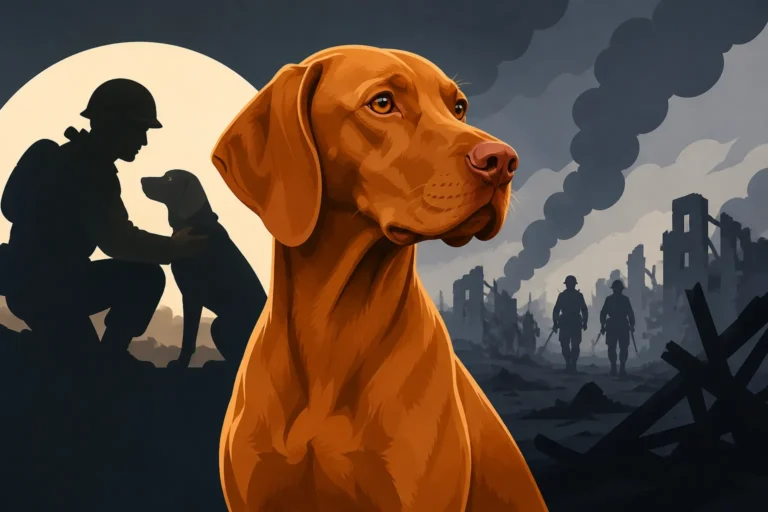
Imagine a time when entire nations were physically and ideologically separated from the rest of the world. For Hungary, this meant decades under Soviet influence, a period that fundamentally reshaped every aspect of life, including the fate of its national dog, the Vizsla. Prior to World War II, the Vizsla, while not globally numerous, enjoyed a relatively stable presence, cherished by Hungarian noblemen and hunters. But the war and the subsequent communist regime threw the breed into extreme peril.
Inside Hungary, the communist government viewed dog ownership, especially of hunting breeds, with suspicion. Large estates were confiscated, and the traditional hunting culture, which was the very bedrock of the Vizsla's existence, was dismantled. Breeders, who had painstakingly developed and maintained the lines for generations, suddenly faced immense pressure. It became difficult, if not outright dangerous, to maintain breeding programs. Resources were scarce, travel was restricted, and the free exchange of breeding stock or genetic information with breeders outside the Iron Curtain was virtually impossible. This wasn't just an inconvenience; it was an existential threat to the breed's genetic diversity and very survival within its homeland. We’ve discussed Why the Soviets Were a Problem for the Vizsla in more detail before, and the impact was profound.
The Struggle to Maintain Lines within Hungary
For those dedicated breeders and fanciers who remained in Hungary, keeping the Vizsla alive was a silent act of defiance. They faced incredible obstacles. Pedigree records, if they existed, were often fragmented or lost. The ability to choose breeding partners based on health, temperament, and hunting ability was severely limited to the small pool of available dogs. This meant that the gene pool became incredibly narrow, a situation that often leads to increased incidence of hereditary health issues. It's a poignant thought that while Western breeders were establishing new lines, their counterparts in Hungary were battling against sheer disappearance.
Access to veterinary care and quality nutrition also became a significant hurdle. In an era of centralized planning and resource scarcity, specialized dog food or advanced veterinary treatments were luxuries, if they existed at all. A Vizsla, a highly athletic and intelligent breed, requires specific care, from proper nutrition to mental stimulation and regular health checks. Without these, even well-bred dogs would struggle to thrive. Those who cared for Vizslas often did so quietly, out of the public eye, pooling their meager resources and knowledge to ensure the breed didn't vanish entirely. It’s a testament to their passion that any Vizslas survived within Hungary during this period.
The Fear of Complete Extinction
The threat of the Vizsla disappearing entirely was very real. This wasn't the first time the breed had faced such a crisis; indeed, The Vizsla Came Back From Extinction Twice before this period. Each time, it took immense effort and dedication to bring them back. The Iron Curtain presented a unique challenge because it wasn't just about recovering numbers; it was about doing so under an oppressive regime that actively discouraged activities deemed "bourgeois" or individualistic, which certainly included dedicated dog breeding.
The loss of contact with international breeding efforts also meant that Hungarian Vizslas were unable to benefit from diverse genetics being introduced elsewhere. Imagine a small community trying to keep a rare plant alive in an isolated garden, unable to access new seeds or cross-pollinate with other varieties. Over time, that small pool becomes vulnerable. This isolation meant that the Hungarian Vizsla population developed independently, and potentially accumulated genetic predispositions that were not present, or were bred out, in the emerging Western lines. The consequences of this genetic bottleneck would become apparent much later, even after the political landscape changed.
Smuggling and Survival: How Vizslas Escaped the Curtain
While the Vizsla's future looked bleak within Hungary, a parallel story was unfolding outside the country: one of daring escapes and passionate individuals determined to give the breed a chance beyond the Iron Curtain. These weren't easy feats; sneaking animals across heavily guarded borders was fraught with danger, often risking severe punishment for those involved. But the love for the breed, and the understanding of its unique qualities, drove people to take these extraordinary risks.
One of the most famous examples of this determination involves a dog named Panni XV. Her story is legendary among Vizsla enthusiasts and exemplifies the lengths people went to for the breed's survival. The Vizsla Named Panni XV Carried Out of Hungary by Elizabeth Mihalyi became a crucial foundation for many Western lines, a literal beacon of hope smuggled across a hostile border. These smuggled dogs, though few in number, were instrumental in establishing the breed in new countries, particularly in North America.
The Foundation of Western Vizsla Lines
The Vizslas that made it out of Hungary, often under clandestine circumstances, became the progenitors of what we now refer to as "Western Vizslas." Individuals like Elizabeth Mihalyi, whose story is deeply intertwined with the breed's escape, were not just dog owners but custodians of a living legacy. Who Elizabeth Mihalyi Was is a name every Vizsla lover should know, for her efforts ensured the breed's survival on a global scale. These foundation dogs, few as they were, carried the hopes for the breed's future.
Breeders in North America, like those who founded the Vizsla Club of America, started with these limited bloodlines. They meticulously documented pedigrees, focused on preserving the breed's hunting instincts, and worked to establish a healthy population. The priority was often simply increasing numbers while maintaining breed type and temperament. These efforts allowed the Vizsla to gain recognition with organizations like the AKC and become known to a broader audience. It was a slow and careful process, building a robust population from a handful of precious individuals, often relying on careful line breeding initially to solidify traits before outcrossing became more feasible.
The Development of Distinct Traits
Because the Vizslas inside Hungary and those outside were geographically and genetically isolated for decades, it was almost inevitable that certain distinctions would begin to emerge between the two populations. While both groups retained the core Vizsla characteristics – their striking golden-rust coat, affectionate nature, and strong hunting drive – subtle differences began to solidify over time.
In the West, particularly in North America, breeders often emphasized specific traits for conformation shows or particular field trial styles. The focus might have been on a certain body type, an even temperament for family life, or a specific range in the field. Meanwhile, within Hungary, where the dogs were still used extensively for practical hunting, the emphasis might have remained on raw hunting ability, stamina, and resilience in challenging conditions. These differing priorities, compounded by the isolated gene pools, led to slight variations in build, coat texture, temperament, and even health predispositions. It's not that they became entirely different breeds, but rather two branches of the same family tree that grew apart in unique environments.
The Lingering Legacy: Divergence and Reconnection
When the Iron Curtain finally fell in 1989, there was a sense of hope and reunification, not just for people but for historical ties, and certainly for Hungary's national dog. Suddenly, the possibility of exchanging genetic material, knowledge, and breeding stock between Hungarian and Western Vizsla lines became a reality. But the decades of separation meant that simply "reconnecting" wasn't straightforward; there were established differences, both genetic and phenotypic, that needed careful consideration.
The question of Whether Hungarian and Western Vizslas Diverged is not just academic; it has real-world implications for breeders and the long-term health of the breed. During the isolation, distinct lines developed, often with different strengths and weaknesses. Hungarian lines, forged in continued working environments, often maintained a very strong hunting instinct and perhaps a slightly leaner, more athletic build. Western lines, particularly those influenced by show rings, might have developed a slightly more refined appearance or a more uniform temperament suited to pet homes, though many retained their strong working drives.
Bridging the Genetic Divide
Bringing these lines back together required thoughtful planning from dedicated breeders on both sides. The initial excitement of renewed contact gave way to careful evaluation. Breeders needed to understand the genetic makeup of the Vizslas from both populations, identify potential areas of concern, and strategically plan crosses to maximize genetic diversity and improve overall breed health. This was not a quick fix, but a generational project aimed at enriching the global Vizsla gene pool.
One of the primary goals was to broaden the genetic base. Whether the 1900 Rebuild Narrowed the Vizsla Gene Pool was already a concern for the breed, and the Iron Curtain's impact only exacerbated it. By introducing dogs from historically separate populations, breeders could potentially reduce the incidence of certain hereditary diseases that might have become more prevalent in one isolated line. This meant importing dogs from Hungary to the West, and, fascinatingly, sometimes Whether Vizslas Were Reimported to Hungary from Western lines to introduce fresh genetics back into the homeland. This exchange continues today, with responsible breeders carefully researching pedigrees and health clearances before making breeding decisions. Websites like Chewy, in a modern context, have helped democratize access to information and specialized nutrition that supports these diverse breeding efforts, though such resources were unimaginable during the Cold War.
Ongoing Considerations for Responsible Breeding
Today, responsible Vizsla breeders, regardless of where they are in the world, consider the breed's history and the impact of the Iron Curtain when planning their breeding programs. They strive to maintain the Vizsla's versatility – its ability to excel as a hunting companion, a family pet, and a show dog. This means prioritizing robust health, sound temperament, and strong working instincts, all while expanding genetic diversity.
For prospective Vizsla owners, understanding this history provides valuable context. When looking for a puppy, you might encounter references to "Hungarian lines" or "European lines" versus "American lines." While all are Vizslas, these distinctions often speak to the historical breeding philosophies and genetic influences that shaped those particular dogs. A good breeder will be transparent about their lines, their health testing, and their breeding goals. They will also educate new owners on the care and training needs of this energetic and affectionate breed, perhaps even recommending resources available today from places like Chewy for everything from high-quality food to durable chew toys that can stand up to a busy Vizsla puppy.
| Factor | Vizslas Within Iron Curtain Hungary (1945-1989) | Vizslas in Western Countries (1945-1989) |
|---|---|---|
| Breeding Stock Access | Extremely limited, small local pool | Limited initial founders, growing steadily |
| Genetic Diversity | Severely constrained, high risk of bottlenecks | Initially narrow, but expanded through careful breeding |
| Breeding Goals | Survival, practical hunting ability for subsistence | Preservation, show conformation, field trial performance |
| Record Keeping | Fragmented, often informal, high risk of loss | Formal pedigrees, club registration, health databases |
| External Influence | None | Significant, established breed clubs and standards |
| Risk of Extinction | High | Low, but dependent on small founder population |
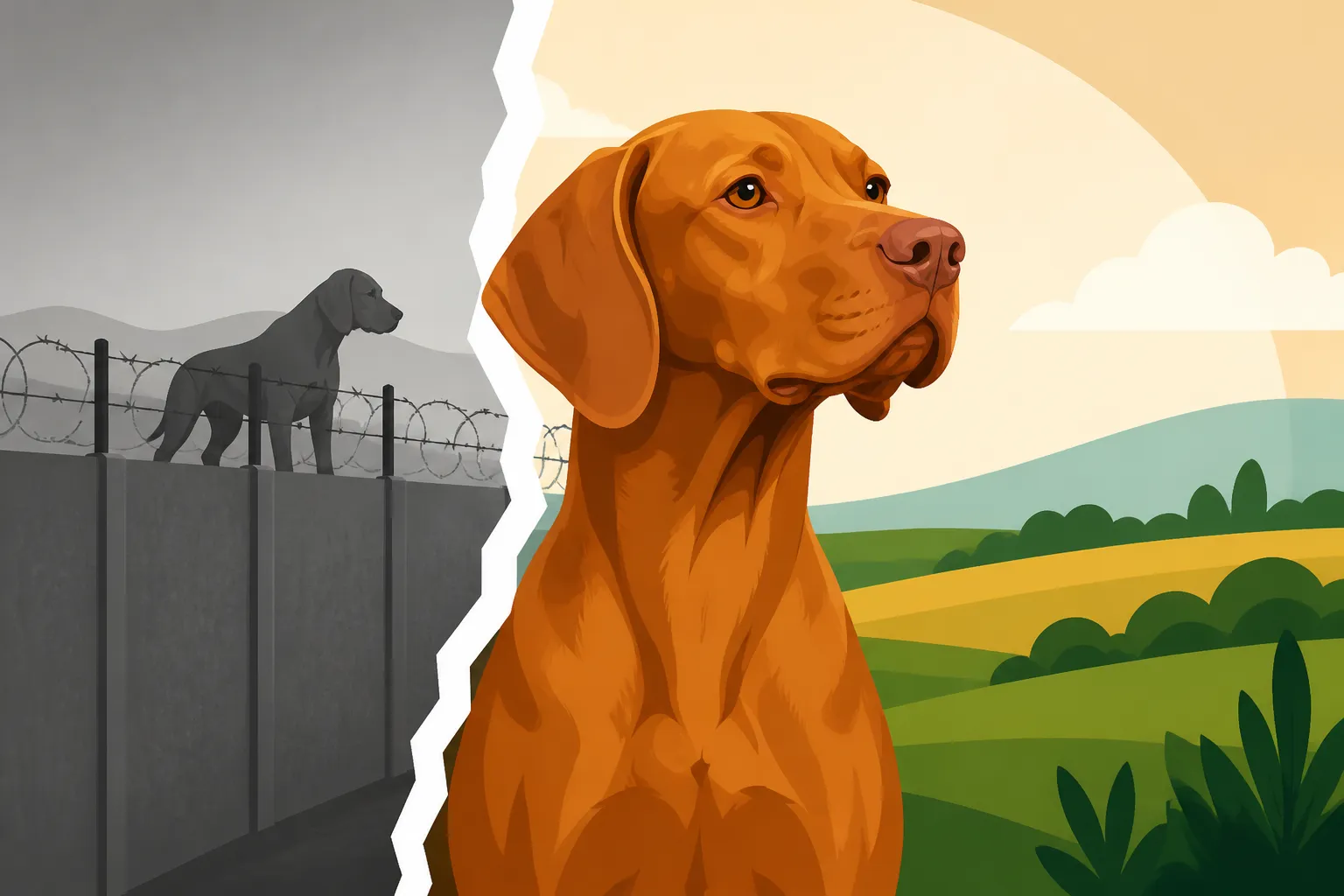
Ultimately, the Iron Curtain did, in a very real sense, cut off Hungarian Vizslas from their Western counterparts for several decades. This forced divergence created two populations that, while genetically related, developed under vastly different pressures and influences. The story of their survival, both within and outside Hungary, is a testament to the enduring appeal of the breed and the unwavering dedication of the people who loved them.
Disclaimer
This article is for general informational purposes only and does not constitute professional advice. Laws, prices and regulations vary by location and change over time. Consult a qualified professional for guidance on your specific situation.