Whether a Vizsla Gets Seeds in Its Nose
It’s a heart-stopping moment for any Vizsla owner: your beloved dog is out in the field, nose to the ground, absolutely thriving, then suddenly lets out a violent sneeze, paws frantically at their face, and shakes their head. You immediately wonder what they’ve gotten into. While thorns, burrs, and cuts are common worries for a Vizsla with its thin skin out in the wild, one insidious threat often gets overlooked until it causes real trouble: seeds in the nose. These tiny, barbed pieces of plant matter are a very real concern for our inquisitive, scent-driven companions, and this guide will walk you through why they're such a menace, how to spot the signs, and most importantly, how to help your Vizsla avoid this painful ordeal.
The Unseen Hazard: Why Field Seeds are a Real Threat to Your Vizsla's Nose
Our Vizslas are built for the field. They live to run, to hunt, to stick that beautiful amber nose into every interesting scent trail, every patch of tall grass, every dense thicket. It's part of their very essence, this relentless exploration. But this incredible drive, coupled with their unique anatomy, can unfortunately put them at risk for a problem that seems minor but can quickly escalate: inhaling seeds or other small pieces of plant debris.
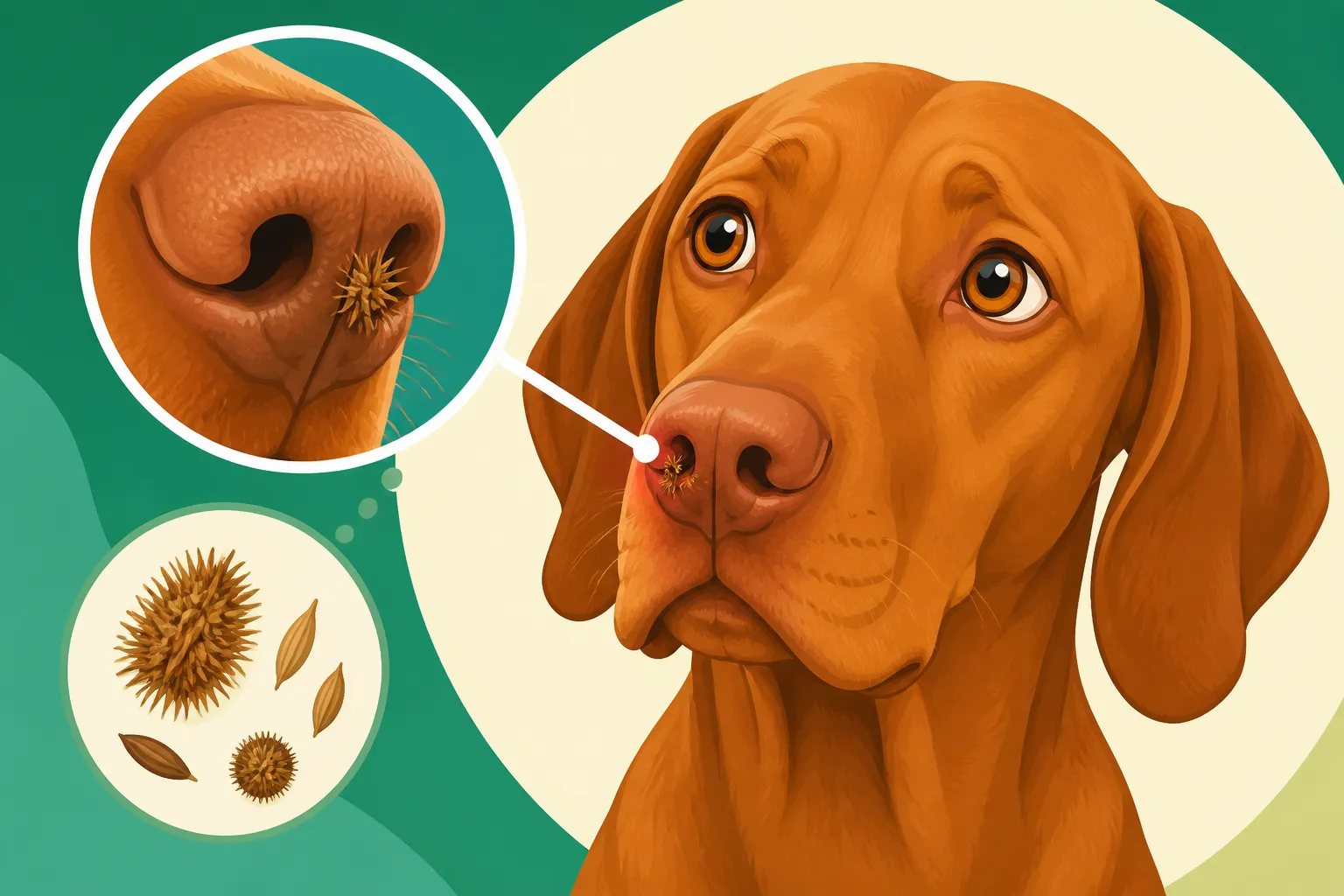
Think about how a Vizsla works. Their nose is almost always on the ground or buried in cover, sniffing deeply, moving air in and out with force. This intense nasal activity, vital for their hunting prowess, also turns their sensitive nostrils into tiny vacuum cleaners. Dry, barbed grass seeds, sometimes called "foxtails" (though many types of grass can have dangerous seed heads), are perfectly designed to latch onto fur and skin, but they are particularly insidious when they enter an orifice like the nose. These seeds often have microscopic barbs that allow them to move in one direction – deeper into tissue – but not easily back out.
It's not just a momentary tickle. Once a seed gets lodged in the nasal passage, it acts as a foreign body, causing intense irritation. The dog's natural response is to sneeze violently, paw at its face, and try to dislodge it. Sometimes, with luck, they succeed. But often, the barbs prevent this, and the seed continues its journey, potentially migrating further up the nasal cavity, into the sinuses, or even, in rare and frightening cases, into the lungs or brain. This isn't just an inconvenience; it can lead to severe infection, chronic pain, and serious health complications.
Identifying the Culprits: Common Problematic Seeds and Plant Matter
Not all plant matter is created equal when it comes to nasal invaders. While any small, dry piece of twig or leaf can cause irritation, certain types of grass seeds are notoriously dangerous due to their structure. Understanding which plants pose the highest risk can help you be more vigilant in certain environments.
The most common culprits are the various types of awned grasses, often generically referred to as "foxtails" or "cheatgrass." These aren't just a specific plant species, but rather a descriptor for a seed head that is shaped like a foxtail, with stiff, sharp bristles or awns that are essentially one-way barbs. Imagine a tiny fishhook – easy to push in, but almost impossible to pull straight back out without tearing. These seeds are particularly prevalent in dry, grassy areas during late summer and fall, after the grasses have gone to seed and dried out. They can be found almost anywhere you walk your Vizsla off a manicured path, from rural fields to urban park edges. If your Vizsla is ranging widely, perhaps in an area where they don't hunt often, they might encounter these unexpected hazards. Whether a Vizsla Ranges Wider Than a Shorthair can give you an idea of how much ground they cover.
Other plant materials can also be problematic. Small burrs from plants like burdock or cocklebur, while typically designed to cling to fur, can sometimes break apart, and smaller, sharper pieces can be inhaled. Thistle fragments or tiny, dried bits of thorny brush can also become nasal invaders. The key characteristics of these dangerous items are their small size, dry and brittle nature, and often a barbed or sharp edge that makes them difficult to dislodge naturally.
Here’s a quick overview of some common problematic plant materials and why they are so dangerous:
| Plant Material | Common Habitat | Appearance | Primary Risk to Vizsla's Nose |
|---|---|---|---|
| Awned Grass Seeds | Dry fields, roadsides, disturbed areas | Small, elongated, often with barbed bristles | Barbs embed in mucous membranes, migrate deeper, cause infection, can travel to lungs or brain |
| Burdock Burrs | Woodlands, neglected fields, ditches | Round, sticky balls with hook-like spines | Fragments can be inhaled, causing irritation, embedding in tissue, or blocking nasal passages |
| Thistle Fragments | Pastures, dry ground | Sharp, spiky bits of dried plant | Puncture tissue, cause inflammation, risk of infection |
| Small Twigs/Leaves | Forests, brushy areas | Tiny, dry, brittle pieces | Can get lodged, cause irritation, abrasion, or secondary infection if they carry bacteria |
It's crucial to remember that while a Vizsla's short coat might mean fewer foxtails caught in their fur compared to a long-haired breed, their highly sensitive nose remains highly vulnerable. A thorough check is always warranted.
Vigilance is Key: Preventing Seed Inhalations in Your Active Vizsla
Given the genuine risk, prevention is always better than treatment when it comes to foreign bodies in your Vizsla's nose. Our energetic companions aren't going to stop exploring, so it's up to us to be diligent.
First and foremost, route planning can make a huge difference. If you know certain areas are rife with dried, seeding grasses, especially in late summer and fall, try to avoid them. Opt for manicured paths, mown fields, or areas where the vegetation is still green and lush. Of course, this isn't always possible for a hunting Vizsla. When you are in areas with high seed risk, consider keeping your Vizsla on a shorter lead or employing a tighter heel command, at least through the densest patches, especially if they are particularly enthusiastic about burying their nose in cover. Ensuring you have a strong bond and reliable commands like those built through positive reinforcement training, perhaps with products from Chewy to reward good behavior, can make a real difference in controlling their exposure.
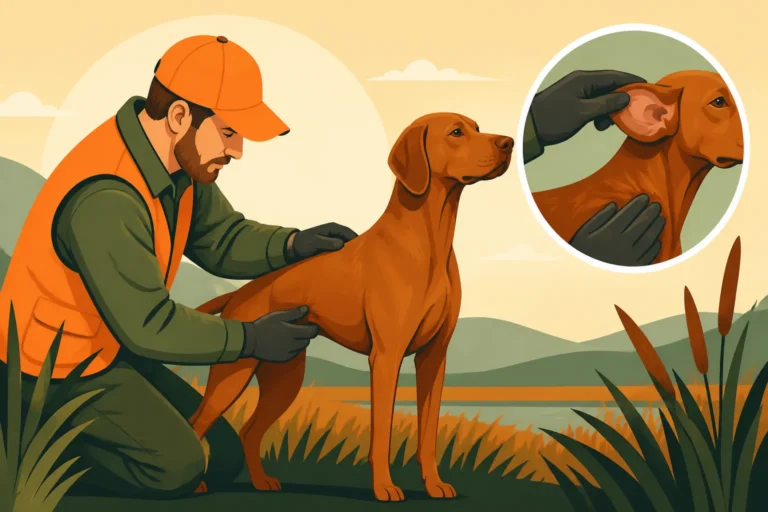
Post-activity checks are absolutely non-negotiable. Every single time your Vizsla has been in an area with potential seed hazards, take a few minutes to meticulously inspect them. Pay particular attention to their face, especially around and inside their nostrils. Use a good flashlight to peer into each nostril as best you can. Run your hands over their muzzle and under their chin. While checking, also pay attention to other common trouble spots like the ears – Keeping a Vizsla's Ears Clear After Water Work is important – and between their paw pads, as discussed in Whether a Vizsla Picks Up Grass Seeds. These checks should be part of your routine after any outing, just like checking for ticks. Having a small, portable first aid kit, perhaps one assembled with various items from Amazon, can be incredibly helpful for addressing minor issues on the spot. What a First Aid Kit for a Hunting Vizsla Holds gives good ideas for contents.
Beyond direct avoidance and checks, general grooming and protective gear can offer some benefit. While there's no "nose guard" that's practical for a Vizsla to wear while working or running, keeping their face clean and free of excessive debris can help. For dogs that are truly prone to nose foreign bodies, some owners explore specialized gear, but this is less common for the nose than for eyes or ears. For general protection in the field, even a lightweight vest can help shield the chest and belly from some sharp debris, a topic explored in Whether a Vizsla Needs a Vest in the Field.
Ultimately, the best prevention strategy involves a combination of smart choices about where you allow your Vizsla to explore and a consistent, thorough inspection routine. You want your Vizsla to be able to enjoy their instincts, but also to stay safe.
When to Act: Recognizing Symptoms and Seeking Veterinary Help
Despite our best efforts at prevention, sometimes a seed or piece of debris still finds its way into a Vizsla's nose. Knowing the signs is critical, because prompt action can prevent a minor irritation from becoming a serious medical emergency. Our Vizslas are notoriously stoic, often trying to power through discomfort, so we need to be extra vigilant.
The immediate signs that a foreign body has entered the nasal passage are often quite dramatic:
- Sudden, violent sneezing fits: These might be prolonged, repeated bursts, far more intense than a regular "dust sneeze."
- Paw at the nose or rub the face on the ground/furniture: Your Vizsla will be desperately trying to dislodge the irritant.
- Nasal discharge: Initially, this might be clear and watery, but if the irritation continues or infection sets in, it can become bloody, pus-filled, or tinged green/yellow. This might be from one nostril only.
- Reverse sneezing: This sounds like a sudden, alarming snorting or gagging, as if they're trying to inhale something forcefully backward. While reverse sneezing can have other causes, if it starts immediately after running through tall grass, it’s a red flag.
- Head shaking: Similar to pawing, this is an attempt to dislodge the object.
If the seed remains lodged and begins to cause more significant problems, you might notice delayed symptoms:
- Persistent unilateral nasal discharge: Mucus or pus continually draining from one nostril.
- Chronic sneezing or snorting: Less violent than the initial fits, but a regular occurrence.
- Swelling or tenderness around the affected nostril or bridge of the nose.
- Reluctance to eat or drink: If the discomfort is severe enough, or if the seed has caused inflammation that makes swallowing difficult, they might refuse food.
- Changes in behavior: Lethargy, irritability, or general signs of being unwell.
Why is it so serious? As mentioned earlier, those tiny barbs on many grass seeds make them one-way travelers. They can migrate deeper into the nasal passages, causing inflammation, infection, and eventually leading to abscesses. In severe cases, they can travel into the sinuses, ear canals (if they enter the pharynx and then migrate up the Eustachian tube), or even potentially into the lungs or brain, leading to life-threatening complications. This is not a situation where "wait and see" is a good strategy.
Veterinary intervention is almost always necessary for a retained nasal foreign body. Do not try to extract it yourself with tweezers or other tools, as you are more likely to push it deeper or cause damage. Your veterinarian will typically need to sedate your Vizsla to perform a thorough examination. This often involves using an otoscope (the tool used to look in ears) or a rhinoscope (a specialized endoscope for nasal passages) to visualize and extract the foreign body. Sometimes, a saline flush might also be used. This procedure can be costly, highlighting the importance of prevention and quick action. What a Vizsla's Emergency Field Injury Costs can give you an idea of the potential financial burden of such situations. If the seed has been present for a while, antibiotics might also be prescribed to combat any secondary infections.
For our active Vizslas, who are always eager to please and sometimes hide their discomfort, it's vital that we pay close attention to any changes in their breathing or behavior after a trip outdoors. A quick trip to the vet can save them from prolonged pain and prevent much more serious health issues.
Disclaimer
This article is for general informational purposes only and does not constitute professional advice. Laws, prices and regulations vary by location and change over time. Consult a qualified professional for guidance on your specific situation.