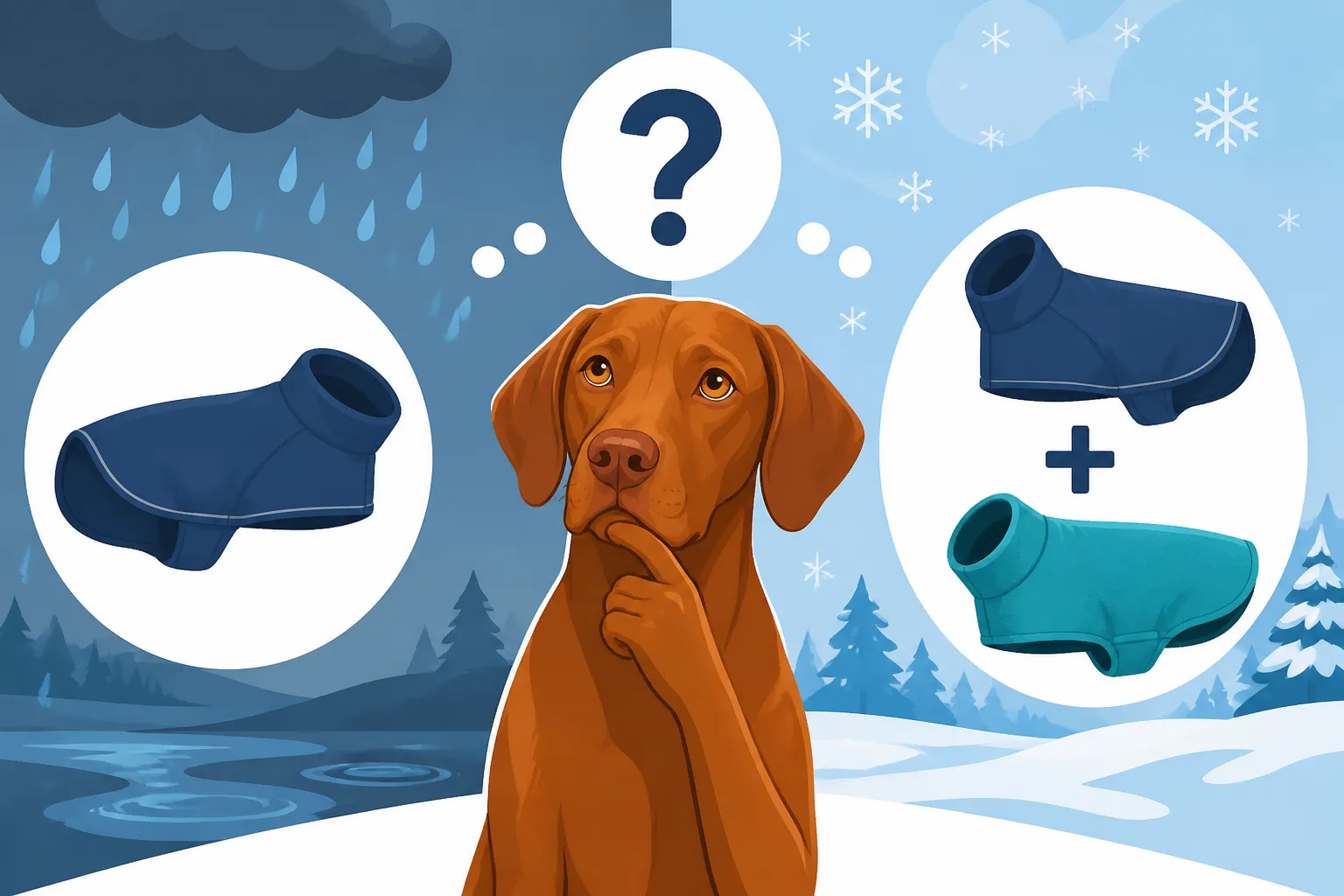
Whether a Vizsla Needs Two Coats for Wet Cold
There's nothing quite like the sight of a Vizsla in full flight, a streak of golden rust against a winter sky. But as much as we adore their lean, athletic build and famously short coat, it often leaves us Vizsla parents fretting about their warmth, especially when the weather turns wet and truly bitter. The question of whether a Vizsla needs one coat or even two for those biting, damp days is a common one, and a valid concern for any owner who’s watched their beloved dog shiver uncontrollably. This guide will dive deep into understanding your Vizsla's unique needs in cold, wet conditions and help you decide the best way to keep them cozy and safe.
Understanding Your Vizsla's Unique Vulnerability to Wet Cold
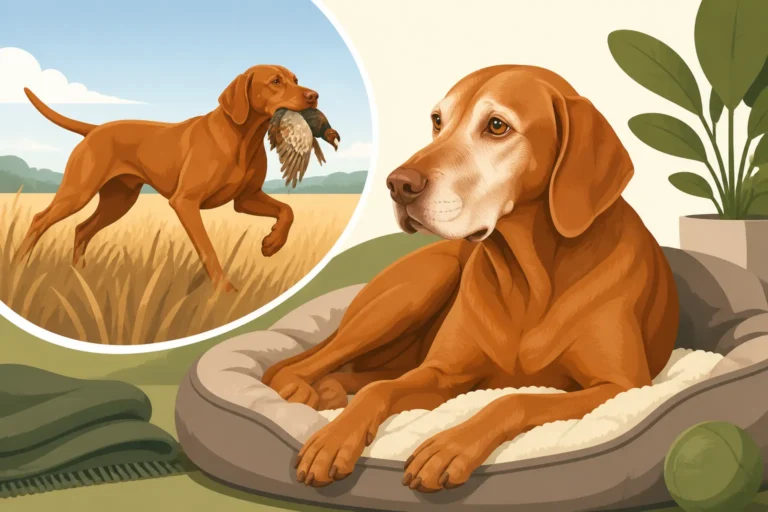
Vizslas are magnificent athletes, bred for endurance and speed in the field, often in temperate climates. Their striking, short, single coat is a hallmark of the breed, allowing them to move freely through brush without getting snagged and to dry relatively quickly after a dip in water. However, this very coat, which we love for its low-shedding nature and minimal "doggy smell," is also their Achilles' heel when it comes to truly cold, wet weather. Unlike many working breeds, they simply don't have the natural insulation.
The Single Layer Dilemma: No Undercoat, No Problem… Until It's Cold
When you look at a Labrador Retriever or a German Shorthaired Pointer, you'll notice a dense undercoat beneath their coarser outer layer. This fuzzy, insulating layer acts like a natural down jacket, trapping warm air close to their body and repelling water. Your Vizsla, on the other hand, lacks this crucial protection entirely. Their short, sleek hair lies flat, offering little in the way of trapped air for warmth. This means that as soon as the temperature drops, especially when accompanied by rain, sleet, or snow, their body heat can rapidly escape. It's like you heading out in just a t-shirt in winter – you'd feel the chill instantly. For a deeper dive into this, you might find The Single Coat a Vizsla Has and Why It Changes Everything enlightening.
This lack of an undercoat isn't a design flaw; it's a feature suited to their traditional role and the climate they were developed in. However, when we bring them into environments with harsh winters or take them out for extended periods in genuinely miserable conditions, we have to compensate for what nature didn't provide. Many owners have been surprised by how quickly their seemingly tough Vizsla starts to shiver, tucking their tail and trying to press against a warm human leg even in temperatures that might seem mild to us. It's a clear sign that their single coat isn't doing enough.
The Peril of Wet Cold: Why Dampness Is More Dangerous Than Dry Cold
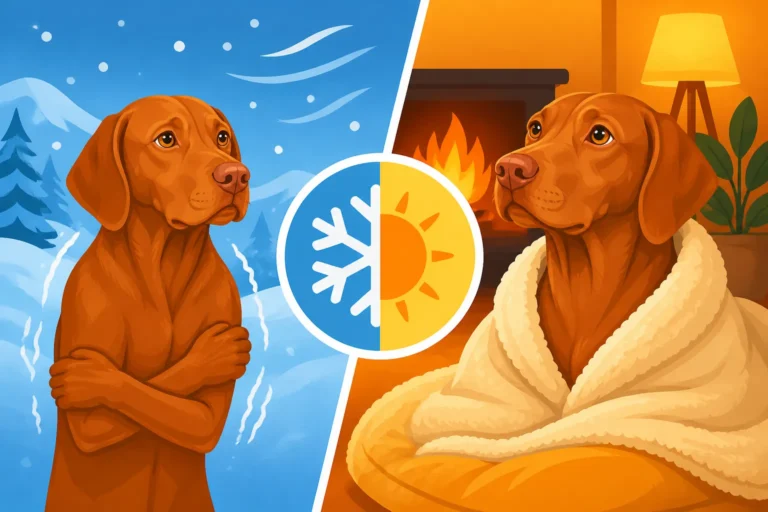
While dry cold can make a Vizsla shiver, wet cold is a far more insidious threat. Water is incredibly efficient at drawing heat away from the body. Imagine stepping out of a warm shower into a cold room – that immediate chill is your body losing heat rapidly through evaporation and conduction. For a Vizsla, getting soaked in cold rain or taking a plunge into icy water acts similarly, but on a much larger scale. Their thin coat becomes saturated, loses any minimal insulating properties it might have had, and then actively works against them by conducting heat away from their skin.
This rapid heat loss can quickly lead to hypothermia, a dangerously low body temperature. A Vizsla might start shivering violently, become lethargic, develop pale gums, or even become disoriented. If you've ever felt the sheer panic of seeing your typically vibrant Vizsla become still and cold after an unexpected dunk or prolonged exposure, you understand this fear firsthand. It’s not just about comfort; it's about their safety and well-being. This is why The Cold a Vizsla Genuinely Cannot Handle is a critical read for any Vizsla owner.
Assessing Your Vizsla's Individual Needs for Warmth
Determining whether your Vizsla needs one coat or even two isn't a one-size-fits-all answer. Several factors come into play, and it's essential to consider your specific dog and the conditions you'll be exposing them to. Every Vizsla is an individual, and their tolerance for cold can vary, even within the breed.
Beyond the Thermometer: Factors Influencing Cold Tolerance
The ambient temperature is just one piece of the puzzle. You also need to consider:
- Activity Level: Is your Vizsla actively running and hunting, generating their own body heat, or are they standing still, waiting for you, or sniffing around calmly? A dog actively working in the field will stay warmer longer than one standing idle on a leash in the same conditions. However, even working dogs can get too cold if soaked.
- Duration of Exposure: A quick dash outside for a potty break is vastly different from an hour-long walk or a full day of hunting. The longer they are exposed, the greater the need for proper insulation.
- Wind Chill: Wind dramatically increases heat loss. A breezy 40°F (4°C) day can feel like a freezing 20°F (-7°C) to your Vizsla, stripping warmth even faster when wet.
- Individual Dog's Health and Age: Puppies and senior Vizslas often have a harder time regulating their body temperature. Puppies have less body mass, and older dogs, especially those with conditions like Thyroid Failure in a Vizsla or general arthritis, might feel the cold more acutely and struggle to warm themselves. Whether an Old Vizsla Feels the Cold More provides further insights into this. Dogs recovering from illness or surgery also need extra consideration.
- Body Condition: While Vizslas are typically lean, a dog that is underweight will have less fat insulation and feel the cold more. Conversely, an overweight dog might have some extra insulation but still struggle with effective heat regulation when wet.
Reading Your Vizsla's Body Language
Your Vizsla will tell you when they're cold if you pay close attention. Don't wait until they're shivering uncontrollably. Look for these subtle and not-so-subtle cues:
- Shivering or Hunching: The most obvious sign. A slight shiver is an early warning; violent shivering means they're very cold. Hunching their back, tucking their tail tightly, and pulling their paws up are attempts to minimize exposed surface area and conserve heat.
- Reluctance to Move: If your typically enthusiastic Vizsla is hesitant to go outside, wants to cut a walk short, or seems lethargic during activity, cold could be a factor.
- Seeking Shelter or Body Contact: They might try to burrow into your legs, hide under a bush, or constantly turn their back to the wind. Indoors, they might be found curled tightly under blankets, even in a seemingly warm house. Whether a Vizsla Burrows Under Blankets for Warmth covers this behavior.
- Whining or Vocalizing: Some Vizslas will whine or make soft grumbles to express discomfort.
- Pale Gums or Cold Extremities: In more severe cases of cold, their gums might appear pale, and their ears and paw pads will feel noticeably cold to the touch. This indicates a more urgent need to get them warm.
Strategies for Keeping Your Vizsla Warm in Wet Cold
So, with all these factors in mind, what’s the best approach to keeping your Vizsla comfortably warm and safe when the weather turns truly nasty? It often comes down to high-quality gear and smart management.
The Power of One High-Quality, Waterproof Coat
For most Vizslas in typical wet-cold conditions, a single, excellent quality, waterproof, and insulated dog coat is usually sufficient. The key here is "excellent quality" and "waterproof." A cheap, flimsy rain jacket might keep them dry, but it won't offer much thermal insulation. Similarly, a thick fleece coat is wonderful in dry cold but becomes useless and heavy when saturated with water.
Look for coats that offer:
- True Waterproofing: Not just water-resistant, but fully waterproof with taped seams. This prevents the primary issue of water stripping away body heat.
- Insulation: A synthetic fill (like those found in human winter jackets) provides warmth even if it gets slightly damp.
- Full Chest and Belly Coverage: Many dog coats stop short, leaving the vulnerable chest and belly exposed. For a Vizsla, this area is critical for warmth retention. Look for designs that wrap around the chest.
- Freedom of Movement: Your Vizsla is an active dog! The coat must allow them to run, jump, and relieve themselves without restriction or chafing. Brands often available on Chewy and Amazon offer a range of styles designed for athletic dogs.
- Durability: Especially if your Vizsla is active in the field, the coat needs to withstand brambles and rough use.
Think of it as choosing a good quality human winter jacket. You wouldn't buy one that's just a shell for truly cold weather, nor one that soaks through easily. Investing in a reputable brand's performance coat is usually the best first step.
When Layering with Two Coats Might Be Beneficial
There are specific situations where a second layer, typically a fleece underneath a waterproof outer shell, can be genuinely beneficial for your Vizsla:
- Extreme Cold and Wet Combinations: If the temperature is hovering near or below freezing and it's actively raining or snowing heavily, the extra layer of fleece beneath a waterproof shell can provide that critical boost in insulation. The fleece traps air and adds warmth, while the outer layer protects it from getting wet.
- Prolonged Static Exposure: If your Vizsla will be standing still for extended periods in very cold, wet conditions (e.g., waiting during a hunt, observing an outdoor event), layering offers superior protection.
- Very Sensitive, Elderly, or Convalescing Vizslas: As mentioned, some Vizslas are more susceptible to cold. An older dog with less muscle mass or a Vizsla recovering from an illness might benefit greatly from the additional warmth of a layered system. For these dogs, even moderate wet cold can be a health risk.
- Thin-Skinned Vizslas: Some Vizslas just seem to have thinner skin, which tears more easily or offers less natural protection. An extra layer can offer both warmth and a bit of a buffer against minor abrasions.
The key to effective layering is that the outermost layer must be waterproof. A fleece under a water-resistant jacket will eventually soak through, making the dog colder, not warmer. You might find a good selection of fleece liners and durable outer shells on sites like Amazon or Chewy, where you can read reviews to ensure a good fit for an athletic build.
Beyond the Coat: Additional Warmth Measures
While coats are crucial, they're not the only solution. Consider these other ways to keep your Vizsla warm:
- Thorough Drying After Exposure: As soon as you come in from wet weather, dry your Vizsla thoroughly. Towel drying is good, but a powerful dog dryer can get them completely dry much faster, especially between their toes and in their ears, preventing ear infections.
- Warm Resting Spots: Ensure your Vizsla has a warm, draft-free place to sleep. This might mean a cozy bed with extra blankets, or even a heated dog bed during the coldest months. Why a Vizsla Needs Somewhere Warm to Sleep elaborates on this.
- Nutritional Support: A healthy, well-nourished Vizsla is better equipped to handle cold. During colder months or periods of high activity, ensure their diet provides adequate calories and healthy fats. High-quality dog food, perhaps even specialized performance formulas, can contribute to overall health and resilience. Some owners explore options like Ollie for nutrient-dense meals that support coat health and energy levels.
- Car Safety: If you're traveling, especially after a wet hunt, don't just throw them in a cold crate in the back of a truck. Ensure their crate is warm, perhaps with a blanket or even a travel-safe heated pad, especially for the ride home.
- Awareness of "Warm" Pavement: Ironically, in wet cold, pavements can be warmer than the air but still too cold. Frozen puddles or icy surfaces can also hurt paw pads. Consider Whether a Vizsla Needs Boots in Winter for protection.
Making Smart Gear Choices and Maintaining Warmth
Choosing the right gear and knowing how to maintain it will make all the difference in keeping your Vizsla comfortable and safe throughout the wet and cold seasons.
Material Matters: What to Look For in Coats
When you're shopping for coats, whether for a single layer or a layering system, pay attention to the materials:
- Outer Shell: Look for materials like ripstop nylon or polyester with a waterproof membrane (similar to Gore-Tex in human outerwear). DWR (Durable Water Repellent) finishes are also good, but they need to be reapplied over time. Avoid cotton or wool for the outer layer, as they absorb water.
- Insulation: Synthetic insulation like polyfill or Thinsulate provides warmth even if slightly damp and is quick-drying. Down insulation is very warm but becomes useless when wet and takes a long time to dry.
- Lining: A soft, comfortable lining like fleece or smooth nylon can prevent chafing against your Vizsla's delicate skin.
- Fleece Layer (for layering): If you opt for a base layer, a good quality, non-pilling fleece (polyester fleece) is ideal. It’s lightweight, provides excellent warmth, and dries relatively quickly.
Fit and Function: Ensuring Comfort and Effectiveness
A coat is only effective if it fits properly. A coat that's too loose will let cold air in and won't retain heat. One that's too tight will restrict movement and could cause chafing, especially for an active Vizsla.
- Measure Carefully: Always measure your Vizsla's back length, chest girth, and neck circumference. Most brands on sites like Chewy or Amazon will provide sizing charts. Don't just guess!
- Check for Range of Motion: When trying on a coat, let your Vizsla walk, trot, sit, and lie down. The coat should not impede their natural movement, nor should it rub uncomfortably at the armpits or neck.
- Secure Fastenings: Look for adjustable straps and buckles that are easy to fasten and unfasten, even with cold hands. Velcro can be quick but can also collect burrs and lose its grip over time.
- Visibility: For hunting or evening walks, consider coats with reflective strips or blaze orange/yellow for increased visibility.
Drying and Maintenance for Longevity
Proper care extends the life and effectiveness of your Vizsla's coats:
- Air Dry Thoroughly: After each use, especially if wet, hang the coat to air dry completely. Don't stuff a damp coat into a bag, as this can lead to mildew and odors.
- Regular Cleaning: Follow the manufacturer's washing instructions. Use a gentle, sports-specific detergent that won't strip the waterproof coating. Avoid fabric softeners, which can clog the membrane.
- Re-waterproofing: Over time, the DWR finish on waterproof coats can wear off. You can reapply a spray-on or wash-in re-waterproofing treatment to restore its effectiveness. These products are readily available at outdoor gear stores or on platforms like Amazon.
By being mindful of your Vizsla's natural limitations, choosing the right gear, and understanding when to layer, you can ensure they stay warm, dry, and happy, even when the forecast calls for truly miserable, wet-cold conditions. Your golden companion deserves to be comfortable and safe, no matter the weather.
Disclaimer
This article is for general informational purposes only and does not constitute professional advice. Laws, prices and regulations vary by location and change over time. Consult a qualified professional for guidance on your specific situation.