Keeping a Vizsla’s Ears Dry
One of the most common frustrations Vizsla owners face, especially those with dogs who love the outdoors, is the persistent battle against ear infections. Their adorable, floppy ears, combined with their boundless enthusiasm for swimming and romping through wet fields, create a perfect storm for moisture to get trapped, leading to uncomfortable and often smelly ear troubles. This guide aims to help you understand why your Vizsla's ears are so prone to issues and, more importantly, how you can proactively keep them dry and healthy, preventing those itchy, painful infections from taking hold.
Understanding the Vizsla's Ear Anatomy and Susceptibility
Your Vizsla's ears aren't just cute; their very design makes them inherently more susceptible to moisture-related problems than breeds with erect, open ears. It's a key piece of information for any Vizsla owner to understand, as it informs all the preventative measures you'll want to put in place.
The Vizsla's Floppy Ear Design
Think about how your Vizsla's ear flap hangs down, covering the opening of the ear canal. This lovely, velvety appendage, so characteristic of the breed, is unfortunately also a perfect little canopy, sealing off the ear canal from much-needed air circulation. Unlike a German Shorthaired Pointer or a hunting dog with more open ears, the Vizsla's ear acts almost like a lid on a pot.
This design creates a warm, dark, and often humid microclimate deep within the ear. It’s a bit like a tiny, damp cave where air struggles to circulate and moisture, once it gets in, has a hard time evaporating. This inherent lack of airflow means that any water or moisture introduced, whether from a swim, rain, or even just heavy humidity, tends to linger longer than it would in a dog with prick ears.
Why Moisture is the Enemy
When moisture gets trapped in that warm, dark, and poorly ventilated environment, it doesn't just sit there innocently. It creates an ideal breeding ground for opportunistic microorganisms that are always present on your dog's skin and in their ears. The two primary culprits are yeast (specifically Malassezia pachydermatis) and bacteria (such as Staphylococcus or Pseudomonas species).
Yeast thrives in moist conditions, leading to that distinct, often sweet and pungent, yeasty odor and brown, waxy discharge. Bacteria, on the other hand, can cause more severe, sometimes pus-filled infections, accompanied by intense redness, swelling, and significant pain. Both can make your Vizsla utterly miserable, leading to frantic head shaking, scratching, and general discomfort. Ignoring these early signs only allows these microscopic invaders to multiply and burrow deeper, making treatment more challenging and uncomfortable for your beloved companion.
The Active Vizsla's Predisposition
Vizslas are renowned for their boundless energy and their love for the outdoors. They are the quintessential "water dogs" among the pointing breeds, often taking to ponds, lakes, and even murky puddles with gusto. This isn't just about fun; many Vizslas are actively used for hunting, meaning they spend hours running through wet grass, muddy fields, and dense, dewy underbrush. Every time they dive into a pond to retrieve a bumper or crash through tall, wet cover, their ears are exposed to moisture.
Beyond just water, their active lifestyle also means they are more likely to encounter environmental irritants. Pollen, dust, dirt, and even tiny seeds can find their way into the ear canal. When these combine with moisture, they can exacerbate irritation and create additional entry points for infection. It’s a tough balance: you want your Vizsla to enjoy their natural instincts, but you also need to be acutely aware of the potential consequences for their ear health. This is why it’s so important to be diligent about post-activity ear care, especially if your Vizsla is frequently getting wet, as discussed in Whether a Vizsla Gets Water in Its Ears Swimming.
Immediate Steps After Water Exposure
Prevention is truly the best medicine when it comes to keeping your Vizsla's ears healthy. The moments right after they've had a grand time splashing around are crucial for warding off potential infections. Being prepared and consistent with your post-water routine will save both you and your Vizsla a lot of discomfort down the line.
The Essential Post-Swim Routine
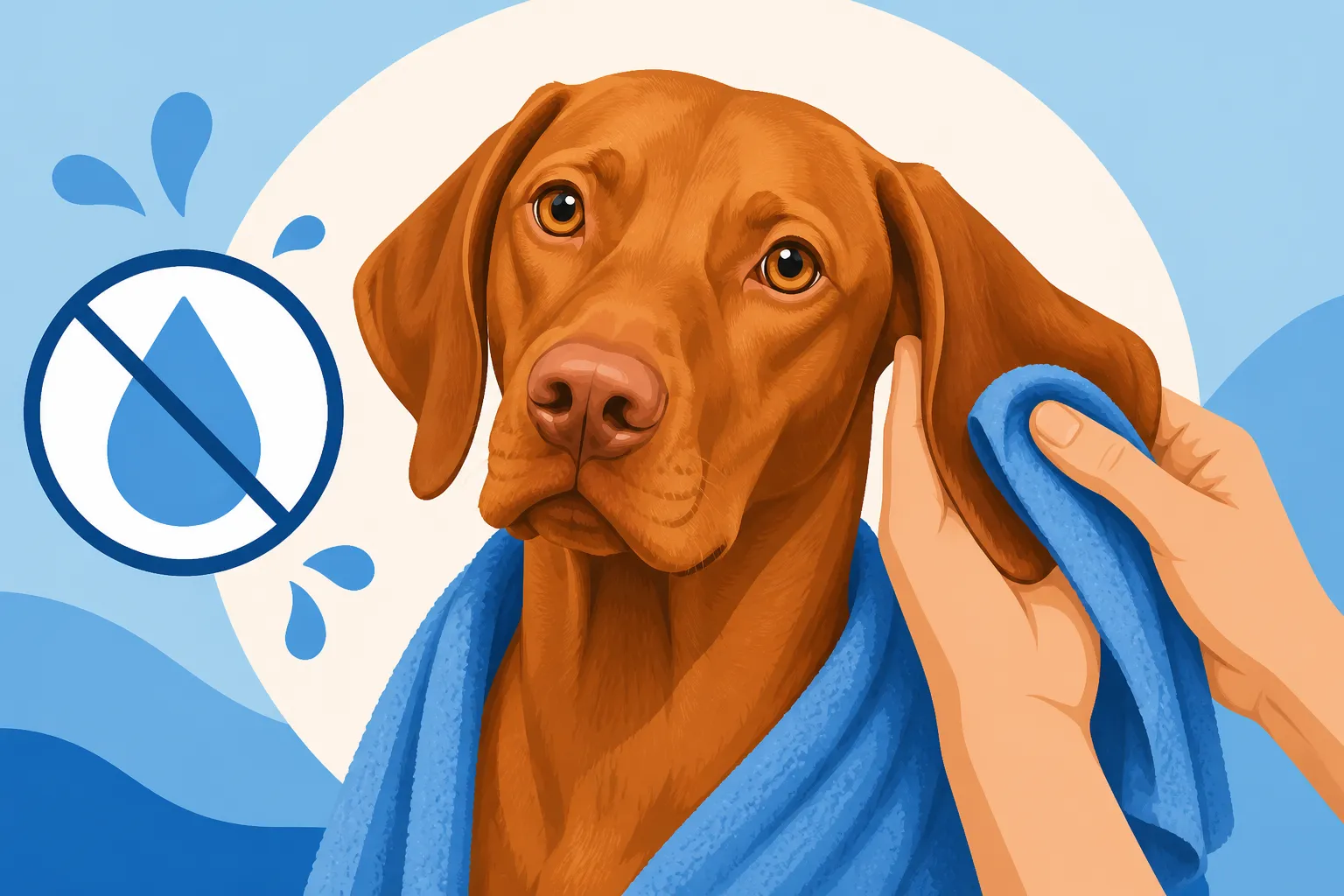
As soon as your Vizsla emerges from the water, whether it's a lake, a pool, or even a good, old-fashioned bath, your first line of defense is a thorough and gentle drying. Don't assume the water will just evaporate; remember that floppy ear design! Start by gently lifting each ear flap and using a soft, clean towel to wipe the outer portion of the ear canal. You want to blot and absorb as much visible moisture as possible without pushing anything deeper into the ear.
It's vital to avoid using cotton swabs or anything that could potentially push debris further into the canal or, worse, damage the delicate eardrum. Think of it like drying a teacup – you’re getting the visible rim and inner surface, but not trying to scrape the bottom. Focus on the accessible parts of the ear. This simple act of manual drying can make a huge difference in preventing the moist environment that yeast and bacteria crave. Make this routine an enjoyable part of their post-activity cool-down, perhaps with a treat, so your Vizsla associates ear drying with positive experiences.
Using Ear Cleaning Solutions and Dryers
Once you've done the initial towel dry, an ear cleaning or drying solution specifically designed for dogs can be incredibly beneficial. These solutions typically contain ingredients that help to acidify the ear canal, creating an environment less hospitable to yeast and bacteria. Many also contain mild drying agents or gentle antiseptics. You can often find a good selection of these on sites like Amazon or Chewy, with various formulations available.
To apply, gently lift your Vizsla’s ear flap and squirt the recommended amount of solution into the ear canal, as directed by the product instructions. Then, gently massage the base of the ear for about 20-30 seconds. You should hear a squishy sound, indicating the solution is working its way down. After massaging, allow your Vizsla to shake their head vigorously – this helps dislodge debris and excess solution. Finally, use a clean cotton ball or gauze to wipe away any liquid or discharge that comes to the surface. It’s a good idea to chat with your vet about which specific type of ear drying solution would be best for your individual Vizsla, especially if they have sensitive skin or a history of specific infections.
When to Be Extra Vigilant
Not all water exposure is equal, and certain situations call for an even higher level of vigilance. If your Vizsla has been swimming in stagnant ponds, murky lakes, or any body of water where the quality is questionable, be extra thorough. These environments often harbor more bacteria, algae, and other microorganisms that can wreak havoc on sensitive ears. Similarly, after a long hunt through heavy, wet cover, where their ears might have been repeatedly doused by dew or rain, take the extra time for a meticulous check and dry.
Always keep an eye out for foreign bodies. While Vizslas have relatively short coats, small pieces of plant material, like those insidious grass seeds, can sometimes work their way into the ear canal, causing irritation or even puncturing the eardrum. If you notice your Vizsla suddenly shaking their head excessively, scratching at an ear, or tilting their head persistently after being in dense foliage, it’s always worth a thorough inspection. Catching issues like embedded Whether a Vizsla Gets Grass Seeds in Its Feet early can prevent much more serious problems down the line.
| Activity Type | Risk Level for Ear Moisture | Immediate Action | Follow-Up Action |
|---|---|---|---|
| Swimming in Pool | Moderate | Towel dry outer ear | Apply ear drying solution |
| Lake/Pond Swim | High | Thorough towel dry, check for debris | Apply ear drying solution, inspect inner ear |
| Bath Time | Low-Moderate | Towel dry outer ear, ensure no water in canal | Minimal drying solution if ears were submerged |
| Wet Field Hunt | Moderate-High | Towel dry outer ear, wipe away mud/debris | Apply ear drying solution, daily check for signs of irritation |
| Heavy Rain Walk | Low | Quick towel dry, especially if ears are matted against head | Monitor, use drying solution if particularly wet |
Proactive Measures for Long-Term Ear Health
Beyond immediate post-water care, there are ongoing proactive measures you can weave into your routine to ensure your Vizsla's ears remain healthy and less prone to recurrent issues. These steps focus on consistent care and understanding how broader health factors might influence ear health.
Regular Ear Inspections and Cleaning
Consistency is key for long-term ear health. Make it a habit to inspect your Vizsla's ears at least once a week, even if they haven't been swimming. Gently lift the ear flap and take a good look. What you're looking for is a consistent, healthy appearance: light pink skin, no redness, no swelling, and a minimal amount of light, yellowish-brown wax. There should be no strong odor. Any deviation from this – excessive dark brown wax, a strong yeasty or foul smell, redness, swelling, discharge (yellow, green, or bloody), or any signs of pain when touched – warrants closer attention.
If the ears look generally clean but you want to maintain them, a weekly or bi-weekly gentle wipe with a soft cloth dampened with a vet-approved ear cleaning solution can be beneficial. Remember, you're cleaning what you can see and easily reach, not trying to probe deep into the canal. This routine helps to remove normal wax buildup and keeps the superficial ear canal clean, reducing the chances of anything taking root. It's a preventative measure, not a treatment for an active infection.
Hair Management Around the Ear Canal
While Vizslas are known for their sleek, short coats, some individuals might have slightly more hair growth around the opening of the ear canal than others. This hair, while not as dense as in some other breeds, can still trap moisture, debris, and wax, impeding airflow even further. For most Vizslas, significant hair plucking or trimming deep within the ear canal isn't necessary and can even be counterproductive, potentially irritating the sensitive skin or creating micro-traumas that lead to infection.
However, if you notice an excessive amount of hair just at the entrance of the ear canal that seems to be contributing to moisture retention or a buildup of gunk, discuss it with your veterinarian. They can advise whether a very light trim with blunt-nosed scissors, or professional grooming using specific tools, is appropriate for your dog. For the vast majority of Vizslas, their short, fine coat means this isn't a major concern compared to breeds like Poodles or Spaniels.
Diet and Allergy Considerations
It might surprise you, but what goes into your Vizsla's belly can absolutely affect their ears. Chronic ear infections, especially recurrent ones that don't seem to respond well to topical treatments, are often a classic sign of underlying allergies. These can be environmental allergies (like pollen or dust mites) or food allergies. When a Vizsla's immune system is constantly reacting to an allergen, it can manifest as inflammation and itching throughout the body, including the ears, creating an environment ripe for secondary infections.
If your Vizsla is battling persistent ear issues, it's worth discussing potential allergies with your vet. They might suggest a food elimination trial using a novel protein or hydrolyzed diet. Brands like Ollie, which offer fresh, limited-ingredient diets, or specific prescription hypoallergenic formulas available through your vet or platforms like Chewy, might be explored. Beyond direct allergies, a high-quality, balanced diet supports overall immune health, which in turn helps your Vizsla fight off opportunistic infections more effectively. A healthy gut often means a healthier immune system and healthier skin, including the delicate skin inside the ears. For more on this, you might explore Whether a Vizsla Reacts to Its Food.
Recognizing the Signs of Ear Infection and When to Seek Help
Despite your best preventative efforts, sometimes an ear infection can still sneak in. It's not a reflection of your care, but rather the tenacious nature of these conditions in a breed predisposed to them. Knowing what to look for and acting quickly is crucial for your Vizsla's comfort and health.
Common Symptoms of Ear Trouble
Your Vizsla might be a stoic dog, but ear pain is hard to hide. The most common and obvious sign of ear trouble is persistent head shaking. This isn't just a casual shake to dry off; it's often vigorous, repetitive, and aimed at dislodging discomfort. You'll also likely notice an increase in scratching at the affected ear, sometimes with such intensity that they might break the skin around the ear flap.
Beyond these behavioral cues, look for physical changes. The ear flap and opening of the canal might appear red or inflamed. You might notice a discharge – anything from a dark, waxy buildup that smells like yeast to a yellowish or greenish pus that indicates a bacterial infection. A foul odor emanating from the ear is a definite red flag. Your Vizsla might also hold their head tilted, be reluctant to let you touch their ear, or even show signs of pain when they chew, as the jaw muscles are close to the ear canal. If you notice any of these signs, don't delay. For a deeper dive into the overall health picture, consider What Vizslas Are Most Often Treated For.
Differentiating Between Types of Infections
While you'll need a vet to definitively diagnose the type of infection, understanding the general differences between yeast and bacterial infections can help you convey symptoms more effectively. A yeast infection, often caused by Malassezia, typically presents with a very distinct, sweet, and sometimes musty or "yeasty" odor. The discharge is usually dark brown and waxy, almost like coffee grounds. The ear might be itchy, red, but not always extremely painful unless secondary bacterial infection has set in.
Bacterial infections, on the other hand, can be much more painful. The discharge is often yellow or green and pus-like, and the ear might be visibly swollen, hot to the touch, and intensely red. There can be a very foul smell. Sometimes, both yeast and bacteria are present, making the situation even more complex. It’s also possible for ear mites, though less common in adult Vizslas than puppies, to cause similar symptoms, often with a dry, black, crumbly discharge. Regardless of what you suspect, guessing is not a treatment plan.
The Importance of Veterinary Intervention
It cannot be stressed enough: if you suspect your Vizsla has an ear infection, a trip to the veterinarian is absolutely essential. Self-treating with over-the-counter remedies or old medications can be dangerous and often delays proper treatment, leading to chronic issues or even permanent damage. Your vet will use an otoscope to examine the ear canal and eardrum, and often take a swab for cytology. This involves looking at the discharge under a microscope to identify whether yeast, bacteria, or mites are present, and in what quantities.
This crucial diagnostic step allows your vet to prescribe the correct medication – whether it's an antifungal, an antibiotic, an anti-parasitic, or a combination. They might also prescribe anti-inflammatory medications to help with pain and swelling. Without a proper diagnosis, you're effectively shooting in the dark, and an improperly treated ear infection can escalate, leading to middle or inner ear infections, hearing loss, or even vestibular disease. Prompt and accurate veterinary care is the fastest route back to a comfortable, healthy Vizsla. It's often the first step in addressing Whether a Vizsla Gets Ear Infections effectively.
Environmental and Lifestyle Adjustments
Beyond the immediate drying and cleaning, considering how your Vizsla interacts with their environment can provide additional layers of protection for their ears. Small adjustments to habits or even their living space can make a big difference in preventing ear woes.
Choosing Safe Swimming Spots
Your Vizsla loves to swim, and that’s a wonderful part of their life, but not all water bodies are created equal when it comes to ear health. While a clean, chlorinated swimming pool can still introduce moisture, it’s generally less likely to harbor the problematic bacteria and algae found in natural settings. Stagnant ponds, slow-moving creeks, or lakes after heavy rainfall can be breeding grounds for various microorganisms, including blue-green algae, which is not only toxic if ingested but can also contribute to skin and ear irritation.
When possible, opt for clean, flowing water sources or well-maintained pools. If your Vizsla is a regular at a specific swimming spot, observe the water quality. Avoid areas with visible algal blooms, foul smells, or excessive debris. If you can’t avoid these spots, then your post-swim ear drying and cleaning routine becomes even more paramount. Teaching your Vizsla to wait for your command before jumping in can also give you control over when they get wet, allowing you to prepare.
Routine Grooming Beyond the Ears
While Vizslas are low-maintenance when it comes to grooming their short coats, their overall skin and coat health are intrinsically linked to their ear health. A healthy skin barrier and a clean coat are less likely to harbor environmental allergens or irritants that could migrate to or exacerbate ear issues. Regular, gentle bathing with a dog-specific shampoo can help wash away pollen, dirt, and excess oils that might contribute to skin sensitivities, which in turn can lead to ear inflammation.
For most Vizslas, monthly or bi-monthly baths are sufficient, or more frequently if they get particularly dirty or if they suffer from skin allergies. Be mindful during baths to avoid getting water directly into the ear canal, perhaps by placing a cotton ball gently in the outer ear canal (remembering to remove it immediately afterward!). Brushing their short coat, even just with a rubber curry comb, helps stimulate skin circulation and removes loose hairs and dander. It's all part of a holistic approach to their well-being, acknowledging that their single coat and delicate skin need thoughtful care, as highlighted in The Single Coat a Vizsla Has and Why It Changes Everything and Managing a Vizsla's Skin for Life.
Maintaining a Clean Living Environment
Your Vizsla spends a lot of time indoors, and their immediate living environment can also play a role in their ear health, especially if environmental allergies are a factor. Dust mites, pollen brought in from outside, and other household allergens can settle on bedding and floors, constantly irritating a sensitive Vizsla. Regular vacuuming, especially if you have carpets, and washing your dog's bedding frequently (at least weekly) in hot water can significantly reduce their exposure to these common triggers.
Consider investing in a good quality dog bed with a washable cover. If your Vizsla loves to burrow under blankets, make sure those are regularly laundered as well. Air purifiers can also help reduce airborne allergens in your home. By minimizing the allergen load in their immediate surroundings, you can help reduce the overall inflammatory burden on their system, potentially lessening the likelihood of allergy-related ear flare-ups. This is another layer of proactive care that complements direct ear cleaning and helps keep your Vizsla comfortable and healthy from nose to tail.
Disclaimer
This article is for general informational purposes only and does not constitute professional advice. Laws, prices and regulations vary by location and change over time. Consult a qualified professional for guidance on your specific situation.