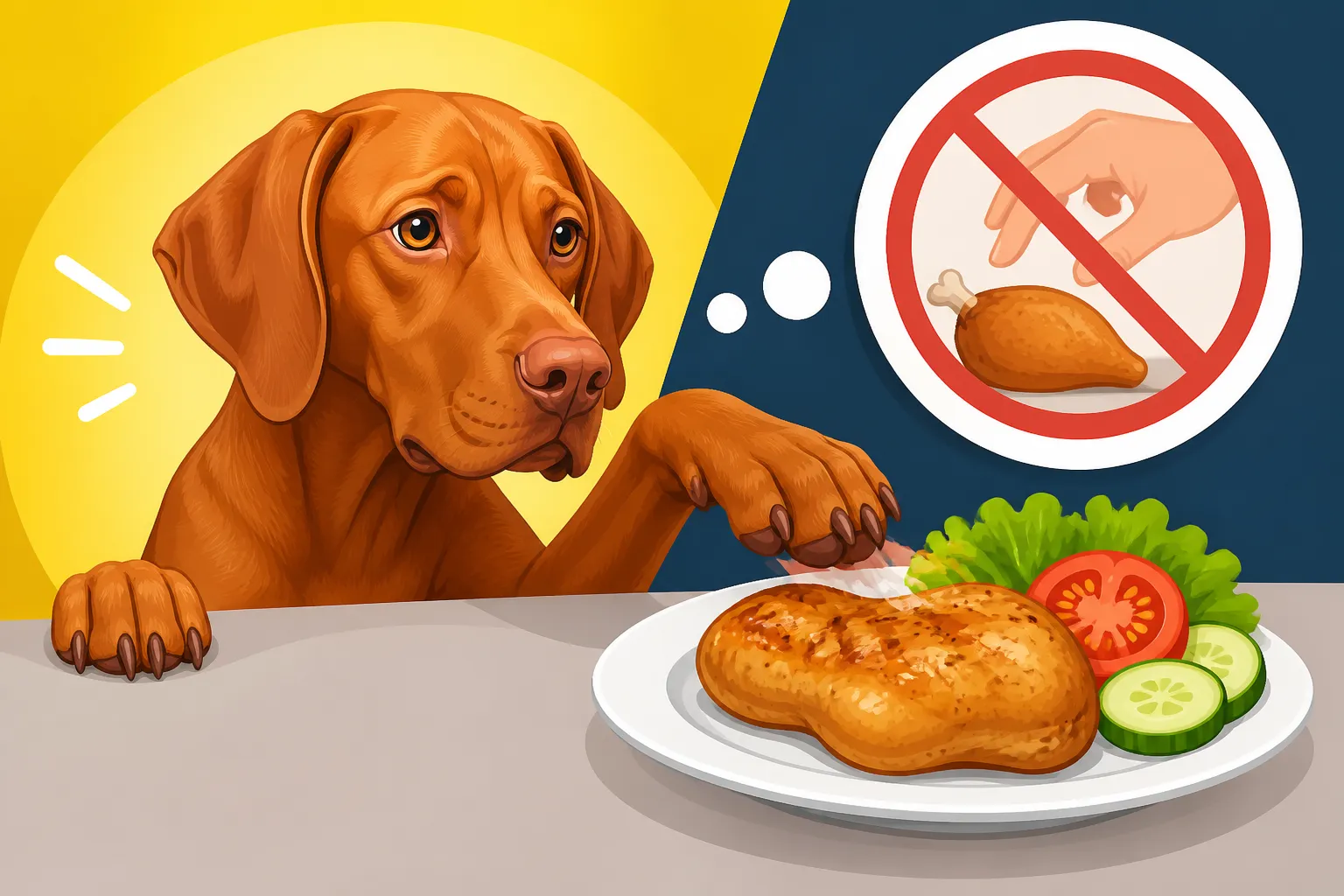
Whether a Vizsla Steals Food
One of the most common, and often hilarious but ultimately frustrating, quirks of owning a Vizsla is their uncanny ability to "acquire" food that was definitely not intended for them. Many a Vizsla owner has turned their back for just a second, only to spin around and find a perfectly innocent-looking Vizsla standing next to an empty plate, or worse, a half-eaten stick of butter. This guide will delve into why our beloved copper dogs are such adept food thieves, how to manage this behavior, and most importantly, how to keep your cherished meals (and your Vizsla) safe.
The Instinct Behind the "Counter Surfing" Vizsla
It’s easy to feel personally offended when your Vizsla snatches a freshly baked cookie from the cooling rack or makes off with a piece of toast from the table. But before you brand them a conniving criminal, it’s helpful to understand that much of this behavior stems from deep-seated canine instincts, amplified by the unique Vizsla personality.
Why Vizslas are Natural Foragers and Opportunists
Think about the Vizsla's heritage. These dogs were bred for hundreds of years to hunt, to range, to find things. Their intelligence, their phenomenal sense of smell, and their persistent nature were all honed for tracking game across vast Hungarian plains. They needed to be observant and quick-thinking. When you bring that powerful package into a modern home, where delicious smells waft from kitchen counters and dining tables, their innate drives kick into overdrive.
They aren't just looking for game anymore; they're looking for opportunities. A Vizsla's nose is an incredible tool, able to detect the faintest scent of that roast chicken you left cooling or the leftover pizza in the box. They are experts at scanning their environment for anything edible, and if it's within reach, or they can make it within reach, their hunter's instinct tells them it's fair game. This isn't malice; it's pure, unadulterated canine enterprise. It’s part of what makes them such driven partners in the field, and such persistent beggars in the home.
The "Velcro Vizsla" and Its Proximity to Food Sources
We all know the affectionate moniker: "Velcro Vizsla." It's true; these dogs adore being with their people, often following us from room to room, never more than a few feet away. While this devotion is one of their most endearing qualities, it also places them in prime position for culinary reconnaissance. If you're cooking, they're probably underfoot. If you're eating, they're likely gazing intently from beside your chair, or perhaps even resting their chin on your lap.
This constant proximity means they are perpetually aware of any food being prepared, consumed, or left unattended. They learn your habits: when you leave the kitchen, where you typically set down plates, which cabinet holds the good stuff. They are masters of observation, and their love for being near you inadvertently makes them excellent opportunists for food theft. It's a double-edged sword: you love their closeness, but that closeness often comes with a side of stolen snacks. What Velcro Behavior Looks Like in a Vizsla describes this constant companionship perfectly, and how it translates to their awareness of everything you do.
What Makes a Vizsla See Food as "Fair Game"
For a Vizsla, the concept of "mine" when it comes to human food is, quite frankly, baffling. They don't understand property rights in the way we do. If it's edible and accessible, it's a potential meal. When they manage to snatch something from the counter, they aren't thinking, "Oh no, I'm stealing!" They're thinking, "Jackpot! Free food!" This is a classic example of self-rewarding behavior. Every time they succeed in getting food this way, the behavior is reinforced. It’s incredibly rewarding for them – the taste, the thrill of the chase, the satisfaction of a full belly.
Because they are so smart, they quickly learn what works. If jumping on the counter once yielded a dropped sandwich, they’ll try it again. If nudging the trash can lid with their nose sometimes results in access to tasty leftovers, they’ll keep nudging. It's a game to them, and when they "win" by getting the food, they've just received the ultimate positive reinforcement for their "stealing" efforts. It's not about being disobedient; it's about following a very strong, very natural instinct that has been successfully rewarded.
Common Food Stealing Scenarios and Prevention Tactics
Vizslas are incredibly resourceful when it comes to food, but most of their thievery falls into a few classic categories. Understanding these scenarios is the first step in setting up effective prevention.
Counter Surfing: Foiling the Stealthy Snatcher
Ah, the infamous counter surf! This is perhaps the most common, and often most shocking, form of Vizsla food theft. You turn your back for a moment to grab a plate, and suddenly, the entire loaf of bread or half a pizza is gone. Their height, athleticism, and sheer determination make them excellent at reaching places many other breeds wouldn't dare. They might stand on their hind legs, launch themselves off a nearby chair, or even use their nimble paws to drag items closer to the edge.
The key to foiling the counter surfer is simple, yet requires constant vigilance: never leave food unattended on accessible surfaces. Push food far back from the edge of the counter. Use childproof latches on cabinets where food is stored, especially if your Vizsla has learned to open doors. For highly motivated dogs, some owners resort to creative measures like motion-activated alarms or cans stacked precariously on the counter (just out of reach of the food) that will tumble and make noise if disturbed, startling the dog. While these can be a temporary deterrent, consistency in management is paramount. A simple baby gate can also be a lifesaver, keeping your Vizsla out of the kitchen entirely during meal prep or when food is cooling.
Table Scraps and Plate Licking: Setting Boundaries
This one can be tricky because it often starts with good intentions – a little tidbit dropped "accidentally" or a plate left within reach for just a second. But any deviation from a strict "no human food from the table or plates" rule teaches your Vizsla that sometimes, just sometimes, they might get lucky. And a Vizsla with a glimmer of hope is a Vizsla who will continue to try. Whether a Vizsla Is a Fussy Eater is often not the case, they love food in all forms!
To prevent this, ensure everyone in the household, and any guests, understand and adhere to the "no human food" policy. This means no feeding from the table, no leaving plates on coffee tables, and definitely no encouraging begging. Train your Vizsla a "place" command, teaching them to go to their bed or mat and stay there calmly while you are eating. Reward them for staying in their designated spot with a high-value chew or toy, after you have finished your meal and put away all food. Consistency is the golden rule here; even one slip-up can set back weeks of training.
Raiding the Pantry and Trash: Securing Food Storage
Vizslas are not just interested in food actively being prepared or eaten; they are equally fascinated by stored food and discarded scraps. Many a Vizsla owner has returned home to find a ripped-open bag of kibble, an empty cracker box, or the contents of the trash can strewn across the floor. Their intelligence means they quickly figure out how latches work, how to tip over lightweight trash cans, or even how to open pantry doors.
Securing your food storage is critical, both for your sanity and your Vizsla's safety. Invest in heavy, lidded trash cans that dogs can't easily tip or open. For pantries or cabinets containing appealing foods, consider using child-proof latches. These are simple to install and surprisingly effective at deterring even the most persistent Vizsla. Storing things in sturdy, airtight containers rather than easily ripped bags also helps. Remember, a bored or under-exercised Vizsla might be more inclined to seek out these "enrichment" opportunities. Ensure your dog is getting enough physical exercise, such as The Exercise a Vizsla Needs Every Day, and mental stimulation to reduce their drive to find their own fun through destructive means.
Here's a quick overview of common scenarios and how to tackle them:
| Scenario | Vizsla Behavior | Prevention Tactics |
|---|---|---|
| Counter Surfing | Jumps/reaches for food on counters | Clear counters, push food back, use baby gates, motion alarms, cabinet latches |
| Table Scraps | Begs, licks plates, steals from unattended tables | Strict "no human food" policy, "place" command during meals, supervise guests |
| Pantry Raiding | Opens cabinets, rips bags, accesses stored food | Child-proof latches, airtight containers, heavy/secure trash cans |
| Trash Digging | Tips over bins, pulls out leftovers | Secure, heavy, lidded trash cans, keep bins in secured rooms |
| Stealing from Hands | Snaps or nudges food directly from a person's hand | Consistent "leave it," hand-feeding treats only when calm, teach gentle takes |
Training Strategies for a Food-Obsessed Vizsla
While management is crucial, training is equally important to address the underlying behaviors and teach your Vizsla appropriate responses around food. This is where positive reinforcement truly shines. The Soft Vizsla That Shuts Down When You Raise Your Voice means that harsh corrections are often counterproductive and can damage your bond.
Building a Solid "Leave It" and "Drop It"
These two commands are absolute game-changers for a food-motivated Vizsla. "Leave It" teaches your dog to disengage from something tempting, while "Drop It" teaches them to release something they already have in their mouth.
"Leave It" Training:
- Start Easy: Hold a low-value treat in a closed fist. When your Vizsla tries to get it, ignore them. The moment they disengage (even briefly looking away), say "Yes!" or click and immediately reward them with a different, higher-value treat from your other hand. The key is to reward them for not focusing on the "leave it" item.
- Increase Difficulty: Once they understand this, place the low-value treat on the floor, cover it with your hand. When they move away from it, reward. Gradually, uncover the treat. If they go for it, cover it again.
- Add the Cue: Once they reliably leave the treat, add the verbal cue "Leave It" just before they disengage.
- Proofing: Practice in different environments, with higher-value distractions (like that dropped piece of cheese!), and for longer durations. Make it a reflex, not just a command.
"Drop It" Training:
- Trade Up: Have two identical toys. Offer one to your Vizsla. While they have it, present the other toy (or a high-value treat). As they open their mouth to take the new item, say "Drop It."
- Reward Release: The moment the first item leaves their mouth, praise and let them have the second item.
- Repeat: Practice this often, making the trade-up highly rewarding. You want them to want to drop what they have because something better is coming.
- Real-World Practice: Once solid, practice with items they might actually pick up (safe sticks in the yard, etc.).
Consistency and positive reinforcement are vital here. Always make "leaving" or "dropping" more rewarding than getting the forbidden item. Many online training platforms, such as BAXTER & Bella, offer comprehensive, step-by-step guides for these foundational behaviors, often with video demonstrations that can be incredibly helpful for visual learners and their Vizslas.
Reinforcing Desirable Behavior Through Management
Training isn't just about teaching commands; it's about shaping overall behavior and managing the environment to set your Vizsla up for success. This means actively rewarding them for making good choices, even when it feels like they should "just know" better.
For example, if your Vizsla typically begs at the table, actively reward them every time they choose to lie calmly in their bed during your meal, even if you didn't explicitly tell them to go there. Toss them a safe, long-lasting chew or puzzle toy to work on while you eat, redirecting their focus from your food to their own activity. Whether a Vizsla Needs Mental Work Too shows why engaging their brains is so important.
If you know you're going to have a house full of guests and delicious smells, consider crating your Vizsla with a special treat or putting them in a separate room for a portion of the evening. This isn't punishment; it's smart management that prevents them from practicing undesirable behaviors (like counter surfing) and keeps them safe. It's about proactive prevention, not reactive correction. Remember, a Vizsla that successfully steals food even once has learned a valuable lesson – and it's not the lesson you want them to learn.
Providing Appropriate Outlets for Their Drive
A bored Vizsla is a mischievous Vizsla. Their high intelligence and boundless energy mean they need significant physical exercise and mental stimulation to keep them happy and out of trouble. If they aren't getting enough appropriate outlets, they will absolutely find their own entertainment, and often, that involves searching for food or engaging in destructive behaviors. What a Vizsla Chews Through as a Puppy can often escalate if they're not properly exercised and stimulated.
- Physical Exercise: Daily runs, long hikes, swimming, or active games of fetch are essential. A tired Vizsla is less likely to have the energy or inclination to scheme about raiding the pantry. Whether an Under Exercised Vizsla Becomes Destructive highlights this critical link between exercise and behavior.
- Mental Stimulation: Don't underestimate the power of brain games. Snuffle mats, puzzle feeders, KONGs stuffed with frozen treats, and regular short training sessions can be incredibly tiring for their minds. Practicing their scent work, even just hiding treats around the house for them to find, taps into their natural foraging instincts in a productive way.
- Structured Training: Continue working on obedience commands beyond "Leave It" and "Drop It." Engaging them in activities like agility, rally obedience, or even advanced hunting drills gives them a purpose and keeps their minds sharp. Whether a Vizsla Works for Food or Birds means these activities can be very motivating.
By channeling their natural drives into acceptable activities, you reduce their perceived need to "hunt" for food around the house.
When Food Stealing Becomes a Health or Safety Concern
While the occasional stolen piece of toast might be annoying, the habit of food stealing can quickly escalate into serious health and safety risks for your Vizsla. It's not just about guarding your dinner; it's about protecting your dog.
The Dangers of Ingesting Unsafe Foods
Many common human foods are highly toxic to dogs, and a Vizsla's indiscriminate palate means they won't hesitate to gobble up something dangerous. Leaving these items on the counter or in an accessible trash can can lead to an emergency veterinary visit.
Common culprits include:
- Chocolate: Contains theobromine, toxic to dogs. Darker chocolate is more dangerous.
- Grapes and Raisins: Can cause acute kidney failure.
- Onions, Garlic, Chives: Can damage red blood cells, leading to anemia.
- Avocado: Contains persin, which can cause vomiting and diarrhea in high amounts.
- Xylitol: An artificial sweetener found in many sugar-free products (gum, candies, peanut butter) that can cause a rapid, fatal drop in blood sugar and liver failure. This is extremely dangerous.
- Alcohol: Even small amounts can be toxic.
- Caffeine: Found in coffee, tea, and energy drinks.
- Fatty Foods: Can lead to pancreatitis, a painful inflammation of the pancreas. Whether a Vizsla Gets Pancreatitis is a serious concern.
- Cooked Bones: Can splinter and cause internal damage or blockages.
- Yeast Dough: Can rise in the stomach, causing bloating and producing alcohol.
If your Vizsla does manage to get into something potentially toxic or dangerous, contact your veterinarian immediately. It’s always better to err on the side of caution. Prompt action can literally save their life. The costs associated with emergency vet visits for ingestion of foreign objects or toxic substances can be significant, so prevention is truly the best medicine. What a Vizsla's Emergency Field Injury Costs will give you an idea of the expense involved in unexpected vet bills.
Resource Guarding and Behavioral Interventions
Most food stealing in Vizslas is opportunistic, a simple case of "see food, take food." However, in some cases, it can develop into resource guarding, a more serious behavioral issue where a dog aggressively protects food or other valued items from perceived threats (including family members). This manifests as growling, snarling, snapping, or even biting when someone approaches them while they have food.
Signs your Vizsla might be resource guarding include:
- Freezing over food bowls or stolen items.
- Lowering their head over the item.
- Eating rapidly when approached.
- Growling or snapping if you get too close.
- Carrying food to a secluded spot to eat.
If you suspect your Vizsla is exhibiting resource guarding, it's crucial to seek help from a certified professional dog trainer or a veterinary behaviorist immediately. This is not a behavior to try and "fix" on your own through punishment, as it can escalate aggression. A professional can assess the situation and develop a safe, positive reinforcement-based plan to manage and modify the behavior, ensuring the safety of both your family and your Vizsla. They can help you understand the nuances of canine communication and address the underlying anxiety or fear that often drives resource guarding.
Disclaimer
This article is for general informational purposes only and does not constitute professional advice. Laws, prices and regulations vary by location and change over time. Consult a qualified professional for guidance on your specific situation.