Whether a Vizsla Comes Back Off Game
It’s a heart-stopping moment for any Vizsla owner: you’re out in the field, enjoying a beautiful day, when suddenly your copper companion catches the scent of a pheasant or spots a rabbit darting across the horizon. In a flash, they’re gone, and your perfectly trained "come" command feels like a whisper against the roar of their primal hunting instinct. The question isn’t if it can happen, but how you can consistently get your Vizsla back when that powerful prey drive kicks in. This guide will delve into why Vizslas chase game and, more importantly, how to build a recall strong enough to bring them back from the brink of a chase.
Understanding the Vizsla's Instinct to Hunt
Let’s be honest, the Vizsla was bred for this. Their entire being, from their keen nose to their athletic build, is designed for finding and pointing game. It's not a flaw in their character or a sign of disobedience; it's simply what they were born to do. Understanding this fundamental aspect of the breed is the first step in managing their recall around game.
A Hunter Born and Bred
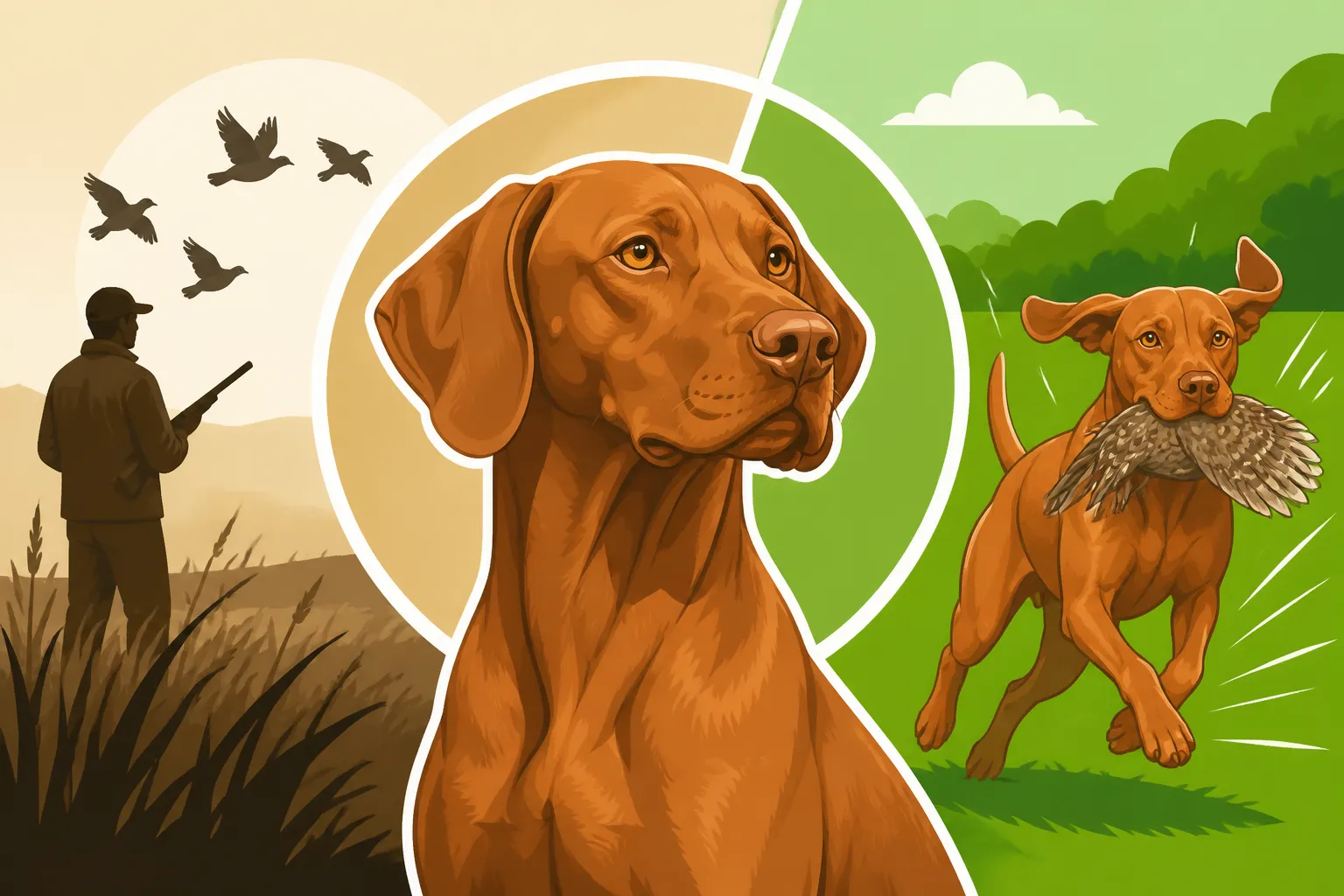
Centuries of selective breeding have ingrained a powerful hunting drive into the Vizsla. They aren't just pets; they are exquisite gundogs with an innate ability to locate birds, hold a steady point, and often retrieve. This instinct isn't something you can train out of them entirely, nor would you want to, as it's part of what makes them such magnificent companions. When a Vizsla catches a whiff of game, it triggers a cascade of inherited behaviors: the head lifts, the nose twitches, the body stiffens, and then, often, the chase begins. It's a natural, almost involuntary response, deeply rooted in their DNA. For many, this is the very reason they sought out a Vizsla, but it’s also the source of endless frustration when the "come" command is met with a deaf ear.
The Allure of Scent and Movement
Imagine the world through your Vizsla's nose. A faint scent trail, imperceptible to humans, tells a whole story about the rabbit that just darted through the brush or the pheasant hiding in tall grass. Their olfactory senses are incredibly acute, drawing them in with an irresistible pull. Then, add visual stimuli: a sudden flush of birds, the flick of a deer's tail, or a squirrel scrambling up a tree. These movements are like a siren call to a Vizsla, engaging their predatory sequence. They lock onto the target, every muscle tensing, and the desire to pursue becomes overwhelming. It’s a complete sensory experience that often eclipses any other input, including your voice. This is why even a well-trained Vizsla can seem to "forget" you in the heat of the moment; they aren't being spiteful, they're simply being a Vizsla.
The Challenge of Recall in the Field
It's one thing to have a perfect recall in your living room or even in a fenced park with no distractions. It's an entirely different beast when your Vizsla is fifty yards away, nose to the ground, trailing a rabbit. This is where the rubber meets the road, and many owners find their once-reliable recall simply evaporates.
Why "Come" Can Feel Optional
For your Vizsla, the world is full of potential rewards. A tasty treat from your hand is great, but catching a squirrel or flushing a pheasant? That's the ultimate jackpot. When faced with the choice between a known, smaller reward (your treat) and a highly stimulating, self-reinforcing activity (the chase), the chase often wins. Your dog isn't actively deciding to ignore you; they're simply responding to the most powerful motivator in that moment. The exhilaration of the hunt, the surge of adrenaline, and the fulfillment of an ancient instinct can easily override even the most consistent training if the value of your recall isn't perceived as equally, if not more, rewarding. It's a constant competition, and we need to stack the odds in our favor.
Distance and Distraction
The further your Vizsla is from you, the less impactful your voice becomes. What starts as a slight hesitation at ten feet can become outright obliviousness at fifty. Their focus narrows to the game, and your presence, your tone, and your commands fade into the background noise of the field. Couple this with high-value distractions like birds, deer, or even other dogs playing, and the challenge intensifies. Think about it from your Vizsla's perspective: you’re a speck in the distance, making sounds, while a thrilling, fast-moving target is right in front of them. It's a tough sell, and it requires a recall so deeply ingrained and so consistently rewarded that it becomes a reflex, almost a second nature, regardless of the environment. Building a Recall on a Vizsla That Ranges is crucial here, as their natural tendency is to cover ground.
Strategies for Building a Reliable Off-Game Recall
So, how do you compete with nature itself? It's not impossible, but it requires patience, consistency, and a deep understanding of what motivates your Vizsla. The key is to make coming back to you the absolute best choice they can make, even when their instincts are screaming otherwise.
Foundation First: Proofing the Basic Recall
Before you even think about game, your Vizsla needs an iron-clad recall in low-distraction environments. Start in your home, then a fenced yard, then a quiet park on a long line. Use a consistent, cheerful recall cue, and reward them enthusiastically every single time they come, even if it takes a moment. Make it a party! Gradually introduce more distractions, but always set them up for success. Never call them if you suspect they won't come, as every ignored command weakens its power. If your Vizsla is sensitive, remember The Soft Vizsla That Shuts Down When You Raise Your Voice, and use positive reinforcement rather than correction. Tools like the comprehensive courses offered by BAXTER & Bella can be invaluable here, providing structured programs to build that rock-solid foundation from puppyhood right through adolescence.
High-Value Rewards are Non-Negotiable
When working around game, your everyday kibble won't cut it. You need something truly irresistible. Think cooked chicken, hot dogs, cheese, or specialized high-value training treats. The reward needs to be at least as exciting as the potential chase. This might mean keeping a special "game recall" treat reserved only for these specific, challenging situations. When your Vizsla returns from ignoring game, they should be showered with praise and rewarded with something spectacular. The goal is to create an association where coming back to you is even better than the chase itself. Don't be shy; make a huge deal out of it.
Introducing Controlled Exposure to Game
This is where you start bridging the gap between basic recall and off-game recall. You'll need controlled environments and, ideally, trained birds (like pigeons or quail) or even a training group that offers bird-work sessions. The idea is to allow your Vizsla to experience the thrill of scent and sight of game, but then immediately require a recall before they can fully engage in the chase.
- On a Long Line: Start by walking your Vizsla on a very long line (30-50 feet) in an area where you know there might be game, or introduce a "planted" bird. When they scent or see the bird and start to move, give your recall command. If they hesitate, gently reel them in while continuing to praise. Reward instantly and heavily. The long line acts as a safety net and allows you to enforce the recall without harshness, teaching them that "come" means leaving the game for a better reward.
- Gradual Increase: As they improve, you can gradually increase the distance and the level of distraction. Always ensure you have control and can intervene if needed. This isn't about letting them chase, it's about teaching them that you are the source of even better things, even when game is present. Starting a Vizsla on Birds should always be done methodically and with recall as a priority.
The Power of the Long Line and GPS Collar
These two tools are essential for Vizsla owners who want to allow their dogs to explore off-leash in areas with potential game.
- The Long Line: We already mentioned its use in training, but it’s also a fantastic safety device. It allows your Vizsla freedom to roam and explore scents, giving them a sense of off-leash liberty, while still giving you the ability to physically intervene if they ignore your recall or bolt. It’s a bridge between a leashed walk and full off-leash freedom. Always use a harness with a long line, never attach it to a collar, to prevent neck injury if they hit the end of the line.
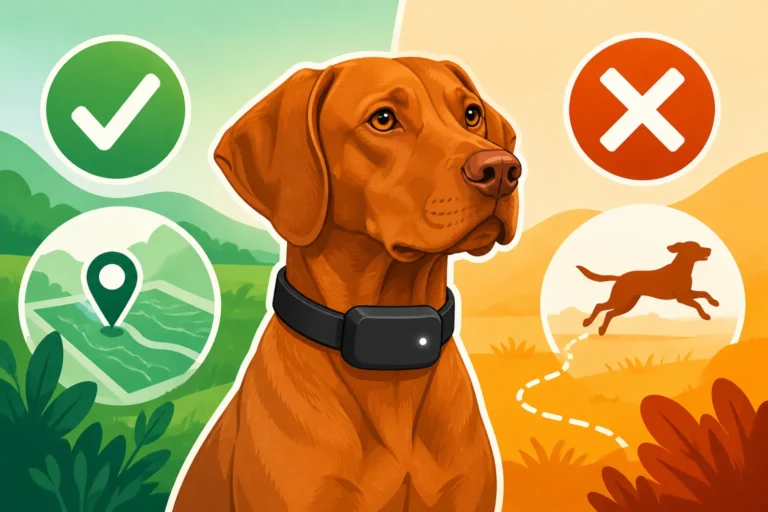
- GPS Collar: For true off-leash freedom, especially in vast hunting grounds or open fields, a GPS collar is an absolute must-have. Even with the best recall, a strong scent or a sudden flush of game can send a Vizsla far afield in moments. A GPS collar, readily available from retailers like Amazon, gives you peace of mind, allowing you to track your dog's location in real-time. It means if your Vizsla does disappear over the horizon on a hot scent trail, you know exactly where to find them. This isn't a training tool for recall itself, but a critical safety net that allows you to confidently give your dog more freedom, knowing you can retrieve them if their instincts get the better of them. Whether a Vizsla Should Wear a GPS Collar is a question many owners consider for safety and peace of mind.
Advanced Techniques and Problem Solving
Even with the best training, Vizslas are intelligent, driven dogs, and sometimes their instincts will still take over. Having advanced strategies in your toolkit can make all the difference.
Emergency Recall Cues
It’s a good idea to have an "emergency recall" word or whistle cue that is distinct from your everyday "come" command. This cue should be reserved only for dire situations when your Vizsla's life might be in danger, such as heading towards a road or chasing something dangerous. This emergency cue should be proofed even more rigorously than your standard recall, using the absolute highest-value rewards imaginable. The idea is that it's a "break glass in case of emergency" command that your dog associates with the most incredible payout, making it virtually impossible to ignore. Never use it for casual recalls, as doing so dilutes its power.
Working with a Professional Trainer
If you've hit a wall, or if your Vizsla's prey drive is simply overwhelming your current training efforts, don't hesitate to seek professional help. A good gundog trainer or a certified professional dog trainer with experience in working breeds can provide invaluable guidance. They can help you identify specific triggers, fine-tune your techniques, and use specialized equipment or controlled setups (like bird launchers) to create realistic training scenarios. They can also offer an objective perspective on your dog's behavior and your training methods. Whether a Vizsla Handles a Professional Trainer is usually a resounding yes, as their intelligence and desire to please, when channeled correctly, make them highly trainable. They often thrive on structured work.
Managing Expectations and Safety
Let's be realistic: a Vizsla will always have a prey drive. While you can build an incredibly strong recall, there will always be that one perfect storm of scent, sight, and opportunity that might challenge even the most dedicated training. The goal isn't to eliminate their natural instincts, but to manage them responsibly. This means:
- Picking Your Battles: Don't let your Vizsla off-leash in areas where you know there are high populations of deer, rabbits, or ground-nesting birds if their recall isn't 100% bombproof in those specific conditions.
- Environmental Control: Utilize long lines, secure fencing, and appropriate hunting grounds where ethical training is possible.
- Never Stop Training: Recall is not a "one and done" command. It requires consistent reinforcement throughout your Vizsla's life, regularly practicing in varying environments with different distractions.
- Embrace the Gear: A high-quality GPS collar is not a crutch; it's a responsible tool for a responsible owner of a sporting breed. Just like you'd use a strong leash, use a tool that enhances your dog's safety and your peace of mind.
| Recall Training Scenario | Distraction Level | Required Reward Value | Training Strategy | Key Tools |
|---|---|---|---|---|
| Home / Fenced Yard | Low | Medium-High | Build foundation, rapid repetition, varied locations | Treats, toys, cheerful praise |
| Quiet Park / Trail | Medium | High | Introduce new sights/sounds, gradual distance increase | Long line, high-value treats, consistent praise |
| Area with Known Game | High | Extremely High | Controlled bird work, emergency recall cue, consistent enforcement | Long line, trained birds, GPS collar, "jackpot" treats |
| Unpredictable Field | Very High | N/A (Safety focus) | Only use if recall is bombproof, rely on GPS for safety | GPS collar, emergency recall, strong management |
Disclaimer
This article is for general informational purposes only and does not constitute professional advice. Laws, prices and regulations vary by location and change over time. Consult a qualified professional for guidance on your specific situation.