How Vizslas Reached America
The migration of Vizslas from Hungary to America traces the survival and rebirth of this rare hunting dog breed.

The migration of Vizslas from Hungary to America traces the survival and rebirth of this rare hunting dog breed.

Historical ties to Hungarian nobility made owning Vizslas politically dangerous during periods of revolutionary upheaval and near extinction.

Elizabeth Mihalyi was a dedicated patron of the Hungarian Vizsla whose tireless work ensured the breed survived World War II.

Two world wars brought the Vizsla dog breed to the brink of extinction before dedicated preservation efforts secured its survival.

Hungarian Vizsla survival history reveals how the rare hunting breed was rebuilt twice from just twelve surviving dogs.

The Vizsla dog breed nearly vanished by nineteen hundred due to shifting fortunes among the Hungarian aristocracy.

Hungarian Vizsla history reveals the dog breed connection to Magyar tribes and later medieval nobility and aristocracy.

Historical and genetic evidence explains whether the Magyar migration brought the Vizsla dog breed to Hungary.
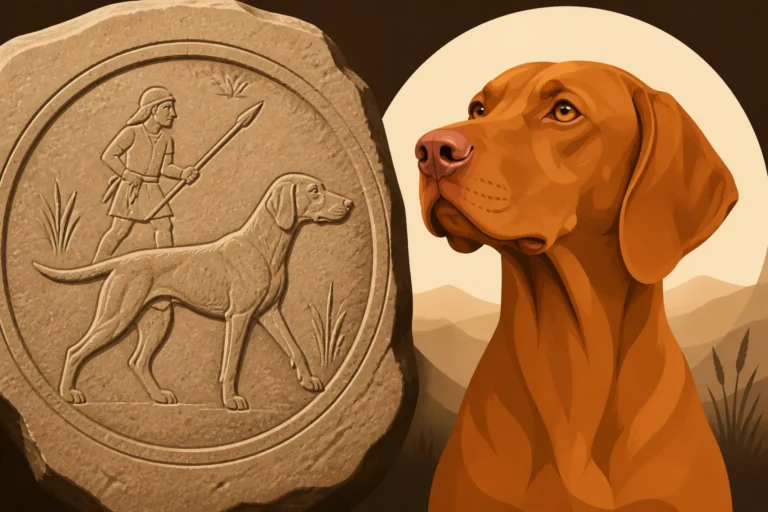
Ancient stone carvings and visual records reveal the distant origins and physical traits of early Vizsla hunting dogs.
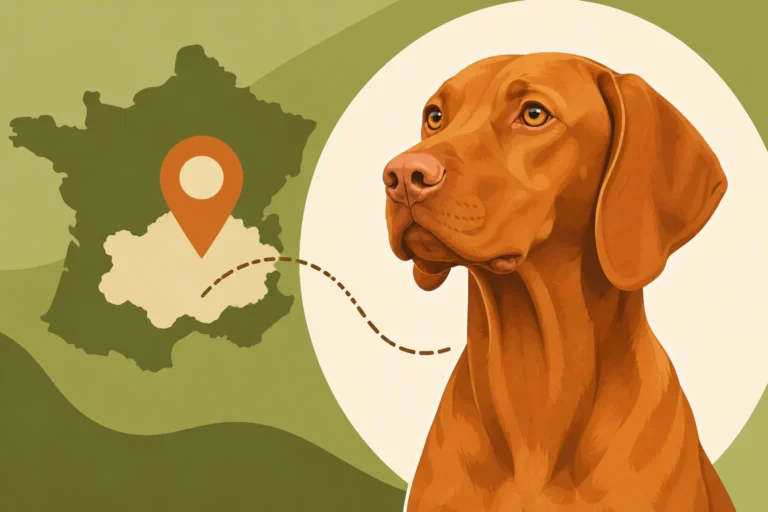
The word Vizsla originates from the Old Hungarian verb vizslatni, meaning to search, highlighting this sporting breed hunting purpose.