The Year the Vizsla First Nearly Vanished
Hungarian Vizslas nearly faced extinction due to political turmoil, aristocratic decline, and the growing popularity of foreign hunting breeds.

Hungarian Vizslas nearly faced extinction due to political turmoil, aristocratic decline, and the growing popularity of foreign hunting breeds.

Historical ownership of the Vizsla by Hungarian nobility and Magyar tribes reveals whether only landowners possessed the breed.

Historical records and breed characteristics reveal whether the Bloodhound influenced the development of the Vizsla.

The history of the Vizsla explores potential crossbreeding with Pointers during the development of this Hungarian hunting dog.

Historical records explore how the lengthy Turkish occupation of Hungary potentially influenced the ancestry of the modern Vizsla breed.

Hungarian Vizslas and their Magyar ancestors assisted falconers by flushing, pointing, and retrieving game during traditional hunts.

Historical evidence and traditions exploring the connection between the Vizsla breed and ancient Magyar tribes settling Hungary.
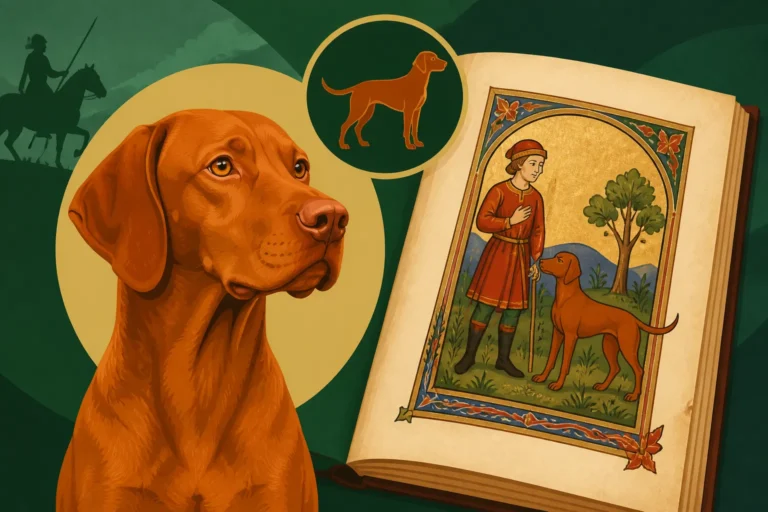
Medieval Hungarian texts lack clear mentions of Vizslas because historic societies categorized dogs by function rather than breed.

Ancient artworks from the Carpathian Basin dating to the tenth century show hunting dogs resembling Vizsla ancestors.

The Vizsla history reveals the evidence and challenges of proving whether this Hungarian dog is the oldest pointing breed.