A Vizsla in a House With Children
Bringing a Vizsla into a home with children, or introducing children to an existing Vizsla, can be a truly wonderful experience, but it also comes with unique challenges many families don't anticipate. This guide will walk you through everything you need to know about navigating the lively, affectionate, and sometimes overwhelming world of Vizslas and children, ensuring a harmonious and safe environment for everyone.
Understanding the Vizsla's Nature with Children
Vizslas are often described as the "Velcro" dog, and for good reason. Their intense desire for companionship, combined with boundless energy, shapes their interactions with every member of the family, including the little ones. Understanding these core traits is the first step to a successful household dynamic.
Energy Levels and Patience
It's no secret that Vizslas are high-energy dogs. They were bred to be active hunters, capable of running all day, and that drive doesn't simply disappear when they become family pets. This incredible energy can manifest as enthusiastic greetings, playful nips, or a general boisterousness that, while well-intentioned, can be overwhelming or even dangerous for small children. Many new owners quickly realize that The Two Hours a Vizsla Needs Before It Will Settle is not an exaggeration – it's a daily requirement. Without adequate exercise, a Vizsla will find its own ways to burn off steam, which might involve chasing children, jumping on furniture, or generally creating chaos.
This isn't about malice; it's about breed instinct. A Vizsla doesn't understand that a toddler might fall if it bumps them while zooming through the living room, or that a child's flailing arms are not an invitation to a game of bitey-face. Their natural exuberance needs careful management and redirection. It's crucial for parents to recognize that a tired Vizsla is a well-behaved Vizsla, and that "tired" for this breed means much more than a leisurely stroll around the block. Dedicated outlets for their energy, like vigorous games of fetch, long hikes, or structured training sessions, are non-negotiable for peaceful coexistence with kids.
The "Velcro" Trait and Children
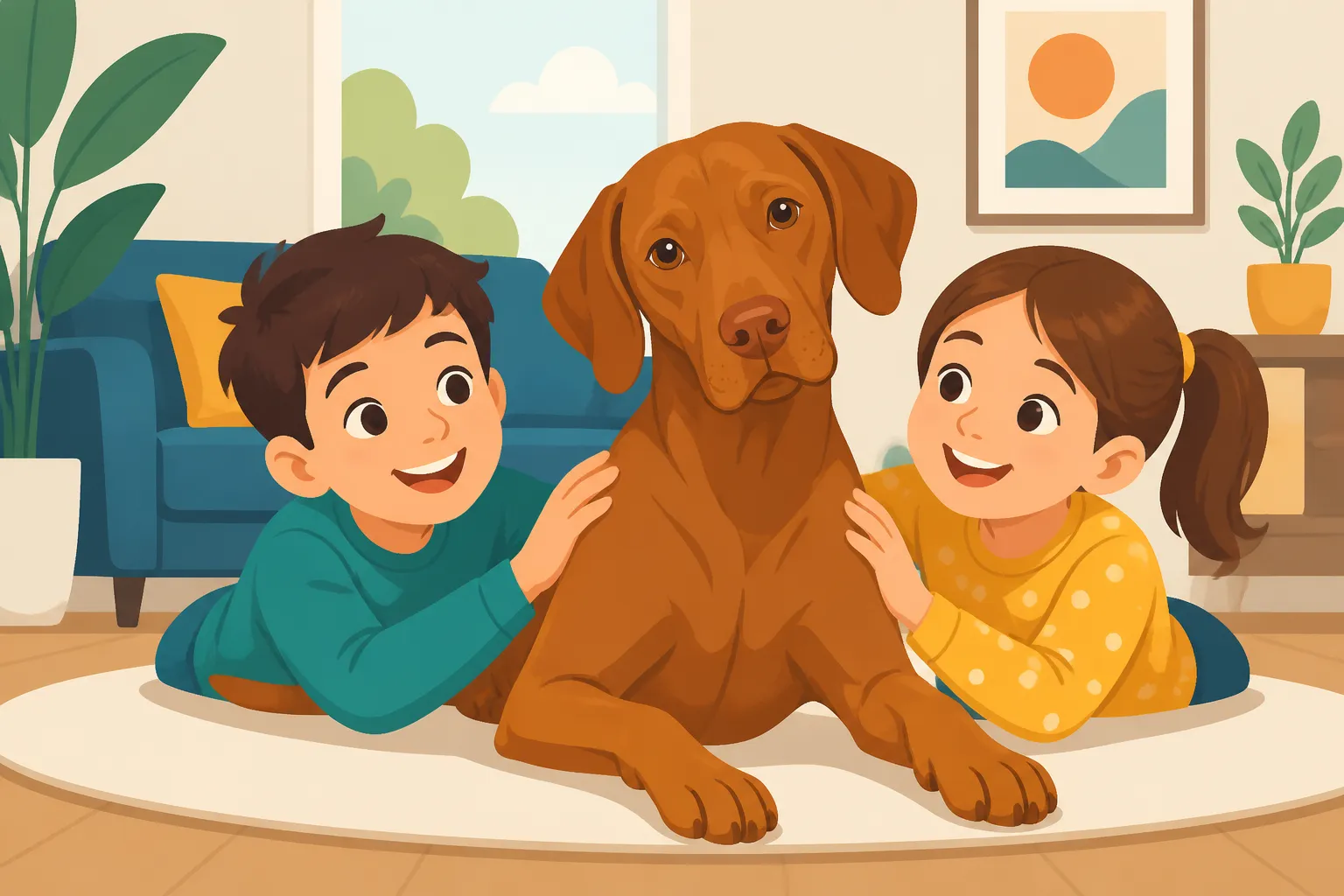
The term "Velcro Vizsla" perfectly encapsulates their inherent need to be physically close to their people. This isn't just about being in the same room; it often means touching, leaning, or even trying to sit in your lap, regardless of their size. While this intense affection is one of the most endearing qualities for many adults, it can be a double-edged sword when children are in the mix. Imagine a 60-pound dog constantly nudging, leaning, or trying to wedge itself between you and your child on the sofa. For older, dog-savvy children, this might be a source of amusement, but for a toddler, it can be startling or even cause them to lose balance.
This "Velcro" nature also extends to their constant presence. They want to be involved in everything, from meal prep to playtime. This means they are often underfoot, eager to participate in whatever the children are doing. While this can foster a strong bond, it also requires diligent supervision to ensure children aren't accidentally stepped on or knocked over during an excited moment. Teaching both the Vizsla and the children appropriate ways to share space and interact respectfully is paramount, ensuring that the dog's affectionate nature doesn't lead to accidental mishaps. It means setting boundaries from day one about personal space, for both two-legged and four-legged family members.
Soft Nature and Sensitivity
Beneath that energetic exterior, Vizslas are remarkably soft and sensitive dogs. They thrive on positive reinforcement and can become quite disheartened or "shut down" if subjected to harsh corrections or loud, angry voices. This sensitivity is particularly important to consider in a household with children, as children's emotions and voices can often be loud, unpredictable, and sometimes perceived as aggressive by a sensitive dog. The Soft Vizsla That Shuts Down When You Raise Your Voice is a reality that parents need to understand. A child's frustrated yell or accidental rough handling could cause a Vizsla to retreat, become fearful, or even lash out in defense if they feel cornered or threatened.
It’s vital to teach children how to interact gently and respectfully with the family Vizsla. This includes showing them how to pet properly, avoiding pulling ears or tails, and understanding when the dog needs space. Similarly, the Vizsla needs to learn patience and tolerance for the unpredictable nature of children, all through positive, reward-based training. Creating a safe haven for the dog, like a crate or a designated bed where children are not allowed to bother them, is crucial. This provides the Vizsla with a place to decompress and feel secure, which is especially important in a busy, noisy home.
Preparing Your Vizsla for a Baby's Arrival
If you already have a Vizsla and a baby is on the way, congratulations! This is an exciting time, but it's also a period that requires careful preparation to ensure a smooth transition for your canine companion. Vizslas thrive on routine and closeness, so the dramatic shifts a new baby brings can be a significant adjustment.
Gradual Preparations Before Baby
The key to success when a new baby is coming is to introduce changes gradually before the baby arrives, not all at once on D-day. Your Vizsla's world is about to be turned upside down: new sights, new smells, new sounds, and a drastic change in your schedule and attention. Start by making small shifts in your Vizsla's routine. If you anticipate less time for long walks, begin shortening them slightly or varying the times now. If your dog typically sleeps in your bed and won't be allowed to once the baby is here, transition them to a new sleeping spot weeks or months in advance.
Introduce baby items slowly. Set up the crib, stroller, and changing table well before the baby arrives, allowing your Vizsla to sniff and investigate them at their own pace. Don't let them chew on or claim these items, but encourage calm exploration. Use positive reinforcement, like treats and praise, when they are calm around the new baby gear. This helps them associate these new objects with pleasant experiences, rather than feeling excluded or confused. Remember, your goal is to build positive associations with all things "baby."
Scent Introduction and Desensitization
One of the most powerful senses for a dog is smell, and a new baby brings a whole host of novel scents. Before the baby comes home, ask someone to bring a receiving blanket or a piece of clothing the baby has worn from the hospital. Allow your Vizsla to sniff this item thoroughly. Do this in a calm environment, perhaps while you're gently petting them or offering a high-value treat. This low-pressure introduction allows them to become familiar with the baby's unique scent before the baby's physical presence completely changes their world.
Beyond scent, desensitization to new sounds and sights is also vital. Play recordings of baby cries, coos, and squeals at low volumes, gradually increasing the volume over several days or weeks. Observe your Vizsla's reaction; if they show signs of stress (tail tucked, ears back, excessive panting), reduce the volume and try again later. Similarly, practice walking with an empty stroller, so the sight and movement become normal. You can find baby sound CDs or apps on Amazon that are perfect for this desensitization training. The more familiar these elements are before the baby arrives, the less shocking the reality will be.
Adapting Routines and Spaces
Your life with a newborn will be unpredictable, and your Vizsla will feel that shift. It's wise to start adjusting your Vizsla's routine before the baby arrives. If your dog is accustomed to having your undivided attention for hours, start carving out specific "dog time" slots that mimic what you might realistically be able to offer with a baby. This teaches them that even if your availability changes, they will still get their dedicated attention. Consider hiring a dog walker or enlisting family members to help with exercise once the baby is here.
Designate specific "baby zones" in your home where your Vizsla might not be allowed access, or only under strict supervision. Install baby gates early, so the Vizsla gets used to them as part of the home landscape. These gates can be invaluable for creating safe spaces for the baby, and quiet retreats for the dog. Train your Vizsla to respect these boundaries with positive reinforcement. It's about proactive management, teaching your dog what to expect, and building a foundation of calm and compliance that will be invaluable in the busy early days with a newborn. For instance, creating a calm "place" command for their bed will be a lifesaver when you need hands-free time with the baby.
Introducing Your Vizsla to Children Safely
The first impressions and ongoing interactions between your Vizsla and children, whether they are new additions to the family or visiting friends, lay the groundwork for a safe and happy relationship. Proper introductions and consistent supervision are non-negotiable.
Supervised First Meetings
When the time comes for your Vizsla to meet your baby for the first time, or for a new Vizsla puppy to meet your existing children, absolute supervision is key. Keep your Vizsla on a leash during initial meetings with a new baby, allowing them to approach calmly. If your Vizsla is jumping or overly excited, gently redirect them until they are calm before allowing closer interaction. Reward calm behavior with praise and treats. For a baby, let the Vizsla sniff the baby's feet or hands gently, making sure to keep their face away from the baby's head. Keep these initial interactions short and positive.
If introducing a Vizsla puppy to existing children, supervise every interaction. Children, especially young ones, can be unpredictable in their movements and sounds, which can startle a puppy. Teach children to approach the puppy gently, without running or grabbing. Similarly, teach the puppy bite inhibition and not to jump on children. This is where a program like BAXTER & Bella can be immensely helpful, as they offer structured online training that involves the whole family, providing clear guidance on safe interactions and teaching puppies appropriate manners from the start. Never leave a dog and child unattended, no matter how trustworthy you believe your dog to be.
Respectful Interactions from Both Sides
It's a two-way street when it comes to living harmoniously. Not only does your Vizsla need to learn how to be gentle and patient with children, but children also need to learn how to interact respectfully with the dog. This means teaching children to:
- Be Gentle: No pulling tails, ears, or fur. Pet gently on the body, not the head.
- Respect Space: Understand that the dog's crate or bed is their safe haven where they should not be disturbed.
- Read Body Language: Learn to recognize when the Vizsla is happy and relaxed (loose body, wagging tail, relaxed ears) versus when they are stressed or uncomfortable (tail tucked, ears back, lip licking, yawning, stiff body).
- Offer Treats Properly: Teach them to offer treats with an open, flat hand, rather than holding them tightly, to prevent accidental nips.
For younger children, this education needs to be constant and consistent. Role-play interactions, use visual aids, and always reinforce positive behavior from both your children and your Vizsla. Building this mutual respect is fundamental to a long-lasting, loving relationship. Understanding Whether a Vizsla Is Safe With Toddlers often comes down to this consistent, mutual respect.
Establishing Boundaries Early
From the moment children and Vizslas interact, clear boundaries must be established and enforced consistently by all adults in the household. This includes rules about where the Vizsla is allowed, when they can solicit attention, and how they should behave around children. For example, teach your Vizsla a "place" command so they can go to their mat or bed when requested, especially during mealtimes or when children are playing rambunctiously. This creates a safe distance and prevents begging or accidental bumping.
Consider using baby gates or exercise pens to create physical boundaries, allowing the Vizsla to be near the family but not directly in the children's play space, especially if they are overly excited. Teach children not to approach the Vizsla while it's eating, sleeping, or playing with its toys. These are common situations where even the most tolerant dog can become defensive. Consistent enforcement of these boundaries prevents misunderstandings and teaches both parties what is expected, laying the groundwork for a predictable and secure environment.
Managing Playtime and Interactions
Playtime between Vizslas and children can be a source of immense joy and bonding, but it also requires active management to keep everyone safe and happy. The Vizsla's high energy and prey drive mean that not all games are appropriate, and supervision is always essential.
Appropriate Play and Games
Given their boundless energy and intelligence, Vizslas need structured, appropriate play to thrive alongside children. Instead of chaotic running games that can easily lead to accidental bumps or nips, focus on games that channel their natural instincts in a safe way. Fetch is an excellent choice, as it provides physical exercise and mental engagement. Children can throw a soft ball for the Vizsla in an open, safe area. Tug-of-war can also be fine, provided the child is old enough to understand when to release the toy and that the game ends if the dog’s teeth touch skin.
Scent games or "hide and seek" are fantastic for engaging a Vizsla's powerful nose and problem-solving skills, and can be played indoors or out. The child can hide treats (dog-safe ones, of course!) or a favorite toy for the Vizsla to find. This kind of mental stimulation can be just as tiring as physical exercise for a Vizsla and helps reinforce positive interactions. Always ensure toys are size-appropriate for the Vizsla to prevent choking hazards and are sturdy enough to withstand their enthusiastic play. Many durable dog toys perfect for rough play can be found on Amazon.
Teaching "Gentle" and "Off"
Two of the most valuable commands a Vizsla can learn in a home with children are "gentle" and "off." "Gentle" teaches the dog to take treats softly from a hand, rather than snatching, and can extend to how they interact with people in general. Practice this regularly with high-value treats, rewarding even the slightest soft touch of their lips to your hand. Children, under supervision, can also practice this, teaching the Vizsla to be delicate.
The "off" command is crucial for managing jumping. Vizslas, especially when excited, can be prone to jumping up on people, including children. This can easily knock a child over. Teach "off" by turning your back or stepping away every time your Vizsla jumps up, only giving attention and praise when all four paws are on the floor. Consistency is key here. Every adult and older child needs to reinforce this command. Over time, your Vizsla will learn that calm behavior gets them attention, while jumping makes the fun stop. This will help prevent instances of Whether a Vizsla Is Too Bouncy for Small Kids.
Managing Excitement and Overstimulation
Vizslas are enthusiastic by nature, and while this is charming, it can quickly escalate into overstimulation, especially when children are involved. The loud noises, quick movements, and high-pitched squeals of children can trigger a Vizsla's inner puppy, leading to boisterous play that might become too rough. Learning to recognize the signs of overstimulation in your Vizsla (e.g., frantic running, excessive nipping, inability to settle) is crucial.
When you notice your Vizsla getting too hyped up, intervene immediately. This might mean calling a "time out" for the dog, sending them to their "place" or crate for a few minutes to decompress. It could also mean redirecting their energy to a solo activity, like a puzzle toy filled with treats, or a short, focused training session. Teach your children to understand these signals too, and to give the dog space when needed. Creating pockets of calm throughout the day, where the Vizsla can simply relax without interruption, helps manage their overall arousal levels and promotes a more harmonious home environment.
Training for Harmony in a Busy Household
A well-trained Vizsla is a safer, happier Vizsla, especially in a household bustling with children. Foundation obedience, a solid recall, and rewarding calm behavior are cornerstones of successful integration.
Foundation Obedience for Safety
Basic obedience commands aren't just for show; they are vital safety tools in a home with children. Commands like "sit," "stay," "down," and "come" allow you to manage your Vizsla's behavior, prevent undesirable actions, and ensure their safety around children. For instance, a reliable "stay" can keep your Vizsla from bolting out the door when a child opens it or from interfering when children are playing with fragile toys.
Invest time in consistent, positive reinforcement training from day one, ideally through a puppy class or an online program like BAXTER & Bella. Their comprehensive curriculum often includes modules on living harmoniously with families, addressing common challenges directly. This structured approach helps build a strong bond between you and your Vizsla while instilling good manners. Remember, every family member, including older children, should be involved in reinforcing these commands, ensuring consistency across the board. This way, your Vizsla learns that everyone expects the same polite behavior.
The Importance of a Strong Recall
For a Vizsla, known for its wide-ranging instinct and speed, a rock-solid recall is not just a convenience—it's an absolute necessity, especially if you plan to ever have them off-leash, even in a fenced yard or at a park. Building a Recall on a Vizsla That Ranges should be a top priority for any Vizsla owner, but it becomes even more critical with children around. Imagine your child running ahead at the park, and your Vizsla, excited by the movement, decides to chase, or worse, spots a squirrel and bolts into a busy street. A strong recall can literally be life-saving.
Practice the recall command frequently, in various environments, always making coming back to you the most rewarding thing your Vizsla can do. Use high-value treats, enthusiastic praise, and playful engagement. Start in a quiet, distraction-free environment and gradually introduce more distractions as your Vizsla's recall strengthens. Teach children never to chase the dog if it runs away, as this can turn into a fun game for the dog and reinforce the undesired behavior. Instead, teach them to call the dog and reward it when it comes. A GPS collar, available on Amazon, can provide an extra layer of peace of mind for those inevitable "oops" moments.
Rewarding Calm Behavior
In a busy household with children, it's easy to inadvertently reward unwanted behaviors by giving attention only when the Vizsla is being boisterous or demanding. Instead, make a conscious effort to actively reward calm, quiet behavior. When your Vizsla is lying calmly on their bed, chewing a toy quietly, or simply relaxing nearby, go over and offer a gentle pet, a soft word of praise, or a small, unexpected treat. This teaches them that being calm and settled is a rewarding state.
This is especially important during times when children are active. If your Vizsla is able to remain calm while children are playing loudly or running around, that's a moment to reinforce. You can even teach older children how to offer a calm reward. By consistently rewarding calm, you help your Vizsla understand that they don't always need to be in motion or demanding attention to get what they want. This reduces overall household chaos and fosters a more relaxed and predictable environment for everyone.
Addressing Common Challenges and Misconceptions
Despite their many wonderful qualities, Vizslas can present certain challenges in a home with children, and there are common misconceptions that need to be addressed head-on to ensure a realistic understanding.
The "Bouncy Vizsla" Misconception
The image of a "bouncy Vizsla" is often romanticized, but in reality, that boundless energy can be genuinely overwhelming, particularly for children. It's not a misconception that they are bouncy; it's a fact. The misconception lies in underestimating the degree of their bounciness and how much consistent training and exercise are needed to manage it. A young Vizsla can easily knock over a small child with an excited jump or a broad wag of their powerful tail. This isn't aggression; it's pure exuberance.
Addressing this means acknowledging it early. From puppyhood, consistently teach your Vizsla that jumping up on people, especially children, is not acceptable. This involves immediate redirection and rewarding four-paws-on-the-floor behavior, as discussed previously. It also means providing ample outlets for their physical energy, ensuring they are truly tired before interactions with children, and supervising every interaction meticulously. Relying on the hope that they will "grow out of it" is a dangerous gamble that can lead to accidental injuries and frustration for both dog and family.
Addressing Resource Guarding Concerns
Resource guarding, where a dog becomes possessive over food, toys, or even sleeping spots, is a natural canine behavior that can become a serious problem in a home with children. Even a gentle Vizsla can exhibit resource guarding if not properly managed, and a child's innocent attempt to take a toy or approach a food bowl could lead to a growl, snap, or bite. It's crucial to understand that dogs don't "share" in the human sense; they learn to tolerate humans near their valued possessions.
To mitigate this, teach your Vizsla from a young age that human presence around their resources means good things happen. While they are eating, walk by and drop an even higher-value treat into their bowl. When they are playing with a favorite toy, approach, offer a treat, and then gently take the toy, immediately returning it. This teaches them that you are not a threat and that surrendering an item leads to something better. Never allow children to approach a Vizsla while it is eating or chewing a high-value item. Provide your Vizsla with their own designated space to eat and enjoy their treats undisturbed. Whether a Vizsla Guards Its Food is a valid concern that must be proactively managed.
Managing Separation Anxiety with Kids Around
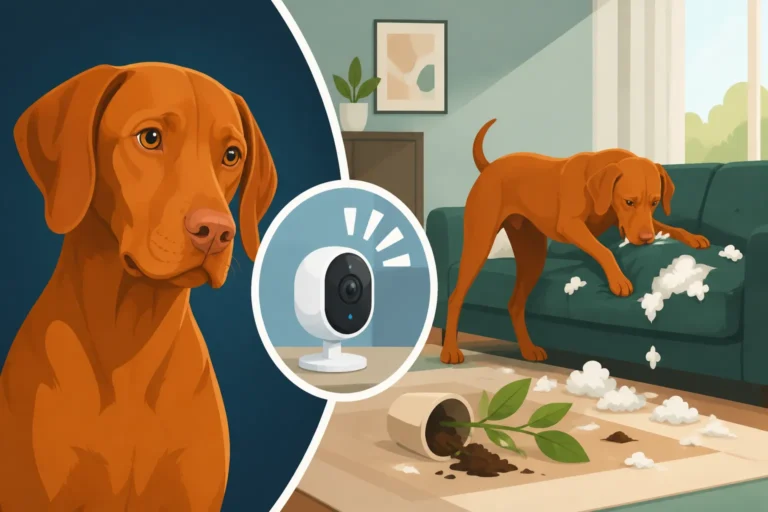
Vizslas are notorious for their strong attachment to their families, often leading to separation anxiety if they are left alone too much or not properly trained to cope with solitude. While the presence of children might seem like a solution, assuming a Vizsla won't experience separation anxiety because there are kids in the house is a misconception. Whether a Vizsla Cries When You Leave the Room is a common complaint. If the children are at school or engaged in their own activities, the Vizsla can still feel isolated and anxious, leading to destructive behaviors, excessive barking, or self-harm.
It's vital to train your Vizsla from puppyhood to be comfortable with alone time, even if you have children. This includes crate training, gradually increasing the duration of alone time, and ensuring they have engaging toys or puzzles to occupy them. If the Vizsla forms an intense bond with one child, their anxiety might be directed specifically when that child leaves. Encourage all family members to interact and train the Vizsla, distributing the bonding. If severe separation anxiety develops, especially if the Vizsla is What an Anxious Vizsla Destroys, professional help from a certified dog behaviorist may be needed to ensure both the Vizsla's well-being and the safety and peace of the household.
| Vizsla's Age | Child's Age | Recommended Interaction | What to Avoid |
|---|---|---|---|
| Puppy (2-6 months) | Infant (0-1 year) | Supervised, short sniff-and-pat. Keep dog on leash. | Unsupervised time. Letting puppy jump or nip baby. |
| Toddler (1-3 years) | Supervised petting on body. Fetch with soft toys. | Rough play, pulling ears/tail, chasing dog. | |
| Young Child (4-7 years) | Supervised fetch, gentle tug-of-war. Help with feeding. | Yelling, startling dog, forcing interaction. | |
| Adolescent (6-18 months) | Infant (0-1 year) | Same as puppy, but heightened supervision for boisterousness. | Allowing jumping, mouthiness around baby. |
| Toddler (1-3 years) | Structured fetch, scent games. Teach "gentle." | Letting dog herd or chase child. | |
| Young Child (4-7 years) | Supervised training, feeding, active play. | Uncontrolled games, roughhousing. | |
| Adult (1.5+ years) | Infant (0-1 year) | Calm, supervised presence. Reward settled behavior. | Assuming dog is always trustworthy; never unattended. |
| Toddler (1-3 years) | Gentle interactions, supervised feeding. | Any unsupervised access. | |
| Young Child (4-7 years) | Involved in care, training, structured play. | Allowing children to be primary supervisors. | |
| Older Child (8+ years) | Can participate in walks, training, advanced games. | Leaving dog and child alone in complex situations. |
Supporting the Vizsla as the Children Grow
The dynamic between a Vizsla and children is not static; it evolves as both the dog and the children grow and mature. Understanding these shifts and continuing to provide support is key to a lasting, positive relationship.
Evolving Roles as Children Mature
As children grow, their physical capabilities, understanding, and ability to follow instructions change dramatically. This means the Vizsla's role and the nature of interactions will also need to evolve. A toddler who once needed constant protection from an enthusiastic Vizsla might, as a pre-teen, become an active participant in the dog's exercise and training. This transition can be incredibly enriching for both. Older children can take on more responsibility, such as helping with daily walks, practicing obedience commands, or engaging in more structured games like agility or flyball.
However, even as children mature, adult supervision remains important, especially when it comes to understanding dog body language. While a 10-year-old might be perfectly capable of walking the Vizsla, an adult should still oversee interactions to ensure both dog and child are comfortable and safe. The dog's temperament might also change with age, becoming less tolerant of rambunctious play or needing more quiet time. Recognizing and adapting to these shifts will foster continued harmony.
Involving Kids in Vizsla Care
Involving children in the daily care of the Vizsla is a fantastic way to build their bond, teach responsibility, and deepen their understanding and empathy for animals. Age-appropriate tasks can include:
- Feeding: Older children can help measure and put food in the bowl, while younger children can help by carrying a lightweight treat pouch during training.
- Grooming: Even young children can help with gentle brushing using a soft brush, reinforcing positive touch. How Often a Vizsla Needs Brushing is something they can learn about early.
- Training: As mentioned, older children can learn to give commands and reward the Vizsla during training sessions, which empowers them and strengthens the dog's responsiveness to all family members.
- Exercise: Older children can accompany adults on walks or runs, or engage in active games of fetch.
When involving children in care, always emphasize safety and proper handling. Show them how to do tasks correctly and supervise closely. This not only benefits the Vizsla by providing consistent care and interaction from all family members, but it also instills valuable life lessons in children about empathy, responsibility, and respect for living beings.
Recognizing When Your Vizsla Needs Space
Even the most well-adjusted Vizsla in a family with children will occasionally need space and quiet time away from the hustle and bustle. It's crucial for adults to be vigilant in recognizing signs that their Vizsla is feeling overwhelmed, tired, or simply needs a break. These signs might be subtle: a soft yawn, lip-licking, turning their head away, moving to a different room, or retreating to their crate. These are not signs of aggression, but rather clear communications that the dog needs a moment of peace.
Teach children to recognize these signals too, and to respect the Vizsla's need for space. Enforce the rule that when the Vizsla is in its crate or on its designated bed, it is not to be disturbed. This "safe zone" is essential for the dog's mental well-being and helps prevent stress-related issues. Providing enrichment activities, like long-lasting chews or puzzle toys, during these quiet times can also help the Vizsla decompress. Prioritizing the Vizsla's need for personal space will ensure they remain a happy, well-balanced member of the family, even amidst the wonderful chaos of children.
Making the Decision: Is a Vizsla Right for Your Family?
Deciding to bring a Vizsla into a home with children is a significant commitment that requires careful consideration of your family's lifestyle, willingness to invest in training, and long-term support. It's not a decision to be taken lightly.
Assessing Your Family's Lifestyle
Before committing to a Vizsla, honestly assess your family's lifestyle. Do you lead an active life, with plenty of time for vigorous daily exercise? Remember, The Two Hours a Vizsla Needs Before It Will Settle is a baseline, not an aspiration. If your family is more sedentary, a Vizsla might not be the best fit, as their unmet energy needs can lead to destructive behaviors and frustration for everyone. Do you have the time and patience for consistent training and socialization? Vizslas are intelligent but need clear, consistent guidance.
Consider your living situation. Do you have a securely fenced yard where your Vizsla can run and play safely? While a yard isn't a substitute for walks, it's a huge asset. Are your children old enough to understand and follow rules about dog interactions, or are you prepared for constant supervision and hands-on teaching? The age and temperament of your children play a huge role in how easily a Vizsla will integrate. If you have very young, boisterous children, be prepared for an intense period of management and training.
Long-Term Commitment and Support
Bringing a Vizsla into your family means a commitment for their entire lifespan, which can be 12 to 14 years. This means supporting them through all stages of life, from energetic puppyhood to potentially slower senior years. This includes financial commitment for quality food, routine vet care, and potential health issues (Vizslas are prone to certain immune-mediated diseases, for example). It also means a commitment to ongoing training, socialization, and providing mental and physical stimulation throughout their lives.
A Vizsla will become a central part of your family, requiring integration into vacations, daily routines, and family decisions. It's vital that all family members, especially parents, are on board and committed to this journey. If your family struggles with consistency or has limited time and resources, a Vizsla might add more stress than joy. Understanding What a Vizsla Costs a Year to Keep or What Thirteen Years With a Vizsla Comes To is critical for a realistic long-term view.
Seeking Professional Guidance
Even if you feel confident, seeking professional guidance is always a wise step. Consult with reputable Vizsla breeders who can offer insights into the breed's temperament and help you find a puppy with a disposition suited for a family with children. Many breeders will conduct thorough interviews to ensure their puppies go to appropriate homes. They can answer questions like Whether a Vizsla Breeder Interviews Buyers and provide valuable resources.
Consider working with a certified professional dog trainer or behaviorist, especially one experienced with Vizslas and family integration. They can offer personalized advice, help with specific training challenges, and provide strategies for managing interactions between your Vizsla and children. This proactive approach can make all the difference in fostering a harmonious home. Remember, even the most knowledgeable owner can benefit from an outside perspective, particularly when the stakes involve the safety and happiness of both your beloved dog and your cherished children.
Disclaimer
This article is for general informational purposes only and does not constitute professional advice. Laws, prices and regulations vary by location and change over time. Consult a qualified professional for guidance on your specific situation.