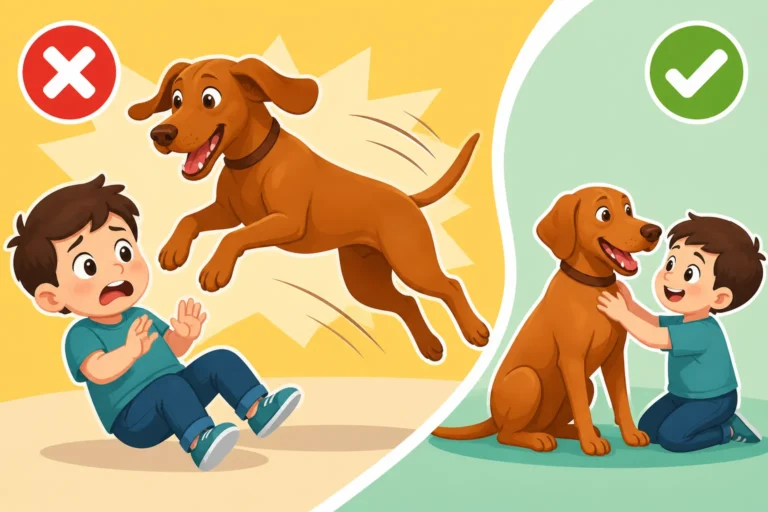
Why a Vizsla Cannot Be a Kennel Dog
Many Vizsla owners, especially those new to the breed, might find themselves considering an outdoor kennel or a detached dog run for their energetic companion, particularly when they need to be away from home for several hours. Perhaps the thought is to keep the house tidy, or maybe they believe a dedicated outdoor space is enough for a dog that loves to run. However, the truth is, a Vizsla is fundamentally ill-suited to life as a "kennel dog." This breed thrives on connection, comfort, and constant interaction, and attempting to house them in an isolated kennel environment can lead to profound emotional distress and a host of behavioral problems. This guide will delve into the unique characteristics of the Vizsla that make them truly unsuitable for kennel living and offer practical alternatives to ensure your Hungarian pointer remains a happy, well-adjusted member of your family.
The Vizsla's Deep-Seated Need for Connection: The "Velcro Dog" Phenomenon
If you’ve spent any time researching Vizslas, you’ve undoubtedly come across the term “Velcro dog.” It’s not just a cute nickname; it’s a fundamental description of their breed character and a key reason why they simply cannot thrive in isolation. Their entire genetic makeup and historical purpose are rooted in being close companions, working partners, and an integral part of the family unit. To deny them this close bond is to deny them their very nature.
What "Velcro Dog" Truly Means for a Vizsla
When we talk about a Vizsla being a "Velcro dog," we're not just saying they like to be near you; we're talking about a profound, almost constant need for physical proximity and interaction. This isn't a casual preference; it's a deep-seated instinct. Your Vizsla will likely follow you from room to room, even to the bathroom, just to be in the same space. They'll often lean against you, rest a head on your lap, or try to squeeze onto the sofa right next to you, no matter how much personal space you might prefer. If you move, they move. If you sit, they sit, usually right on top of your feet or with a paw draped over your leg. It’s an endearing trait for those who appreciate it, but it's vital to understand that this isn't just a quirk; it’s how they feel secure and connected. This need stems from their origins as hunting dogs who worked in close partnership with their human handlers, often sleeping indoors near their masters. They were not left alone in distant kennels; they were truly part of the household. This historical context illuminates why their modern descendants retain such a strong desire for human contact. You can read more about this in Why They Call It a Velcro Vizsla.
The Emotional Impact of Isolation on a Vizsla
For a breed so deeply wired for connection, isolation is not merely boring; it's a source of genuine emotional pain and distress. Picture a dog that lives for human interaction, whose sense of well-being is intrinsically tied to being part of your daily rhythm. Now imagine that dog being placed alone in a kennel, detached from the sights, sounds, and most importantly, the comforting presence of its family. For a Vizsla, this can feel like abandonment. Unlike some breeds that were historically developed to work independently or guard property from a distance, the Vizsla’s joy and security come from being with you. When that connection is severed for extended periods, even if they can see you through a window, their emotional state can rapidly deteriorate. They don't understand why they are alone, only that they are alone. This constant state of anxiety and longing can manifest in various ways, from persistent whining to a general sense of unease and even depression, all of which are detrimental to their overall health and happiness.
Understanding Separation Anxiety in the Vizsla Breed
Given their intense need for companionship, it's no surprise that Vizslas are highly prone to developing separation anxiety. This isn't just a matter of missing you; it's a genuine panic response that can be incredibly distressing for both the dog and the owner. Recognising the signs early and understanding why standard solutions like prolonged crating aren't effective is crucial for managing this common Vizsla challenge.
The Distinct Signs of a Vizsla Struggling with Being Alone
When a Vizsla is suffering from separation anxiety, their distress isn't subtle. It manifests in a variety of destructive and often heartbreaking behaviors, which are rarely "naughtiness" but rather desperate calls for attention and comfort. One of the most common signs is destructive chewing. This isn't a puppy exploring its world; it's an anxious dog attempting to self-soothe or find a way out of its confinement. Door frames, furniture, carpets, or even personal items like shoes can become targets. The damage can be extensive and costly, and it stems directly from their heightened anxiety.
Another tell-tale sign is excessive vocalization. This can be persistent whining, barking, or even howling that begins almost immediately after you leave and continues for extended periods. Neighbors often provide the first alert to this problem. House-soiling, even in a previously perfectly house-trained adult Vizsla, can also occur. This is not defiance; it's an involuntary physical response to severe stress and loss of control. Furthermore, some Vizslas may pace incessantly, drool excessively, or even try to escape their confinement, potentially injuring themselves in the process. These behaviors are not deliberate acts of disobedience; they are powerful, uncontrollable expressions of panic and extreme loneliness. It's their way of screaming for help, signaling that they are simply not coping with being left alone. You can delve into strategies for Teaching a Vizsla to Be Alone.
Why Crating Isn't a Solution for Separation Anxiety in Vizslas
Crate training can be an invaluable tool for house-training puppies, providing a safe den for short periods, and ensuring a dog's safety during travel. However, for a Vizsla suffering from genuine separation anxiety, a crate is rarely a long-term solution and can often make the problem worse. If a dog is panicking because it is alone, confining it further in a crate can heighten its feelings of entrapment and helplessness. Instead of feeling secure, they feel imprisoned. This can lead to frantic escape attempts, resulting in broken teeth, injured paws, or even severe lacerations as they try to chew or force their way out of the wire.
While a crate might prevent destructive chewing outside the crate, it doesn't address the underlying anxiety. The dog is still suffering, just in a more contained space. In some cases, a Vizsla might even learn to associate the crate with the intense fear of being left alone, making future crate use impossible. True solutions for separation anxiety involve gradual desensitization, counter-conditioning, and sometimes even professional behavioral intervention, which all focus on teaching the dog that being alone is not something to fear. Simply locking them away, even in what we intend as a safe space, fails to teach them coping mechanisms and instead reinforces their fear.
The Vizsla's High Energy and Mental Stimulation Requirements
Beyond their emotional needs, Vizslas are also incredibly physically and mentally demanding dogs. They were bred for endurance, speed, and intelligence in the field, and these traits don't just disappear because they live in a suburban home. A kennel, by its very nature, restricts the vast majority of these essential outlets, leading to a frustrated, unfulfilled, and ultimately unhappy dog.
The Daily Exercise Needs That Go Beyond a Simple Walk
To truly thrive, a Vizsla needs far more than a leisurely stroll around the block. They require vigorous, sustained exercise every single day – and often multiple times a day. We're talking about long runs, fast-paced games of fetch, swimming, hiking, or off-leash exploration in a safe, expansive area where they can truly stretch their legs and utilize their incredible speed and stamina. A minimum of The Two Hours a Vizsla Needs Before It Will Settle is not an exaggeration, but often a baseline. This is a breed that was engineered to work tirelessly in the field for hours on end, quartering ground, pointing game, and retrieving.
Confining such a powerhouse of energy to a kennel, even a spacious one, is akin to asking an Olympic marathon runner to spend their days in a broom closet. The pent-up energy will manifest in destructive behaviors, not because the dog is "bad," but because it's desperate to release that physical drive. They need to run, to sprint, to cover ground, and to hunt, even if it's just imaginary birds in your local park. A kennel simply cannot provide this crucial outlet. Without it, you're looking at a dog that will be restless, anxious, and prone to finding its own (often unwelcome) ways to burn off steam once it's allowed back into the house.
The Importance of Mental Engagement for a Vizsla's Well-being
It's not just about physical exertion; Vizslas are also incredibly intelligent and curious dogs that need significant mental stimulation. Their historical role as versatile hunters required them to think, problem-solve, and respond to complex commands in dynamic environments. They are not content to simply lie around all day, even after a good run. Their brains need to be engaged as much as their bodies.
If a Vizsla is left in a kennel for long periods with nothing to do, boredom quickly sets in. This boredom is a powerful driver of undesirable behaviors. They might start barking excessively, chewing on kennel bars, or even developing repetitive, compulsive behaviors like tail chasing. Engaging them mentally involves regular training sessions, working on new commands or tricks, playing scent games, using puzzle feeders, or providing interactive toys that challenge their minds. For example, some interactive toys available on Amazon can keep them busy for a while. Without this mental outlet, a Vizsla can become just as frustrated as an under-exercised one, leading to an irritable, destructive, and generally unhappy companion. A kennel environment fundamentally lacks the varied sensory input and problem-solving opportunities essential for a Vizsla's intelligent mind.
The Vizsla's Sensitive Nature and Training Approach
The Vizsla breed is known not only for its athleticism and intelligence but also for its remarkably sensitive temperament. This "softness" is both a blessing and a challenge, requiring a very specific approach to training and a home environment that fosters trust and confidence, rather than fear or isolation. A kennel environment, with its inherent lack of positive interaction, can be particularly damaging to this sensitive soul.
How Harsh Environments Affect a Vizsla's Temperament
Vizslas are often described as "soft" dogs, meaning they are highly sensitive to their owner's tone of voice, body language, and general emotional state. They thrive on praise and gentle guidance, shutting down quickly when faced with harsh corrections, yelling, or physical punishment. If you were to raise your voice significantly at a Vizsla, you might notice them visibly flinching, cowering, or retreating, sometimes even refusing to engage with you for a period. This isn't stubbornness; it's a deep-seated reaction to perceived disapproval or threat. For such a dog, being confined to an isolated kennel can feel like a profound punishment, regardless of the owner's intent.
The sterile, often cold, and solitary nature of a kennel provides none of the comforting human interaction and reassurance that a Vizsla craves. Instead, it can amplify their anxieties, making them feel abandoned and without recourse. This can lead to a breakdown in trust between dog and owner. A dog that experiences a kennel as a place of fear or loneliness may become withdrawn, anxious, or even fearful of its owners, making training and bonding significantly harder. Their sensitive nature demands a consistent, gentle, and inclusive environment, something that a kennel fundamentally cannot provide. More insight can be found in The Soft Vizsla That Shuts Down When You Raise Your Voice.
Why Positive Reinforcement is Crucial for a Vizsla
Given their sensitive disposition, positive reinforcement training is not just a preference for Vizslas; it is absolutely crucial for their success and well-being. This approach focuses on rewarding desired behaviors with treats, praise, or toys, thereby strengthening the bond between dog and owner and making learning an enjoyable experience. Vizslas respond incredibly well to this method because it fosters cooperation and builds confidence, rather than breaking their spirit. They are eager to please their beloved humans and will work tirelessly for a kind word and a tasty reward.
Conversely, training methods that rely on intimidation, force, or harsh corrections can be deeply damaging to a Vizsla. These tactics can make them fearful, distrustful, and anxious, leading to a dog that is reluctant to engage, or one that tries to avoid interaction altogether. A professional trainer using balanced, positive methods, such as those recommended by online programs like BAXTER & Bella, can help channel their intelligence and energy productively, teaching them skills like Building a Recall on a Vizsla That Ranges while maintaining their joyous spirit. A kennel, by contrast, offers no opportunity for this crucial positive reinforcement, for building that vital working relationship, or for shaping behavior through compassionate, interactive training. Without that consistent, positive interaction, a Vizsla’s training can flounder, and their personality can become suppressed or reactive.
The Physical Discomfort of a Kennel Environment for a Vizsla
When considering a kennel for any dog, physical comfort is paramount. For a Vizsla, with its distinctive coat and body type, the typical kennel environment presents specific challenges that can lead to significant discomfort, especially in varying weather conditions. Their physical characteristics demand an indoor, climate-controlled setting for their well-being.
Their Thin Coat and Lack of Undercoat
One of the most striking physical traits of a Vizsla is its beautiful, sleek, "golden rust" coat. It’s short, dense, and lies close to the body, giving them that elegant, refined appearance. However, what makes it beautiful also makes it less insulating than the coats of many other breeds. Crucially, Vizslas lack the thick, protective undercoat that insulates breeds like Labs, Golden Retrievers, or German Shorthaired Pointers against the cold. The Single Coat a Vizsla Has and Why It Changes Everything means they are simply not built for prolonged exposure to cold or damp weather.
Placing a Vizsla in an outdoor kennel, especially during colder months, can lead to genuine physical suffering. They shiver easily and can quickly become uncomfortably cold, making them susceptible to hypothermia in extreme temperatures. Even in mild weather, dampness can penetrate their thin coat quickly, making them chilled. This isn't just about discomfort; it can impact their immune system and overall health. Owners often invest in coats and jackets for their Vizslas for winter walks, highlighting just how much external protection they need. Expecting them to endure the elements in a kennel without the warmth of a home is unrealistic and unkind to a breed so physically vulnerable to the cold.
The Need for Soft, Warm Sleeping Arrangements
Beyond the ambient temperature, the actual sleeping surface in a kennel is another critical factor. Most kennels feature hard, elevated platforms or concrete floors, which are far from ideal for a Vizsla. Their lean, athletic build, with less body fat and padding than some other breeds, means hard surfaces can be uncomfortable, leading to pressure sores or joint pain over time. What a Vizsla truly needs is a soft, warm place to curl up. They are notorious for seeking out the softest spots in the house – the sofa, a plush dog bed, or, most commonly, your bed, often burrowing deep under the covers. Somewhere warm to sleep is not a luxury, but a core aspect of their comfort.
This burrowing instinct isn't just about finding a cozy spot; it’s a natural behavior for warmth and security. A hard, cold kennel floor denies them this essential comfort. Imagine having to sleep on a concrete slab every night; it's simply not conducive to restful sleep or overall well-being. The lack of a soft, warm bed can contribute to muscle stiffness, especially in active dogs, and just generally make them feel exposed and uncomfortable. Their preference for luxurious sleeping arrangements reflects their fundamental need for warmth and physical comfort, making the stark reality of a kennel a significant source of physical distress.
Practical Alternatives to Kenneling a Vizsla
Understanding that kenneling is not an option for a Vizsla means you need to explore practical, humane alternatives that cater to their unique needs for companionship, exercise, and comfort. Fortunately, there are many strategies you can employ to ensure your Vizsla remains happy and well-adjusted, even when you can't be by their side every moment of the day.
Integrating a Vizsla into Family Life and Home Management
The most effective "alternative" to kenneling a Vizsla is to fully integrate them into your family life. This means accepting their "Velcro" nature and planning your home and routine around their needs. If you have to leave them alone, even for a short time, consider creating a safe, comfortable, and dog-proofed area within your home. This could be a designated room, like a utility room or a large bathroom, or a safe part of the living area, fitted with durable baby gates. Ensure this space is free of anything they can chew or destroy, and provide plenty of appropriate chew toys and puzzle feeders to keep them occupied. High-value chew toys, available on Amazon, can be a lifesaver for keeping their minds and mouths busy.
For longer absences, consider having a trusted friend, family member, or professional pet sitter come to your home. This person can provide a mid-day potty break, a quick play session, or even a walk, breaking up the isolation. Another excellent option is doggy daycare. Many Vizslas thrive in these environments, getting to socialize with other dogs and burn off energy under supervision. However, it's essential to research daycares thoroughly to ensure they offer a safe, stimulating environment with knowledgeable staff who understand high-energy breeds. They also need mental stimulation, so consider using interactive toys or enrichment feeders from brands you trust.
Professional Support and Training Resources
Sometimes, despite your best efforts, a Vizsla might still struggle with being left alone. In these cases, professional support can be invaluable. A certified professional dog trainer or a veterinary behaviorist can assess your dog's specific needs and develop a tailored plan to address separation anxiety or other behavioral challenges. They can guide you through desensitization exercises, counter-conditioning techniques, and relaxation protocols. Online training platforms, like BAXTER & Bella, offer comprehensive courses and one-on-one support that can be particularly helpful for managing a Vizsla's unique temperament and needs, all from the comfort of your home. They can guide you on everything from basic obedience to complex behavioral issues, providing structure and support when you need it most.
For dogs with more severe anxiety, your veterinarian might recommend medication in conjunction with behavior modification. This isn't a "cure" but can help reduce anxiety to a level where training can be more effective. The key is to be proactive and seek help rather than letting the problem escalate. Investing in professional guidance not only helps your Vizsla but also preserves your sanity and strengthens the bond you share. Ultimately, a Vizsla is a highly adaptable and loving dog if their core needs for companionship and activity are met. Choosing to integrate them fully into your life, with the right support, will lead to a much happier outcome for everyone.
The Long-Term Consequences of Kenneling a Vizsla
While the immediate effects of kenneling a Vizsla might seem manageable in the short term, the cumulative impact of prolonged isolation and unmet needs can have severe and lasting negative consequences, affecting both their behavior and their health. Understanding these long-term risks highlights why this approach is ultimately detrimental to the breed.
Behavioral Issues and Their Escalation
When a Vizsla is routinely confined to a kennel, especially in isolation, the behavioral issues discussed earlier—destructive chewing, excessive vocalization, house-soiling, and attempts to escape—will not only persist but often escalate. What might start as mild whining can turn into frantic howling. A little chewing can become full-blown destruction, as the dog's desperation and frustration intensify. They are essentially screaming for help, and if that scream goes unheard or unaddressed, they become increasingly distressed. This chronic stress can lead to a state of learned helplessness or, conversely, to highly reactive behaviors when finally released from confinement, such as frantic over-excitement, jumping, or even aggression due to their pent-up energy and anxiety.
In extreme cases, Vizslas subjected to prolonged kenneling can develop self-mutilation behaviors, such as excessive licking or chewing of their paws, leading to raw sores and secondary infections. This is a clear sign of severe anxiety and an attempt to cope with unbearable stress. Unfortunately, these deeply ingrained behavioral problems are a common reason why Vizslas end up in shelters or breed-specific rescues, often around their second year, when owners realize they cannot manage the fallout of an unhappy, anxious dog. Why Vizslas Reach Rescue in Their Second Year speaks volumes about this tragic reality. Reversing these deep-seated anxieties and behavioral patterns takes immense patience, dedication, and often professional intervention, making it far more costly and emotionally draining than providing appropriate care from the start.
Impact on Health and Lifespan
Beyond the behavioral ramifications, chronic stress from isolation and lack of proper exercise can have a tangible negative impact on a Vizsla's physical health and potentially even their lifespan. Just like humans, dogs under constant stress experience a heightened cortisol response, which can suppress the immune system. For a breed already predisposed to certain immune-mediated conditions, this is particularly concerning. Why a Vizsla's Immune System Is the Breed's Weak Point is a well-known vulnerability, and chronic stress can exacerbate these tendencies, making them more susceptible to various illnesses and less resilient to recovery.
Furthermore, a lack of regular, appropriate exercise can lead to muscle atrophy, joint stiffness, and a general decline in their athletic conditioning, which is so central to their breed identity. While a kennel might provide some space, it cannot replicate the cardiovascular benefits, muscle development, and mental stimulation derived from long, vigorous runs and field work. Over time, this physical decline can manifest as early arthritis, obesity (if not carefully managed nutritionally), or a general lack of vitality. A Vizsla thrives on activity, and denying them this vital component of their existence shortens their healthy, active years. In essence, while a kennel might seem like a convenient solution, it imposes a heavy and often irreversible cost on a Vizsla's physical and mental well-being, diminishing the very qualities that make them such magnificent companions.
Here’s a quick overview of why a kennel just doesn’t fit the Vizsla mold:
| Vizsla Needs | Kennel Environment (Typical) | Family Home Environment (Appropriate) |
|---|---|---|
| Companionship | Isolated, solitary, limited human interaction | Integrated, constant human interaction, shared spaces |
| Physical Comfort & Warmth | Hard, cold surfaces; exposed to elements; no burrowing | Soft beds, blankets, shared furniture; climate-controlled |
| Exercise | Restricted space, inadequate for high energy | Access to varied outdoor activities (runs, hikes), indoor play |
| Mental Stimulation | Barren, boring; limited enrichment | Training, puzzle toys, scent games, varied sensory input |
| Emotional Security | Stressful, anxiety-inducing, sense of abandonment | Safe, comforting, consistent routine, positive reinforcement |
| Coat Protection | Minimal protection from cold/damp | Warm clothing, indoor shelter in adverse weather |
| Training Approach | No positive reinforcement, can be perceived as punishment | Positive reinforcement, gentle guidance, trust-building |
Disclaimer
This article is for general informational purposes only and does not constitute professional advice. Laws, prices and regulations vary by location and change over time. Consult a qualified professional for guidance on your specific situation.