What a Vizsla Chews Through as a Puppy
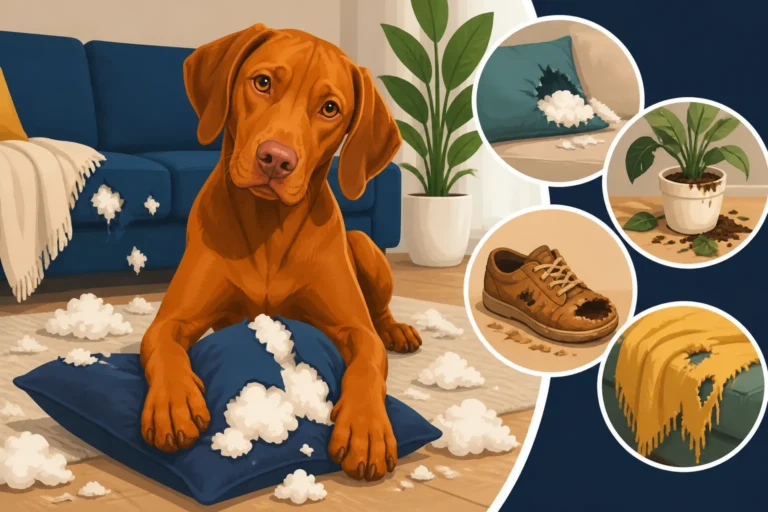
Bringing home a Vizsla puppy is an absolute joy, but it doesn't take long for new owners to discover the unparalleled chewing capabilities of these energetic pups. Many wake up to a surprise, often an unexpected hole in a favorite blanket, a missing corner from a coffee table, or a perfectly gnawed shoe. This guide will dive deep into why Vizsla puppies chew so ferociously, what common household items often fall victim to their powerful jaws, and most importantly, how to effectively manage and redirect this natural, yet often destructive, behavior.
Why Vizsla Puppies Chew So Much
It’s easy to feel frustrated when you find your prized possession in shreds, but understanding why your Vizsla puppy is chewing can help you approach the situation with more patience and a proactive mindset. This isn't usually about malice; it's about instinct, development, and energy.
Teething and Exploration
Just like human babies, Vizsla puppies go through a significant teething phase. From about three weeks old, their needle-sharp deciduous teeth emerge, and by around 12 to 16 weeks, those baby teeth start to fall out, making way for their stronger, permanent adult teeth. This process can be uncomfortable, even painful, for your puppy. Chewing helps alleviate the soreness and pressure in their gums. They’re basically giving themselves a gum massage!
Beyond teething, puppies explore their world with their mouths. Everything new is a texture, a taste, an object to be investigated. A Vizsla, being an incredibly curious and intelligent breed, will use its mouth to gather information about its environment. Is this soft? Is this hard? Does it make a noise when I bite it? Can I move it? This isn't just a physical need; it's a sensory one, a fundamental part of their learning process. Without appropriate outlets, this natural drive to explore through mouthing will inevitably be directed towards your furniture, clothing, or anything else within reach.
Energy Outlet and Boredom
Vizslas are renowned for their boundless energy. They were bred to be tireless hunters, covering vast distances and working for hours on end. This inherent drive doesn't just disappear because they're puppies living in a home. If a Vizsla puppy isn't given sufficient physical exercise and mental stimulation, that pent-up energy has to go somewhere. Chewing becomes a readily available and highly satisfying outlet. It’s a physical activity that engages their jaws, minds, and bodies. A bored Vizsla puppy is a destructive Vizsla puppy, plain and simple.
Imagine being stuck indoors with nothing to do, all your natural instincts telling you to run, explore, and do. Your Vizsla puppy feels exactly that. They might start with innocent nibbles, but soon those nibbles turn into full-blown destruction as they seek to entertain themselves and burn off excess steam. It’s not uncommon for a Vizsla to chew through a bed or a door frame out of sheer boredom or frustration. This is why daily, vigorous exercise is non-negotiable for this breed, even as puppies. Neglecting their need to run and play will almost certainly lead to a higher likelihood of destructive chewing around the house. Consider reading The Two Hours a Vizsla Needs Before It Will Settle for more on this.
Anxiety and Stress
Sometimes, chewing isn't just about teething or boredom; it can be a sign of underlying stress or anxiety. Vizslas are often called "Velcro dogs" for a reason – they bond incredibly deeply with their human families and thrive on companionship. When left alone for extended periods, especially without proper preparation and training, a Vizsla puppy can develop separation anxiety. This can manifest as destructive chewing, particularly around exit points like doors and windows, or on items that smell strongly of their absent owner.
The chewing can be a self-soothing mechanism, helping them to cope with the distress of being alone. It’s their way of trying to manage overwhelming emotions. Other stressors, such as changes in routine, a new environment, or even loud noises, can also trigger anxiety-related chewing. It's important to differentiate between normal puppy chewing and anxious chewing, as the latter requires a more tailored approach that addresses the root cause of the anxiety, not just the behavior itself. Learning about Teaching a Vizsla to Be Alone can be incredibly helpful here.
Common Targets of a Vizsla Puppy's Chewing Instincts
If you've brought a Vizsla puppy into your home, you've likely already experienced this firsthand: nothing is truly safe from their investigative mouths and strong jaws. They don't discriminate between a cheap toy and a priceless antique; to them, it's all just stuff waiting to be chewed.
Household Items
The sheer variety of household items a Vizsla puppy can chew through is astounding. Furniture often takes a hit – table legs, chair rungs, the corners of cabinets, and even the edges of kitchen islands can become tempting chew sticks. Sofas and armchairs are particularly vulnerable, not just to chewing but to digging and tearing, revealing the stuffing inside. Cushions, blankets, and towels become shredded confetti.
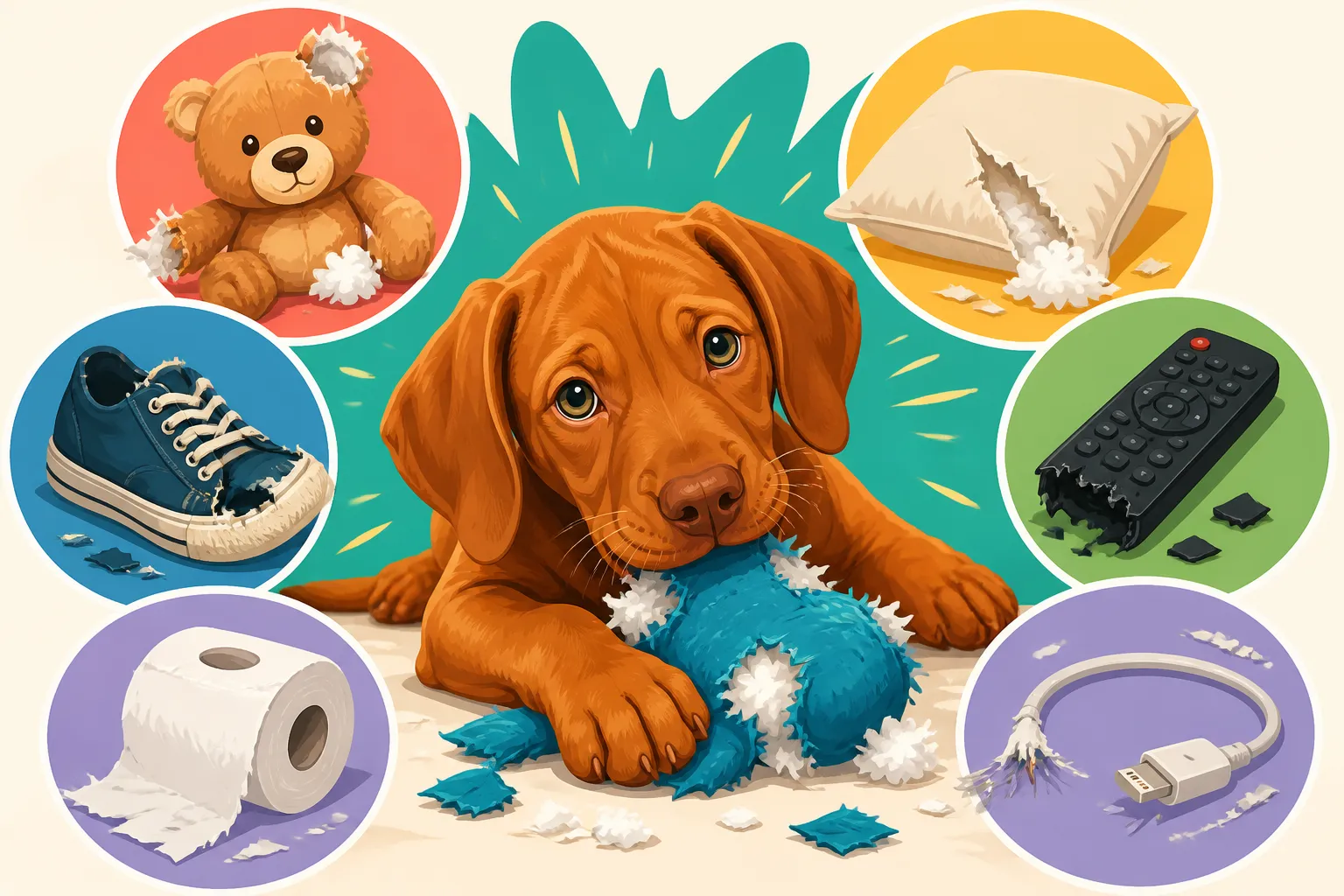
Then there are personal items. Shoes, especially those with interesting textures like leather or laces, are perennial favorites. Remote controls, eyeglasses, books, and even cell phones have fallen victim to a determined Vizsla puppy. Anything left at puppy-level is fair game. I once had a friend who found her Vizsla puppy had carefully removed all the buttons from her favorite coat, leaving them in a neat pile next to the chewed-up garment. It's not out of spite; it’s simply because these items are accessible, smell interesting, and provide satisfying resistance to their developing jaws. You'll quickly learn that a clean floor and clear surfaces are key to surviving the puppy phase.
Valuables and Sentimental Items
This is where the real heartbreak often occurs. It's one thing to replace a cheap plastic basket, but another entirely when a Vizsla puppy decides that your grandmother's heirloom quilt or a cherished photograph album makes an excellent chew toy. Wedding albums, expensive electronics, passports, and even legal documents have been reported as casualties of puppy chewing. These items often have a unique texture, a familiar scent, or simply happen to be in the wrong place at the wrong time.
The key here is prevention. If it's valuable, sentimental, or irreplaceable, it absolutely must be out of reach. Think of your home from your puppy's perspective – if they can get to it, they will investigate it with their mouth. This means storing items on high shelves, in closed cabinets, or behind locked doors. Don't underestimate a Vizsla's ability to jump, stretch, and nose things off counters. Their intelligence and determination mean they can often get to things you'd think were safely put away. For more on what these active dogs are capable of, check out What a Vizsla Chews Through as a Puppy.
Dangerous Items
Beyond the frustration and expense of replacing chewed items, there's a serious safety concern. Vizsla puppies, like all puppies, don't know what's safe to chew and what isn't. Electrical cords are incredibly tempting to chew, especially when they vibrate or feel like tough vines. A puppy chewing on a live cord can suffer severe burns, electric shock, or even death. Similarly, household cleaning products, medications, and toxic plants (many common houseplants are poisonous to dogs) can be ingested with devastating consequences.
Small objects, such as coins, buttons, hair ties, children's toys, or pieces of plastic, can pose a choking hazard or cause internal blockages requiring emergency veterinary intervention. The thin skin of a Vizsla also means they can easily cut themselves on sharp objects. It's a terrifying scenario many owners have faced, leading to costly emergency vet visits. This makes puppy-proofing your home an absolutely critical first step in bringing a Vizsla puppy home. Always assume the worst-case scenario when it comes to what your puppy might try to put in their mouth.
Strategies to Redirect and Manage Chewing
Managing a Vizsla puppy's chewing habits requires a multi-pronged approach that combines prevention, positive reinforcement, and consistent training. It's not about stopping them from chewing entirely, but about teaching them what to chew.
Providing Appropriate Chew Toys
The cornerstone of managing puppy chewing is providing an abundance of appropriate, safe, and engaging chew toys. These aren't just distractions; they are vital tools for satisfying their natural urges. Look for toys specifically designed for strong chewers, made from durable materials like natural rubber, nylon, or hard plastics. Vary the textures and shapes to keep things interesting. Some toys can be stuffed with treats or peanut butter, making them extra enticing and keeping your puppy occupied for longer periods. Brands like Kong and Nylabone offer a great variety that stands up to a Vizsla's powerful jaws. You can find a wide selection of these on Chewy, making it easy to replenish your supply.
Rotate toys regularly so they don't get bored. If your puppy has access to the same three toys every day, they'll quickly lose interest. Put some away and bring out "new" ones every few days. This keeps the novelty alive. Critically, supervise your puppy with new toys to ensure they are safe and that no small pieces are breaking off that could be swallowed. Always choose toys that are appropriately sized – too small, and they can be a choking hazard; too large, and they might not be able to get a good grip.
| Chew Toy Type | Pros | Cons | Best For |
|---|---|---|---|
| Rubber Puzzle Toys | Durable, can be stuffed with treats | Can be messy, some designs are hard to clean | Mental stimulation, long-lasting chewing |
| Hard Nylon Bones | Extremely durable, satisfying texture | Not digestible, can splinter if damaged | Aggressive chewers, dental health |
| Natural Chews (e.g., bully sticks) | Edible, highly appealing, digestible (mostly) | Can be consumed quickly, sometimes pricey | High-value treat, short-term distraction |
| Rope Toys | Good for tugging, helps clean teeth | Can unravel, ingested strings can cause issues | Interactive play, gentle chewers |
| Dense Rubber Balls | Very durable, good for fetching | Not primarily a chew toy, some still get destroyed | High-energy play, mild chewing |
Management and Puppy-Proofing
Before your Vizsla puppy even sets a paw in your home, it needs to be thoroughly puppy-proofed. This means getting down on your hands and knees and looking at your home from a puppy’s perspective. Remove or secure anything valuable, fragile, or dangerous. Elevate electrical cords, use cord protectors, and cover outlets. Store cleaning supplies, medications, and chemicals in high, locked cabinets. Ensure all trash cans have secure lids that a clever Vizsla can’t pry open.
When you can't actively supervise your puppy, confine them to a puppy-proofed area. This might be a secure playpen, a gated kitchen, or a large crate. The crate, when properly introduced and used as a safe den, can be an invaluable tool for preventing destructive chewing while you're away or busy. Just make sure it's not used as punishment. Teaching a Vizsla puppy to view their crate as a comfortable, safe space will save you a lot of headaches and potential property damage. Remember, a Vizsla left to roam unsupervised will inevitably find something interesting (and inappropriate) to chew.
Training and Supervision
Consistent supervision is paramount during the puppy phase. "An ounce of prevention is worth a pound of cure" perfectly applies here. Whenever your Vizsla puppy is out of their crate or confined area, keep an eye on them. If you catch them chewing on something inappropriate, calmly interrupt the behavior. A sharp "ah-ah!" or a clap of your hands is often enough. Then, immediately redirect them to an appropriate chew toy. As soon as they take the toy, praise them lavishly and offer a treat. This teaches them: "No, don't chew that; yes, chew this."
Never punish your puppy harshly for chewing. A soft breed like a Vizsla can easily become fearful or shut down with harsh corrections, potentially leading to more anxiety-driven behaviors, including increased destructive chewing. Positive reinforcement is always the most effective strategy. Be patient and consistent. It takes time for puppies to learn the rules of their new home. Think about what motivates your Vizsla; for many, it’s praise, a favorite toy, or a tasty treat, perhaps even some delicious food from Ollie.
Exercise and Mental Stimulation
As we touched on earlier, a tired Vizsla is a good Vizsla. These dogs need a lot of exercise, even as puppies. Daily walks are a start, but a Vizsla puppy truly benefits from off-leash play in a secure area, games of fetch, or even short training sessions that engage their minds. A Vizsla that has had a good run and some mental challenges is far less likely to resort to chewing out of boredom or excess energy. The Two Hours a Vizsla Needs Before It Will Settle is not just a suggestion, it's a requirement for a well-adjusted dog.
Mental stimulation is just as important as physical exercise. Engage their keen intelligence with puzzle toys, scent games, or short, fun training sessions where they learn new commands. Even five to ten minutes of focused training can be surprisingly tiring for a puppy. A puppy who is mentally and physically satisfied will be more inclined to nap peacefully than to systematically dismantle your baseboards.
When Chewing Becomes a Bigger Problem
While some chewing is normal for a Vizsla puppy, there are times when it crosses the line from typical puppy antics to a behavioral issue that might need a more focused intervention.
Signs of Excessive or Anxious Chewing
How do you know if your Vizsla’s chewing is more than just puppy teething? Look for patterns. Is the chewing happening predominantly when you leave the house or when your puppy is confined alone? Are they chewing at exit points, like doors or windowsills? Is the chewing accompanied by other signs of distress, such as whining, barking, pacing, or house-soiling when previously trained? Are they constantly trying to chew on you or your clothing?
Excessive self-licking or chewing at their own paws or tail can also be a sign of anxiety. If the chewing seems obsessive, uncontrollable, or if your puppy isn't easily redirected to appropriate toys even with high-value treats, it could indicate a deeper issue. These are all red flags that the chewing isn't just a phase but a symptom of underlying anxiety or a lack of appropriate outlets. A Vizsla’s sensitive nature means they can be particularly prone to separation anxiety if not properly socialized and trained for alone time. Read Whether a Vizsla Panics When You Shut a Door for more insight.
Seeking Professional Help
If you suspect your Vizsla puppy's chewing is rooted in anxiety, or if you're simply struggling to manage the behavior despite your best efforts, don't hesitate to seek professional help. Your veterinarian is always the first point of contact to rule out any medical issues, such as dental pain or gastrointestinal problems, that might be contributing to the chewing. They can also offer advice on safe chew items and management strategies.
For behavioral issues, a certified professional dog trainer or a veterinary behaviorist can be invaluable. They can assess your puppy's specific situation, identify the root cause of the chewing, and develop a tailored behavior modification plan. They can teach you techniques to build your puppy's confidence, reduce anxiety, and effectively redirect their chewing instincts. Early intervention is key, as these behaviors can become more entrenched and harder to change as your Vizsla grows older.
Considering Pet Insurance for Accidents
Let's be realistic: Vizslas are accident-prone, especially during their rambunctious puppy and adolescent phases. Whether it’s ingesting a foreign object, getting injured from running full tilt, or having an allergic reaction, vet bills can quickly add up. Destructive chewing can lead to emergency situations, from ingesting toxic substances to internal obstructions requiring surgery. While pet insurance doesn't prevent chewing, it can certainly help ease the financial burden if a chewing-related accident leads to an unexpected vet visit.
Considering a policy from providers like Healthy Paws early on, while your Vizsla is young and healthy, can offer peace of mind. It ensures that if your intrepid chewer decides that your favorite throw rug looks like a delicious meal, you won't have to make tough financial decisions during a stressful emergency. It's an investment in your puppy's safety and your financial well-being, acknowledging that accidents, especially with an active, curious Vizsla, are sometimes inevitable.
Disclaimer
This article is for general informational purposes only and does not constitute professional advice. Laws, prices and regulations vary by location and change over time. Consult a qualified professional for guidance on your specific situation.