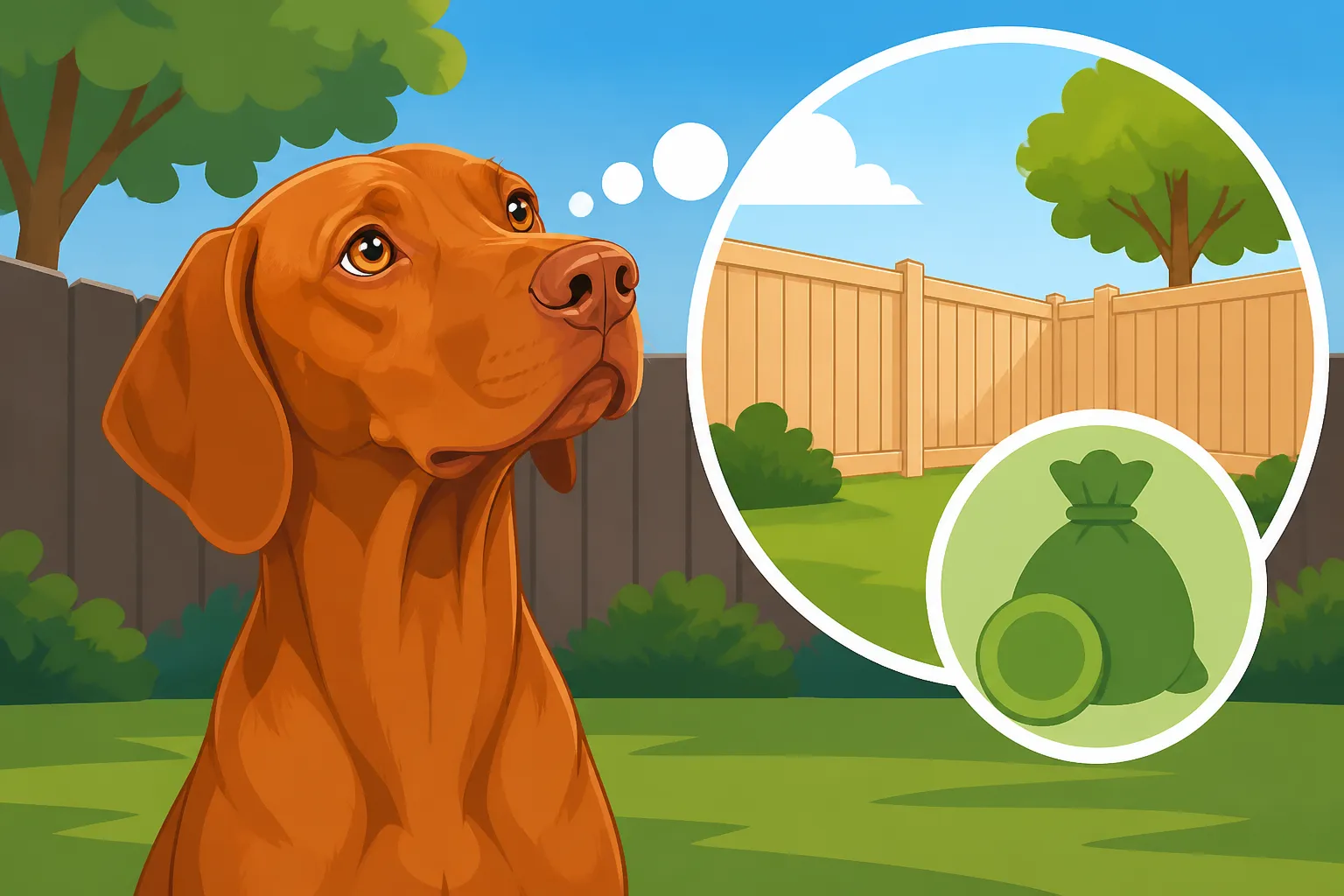
What Fencing a Yard for a Vizsla Costs
One of the biggest anxieties for any Vizsla owner is how to safely contain their energetic, curious, and often intensely driven companion. These dogs are athletes and adventurers at heart, and a simple picket fence often isn't enough to keep them from exploring the wider world. This guide will walk you through the various fencing options available, the true costs involved, and how to create a secure outdoor space that gives you peace of mind and allows your Vizsla to thrive.
Understanding Your Vizsla's Unique Fencing Needs
Before you even think about materials or prices, it’s crucial to understand why a Vizsla's containment needs are different from many other breeds. These aren't just pretty dogs; they are finely tuned hunting machines, bred for endurance, speed, and intelligence. Ignoring these core traits when planning your fence can lead to costly mistakes and, worse, a lost or injured dog.
The Vizsla's Drive to Explore
Vizslas are bird dogs through and through, and that means they have an innate drive to scent, chase, and range. Their noses are incredible tools, and if there’s a squirrel, rabbit, or, heaven forbid, a deer on the other side of your property line, your Vizsla's instincts will kick into high gear. This isn't naughtiness; it's hardwired behavior. They can cover an astonishing amount of ground quickly, and a small gap or a flimsy barrier is often just a minor inconvenience to a dog intent on pursuing a scent.
This strong prey drive, combined with their boundless energy, means that even in a securely fenced yard, they still need significant daily exercise and mental stimulation. Remember, a tired Vizsla is a good Vizsla! They require The Two Hours a Vizsla Needs Before It Will Settle and The Exercise a Vizsla Needs Every Day to truly be content. Without it, that energy can be redirected into finding ways out of the yard, simply because they're under-stimulated or bored.
Digging and Jumping Tendencies
Don't let their elegant appearance fool you; Vizslas are surprisingly adept at both digging and jumping when motivated. A short fence might as well be an open invitation for a leap, especially if there's something interesting on the other side. They are agile and powerful, and a six-foot fence is often considered the minimum height for many determined Vizslas, rather than a luxury. Some especially athletic individuals can clear even that if the fence design allows for good footing or has horizontal elements they can use as a ladder.
Similarly, if they can't go over, they might try to go under. While perhaps not as notorious as some terrier breeds for digging, a bored or anxious Vizsla, or one following an intriguing scent, can certainly become an excavation expert. They might not dig huge craters, but a persistent effort along a fence line can create enough space for them to squeeze through. This is why securing the bottom of your fence is just as vital as its height. Consider how a Vizsla might act if it exhibits What an Anxious Vizsla Destroys, as this destructive energy could easily turn to your fence line.
Social Nature and Visibility
Vizslas are renowned for being "Velcro dogs" – they love to be with their people. This means they generally don't do well as outdoor-only dogs; Whether a Vizsla Should Live Outside is a resounding no for their well-being. However, even in a loving home, a Vizsla in a yard will still be acutely aware of its surroundings. They are naturally curious and alert, and seeing other dogs, people, or wildlife just beyond their reach can be a huge motivator for escape attempts.
A fence that allows them to see everything can sometimes increase their frustration, leading to barking, pacing, or attempts to get closer. On the other hand, a completely solid fence might remove the visual stimulation but could also lead to boredom or a false sense of security where you don't realize they're planning an escape until it's too late. It’s a delicate balance. The type of visibility your fence offers can impact their behavior, so it's a consideration worth mulling over.
Types of Fencing and Their Cost Implications
When it comes to containing your Vizsla, you have several options, each with its own pros, cons, and, of course, price tag. Understanding these differences will help you make an informed decision that suits both your budget and your dog's needs.
Traditional Physical Fences
These are the most common and generally the most reliable for containing an active breed like a Vizsla, as they create a physical barrier. The cost varies significantly based on material, height, and installation complexity.
Wood Fencing
Wood fences offer a classic look, can provide significant privacy, and can be quite sturdy. They come in various styles, from solid privacy panels to more open picket designs. For a Vizsla, solid panels or tightly spaced pickets are preferable to prevent them from squeezing through or getting their head stuck. The main downsides are maintenance – wood needs staining, painting, or sealing periodically – and the potential for a determined chewer. A young Vizsla puppy might see wooden posts as an invitation for a chew session, especially if you haven't managed What a Vizsla Chews Through as a Puppy.
- Pros: Aesthetic appeal, privacy, can be stained to match your home, relatively easy to repair individual sections.
- Cons: Requires ongoing maintenance (sealing/painting), can be chewed through, susceptible to rot and insect damage over time. Gaps can form with warping or age.
- Cost Shape: Mid-range. Initial cost is moderate but increases with taller heights and premium wood types like cedar. Installation labor can add a significant amount.
Vinyl Fencing
Vinyl fences are a popular choice for homeowners seeking a low-maintenance option. They mimic the look of wood but without the need for painting or staining, and they don't rot or attract pests. Vinyl is generally durable and comes in various heights and styles, including solid privacy panels. While a Vizsla isn't likely to chew through vinyl, some determined jumpers might find purchase on horizontal rails if the design allows.
- Pros: Very low maintenance, durable, won't rot or splinter, variety of styles and colors.
- Cons: Higher upfront cost than wood or chain link, can crack in extreme cold or if impacted forcefully, less easy to repair individual sections than wood.
- Cost Shape: Higher range. The initial investment is often more substantial than wood, but the long-term maintenance savings can make it appealing.
Chain Link Fencing
Chain link is often the most budget-friendly physical fence option and provides excellent security. It's strong, durable, and can be installed at considerable heights. For a Vizsla, you'll want to ensure it's at least six feet tall, and even then, some agile dogs might attempt to climb it. You can deter climbers with additional measures like angled top sections or by making sure there are no easily accessible footholds. The open design means your Vizsla can see everything, which, as discussed, can be a pro or a con.
- Pros: Most affordable physical fence, very strong and durable, good visibility (if desired), easy to install for DIYers with proper tools.
- Cons: Aesthetics can be a deterrent for some, can be climbed by agile dogs, offers no privacy. Requires vigilance for bottom gaps if a Vizsla attempts to dig.
- Cost Shape: Lower range. Generally the least expensive of the physical fence options, making it attractive for larger areas.
Wrought Iron or Aluminum Fencing
These fences offer a sophisticated, open aesthetic and are incredibly durable. They are excellent for security and will last a lifetime with minimal maintenance. The open design allows full visibility and won't block views. For a Vizsla, the key is the spacing between the vertical pickets – it needs to be narrow enough that they can't squeeze through, and the height must be substantial to prevent jumping. Climbing is less of an issue due to the smooth, vertical design, but gaps at the bottom must be addressed for any potential digging.
- Pros: Highly durable, beautiful aesthetic, very long-lasting, low maintenance, secure.
- Cons: Highest upfront cost, offers no privacy, can have wide picket spacing if not custom-ordered for dog containment.
- Cost Shape: Highest range. This is often the most expensive option due to material and specialized installation.
Invisible Fencing Systems
Invisible or "wireless" fences create an electronic boundary rather than a physical one. Your Vizsla wears a special collar that receives a signal from a buried wire or a central unit, delivering a warning tone or mild static correction if they approach the boundary.
- Pros: Aesthetically invisible, much lower initial cost for very large or irregularly shaped properties compared to physical fencing, very flexible for layout.
- Cons: Not a physical barrier (meaning other animals or people can enter, and your dog could push through if highly motivated), requires diligent training, not suitable for all Vizslas (some are too sensitive, others too stubborn), collar must always be worn and charged. Potential for injury if they run through and then are afraid to come back into the yard.
- Cost Shape: Variable, but generally much lower than physical fences for expansive areas. Costs include the system, collars, and potential professional training.
For a breed like the Vizsla with a strong prey drive, an invisible fence alone is often not enough. They can be so focused on a chase that they'll blow through the correction, and once outside the boundary, they might be reluctant to re-enter due to the fear of another correction. While it can be a valuable supplement to a physical fence, relying solely on an invisible fence for a Vizsla is a decision that requires careful consideration of your individual dog's temperament and training.
Combining Solutions for Ultimate Security
For many Vizsla owners, especially those with particularly escape-prone or high-drive dogs, a multi-layered approach offers the best peace of mind. This could involve:
- Physical fence + landscaping: Strategic planting of dense, thorny bushes along the inside perimeter of a chain-link fence can discourage climbing and digging.
- Physical fence + invisible boundary: Installing an invisible fence just inside a physical fence provides an extra layer of deterrence. If your Vizsla manages to get over or under the physical fence, the invisible system acts as a secondary warning. This also helps with gate security; if a gate is accidentally left open, the invisible fence can still provide a barrier. This kind of redundancy is often seen by owners as a wise investment, particularly when considering the potential for a vet bill if their active dog is injured during an escape. Some owners might even consider whether their pet insurance, like Healthy Paws, would cover incidents related to an escape, making the preventative investment in a secure fence even more valuable.
Factors That Influence the Overall Fencing Cost
Beyond the basic material, several other elements significantly impact the final cost of fencing your yard for a Vizsla. It's not just about linear feet; it's about the entire project.
Material Choices and Their Durability
The choice of material isn't just about aesthetics or initial price; it's about long-term durability and how well it stands up to a Vizsla's particular brand of enthusiasm. A cheaper fence that needs constant repairs or replacement because your Vizsla keeps breaching it isn't truly saving you money.
Consider the gauge of chain link, for instance. A heavier gauge will resist bending and stretching better than a lighter one. For wood, the type of wood matters – pressure-treated lumber will resist rot better, but cedar or redwood offer natural resistance and a more premium look. Vinyl products also vary in quality; thicker panels and stronger posts will withstand more impact and last longer. Investing in higher-quality materials upfront often means less maintenance and fewer headaches down the line, ultimately offering better value for money. If you're comparing options on a platform like Chewy for smaller fence components or repair kits, you'll quickly see that higher quality often comes with a higher price tag.
Yard Size and Terrain Challenges
The size and shape of your yard are primary cost drivers. Naturally, a larger perimeter means more materials and more labor. But it's not just the length.
- Uneven Terrain: A sloped, rocky, or heavily treed yard will dramatically increase installation costs. Digging post holes in rocky soil is far more labor-intensive than in soft earth. Fences on slopes often require stepped panels or custom cuts to ensure there are no gaps underneath, adding to complexity and material waste.
- Obstacles: Large boulders, existing structures, or mature trees along the fence line might require custom solutions or additional labor to work around.
- Access: If your yard is difficult to access for equipment or material delivery, this can also add to the labor cost.
A flat, rectangular yard will always be the most cost-effective to fence. The more challenging your topography, the more you should budget for the project.
Professional Installation Versus DIY
This is a classic dilemma for any home improvement project, and fencing is no different.
- Professional Installation: Hiring a professional fence company ensures the job is done correctly, often comes with a warranty on labor and materials, and saves you the immense time and physical effort. They have the right tools, expertise, and often better access to materials at wholesale prices. They'll also be aware of local regulations and permitting requirements. For a secure Vizsla fence, professional installation can be invaluable, especially for ensuring proper post depth, gate alignment, and crucial anti-digging measures.
- DIY Installation: Doing it yourself can save significantly on labor costs, which can be a substantial portion of the total project. However, it requires time, physical strength, the right tools (post-hole diggers, levels, saws, etc.), and a good understanding of proper installation techniques. Mistakes can be costly, leading to a fence that isn't secure, sags, or needs to be redone. For something as critical as containing a Vizsla, "good enough" often isn't good enough. If you’re not confident in your carpentry or construction skills, a professional is often the safer bet.
Permitting, Maintenance, and Hidden Costs
It's easy to focus solely on the material and labor, but there are other costs that can sneak up on you:
- Permits: Many municipalities require permits for fence installation, especially for certain heights or materials. Ignoring this can lead to fines or the requirement to remove and rebuild. Always check with your local planning department before starting.
- Gates: Gates are often an overlooked cost, but they are crucial. You'll need at least one, possibly more, and a well-built, secure gate with high-quality hardware is essential for a Vizsla. Double-latch systems or locking mechanisms are highly recommended. Gates can be surprisingly expensive, especially if they are custom-built or extra wide.
- Anti-Digging Measures: If your Vizsla is a potential digger, you'll need to factor in additional costs for burying wire mesh (like hardware cloth) along the bottom of the fence, pouring a concrete footer, or installing a "L-footer" made of fence material angled inwards.
- Maintenance: Even low-maintenance fences have some needs. Wood requires periodic sealing, and all fences might need occasional repairs due to weather, wear, or a rambunctious Vizsla. Factoring in things like weed control along the fence line or replacement hardware is wise.
- Landscaping Restoration: After installation, your yard might need some touch-ups. Reseeding grass, replanting shrubs, or repairing sprinkler lines damaged during construction are all potential hidden costs.
Budgeting and Making Smart Fencing Decisions
Investing in a fence for your Vizsla is more than just a home improvement project; it's an investment in their safety, your sanity, and potentially the value of your property. Approaching it strategically will help you make the best choices.
Prioritizing Your Vizsla's Safety and Your Peace of Mind
For a Vizsla owner, a secure yard isn't a luxury; it's a necessity. These dogs thrive on exercise and outdoor time, and a well-fenced space allows them to burn off energy safely. Without it, you're constantly on edge, worrying about escapes. The cost of a good fence can feel substantial, but consider the alternative: the emotional toll of a lost dog, the frantic search efforts, or the heartbreaking vet bills from an accident or injury if they get out. The Thin Skin a Vizsla Takes Into the Field makes them susceptible to cuts and scrapes, and urban environments present far greater dangers.
A high-quality, secure fence is a long-term investment that minimizes these risks. It means your Vizsla can enjoy their outdoor time, and you can enjoy yours, knowing they are safe. This peace of mind is truly priceless. Thinking proactively about your Vizsla's health and safety also extends to having good pet insurance. While Healthy Paws wouldn't cover the cost of your fence, it would certainly alleviate the financial burden if your escape artist found trouble.
Seeking Multiple Quotes and Understanding Contracts
Once you have a good idea of the type of fence you want, don't jump at the first offer. Contact at least three reputable fence contractors in your area. Ask for detailed, written quotes that break down the costs of materials, labor, gate hardware, and any additional features like anti-digging measures.
When reviewing quotes, ensure they include:
- Material Specifications: Exact type of wood, gauge of chain link, vinyl thickness, etc.
- Fence Height: Crucial for a Vizsla.
- Gate Details: Number, width, type of hardware.
- Installation Method: Post depth, concrete use, anti-digging measures.
- Warranty Information: On materials and labor.
- Timeline: Estimated start and completion dates.
- Permit Responsibility: Who handles obtaining the necessary permits.
Don't be afraid to ask questions. A good contractor will be happy to explain everything. Be wary of quotes that seem significantly lower than others; they might be cutting corners on materials or labor. It's also a good idea to check references and look at examples of their previous work.
Long-Term Value and Resale Considerations
While the primary motivation for fencing for your Vizsla is their safety and your peace of mind, it’s also important to remember that a well-installed, attractive fence adds significant value to your home. When it comes time to sell, a secure and aesthetically pleasing yard is a huge selling point, especially for families with pets or children.
A high-quality fence is not just an expense but an asset. It enhances curb appeal, provides security, and offers privacy. Thinking about the investment in this way can help justify the upfront cost, knowing you're not just buying a barrier, but improving your property and creating a safe haven for your beloved Vizsla. A happy, well-exercised Vizsla, fueled by a high-quality diet like Ollie, can fully enjoy a secure yard, making your home a truly wonderful place for both of you.
| Fencing Type | Vizsla Suitability | Typical Height for Vizsla | Pros | Cons | General Cost Shape |
|---|---|---|---|---|---|
| Wood Privacy | Good | 6-8 feet | Aesthetics, privacy, solid barrier | Maintenance, chewing risk, can rot/warp | Mid to High |
| Vinyl Privacy | Excellent | 6-8 feet | Low maintenance, durable, secure | High initial cost, can crack, limited repair options | High |
| Chain Link | Good (tall) | 6-8 feet | Affordable, very strong, good visibility | Aesthetics, climbable, no privacy | Low to Mid |
| Wrought Iron/Aluminum | Excellent | 6-8 feet | Aesthetic, durable, secure, low maintenance | Very high initial cost, no privacy, wide picket gaps possible | Very High |
| Invisible (Electronic) | Supplemental only | N/A | Invisible, flexible layout, good for very large areas | No physical barrier, requires training, can be run through | Low (system only) |
Ultimately, choosing the right fence for your Vizsla is a significant decision that impacts daily life. By understanding your dog's specific needs, researching your options thoroughly, and planning your budget carefully, you can create a safe, stimulating, and beautiful outdoor space for your cherished companion. Other considerations include a GPS collar in case of an unforeseen escape, and the various factors contributing to What a Vizsla Costs a Year to Keep.
Disclaimer
This article is for general informational purposes only and does not constitute professional advice. Laws, prices and regulations vary by location and change over time. Consult a qualified professional for guidance on your specific situation.