Whether a Vizsla Gets Colitis
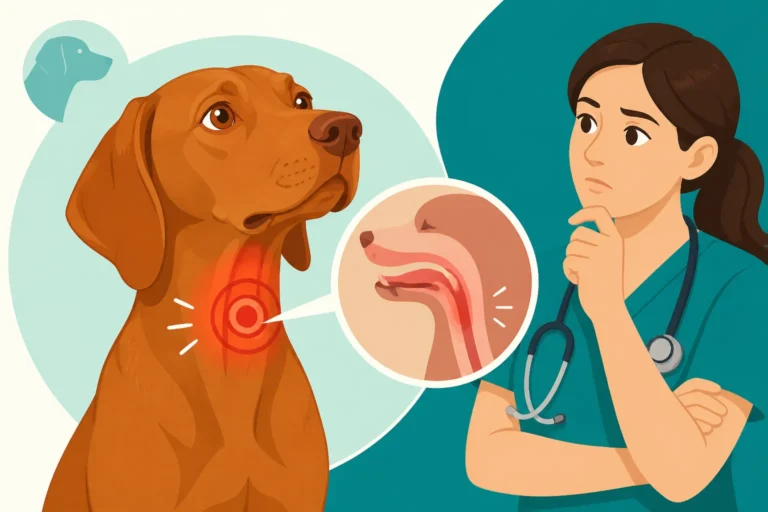
It's incredibly distressing when your usually vibrant Vizsla starts having digestive troubles, especially when those urgent bathroom trips become more frequent and messy. You see the discomfort, the straining, and the worry sets in – could it be colitis? This guide will delve into understanding colitis in Vizslas, helping you recognize the signs, explore potential causes, and navigate treatment options to get your beloved companion back to their energetic, happy self.
Understanding Colitis in Our Canine Companions
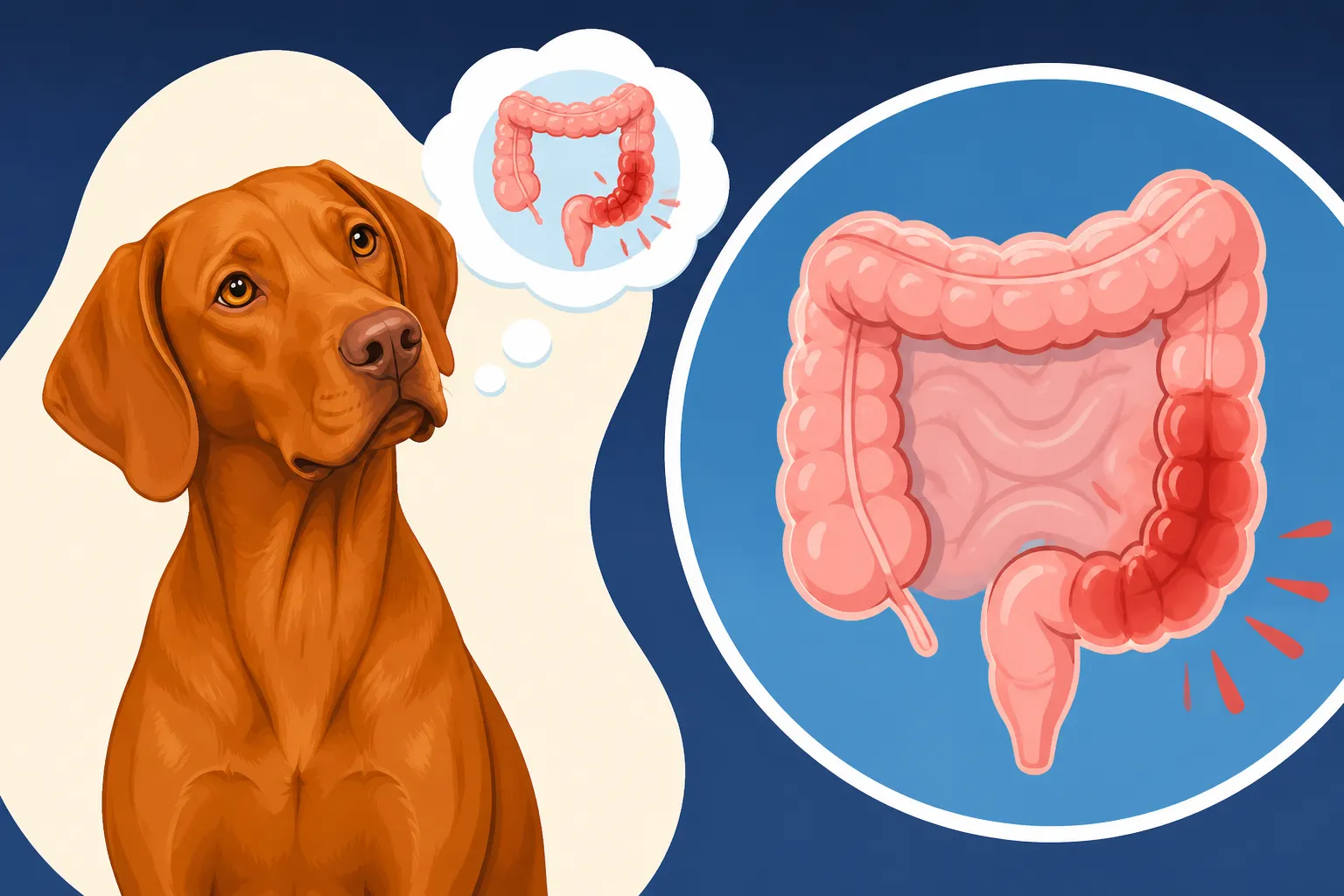
When we talk about colitis in dogs, we're referring to an inflammation of the colon, which is the large intestine. Think of it as the final leg of your dog's digestive journey, responsible for absorbing any remaining water from digested food and forming the stool before it's passed. When this crucial part of the gut becomes inflamed, it simply can't do its job properly, leading to a cascade of uncomfortable symptoms for your Vizsla.
The Role of the Colon and What Goes Wrong
The colon’s lining is usually smooth and efficient, allowing for the slow, methodical absorption of water. However, when inflammation strikes, this lining becomes irritated, swollen, and often unable to reabsorb water effectively. This means that instead of firm, well-formed stools, your Vizsla will start producing loose, watery, or even jelly-like feces. The irritation also triggers increased motility – the colon tries to push things through much faster than usual, leading to that tell-tale urgency and frequent defecation. It's not just a minor upset; it’s a direct disruption of a fundamental bodily process, and it can be quite painful for your dog.
Acute Versus Chronic Colitis
Colitis isn't a single, uniform condition; it can manifest in different ways. We generally categorize it into two main types:
- Acute Colitis: This is when symptoms appear suddenly and intensely. Your Vizsla might seem perfectly fine one day, and the next, they're having explosive diarrhea. Acute episodes are often triggered by something specific, like dietary indiscretion (eating something they shouldn't have), a sudden change in food, stress, or a parasitic infection. While alarming, acute colitis often resolves relatively quickly with prompt veterinary care and appropriate management. The key here is quick action to identify the trigger and soothe the irritated gut.
- Chronic Colitis: This form is far more frustrating for both dog and owner. Chronic colitis involves symptoms that persist for weeks, recur frequently, or never truly resolve. This often points to a more underlying, persistent issue, such as food allergies, inflammatory bowel disease (IBD), or even certain types of cancer. Managing chronic colitis requires a more in-depth diagnostic approach and often long-term strategies, which can include specialized diets and medications. It's a journey of trial and error sometimes, as you and your vet work to find what provides lasting relief.
Why Vizslas Might Be Especially Prone to Colitis
Vizslas are magnificent dogs – athletic, intelligent, and incredibly affectionate. But they also come with a certain set of sensitivities that can, unfortunately, make them more susceptible to gastrointestinal issues like colitis. It’s not just bad luck; there are several factors inherent to the breed that contribute to this vulnerability.
The Vizsla's Sensitive Stomach and Dietary Challenges
If you own a Vizsla, you've probably already noticed that they can have a delicate digestive system. Many Vizsla owners will tell you that their dogs have what's affectionately called a "sensitive stomach," which means they might not tolerate sudden food changes, certain ingredients, or even a few too many rich treats. This sensitivity means their digestive tract, including the colon, can react more strongly to irritants than other breeds.
Furthermore, Vizslas are known for their boundless energy and their inclination to be veritable "hoovers" on walks or in the field. They'll often pick up and sample anything that catches their interest – a dropped snack, an interesting leaf, or even less appealing things. This dietary indiscretion is a prime culprit for acute colitis. Consuming something novel, rotten, or simply indigestible can quickly throw their sensitive gut into a state of inflammation. It’s a constant battle to keep them from eating things in the field that could lead to an upset stomach.
High Energy, Anxiety, and Gut Health
Vizslas are high-drive dogs that need significant physical and mental exercise to thrive. Without it, they can become anxious, stressed, and even destructive. What many owners don't realize is the profound connection between stress and gut health. Just like in humans, a dog's gut is often called its "second brain." When a Vizsla is experiencing stress, whether it's from being left alone too long, insufficient exercise, or changes in their routine, it can directly impact their digestive system. This physiological response can exacerbate or even trigger episodes of colitis.
A Vizsla that doesn't get its two hours of vigorous exercise daily can internalize that stress, and it often manifests as a physical ailment. For a breed that thrives on routine and companionship, even subtle environmental changes can be enough to tip a sensitive system over the edge. This is why addressing their mental and emotional well-being is just as crucial as their physical health when managing digestive issues.
Immune System Vulnerabilities in Vizslas
One of the more concerning reasons Vizslas can be predisposed to chronic colitis is their known propensity for immune-mediated diseases. This breed seems to carry a higher risk for various autoimmune conditions, where the body's immune system mistakenly attacks its own healthy tissues. Inflammatory Bowel Disease (IBD), a common cause of chronic colitis in dogs, falls into this category.
In IBD, the immune system targets the lining of the gastrointestinal tract, causing persistent inflammation. This isn't just a temporary upset; it's a chronic condition that requires careful management. If your Vizsla is experiencing recurring bouts of colitis, especially with no clear dietary or stress-related trigger, your veterinarian will likely investigate the possibility of an underlying immune-mediated condition. This is a complex area, and it highlights why Vizslas carry so much immune disease compared to many other breeds. Understanding this predisposition is key to comprehensive care, as it can influence everything from diagnostic paths to long-term treatment strategies.
Spotting the Signs of Colitis in Your Vizsla
Recognizing the symptoms of colitis early can make a big difference in how quickly your Vizsla recovers. While some signs might seem obvious, others can be subtle, and knowing what to look for can help you differentiate colitis from other gastrointestinal upsets. It’s not just about diarrhea; it’s about the type of diarrhea and associated behaviors.
The Characteristic Diarrhea of Colitis
When colitis strikes, the most prominent symptom you'll notice is changes in your Vizsla's stool. This isn't usually the profuse, watery diarrhea associated with small intestinal issues. Instead, colitis-related diarrhea tends to have specific characteristics:
- Soft, Pasty, or "Cow-Pat" Consistency: The stool will be much softer than normal, often lacking form, resembling a cow-pat. It's rarely liquid, but definitely not firm.
- Mucus Presence: One of the hallmark signs of colitis is the presence of mucus in the stool. This can look like slimy, jelly-like strands coating the feces or even appearing as distinct globs. This mucus is produced by the irritated colon trying to protect itself.
- Fresh Red Blood (Hematochezia): Seeing blood in your dog's stool is always alarming, but with colitis, it's typically fresh, bright red blood (hematochezia). This is because the inflammation is in the lower digestive tract, and the blood hasn't had time to be digested. If you see dark, tarry stools (melena), that's a sign of digested blood from higher up in the GI tract, indicating a different issue. Even small streaks of fresh blood warrant a vet visit.
- Increased Frequency: Your Vizsla will likely need to go to the bathroom much more often than usual. What was once two or three times a day might become five, six, or even more.
Urgency, Straining, and Other Behavioral Cues
Beyond the appearance of the stool, your Vizsla's behavior around defecation will also change significantly.
- Urgency: They might wake you up in the middle of the night, pace by the door frantically, or suddenly squat indoors if they can't hold it. This is a clear sign that their colon is inflamed and overriding their normal bowel control.
- Straining (Tenesmus): You might observe your Vizsla straining excessively, even after they've passed stool. This sensation of needing to go, despite having an empty bowel, is called tenesmus and is a classic symptom of large intestinal inflammation. It looks similar to trying to pass a difficult stool, but often results in little to no output, or just small amounts of mucus.
- Passing Gas and Abdominal Discomfort: Increased flatulence can sometimes accompany colitis, as can mild abdominal discomfort or tenderness. Your Vizsla might seem a bit hunched or reluctant to be touched around their belly.
- Changes in Appetite and Energy: While less common than with small intestinal problems, severe or chronic colitis can lead to a reduced appetite and general lethargy. If your Vizsla is normally a voracious eater but suddenly turns up their nose at food, coupled with other colitis symptoms, it's a definite red flag.
It’s important to remember that these signs can overlap with other conditions, so a visit to the veterinarian is always the best course of action. This is especially true for our active Vizslas, who can sometimes mask pain or discomfort until it becomes quite severe.
Navigating Diagnosis and Treatment for Your Vizsla's Colitis
When your Vizsla is showing signs of colitis, getting them to the vet promptly is non-negotiable. Self-treating can delay effective care and potentially worsen an underlying condition. Your veterinarian will play a crucial role in accurately diagnosing the cause and formulating a treatment plan tailored to your Vizsla's specific needs.
The Diagnostic Journey
A thorough diagnostic workup is essential, especially for chronic or recurring cases. Here’s what you can expect:
- Full Physical Examination: Your vet will start with a comprehensive physical exam, checking for abdominal pain, dehydration, and overall condition.
- Fecal Analysis: This is a cornerstone of colitis diagnosis. Multiple fecal samples will be examined for parasites (like Giardia or Coccidia), bacteria, and other abnormal contents. Parasites are surprisingly common and easily treatable causes of colitis.
- Blood Work: A complete blood count (CBC) and biochemistry panel can provide insights into your Vizsla's general health, rule out systemic illness, and check for signs of inflammation or infection. While not directly diagnostic for colitis, it helps build a full picture, especially when considering whether a Vizsla needs a yearly blood panel.
- Dietary Trials: For suspected food allergies or sensitivities, your vet might recommend a strict novel protein or hydrolyzed protein diet. This means feeding a protein source your dog has never eaten before (like venison or duck) or a protein that's been broken down so the immune system doesn't recognize it. These trials need to be followed meticulously for several weeks to be effective. It’s a dedicated process, but often yields excellent results.
- Imaging (X-rays, Ultrasound): These can help rule out other causes of gastrointestinal upset, such as foreign bodies, tumors, or changes in organ size.
- Colonoscopy and Biopsy: For persistent, undiagnosed chronic colitis, particularly when IBD is suspected, a colonoscopy might be necessary. This involves inserting a tiny camera into the colon to visually inspect the lining and take tissue biopsies. These biopsies are then sent to a lab for histopathological analysis, which can confirm IBD or other severe inflammatory conditions. This is a more invasive procedure, typically done under general anesthesia, but provides the most definitive diagnosis for chronic cases.
Treatment Strategies: From Acute Relief to Long-Term Management
Treatment for colitis varies depending on the underlying cause, but generally aims to reduce inflammation, alleviate symptoms, and address the root issue.
- Dietary Management: For acute cases, a bland diet (such as boiled chicken and plain white rice, or lean ground beef with pasta) for a few days can help rest the digestive system. For chronic cases, prescription gastrointestinal diets or the aforementioned novel protein/hydrolyzed protein diets are often key. These diets are carefully formulated to be highly digestible and minimize allergens. Even if your Vizsla typically eats performance kibble, a temporary switch might be necessary.
- Medications:
- Antibiotics: Drugs like Metronidazole (Flagyl) are commonly prescribed, especially if a bacterial overgrowth is suspected, or for their anti-inflammatory effects on the gut.
- Anti-Inflammatories/Immunosuppressants: For IBD or severe inflammation, corticosteroids like prednisone are often used. In some cases, other immunosuppressants might be considered.
- Probiotics: These beneficial bacteria can help restore a healthy balance to the gut microbiome, supporting digestive health. Many vets recommend a high-quality canine-specific probiotic as part of the treatment plan.
- Anti-diarrheal Medications: Your vet might prescribe medications to help firm up the stool and reduce urgency, but these are generally symptomatic treatments while the underlying cause is addressed.
- Stress Reduction: Given the Vizsla’s sensitive nature, managing stress is a critical component, especially for recurring colitis. Ensure your Vizsla receives adequate exercise (at least two hours a day!), consistent routine, and plenty of mental stimulation. A stressed Vizsla can quickly develop physical ailments. Think about strategies to help them cope, especially if they struggle when you're away.
| Symptom Characteristic | More Typical of Small Intestine Issue | More Typical of Large Intestine (Colitis) Issue |
|---|---|---|
| Stool Volume | Large volume per bowel movement | Small volume per bowel movement |
| Stool Frequency | Normal to slightly increased | Markedly increased (often with urgency) |
| Straining (Tenesmus) | Rare | Common, often unproductive |
| Mucus in Stool | Rare | Common, slimy or jelly-like |
| Blood in Stool | Dark, tarry (Melena) | Fresh red streaks or clots (Hematochezia) |
| Weight Loss | Common, especially if chronic | Less common unless severe/chronic |
| Vomiting | Common | Less common |
| Flatulence | Common | Less common |
| Appetite | Often reduced | Usually normal, unless severe |
Long-Term Outlook and Cost Considerations
The prognosis for Vizslas with colitis varies. Acute cases generally resolve quickly with appropriate treatment. Chronic colitis, especially IBD, requires ongoing management but can often be controlled well enough for your Vizsla to live a comfortable, happy life. It often involves a journey of discovering the right dietary regimen and medication balance.
However, the diagnostic tests, specialized diets, and long-term medications can quickly add up financially. For instance, advanced diagnostics like colonoscopies or ongoing prescription food can become quite costly. This is where investing in pet insurance, like Healthy Paws, can be incredibly beneficial. Having a policy that covers unexpected illnesses and chronic conditions can provide immense peace of mind, ensuring you can always make the best health decisions for your Vizsla without financial stress. Whether it's the cost of an emergency field injury, unexpected surgeries, or ongoing management of a condition like colitis, pet insurance can truly be a lifeline for Vizsla owners. It's an important consideration when planning for the overall health and lifespan of your beloved companion.
Disclaimer
This article is intended for informational purposes only and does not constitute veterinary advice. Always consult with a qualified veterinarian for any health concerns or before making any decisions about your Vizsla's medical care.