Whether a Vizsla’s Coat Thickens in Winter at All
It's a common misconception, isn't it? You get through autumn, the leaves fall, the air turns crisp, and you might start wondering if your beloved Vizsla, with their sleek, short coat, will suddenly sprout a luxurious winter fluff. Many Vizsla owners, myself included, have looked at our dogs longingly, wishing they had a bit more insulation for those chilly morning walks. The reality is, while some subtle changes can occur, your Vizsla's coat doesn't thicken in winter in the way many other breeds do, and understanding this is crucial for keeping them safe and comfortable when the mercury drops. This guide will walk you through the specifics of the Vizsla coat, how they naturally cope, and, most importantly, how we can help them thrive through the colder months.
The Truth About the Vizsla's Coat: A Single Layer of Protection
Let's get right to the heart of it: the Vizsla's coat is a marvel of efficiency for what it was originally bred to do—work in temperate climates, often in thick brush where a heavy coat would snag and slow them down. However, this design comes with a trade-off when the weather turns truly cold.
Understanding the Vizsla's Unique Coat Structure
Unlike many popular northern breeds, or even some other sporting dogs, the Vizsla possesses what's known as a single coat. This means they entirely lack the dense, insulating undercoat that breeds like Labradors, Huskies, or German Shepherds rely on to trap warm air against their skin. Their coat is made up of short, smooth, densely lying hairs that offer fantastic protection against thorns and burrs, and they're wonderfully easy to clean – a quick rubdown and they're often dry. It's one of the reasons we say The Single Coat a Vizsla Has and Why It Changes Everything.
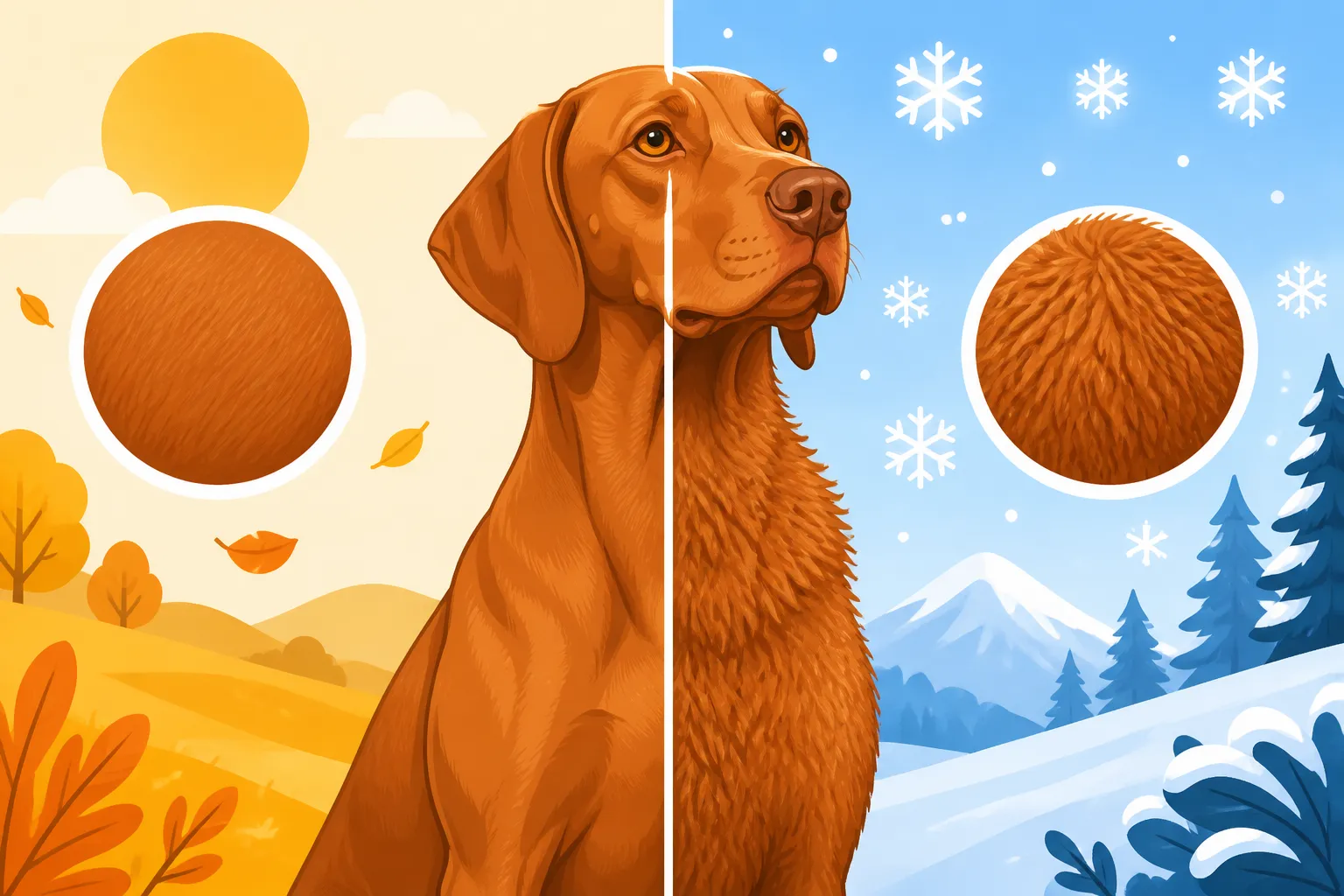
When you run your hand over a Vizsla's back, you feel skin just beneath those fine hairs. There's no fluffy layer to cushion against the cold. This single layer is why Vizslas rarely have that "doggy smell" that can cling to breeds with thicker coats, but it also means they have very little natural insulation. They shed year-round, but you won't see dramatic seasonal "blows" of an undercoat because, well, there isn't one. What you might notice is a slight increase in the density of their guard hairs as their body tries to prepare for winter, making the coat feel a touch more substantial, but it's not a true thickening or the growth of a new, warm layer.
Why "Thickening" Isn't Quite the Right Word
When we talk about a dog's coat "thickening" for winter, we typically imagine a dramatic change, like the difference between a summer and winter sheep's fleece, or the impressive winter growth on a Malamute. For a Vizsla, this simply doesn't happen. Their genetic blueprint doesn't include the instructions for growing a thick, insulating undercoat. They remain a single-coated breed, regardless of the season.
So, while you might observe a subtle shift in the feel or density of their existing coat, it's more akin to a slight adjustment rather than a full winter transformation. It's their body's minimal attempt to add an extra layer of defense, but it’s nowhere near sufficient for prolonged exposure to genuinely cold temperatures. It’s important not to mistake this minor change for adequate protection, or you might find your Vizsla shivering uncontrollably after just a few minutes outside. This distinction is critical because it informs how we, as responsible owners, need to step in to provide the warmth and protection they cannot grow themselves.
How Vizslas Cope (or Don't) With Winter Weather
Because their coats offer such minimal thermal regulation, Vizslas have developed other strategies, both natural and learned, to deal with the cold. However, these often highlight their vulnerability rather than truly solving the problem.
The Natural Limits of Their Thermal Regulation
A Vizsla's primary defense against the cold is their high metabolism and constant motion. They are perpetual motion machines, and that internal furnace generates a lot of heat. When they're actively hunting, running, or playing, they can often hold their own in cooler temperatures for a while. However, the moment that activity stops, their core temperature can drop rapidly. This is where you'll see the tell-tale signs of a Vizsla struggling with the cold.
Their thin skin, which makes them such excellent "feelers" for subtle air currents and scent changes, also means they lose heat quickly. You’ll notice The Temperature a Vizsla Starts Shivering At is often higher than you'd expect for many other breeds. A light breeze on a cool day can be enough to set them trembling. I've had Vizslas shiver even indoors if the thermostat isn't quite to their liking, or if they've just come in from a quick potty break. It’s a clear signal that their body is working hard to generate warmth, but it’s not an efficient long-term solution. Leaving a Vizsla outside in genuinely cold weather, even for short periods, without proper protection is not just uncomfortable for them; it can quickly become dangerous. Their natural limits mean we must be their thermostat and their fur coat when winter hits.
Behavioral Adaptations to Stay Warm
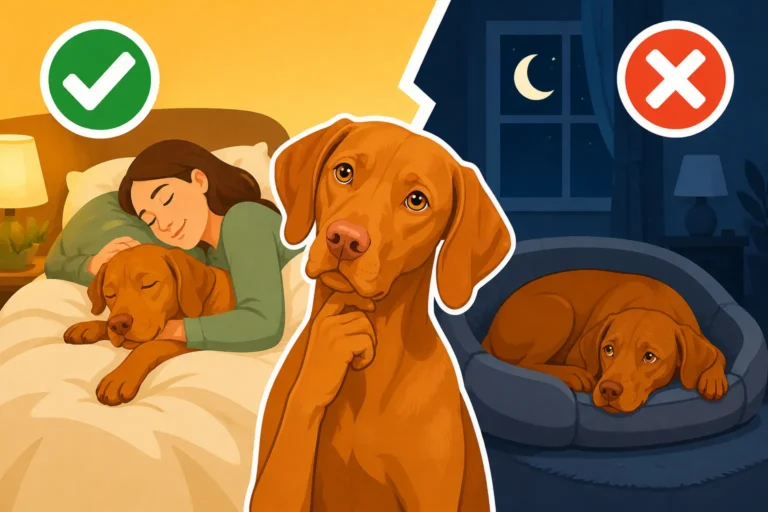
Given their lack of natural insulation, Vizslas become masters of seeking warmth. This is where their famous "Velcro" nature truly shines (or, depending on your perspective, sticks). They will burrow under blankets, dig into laundry piles, and, perhaps most famously, attempt to integrate themselves fully with their human companions. Have you ever tried to sit on the couch and found a sixty-pound Vizsla slowly but surely insinuating themselves onto your lap, then under your arm, and finally under the blanket with you? That's not just affection; it's a survival strategy! They are essentially seeking out external heat sources to compensate for what their thin coat cannot provide.
This behavior, whether it's snuggling deep into your bed or insisting on being under the duvet with you, isn't just a quirky trait. It's a genuine need. They'll also find the sunniest spot in the house, curl up into the tightest ball imaginable, and seek out any warm vent or fireplace. For more on this charming, albeit sometimes intrusive, habit, check out Whether a Vizsla Burrows Under Blankets for Warmth. Understanding these behaviors helps us appreciate their vulnerability and guides us in providing the necessary warmth they crave and require to be truly comfortable during the colder months.
Practical Strategies for Keeping Your Vizsla Warm in Winter
Since our Vizslas can't grow a big fluffy coat, it's up to us to make sure they stay warm. This means being proactive with their gear, their environment, and even their diet.
Investing in Proper Winter Gear
This is non-negotiable for most Vizslas when temperatures drop significantly or if they'll be out for more than a quick potty break. Think of it as putting on their winter jacket. A good quality dog coat or jacket can make a world of difference, allowing them to enjoy walks, training, or even brief hunts without shivering uncontrollably. When choosing, look for options that are waterproof or water-resistant, windproof, and offer good insulation. Many brands offer a variety of styles, from simple fleeces to heavy-duty insulated parkas. For very cold or wet conditions, you might even consider layering a thin fleece under a thicker, waterproof coat, especially if you want to extend outdoor activity. You can find a huge selection of dog coats on platforms like Amazon or Chewy, making it easy to compare features and read reviews from other Vizsla owners.
Don't forget their paws! Their pads are surprisingly tough, but prolonged exposure to snow, ice, or frozen ground can lead to cracking, soreness, or even frostbite. Dog boots are a fantastic investment, especially if your Vizsla will be working in snow or on salted sidewalks. If boots aren't an option, or for milder cold, a good paw wax can provide a protective barrier. It’s about more than just comfort; it’s about preventing injury and making sure they can keep moving without pain. Consider The Temperature a Vizsla Needs a Coat At when deciding if it's time to suit up your furry friend.
Adjusting Their Environment and Routine
Beyond their outdoor attire, their indoor environment plays a huge role in their winter comfort. A warm, draft-free home is essential. Many Vizslas absolutely adore a heated bed in the colder months. It gives them a dedicated, toasty spot to retreat to and can significantly reduce their shivering indoors. Even extra blankets or a cozy dog bed with high sides can help them burrow and retain body heat. They really do need Why a Vizsla Needs Somewhere Warm to Sleep.
Your daily routine might also need adjusting. Instead of one long, slow walk in bitter cold, consider shorter, more vigorous bursts of activity or multiple quick trips outside. If you're a hunter, be especially mindful of extended periods where your Vizsla might be standing still while you wait for game or retrieve. That's when their body temperature can plummet. Indoor enrichment like puzzle toys, training sessions, or scent work can also help burn energy and provide mental stimulation on days when outdoor activity is limited due to extreme cold. Even something as simple as a stimulating chew can help tire them out while keeping them warm and safe inside.
Nutritional Support for Cold Weather
Keeping warm requires energy, and in colder temperatures, a Vizsla's body will burn more calories just to maintain its core temperature. This means their dietary needs might increase, especially for active or working dogs. Don't be surprised if your Vizsla seems hungrier in winter, even if their activity level hasn't drastically changed. Their body is working overtime.
Consider talking to your vet about adjusting their food intake or switching to a slightly higher-calorie food during the coldest months. For a working Vizsla, a performance formula with a higher fat content can be beneficial. Brands like Ollie, known for their fresh, nutrient-dense food, could be an option if you're looking for easily digestible calories, or you might find specific winter performance kibble on Chewy that offers that extra boost. Always ensure they have access to fresh water, as even in winter, dehydration can be an issue, especially with increased exertion. Paying attention to Whether a Vizsla Needs More Food in Winter is key to ensuring they have the fuel they need to stay warm and healthy.
Recognizing When Your Vizsla is Too Cold
It's vital for Vizsla owners to become expert observers of their dog's body language in cold weather. They are stoic and often try to push through discomfort, but there are clear signals that tell you they're struggling.
Visible Signs of Discomfort
The most obvious sign your Vizsla is too cold is shivering. It might start subtly, a slight tremor in their legs, before progressing to full-body shakes. They might hunch their back, tuck their tail, and lift their paws off the cold ground, one by one, trying to minimize contact. Sometimes they’ll become reluctant to move, or they’ll whine, signaling their distress. Their ears might feel cold to the touch, and their nose might be unusually cool and dry. They might also actively seek shelter, trying to get behind you, under a bush, or even attempt to get back to the car.
Don't ignore these signs, no matter how briefly they appear. A Vizsla that is shivering is using precious energy trying to warm itself, energy that could otherwise be used for activity or simply staying healthy. If you notice any of these indicators, it’s time to get your Vizsla warm immediately. This might mean shortening a walk, calling it a day on a hunt, or even just bringing them indoors and bundling them up. Understanding The Temperature a Vizsla Starts Shivering At helps you prevent them from reaching this point of discomfort in the first place.
The Dangers of Prolonged Cold Exposure
Beyond immediate discomfort, prolonged exposure to cold without adequate protection can lead to serious health issues, the most severe being hypothermia and frostbite. Hypothermia occurs when a dog's body loses heat faster than it can produce it, causing its core temperature to drop dangerously low. Symptoms can range from mild shivering and lethargy to severe muscle stiffness, shallow breathing, dilated pupils, and eventually, collapse.
Frostbite is also a risk, particularly on their ears, tail tip, and paw pads. These areas have less fur and are more exposed. Frozen ground and extreme cold can quickly damage tissue. This is especially true if a Vizsla is working in deep snow or icy conditions for extended periods. It's not just about comfort; it's about life-threatening dangers. A Vizsla’s thin coat and minimal body fat mean they are inherently more susceptible to these conditions than many other breeds. Even if your Vizsla is a seasoned field dog, vigilance is key. Never push them past their limits in bitter weather, and always ensure you have a plan to get them warm and dry quickly. For more on this critical topic, make sure you understand Whether a Vizsla Gets Hypothermia.
Here's a quick reference for common winter gear to help keep your Vizsla cozy:
| Gear Type | Purpose | Key Features to Look For | When to Use It |
|---|---|---|---|
| Dog Coat/Jacket | Core body warmth, wind protection | Waterproof/resistant, insulated, good fit around chest | Below 40°F (4°C), windy conditions, wet weather |
| Fleece Vest | Light insulation, layering, indoor warmth | Soft, breathable, easy on/off | Cool indoors, layering under a heavier coat |
| Dog Boots | Paw protection from ice, snow, salt, chemicals | Durable sole, good grip, secure fasteners | Icy ground, salted sidewalks, prolonged snow |
| Paw Wax | Barrier against elements, moisturizing | Natural ingredients, non-toxic, easy application | Mild cold, light snow, cracked pads |
| Heated Bed | Supplemental indoor warmth, comfort | Low wattage, chew-resistant cord, soft cover | Anytime your Vizsla is shivering indoors, rest |
| Neck Warmer/Snood | Protects neck and ears from wind and cold | Soft, stretchy, non-restrictive | Very windy days, hunting in open fields |
Disclaimer
This article is for general informational purposes only and does not constitute professional advice. Laws, prices and regulations vary by location and change over time. Consult a qualified professional for guidance on your specific situation.