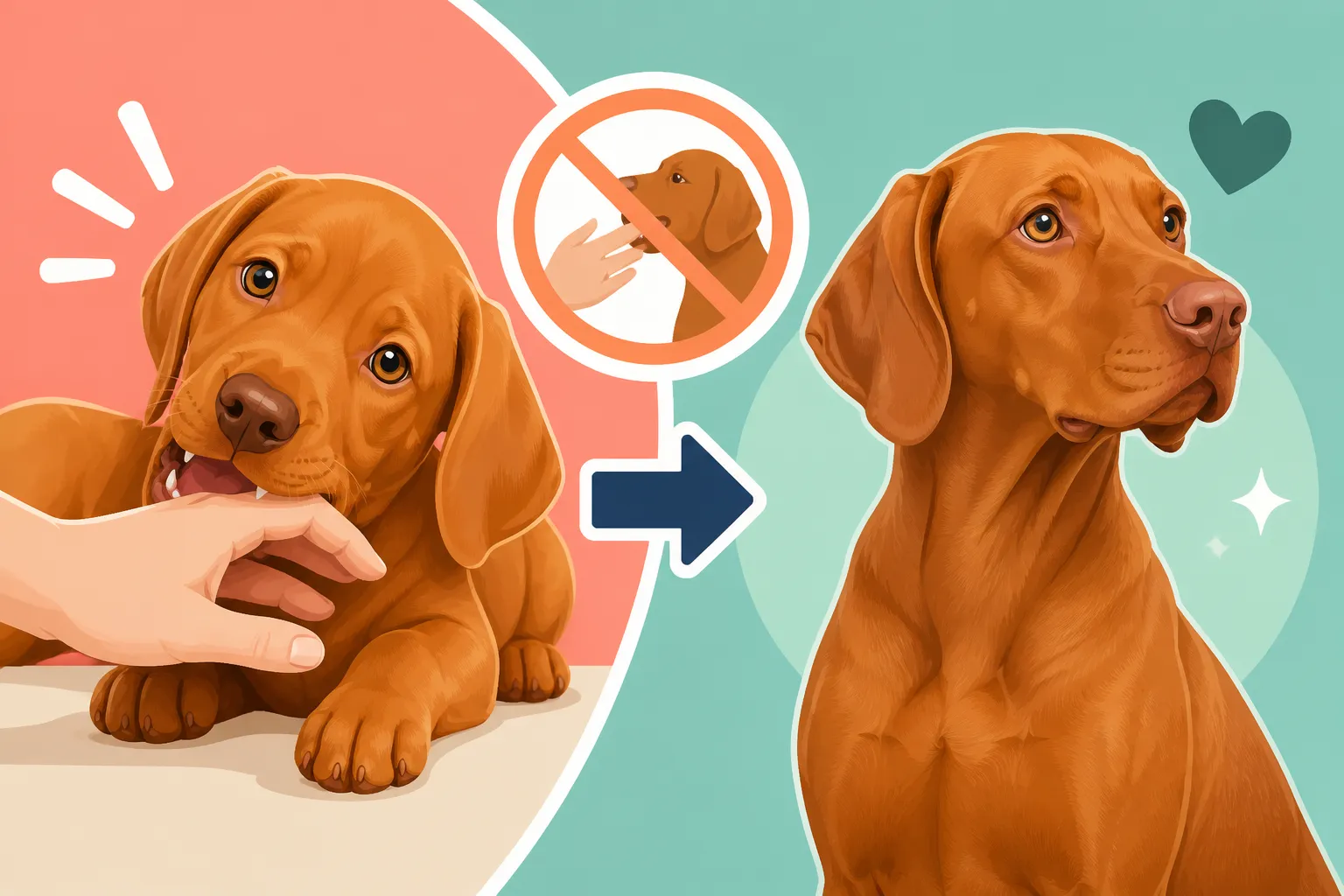
The Age a Vizsla Puppy Stops Mouthing
One of the most common and often painful frustrations new Vizsla puppy owners face is the relentless mouthing and nipping. Those needle-sharp puppy teeth can make playtime feel more like a wrestling match with a tiny shark, leaving hands and ankles sore and making you wonder if your sweet companion will ever learn proper manners. This guide will walk you through understanding when a Vizsla puppy typically outgrows the intense mouthing phase, exploring the reasons behind it, and offering practical, empathetic strategies to help them learn appropriate bite inhibition.
Understanding the Vizsla Puppy Mouthing Instinct
It’s easy to feel personally targeted when your adorable Vizsla puppy uses your fingers as a chew toy, but it’s crucial to remember that this behavior is entirely natural for puppies, especially for a breed like the Vizsla. They explore the world with their mouths, and this phase is a normal part of their development.
Why Puppies Mouth Everything
Puppies, much like human toddlers, learn about their environment through their senses, and for them, their mouth is a primary tool. They don't have hands to pick up and examine objects in the same way we do, so everything goes in the mouth. This oral exploration serves several purposes:
- Investigation: Is this object hard or soft? Does it move? What does it taste like? Their mouths are constantly gathering information.
- Teething Relief: As their baby teeth erupt and later fall out to make way for adult teeth, their gums can become very sore and itchy. Chewing provides immense relief, much like a baby uses a teething ring. This stage is particularly intense from about 3 to 6 months of age.
- Play and Interaction: In a litter, puppies learn to play with each other by wrestling, chasing, and, yes, mouthing. When one puppy bites too hard, the other will often yelp and disengage, teaching the aggressor about bite inhibition – how much pressure is too much. When your Vizsla puppy mouths you, they’re often initiating play in the only way they know how.
The Vizsla's Unique Mouthiness
Vizslas are bird dogs, bred for generations to use their mouths. They are soft-mouthed retrievers, meaning they are supposed to pick up game gently without damaging it. This strong oral fixation is ingrained in their genetics. They love to carry things, whether it's a favorite toy, your slipper, or even just air. This instinct translates directly into puppyhood mouthing. It's not aggression; it's just a fundamental part of who they are.
Furthermore, Vizslas are incredibly energetic and intelligent. When they're bored, under-exercised, or seeking attention, mouthing can become a go-to behavior. It’s a way for them to say, "Hey, I need something to do!" or "Pay attention to me!" If you find your puppy’s nipping increases after a period of inactivity, that’s a big clue that they need an outlet for their boundless energy. This breed thrives on engagement, and if they don't get constructive interaction, they'll find their own forms of "fun," which often involves your hands.
Distinguishing Between Play Nipping and Problematic Biting
It's vital for owners to understand the difference between typical puppy nipping and something more concerning.
- Play Nipping: This is usually characterized by an open mouth, wiggly body, perhaps a play bow, and often a lack of real pressure. It might hurt due to sharp teeth, but there's no intent to harm. The puppy is trying to engage, explore, or get attention. This is what most Vizsla puppies do.
- Problematic Biting: This is far less common in Vizslas, who are generally known for their gentle dispositions. It involves more intense pressure, a stiff body, growling, snarling, or a clear intent to cause harm. It might happen in situations where the puppy feels threatened, is guarding resources, or is experiencing pain. If you suspect your puppy’s biting falls into this category, or if the mouthing seems disproportionately aggressive, it’s critical to consult with a professional dog behaviorist immediately. Do not try to handle aggressive biting on your own, especially with a strong, athletic breed.
For the vast majority of Vizsla owners, the challenge is dealing with enthusiastic, persistent play nipping rather than true aggression. The goal isn't to stop them from using their mouths entirely – that's impossible and undesirable for a bird dog – but to teach them what to mouth and how gently.
When Does the Mouthing Typically Subside in Vizslas?
The question of "when" a Vizsla puppy stops mouthing is multi-faceted. It's not a single day on the calendar, but rather a gradual process influenced by their physical development, consistent training, and natural maturity.
The Teething Timeline: The Peak of Mouthing
The most intense period of mouthing often coincides with the puppy teething phase. Here’s a general timeline:
- Birth to 4 weeks: Puppies have very tiny, sharp deciduous (baby) teeth. Mouthing is mostly with littermates and mother.
- 4 to 8 weeks: Teeth continue to erupt. Puppies are still with their litter and learning bite inhibition through play. This is a critical learning period for them.
- 8 weeks to 4 months: You've likely just brought your Vizsla puppy home during this period. Their baby teeth are fully in, and they are incredibly sharp. This is when you'll feel the full force of their nipping. They are still learning about the world, and your hands often become their next "littermate."
- 3 to 6 months: This is often the peak of the teething process. Their baby teeth start to fall out, and their larger, stronger adult teeth begin to emerge. This can be an uncomfortable period for them, leading to increased chewing and mouthing as they try to relieve gum pain. You might find tiny puppy teeth on the floor or embedded in chew toys. During this time, it's particularly important to provide appropriate chew outlets. You'll definitely want to read Whether a Vizsla Puppy Bites Hard to manage expectations during this period.
- 6 to 8 months: By this point, most Vizslas will have all their adult teeth. The physical need to mouth for teething relief largely diminishes. However, this doesn't mean the behavior automatically stops. If the puppy hasn't been consistently taught appropriate chewing and bite inhibition, the habit can persist.
So, while the physical discomfort of teething usually subsides around 6-8 months, the learned behavior of mouthing can continue for longer if not actively managed.
Beyond Teething: The Role of Training and Maturity
Once the teething phase passes, the continuation or cessation of mouthing largely depends on the consistency and effectiveness of your training. A Vizsla's instinct to use their mouth is strong, so simply waiting for them to "grow out of it" without intervention is unlikely to yield the results you want.
- Consistent Training: The biggest factor in a Vizsla puppy stopping inappropriate mouthing is consistent training from you. This involves redirecting, teaching bite inhibition, and rewarding desired behaviors. The more diligent you are in puppyhood, the faster they will learn. You can't expect a behavior to vanish if you haven't clearly taught an alternative. For more on their learning style, consider How Fast a Vizsla Learns a New Cue.
- Maturity: Vizslas are famously energetic and playful, often maintaining their puppy-like exuberance well into their second or even third year. While their physical growth may slow down, their mental maturity takes longer. As they mature, they generally become calmer and better able to control their impulses. However, this maturity works with training, not in place of it. An untrained adolescent Vizsla can still be quite mouthy due to ingrained habits and high energy. If you're struggling, The First Year With a Vizsla Puppy offers a broader look at what to expect.
In essence, while the intensity of mouthing often decreases after adult teeth come in (around 6-8 months), the cessation of the behavior as a general habit is usually achieved through dedicated training and, eventually, the calmer disposition that comes with maturity. It's not uncommon for a Vizsla to still playfully mouth an owner’s hand gently as a sign of affection even as an adult, but the sharp, painful nipping should definitely be a thing of the past by their first birthday, with good training.
Individual Differences and Lingering Habits
Every Vizsla is an individual. Some might be naturally less mouthy, while others will be more persistent. Factors like their parents' temperament (genetics can play a small role in how "oral" a dog is), their early experiences with littermates, and your consistency as an owner all contribute.
If not addressed effectively in puppyhood, mouthing can become a lingering habit. An adolescent Vizsla (roughly 6 months to 2 years) who hasn't learned appropriate bite inhibition might continue to mouth hands or clothes out of habit, frustration, or a desire for attention. At this age, their jaws are stronger, and while the teeth are no longer needle-sharp, the pressure can still be significant and unwanted. This is why early intervention is key. If your Vizsla is chewing things they shouldn't, like furniture, then Whether a Vizsla Chews the Door Frame might be a helpful read.
Strategies to Gently Guide Your Vizsla Puppy Past Mouthing
Dealing with a mouthy Vizsla puppy requires patience, consistency, and a clear understanding of how dogs learn. The goal isn't to punish them for a natural behavior, but to redirect and teach them appropriate alternatives.
Redirection is Your Best Friend
This is arguably the most effective tool in your arsenal. The moment your Vizsla puppy's teeth touch your skin, immediately redirect their attention to an appropriate chew toy.
- Always Have Toys Handy: Keep a variety of appealing chew toys in every room you spend time in with your puppy. This includes puzzle toys, rubber chew toys, rope toys, and durable plush toys. When the puppy nips, calmly insert a toy into their mouth.
- Make Toys More Appealing: Sometimes, a plain toy isn't as exciting as a human hand. Try rotating toys to keep them novel. You can also stuff kongs or other puzzle toys with treats to make them more engaging, or play an interactive game with a tug toy before offering it for independent chewing. Many excellent options for durable chews can be found on Amazon, giving you a wide selection to test what your particular Vizsla prefers.
- Vary Textures: Puppies often have preferences for textures. Some like soft, squeaky toys, others prefer hard rubber, and some love the feel of rope. Experiment to find what truly satisfies their chewing urge.
Teaching Bite Inhibition: The "Yelp" Method
This method mimics how puppies learn from their littermates. When a puppy bites another too hard, the bitten puppy yelps, and play stops.
- Exaggerated Yelp: When your Vizsla puppy mouths too hard, let out a high-pitched, exaggerated "YIP!" or "OUCH!" immediately. Make it sound genuine, like you've been hurt.
- Withdraw Attention: Immediately after the yelp, remove your hand or body part, and completely disengage from the puppy. Turn your back, cross your arms, or even get up and walk into another room for 10-20 seconds. This teaches them that biting too hard makes the fun stop.
- Resume Play Gently: After a short break, you can re-engage with your puppy, but be mindful. If they mouth too hard again, repeat the process. The key is consistency. They will start to associate the pressure with the loss of attention. Remember, Vizslas are The Soft Vizsla That Shuts Down When You Raise Your Voice, so an over-the-top reaction isn't usually necessary; a clear, consistent withdrawal of attention is often enough.
The Power of Positive Reinforcement
Reward the behaviors you want to see. This is fundamental to all Vizsla training.
- Reward Calm Chewing: When your puppy is quietly chewing on an appropriate toy, praise them calmly and offer a small treat. This reinforces that chewing this is good, not that (your hand).
- Reward Calm Interactions: If your puppy approaches you for petting and doesn't mouth, give them gentle praise and a scratch behind the ears. Help them understand that gentle interaction is rewarding.
- Short, Frequent Training Sessions: Vizslas are intelligent but can have short attention spans as puppies. Keep training sessions brief (5-10 minutes) but frequent throughout the day. This aligns well with How Long a Vizsla Holds Concentration.
Managing the Environment and Avoiding Triggers
Prevention is often easier than correction.
- Avoid Rough Play with Hands: Don't engage in games where your hands are the "toy." This inadvertently teaches them that hands are for biting. Use toys for tug-of-war or wrestling.
- Provide Sufficient Exercise and Mental Stimulation: An under-exercised or bored Vizsla is a destructive Vizsla. Ensure your puppy gets ample appropriate exercise for their age, as well as mental challenges like puzzle toys, short training sessions, or scent games. This helps tire them out and reduces the likelihood of them resorting to mouthing out of frustration or excess energy. Remember, The Two Hours a Vizsla Needs Before It Will Settle is a general guideline for adults, but even puppies need structured activity.
- Appropriate Chew Outlets: Always have a variety of safe, durable chew toys available. This satisfies their natural urge to chew and keeps their mouths busy. Rotate them to maintain interest. If you're looking for structured guidance on training, BAXTER & Bella offers online puppy programs that often cover bite inhibition in detail, which can be invaluable for consistent guidance.
When to Seek Professional Help for Persistent Mouthing
While mouthing is a normal puppy behavior, there are times when it becomes concerning or simply isn't improving with your best efforts. Knowing when to call in a professional can save you a lot of frustration and prevent the behavior from escalating.
Identifying Problematic Biting
As discussed earlier, most Vizsla puppy mouthing is play-related. However, if the mouthing becomes genuinely aggressive, it's a different situation altogether. Look for these signs:
- Increased Pressure and Injury: The puppy consistently bites hard enough to break skin, draw blood, or leave deep bruises, even after you've tried bite inhibition techniques.
- Growling or Snarling: Accompanying the bite, especially if it’s defensive when you try to take something away, or when they are approached while eating or sleeping.
- Stiff Body Language: The puppy's body becomes rigid, their tail might be tucked, or their hackles might be raised. These are signs of fear or aggression, not playful interaction.
- Targeting Beyond Hands/Ankles: If the puppy starts aggressively lunging at faces or other vulnerable areas, this is a red flag.
- Inability to Redirect: The puppy ignores all attempts to redirect to a toy and remains fixated on biting you.
If you observe these behaviors, especially in an older puppy (over 5-6 months) or an adolescent, it's crucial to seek professional help. Vizslas are usually very soft and gentle, so true aggression is rare and needs expert intervention.
The Importance of Early Intervention
The sooner you address problematic mouthing or biting, the easier it is to correct. Puppies are highly impressionable, and habits become ingrained over time. What might be mildly annoying in a 10-pound puppy can become a significant problem in a 50-60 pound adult Vizsla.
Waiting for your puppy to "grow out of it" if it's genuinely problematic or causing significant stress to you or your family is not a wise strategy. Early intervention ensures your Vizsla grows into a well-mannered companion, rather than developing behaviors that could lead to rehoming or difficult situations. For comprehensive care and training resources beyond mouthing, you might want to look at The First Year With a Vizsla Puppy.
Rule Out Underlying Issues
Sometimes, a sudden increase or change in mouthing behavior can be a symptom of an underlying issue rather than just a training problem.
- Pain or Discomfort: A puppy might nip more if they are in pain, perhaps from an injury, a dental issue, or another health concern. A visit to the vet can rule out any medical causes.
- Fear or Anxiety: A fearful or anxious puppy might resort to biting as a defense mechanism. This can be particularly true if they've had negative experiences. Understanding What Velcro Behavior Looks Like in a Vizsla can help you recognize if anxiety might be a factor in their intense need for interaction and potential mouthing.
- Lack of Socialization: Puppies who didn't get adequate socialization with their littermates or other dogs might not have learned proper bite inhibition.
A qualified professional, such as a certified professional dog trainer or a veterinary behaviorist, can help you accurately assess the situation. They can observe your puppy's behavior, identify potential triggers, and develop a tailored training plan. They can provide guidance on appropriate techniques, teach you how to communicate effectively with your Vizsla, and ensure that both you and your puppy are set up for success.
| Vizsla Puppy Mouthing Phase | Typical Age Range | Primary Causes | Common Owner Experience | How to Best Respond |
|---|---|---|---|---|
| Exploration/Litter Learning | 8 weeks to 3 months | Investigating world, learning from littermates | Sharp nips, enthusiastic play, easily redirected | Immediate redirection, "yelp" and disengage |
| Intense Teething | 3 months to 6 months | Gum pain relief, adult teeth erupting | Frequent, strong mouthing; constant need to chew; painful | Offer many appropriate chews, continue redirection/yelp |
| Habit/Adolescent Energy | 6 months to 12+ months | Learned behavior, boredom, attention-seeking | Less painful but persistent mouthing, strong urge to chew | Consistent training, high-value chews, ample exercise |
Ultimately, the journey of teaching your Vizsla puppy to stop mouthing is a marathon, not a sprint. It requires patience, consistency, and a deep understanding of their natural instincts and developmental stages. By providing appropriate outlets, consistent guidance, and positive reinforcement, you can help your Vizsla puppy grow into a polite, well-mannered companion who knows how to use their mouth gently.
Disclaimer
This article is for general informational purposes only and does not constitute professional advice. Laws, prices and regulations vary by location and change over time. Consult a qualified professional for guidance on your specific situation.