Whether a Vizsla Remembers a Bad Experience
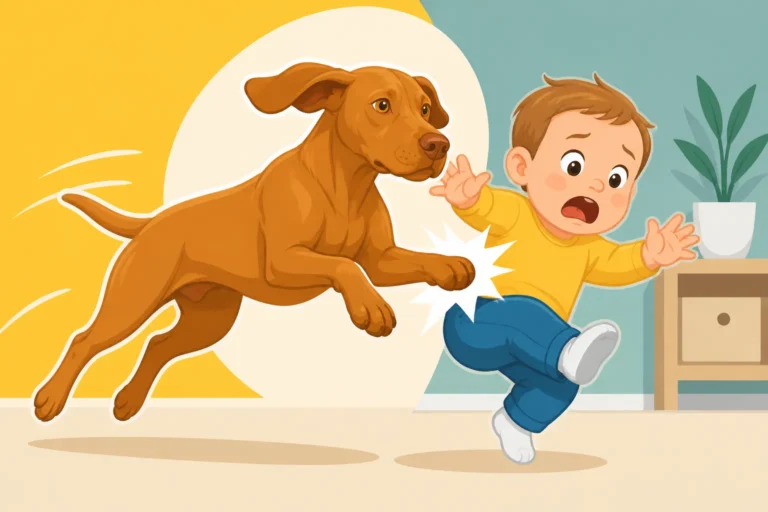
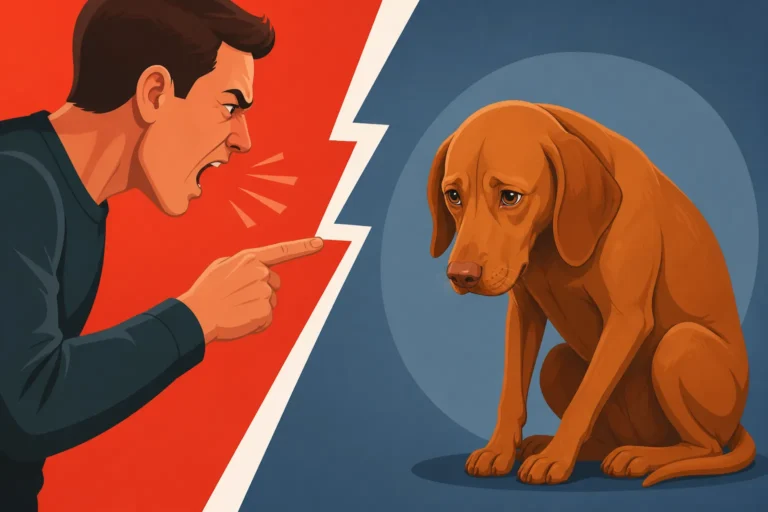
It’s a heart-wrenching moment when you realize your beloved Vizsla has been deeply affected by something negative. Maybe it was a loud, unexpected bang that sent them scrambling, or a sharp, unfair correction from a well-meaning but misguided person, or even an ill-fated encounter with another dog that left them shaken. Many Vizsla owners worry if these incidents truly stick in their dog's mind, creating lasting fear or behavioral changes. This comprehensive guide will delve into how Vizslas process and remember adverse events, providing insight and actionable strategies to help your sensitive companion navigate a sometimes overwhelming world.
The Sensitive Nature of a Vizsla's Memory
Vizslas are renowned for their incredible intelligence, keen senses, and their deeply affectionate, often "velcro" nature. What often gets overlooked, however, is how profoundly sensitive they can be. This sensitivity extends to their memory and how they process experiences, both good and bad. They're not just remembering a moment; they're often recalling the emotions, the environment, and the sensory input associated with it.
Why Vizslas Take Things to Heart
Vizslas are incredibly attuned to their human companions and their environment. Their strong bonding instinct means they rely heavily on us for security and guidance. When something negative happens, especially if it involves us or occurs in a context where they expect safety, it can be particularly jarring for them. This isn't just about being "spoiled" or "overly dramatic"; it's a fundamental part of their temperament. They are wired to seek harmony and connection, and disruptions to this can leave a lasting impression. Imagine a child who experiences a sudden, loud thunderclap while being comforted by their parent versus one who experiences it alone in a strange room. The context and perceived safety profoundly impact how that event is remembered and if it develops into a fear. For a Vizsla, perceived safety is often directly linked to your presence and demeanor. Whether a Vizsla Cries When You Leave the Room is a testament to how deeply they feel things, and a negative experience can amplify this emotional vulnerability.
This inherent sensitivity means they often register nuances that other, perhaps more resilient, breeds might shrug off. A harsh word, a startling noise, an accidental stubbed toe that gets blamed on them – these aren't quickly forgotten. They'll often associate the feeling of fear or discomfort with the circumstances surrounding the event, making them wary of similar situations in the future. This isn't about holding a grudge; it's about a protective mechanism designed to keep them safe.
The "Soft Mouth, Soft Mind" Phenomenon
The phrase "soft mouth, soft mind" is often used to describe many pointing breeds, and it's particularly apt for the Vizsla. While "soft mouth" refers to their gentle retrieve, "soft mind" speaks to their responsiveness and sensitivity to training and correction. They thrive on positive reinforcement and clear, calm communication, and can easily become overwhelmed or "shut down" with harsh methods.
This "soft mind" means that a single negative interaction can have a disproportionate impact. For example, a sharp tug on the leash accompanied by a loud, angry tone might be intended to stop a Vizsla from pulling, but what the dog actually learns is that the leash, your hand, or even you can be a source of pain or fear. Instead of learning to walk nicely, they might learn to fear walks, or become anxious whenever the leash comes out. This is a common frustration for owners who unknowingly use methods that are too strong for their sensitive Vizsla. It's why Why Harsh Handling Ruins a Vizsla is such a crucial topic for any Vizsla owner to understand. They aren't trying to be defiant; they are genuinely processing experiences differently due to their genetic makeup and breed traits. This means trainers and owners must adapt their approach to suit the Vizsla's temperament, focusing on building confidence rather than instilling fear.
How Negative Experiences Can Shape a Vizsla's Behavior
Yes, Vizslas absolutely remember bad experiences, and these memories can profoundly shape their future behavior. It's not necessarily a conscious "I remember that time X happened" in the human sense, but rather a strong association of fear, pain, or discomfort with specific triggers, environments, or even people.
The Lasting Impact of Fear-Inducing Events
Imagine your Vizsla, typically a confident and joyful dog, suddenly cowering at the sound of a certain type of vehicle or refusing to enter a specific room in the house. This isn't random; it's almost certainly linked to a past fear-inducing event. Perhaps a delivery truck backfired loudly right next to them, or a heavy object fell in that room, startling them badly. These single, acute events can create powerful negative associations.
For a Vizsla, these memories can be vivid and long-lasting. They might generalize the fear, meaning that if they were scared by a large truck, they might become fearful of all large vehicles, or even loud noises in general. This can manifest as:
- Avoidance: Refusing to go to certain places, pulling away from specific people, or hiding when a particular sound occurs.
- Anxiety: Excessive panting, drooling, pacing, or whining when exposed to the trigger. Signs a Vizsla Is Suffering Alone often include these behaviors, which can be heightened if a negative experience happened when they were by themselves.
- Reactivity: Barking, lunging, or growling at a trigger that previously caused fear, as a way to create distance and prevent the negative experience from recurring.
These reactions are not an act of defiance but a genuine response to a perceived threat based on past learning. Their powerful memory ensures they'll try to avoid that discomfort again. Owners often feel frustrated when their dog "suddenly" develops a fear, but typically, there's an incident or a series of incidents that the Vizsla has logged away.
Learning from a Single Traumatic Event
It doesn't always take repeated exposure for a Vizsla to form a strong negative association. A single, sufficiently traumatic event can hardwire a fear response. Consider a puppy exploring the world: if a large, aggressive dog suddenly rushes and barks at them during a walk, that single encounter can lead to lifelong leash reactivity or fear of other dogs. Even if the puppy wasn't physically harmed, the emotional impact is significant.
Another common scenario involves a new home. If a Vizsla puppy is left alone too early or for too long, experiencing profound panic and isolation, they can develop severe separation anxiety. This isn't something they forget; it becomes ingrained. They'll remember the feeling of being abandoned and associate it with your departure, leading to destructive behaviors or excessive vocalization. What an Anxious Vizsla Destroys often stems from such deep-seated fear and memory of past isolation.
The Vizsla's intelligence, while a blessing in many ways, can also be a double-edged sword here. They are quick to learn, and unfortunately, they can learn fear and negative associations just as quickly as they learn to sit or stay. This highlights the immense responsibility we have as owners to protect them from unnecessary trauma and to handle any negative experiences with sensitivity and immediate, effective intervention.
Strategies for Overcoming Past Negative Associations
The good news is that while Vizslas remember bad experiences, they are also incredibly resilient and eager to please, making them good candidates for rehabilitation with the right approach. It takes patience, consistency, and a deep understanding of their sensitive nature.
Rebuilding Trust Through Positive Reinforcement
The cornerstone of overcoming negative associations is rebuilding trust and creating new, positive memories. This is where positive reinforcement truly shines. Instead of trying to "force" your Vizsla to confront their fear, you gently guide them towards positive interactions, rewarding brave steps, no matter how small.
Let's say your Vizsla is suddenly terrified of the vacuum cleaner because it bumped into them once, or made a terrifying noise. Trying to hold them still while you vacuum will only confirm their fear. Instead, start by simply having the vacuum in the room, unplugged. Every time your Vizsla looks at it without panicking, or even just takes a breath, give them a high-value treat. Gradually, you can move to turning it on for a second, then longer, always pairing the sound with treats and praise. The goal is to change their emotional response from "danger!" to "treat time!". Whether Positive Training Alone Works on a Vizsla is a question many ask, and for sensitive breeds like Vizslas, it's often the only effective long-term method without damaging their confidence.
Tools like treat pouches (easily found on Amazon) and clickers can be incredibly helpful in delivering precise, timely rewards. Online training platforms, such as BAXTER & Bella, often provide structured programs for dealing with common fears and anxieties, guiding owners through positive reinforcement techniques step-by-step, which can be a lifeline for new or struggling owners.
Gradual Desensitization and Counter-Conditioning
These two techniques often go hand-in-hand and are crucial for helping a Vizsla overcome a fear.
-
Desensitization means gradually exposing your Vizsla to the scary thing at a low intensity, so low that they barely notice it or aren't bothered by it at all. The key is to stay below their threshold of fear. If your Vizsla is scared of other dogs, you wouldn't take them to a dog park. Instead, you'd start by having them see another calm dog from a distance, perhaps across a field, where they can observe without feeling threatened.
-
Counter-conditioning means changing your Vizsla's emotional response to the scary thing. Instead of fear, you want them to feel positive emotions like excitement for treats or play. So, as they see that calm dog across the field, you immediately start feeding them their favorite, super-special treats. The presence of the other dog predicts delicious food, not danger. Over time, you slowly decrease the distance to the trigger, always ensuring your Vizsla remains calm and happy, and always pairing it with something positive.
This process can be slow, sometimes taking weeks or months, but it's the most humane and effective way to truly resolve a fear, rather than just suppressing the symptoms. It’s about being observant of your Vizsla’s body language and knowing when to push a little, and when to back off.
When Professional Help Becomes Essential
Sometimes, a bad experience can lead to deeply ingrained fears or aggression that are beyond the scope of DIY training. This is absolutely nothing to be ashamed of. Seeking professional help is a sign of a responsible owner dedicated to their dog's well-being.
A certified professional dog trainer (CPDT) or a veterinary behaviorist can provide invaluable expertise. They can accurately assess the root cause of the behavior, identify triggers you might be missing, and develop a tailored plan using positive, force-free methods. For severe anxiety, phobias, or aggression stemming from past trauma, a veterinary behaviorist might also recommend medication to help manage anxiety while behavioral modification is implemented. This isn't a "magic pill" but can help your Vizsla be calm enough to learn new, positive associations. Remember, their goal is to help your Vizsla lead a happier, less fearful life.
When choosing a professional, always look for someone who uses positive reinforcement and force-free techniques. Avoid anyone who suggests harsh corrections, intimidation, or "alpha" methods, as these will likely exacerbate a sensitive Vizsla's issues and reinforce their negative memories. Whether an E-Collar Ruins a Vizsla's Confidence is a great example of why certain methods are particularly detrimental to this breed.
Here's a quick comparison of approaches:
| Strategy | Description | Best For | Key Benefit |
|---|---|---|---|
| Positive Reinforcement | Rewarding desired behaviors to strengthen them and create positive associations. | General training, building confidence, overcoming mild fears. | Builds trust, fosters a happy learning environment. |
| Desensitization | Gradual, low-level exposure to a feared stimulus, staying below the fear threshold. | Specific phobias (e.g., loud noises, certain objects, vet visits). | Slowly reduces emotional reactivity without causing distress. |
| Counter-Conditioning | Changing a dog's emotional response to a stimulus by pairing it with something positive. | Paired with desensitization to create new, positive associations. | Replaces fear with positive anticipation (e.g., "vacuum means treats!"). |
| Professional Help | Consultation with CPDT or Vet Behaviorist for severe or complex issues. | Severe anxiety, aggression, deep-seated trauma, when DIY isn't working. | Expert guidance, tailored plans, potential for medication support. |
Preventing Future Bad Experiences
While we can't shield our Vizslas from every single unpleasant moment, we can certainly take proactive steps to minimize the chances of truly bad experiences and prepare them to cope with life's inevitable bumps.
Creating a Safe and Predictable Environment
A stable, predictable home environment is incredibly important for a sensitive Vizsla. Knowing what to expect reduces anxiety and builds confidence. This means:
- Consistent Routines: Regular feeding times, potty breaks, exercise schedules, and quiet times help your Vizsla feel secure. They thrive on knowing the rhythm of their day.
- Designated Safe Spaces: A comfy crate or a specific bed in a quiet corner can be a sanctuary where your Vizsla can retreat when feeling overwhelmed or tired. Never use their crate as punishment. Many owners find quality crates on Amazon that become cozy dens for their dogs.
- Clear Communication: Use consistent verbal cues and hand signals. Avoid ambiguous commands or constantly changing expectations, as this can confuse and frustrate your Vizsla. The Soft Vizsla That Shuts Down When You Raise Your Voice underscores the importance of calm communication.
- Managing the Environment: Anticipate potential stressors. If you know a loud thunderstorm is coming, create a cozy, dark space, perhaps with calming music, to help your Vizsla feel safer. If guests are coming over, give your Vizsla a quiet retreat or manage interactions carefully.
A stable environment isn't about coddling; it's about providing the foundational security a sensitive Vizsla needs to thrive and feel confident enough to explore their world without constant underlying stress.
Thoughtful Socialization and Exposure
Proper socialization isn't just about exposing a puppy to everything; it's about positive exposure. For a Vizsla, this is vital to prevent future fears and anxieties.
- Quality over Quantity: Focus on controlled, positive interactions rather than overwhelming experiences. A few calm, friendly dogs are better than a chaotic dog park encounter. A gentle hand from a stranger offering a treat is better than being mobbed by well-meaning but overzealous children.
- Gradual Introductions: Whether it's a new sound, a new person, or a new place, introduce it slowly and always pair it with something positive like treats or praise. Watch your Vizsla's body language for signs of stress and back off if they show discomfort.
- Variety of Experiences: Expose them to different sights, sounds, smells, textures, and people (in a positive way) from a young age. This builds resilience and helps them generalize that new things can be good or neutral, rather than inherently scary. The First Year With a Vizsla Puppy should be filled with carefully managed, positive experiences to build a robust and confident adult.
- Ongoing Socialization: Socialization isn't a one-and-done puppy task; it's a lifelong process. Continue to expose your adult Vizsla to new, positive experiences to keep them adaptable and confident.
By being mindful of their sensitive nature, proactive in managing their environment, and thoughtful in their training and socialization, we can help our Vizslas navigate their world with confidence, minimizing the impact of negative experiences and ensuring they remain the joyful, devoted companions we cherish.
Disclaimer
This article is for general informational purposes only and does not constitute professional advice. Laws, prices and regulations vary by location and change over time. Consult a qualified professional for guidance on your specific situation.