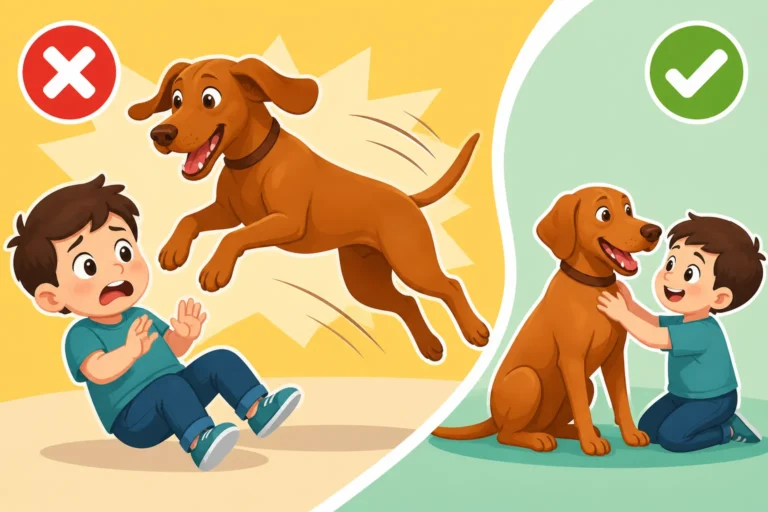
Whether a Vizsla Is Too Soft for Pressure Training
It’s a common scenario: you’ve got a spirited Vizsla puppy or even an adult dog, and you’re trying to teach them the ropes. Perhaps you’ve used traditional, more assertive training methods with other breeds, only to find your usually enthusiastic Vizsla shrinking, looking distressed, or simply shutting down. Many Vizsla owners quickly discover that their beloved ginger shadow isn't built for a heavy hand, and trying to force them into compliance often backfires, leaving both dog and owner frustrated. This guide will explore why Vizslas react differently to pressure training and offer more effective, trust-building approaches.
Understanding the Vizsla Temperament and Its Sensitivity
Vizslas are a breed unlike many others, known for their striking appearance, boundless energy, and an almost unparalleled devotion to their human families. But beneath that athletic exterior lies a deeply sensitive soul. This isn't a weakness; it's a fundamental part of what makes them such incredible companions and partners in the field. Ignoring this inherent sensitivity can lead to misunderstandings and challenges in training.
The "Velcro" Nature and Desire to Please
If you own a Vizsla, you're intimately familiar with the term "Velcro Vizsla." They aren't just attached to you; they are glued. This intense bond isn't just about cuddles; it drives their desire to please. A Vizsla thrives on positive interaction and praise. They want to do what you want them to do, not because they fear punishment, but because pleasing you strengthens that precious connection they cherish above all else. When you introduce harsh corrections or overly strong physical pressure, it fundamentally disrupts this bond. They don't understand it as a corrective measure; they often interpret it as a rejection or a breakdown in communication from the person they adore most. This can lead to anxiety and confusion, making them less, not more, likely to engage in training. Their very nature makes them intensely tuned into your mood and subtle cues, which means even a stern glance can feel like a reprimand. Why They Call It a Velcro Vizsla delves deeper into this unique trait.
Intelligence and Emotional Depth
Vizslas are incredibly intelligent dogs. They learn quickly, often picking up new commands with just a few repetitions. However, this intelligence is paired with significant emotional depth. They are highly attuned to their environment and the emotions of their people. When faced with strong, unpleasant pressure, they don't just forget the command; they associate the discomfort with the entire training scenario, and sometimes even with you. This can manifest as fear, avoidance, or a complete shutdown. Imagine trying to learn a new skill from a teacher who constantly uses harsh words or makes you feel small; you wouldn't learn effectively, and you'd likely come to dread those lessons. A Vizsla experiences something similar. Their emotional intelligence means they process negative experiences deeply, and a single bad interaction can have lasting effects on their confidence and willingness to participate in future training. Whether a Vizsla Remembers a Bad Experience is a good resource if you're concerned about past training issues.
Deconstructing "Pressure Training" for Vizslas
The term "pressure training" can mean different things to different people, and it's essential to clarify what we're talking about when discussing Vizslas. For some, it might mean traditional leash corrections, firm verbal commands, or using tools like choke chains or prong collars. For others, it might encompass any technique that relies on creating discomfort to motivate a dog to perform a desired action.
What Constitutes "Pressure" in Training
When we talk about "pressure training" in the context of a sensitive breed like the Vizsla, we're generally referring to methods that involve aversive stimuli. This could include:
- Physical Corrections: Sharp leash jerks, alpha rolls, scruff shakes, or even direct physical restraint used to force a dog into a position or to stop an unwanted behavior. For a Vizsla, whose skin is quite thin and sensitive, even a seemingly minor physical correction can be perceived as painful or deeply threatening.
- Verbal Reprimands: Loud, angry voices, yelling, or excessively harsh verbal corrections. A Vizsla's auditory sensitivity means a raised voice can be genuinely frightening, causing them to cower or withdraw.
- Aversive Tools: The use of choke collars, prong collars, or e-collars (electronic collars) designed to deliver a shock or vibrate, relying on discomfort to change behavior. While some trainers argue for the humane use of these tools, for a Vizsla, the potential for overwhelming their sensitive nature and causing fear is very high. Whether an E-Collar Belongs on a Vizsla is a great article to read for more on that.
- Intimidation Tactics: Staring down a dog, physically blocking them, or using threatening body language. A Vizsla, being so tuned into human cues, will quickly interpret this as confrontational and aggressive, rather than instructive.
The key takeaway is that for a Vizsla, any method that uses fear, intimidation, or physical discomfort as its primary motivator will likely be counterproductive and damaging to their spirit and your relationship.
Why Traditional Methods Often Fail a Vizsla
Many traditional training methods were developed for breeds with different temperaments – dogs that might be less sensitive, more handler-independent, or possess a higher pain threshold. When these methods are applied to a Vizsla, the results are often disappointing and heartbreaking for the owner. Instead of learning, the Vizsla might:
- Shut Down: This is perhaps the most common reaction. They become unresponsive, avoid eye contact, and may even lie down and refuse to move. This isn't stubbornness; it's often a sign of overwhelming stress and fear. The Soft Vizsla That Shuts Down When You Raise Your Voice explains this phenomenon well.
- Become Fearful: They may start to associate training sessions, or even the presence of certain training tools or environments, with negative experiences, leading to anxiety, avoidance behaviors, and a breakdown of trust.
- Develop Defensive Behaviors: While rare, extreme pressure can sometimes lead a dog to snap or growl out of fear, as they feel they have no other way to escape the perceived threat. This is a desperate attempt to create distance and is a sign that the training method is severely flawed for that individual dog.
- Lose Enthusiasm for Work: A Vizsla thrives on engagement and partnership. If training becomes a source of discomfort or fear, they lose their innate joy for learning and working with you, which is a tragedy for such a capable and eager breed.
The goal of training should be to build a confident, cooperative partner, not a robot that performs out of fear. With a Vizsla, the latter approach simply won't work in the long term, and it will diminish the incredible potential of your relationship.
The Negative Repercussions of Pressure Training on a Vizsla
When we push a Vizsla too hard or resort to methods that cause discomfort, we’re not just potentially hindering their learning; we’re risking severe damage to their emotional well-being and the very foundation of the bond we share. It’s crucial to understand that for a Vizsla, the consequences of misapplied pressure can be far-reaching and deeply felt.
Emotional Shutdown and Loss of Confidence
One of the most immediate and heartbreaking effects of harsh pressure on a Vizsla is an emotional shutdown. Instead of understanding what you want, they simply stop trying. Their bright, inquisitive eyes might dull, their wagging tail might droop, and they may withdraw from interaction. This isn't defiance; it's a coping mechanism. They're overwhelmed, confused, and often fearful of doing the "wrong" thing and incurring further discomfort. A Vizsla’s confidence is a fragile thing, especially when they are young. Too much pressure can shatter it, making them hesitant to explore, interact, or even offer behaviors. They might become generally anxious, showing signs of stress like excessive panting, yawning, lip-licking, or shedding, even when not actively being trained. This loss of confidence can impact every aspect of their life, from how they interact with strangers to how they cope with new environments. Imagine seeing your once-joyful dog become a shadow of their former self—that’s the real risk of overly forceful training.
Damaged Relationship and Trust Issues
The cornerstone of the Vizsla-human relationship is trust and partnership. They view you as their pack leader, their protector, and their best friend. When you introduce harsh pressure, it erodes this trust. Instead of seeing you as a reliable source of guidance and comfort, they might start to see you as unpredictable or even a source of pain. This can manifest in various ways: they might hesitate to come when called, avoid seeking out your attention, or even become subtly evasive. For a breed that thrives on connection, this relational damage is profound. You might find that your Vizsla, who once followed you everywhere, now gives you a wider berth, particularly during training sessions. Rebuilding this trust is a long and arduous journey, much harder than building it correctly from the start. A Vizsla needs to feel safe and secure with you, and pressure training actively undermines that fundamental need.
Increased Anxiety and Behavioral Problems
Far from solving behavioral issues, pressure training can often create new ones or exacerbate existing anxieties. A dog that is constantly stressed by training may develop separation anxiety, destructive behaviors, or even reactivity because they haven't learned to cope in a positive way. For instance, if a Vizsla barks excessively and is punished harshly for it, they might learn to suppress the barking in your presence, but the underlying anxiety that caused the barking remains. They might then find another outlet, like compulsive licking, or become fearful of specific situations. Teaching a Vizsla to Be Alone is vital for preventing one common anxiety. A study by the University of Porto, for example, found that dogs trained using aversive methods showed more stress behaviors and poorer welfare outcomes than those trained with positive reinforcement. Vizslas, with their heightened sensitivity, are particularly susceptible to these negative outcomes. They might even develop "learned helplessness," where they simply stop responding because they’ve learned that their actions don’t matter in controlling unpleasant outcomes. This is a tragic state for any dog, let alone a vibrant Vizsla.
Effective Training Alternatives for Your Vizsla
Given their sensitive nature and deep desire to connect, Vizslas absolutely thrive on positive, trust-based training methods. These approaches harness their intelligence and eagerness to please, building a stronger bond rather than eroding it. When it comes to a Vizsla, positive reinforcement isn't just a choice; it's truly the most effective path. Whether Positive Training Alone Works on a Vizsla confirms this for the breed.
The Power of Positive Reinforcement
Positive reinforcement is all about rewarding desirable behaviors. When your Vizsla does something you like – whether it's sitting politely, coming when called, or lying calmly at your feet – they get something they value in return. This could be a high-value treat, a favorite toy, enthusiastic praise, or a quick game of fetch. The key is that the reward immediately follows the behavior, making your Vizsla more likely to repeat it.
For a Vizsla, this method is revolutionary. It builds confidence because they learn that trying new things leads to good outcomes. It strengthens your bond because you become the source of all good things. And it makes training a joyful, engaging experience for both of you. You’ll see their eyes light up, their tail wag, and their focus intensely on you, eager to figure out what they can do next to earn that reward. This approach fosters a love for learning, which is critical for a breed that needs both mental and physical stimulation. You can find excellent quality high-value training treats, like freeze-dried liver or small, soft chews, on Amazon, perfect for keeping your Vizsla engaged.
Clear Communication and Consistency
While positive reinforcement is the engine, clear communication and unwavering consistency are the tracks that guide your Vizsla. They are smart, but they are not mind readers. Every command needs to be taught clearly, broken down into small, manageable steps. Use consistent hand signals and verbal cues. If you want a "sit," always use the same word and the same hand gesture.
Consistency also means everyone in the household uses the same rules and expectations. If one person allows jumping on guests but another punishes it, your Vizsla will be confused and anxious. Establish house rules and ensure everyone adheres to them. This provides the structure and predictability that sensitive dogs need to feel secure. Regular, short training sessions, perhaps 10-15 minutes a few times a day, are far more effective than long, drawn-out drills that can lead to boredom and frustration for a Vizsla. How Fast a Vizsla Learns a New Cue highlights their quick learning, which you can leverage with consistency.
Building Trust Through Play and Engagement
Beyond formal training, much of a Vizsla's learning and emotional development comes from playtime and general engagement. Play is not just fun; it's a powerful training tool that builds trust, refines communication, and burns off that famous Vizsla energy. Incorporate games like fetch, hide-and-seek, or flirt pole play into your daily routine. These activities teach impulse control, reinforce recall, and strengthen your bond in a relaxed, joyful environment.
Interactive games, puzzle toys, and scent work also provide vital mental stimulation. A mentally stimulated Vizsla is a happier, more well-behaved Vizsla. Many online resources, like those offered by BAXTER & Bella, focus on these engagement-based training philosophies, guiding you through playful yet structured methods that suit the Vizsla temperament perfectly. Remember, a tired Vizsla, both physically and mentally, is a good Vizsla, and play is a fantastic way to achieve both. The Two Hours a Vizsla Needs Before It Will Settle emphasizes their profound energy needs.
When "Firmness" Does Not Mean "Harshness" with a Vizsla
Sometimes, new Vizsla owners wonder if positive reinforcement means a lack of leadership or an inability to set boundaries. This couldn't be further from the truth. Being "firm" with a Vizsla means being a consistent, clear, and confident leader, not a heavy-handed disciplinarian. It’s about effective guidance, not dominance.
Setting Clear Boundaries with Calm Authority
Every dog, especially a high-energy, intelligent breed like the Vizsla, needs clear boundaries to feel secure and understand their place in the household. These boundaries are best established with calm authority, not anger or physical force. For example, if your Vizsla jumps on the counter, instead of yelling or hitting, you calmly redirect them. Say "Off" or "Four on the floor," lure them down with a treat, and reward them when all four paws are on the ground. This teaches them what to do instead of just punishing what not to do.
A Vizsla will respond far better to a consistent "no" followed by a clear alternative behavior than to an unpredictable outburst. Your body language should be confident and consistent. Stand tall, use a calm, steady voice, and avoid sending mixed signals. If you don't want them on the couch, never let them on the couch. If you occasionally allow it, they will always try, because they see an inconsistent boundary. This firm, calm approach creates a sense of safety and predictability, which is crucial for a sensitive dog.
Redirection and Management Strategies
For a Vizsla, prevention and redirection are your best friends. If your puppy is chewing on furniture, it's not a moral failing; it's a normal puppy behavior. Instead of punishing, redirect them to an appropriate chew toy. This means having plenty of suitable chew toys on hand (many durable options are available on Amazon), ensuring they get enough exercise and mental stimulation so they’re not resorting to destructive behaviors out of boredom, and managing their environment.
Management means making it difficult for them to practice unwanted behaviors. For a counter-surfing Vizsla, it means keeping counters clear. For a puppy, it means using baby gates or crating them safely when you can't supervise directly. When your Vizsla is focused on an inappropriate behavior, calmly interrupt them, redirect their attention to something acceptable, and then reward them for engaging with the appropriate item. This shifts their focus from the unwanted action to a positive alternative, reinforcing good choices without resorting to punishment. For instance, if your young Vizsla is exploring the wrong thing outside, a cheerful "Let's go!" and a quick U-turn with a treat can pull them away far more effectively than a sharp leash correction. The First Year With a Vizsla Puppy covers many of these early management techniques.
Why Force Undermines Leadership
Some might mistakenly believe that a "pack leader" must use force to maintain control. However, true leadership isn't about physical dominance; it's about providing guidance, safety, and resources. A Vizsla doesn't respect you because you can physically overpower them; they respect you because you are a reliable, fair, and consistent source of all their needs and desires. Using force or intimidation can actually breed resentment and fear, making your Vizsla less likely to follow your lead, not more.
Think of it this way: a good leader inspires cooperation, a poor leader demands it. With a Vizsla, inspiring cooperation through positive experiences and clear, kind communication will always yield a more willing and enthusiastic partner. They want to work with you; they just need to understand how without fear. By being a confident, benevolent leader who sets clear expectations and rewards good choices, you build a relationship based on mutual respect and understanding, which is the strongest foundation for any Vizsla. What a Vizsla Will Work For isn't fear, it's partnership.
Conclusion
The question of whether a Vizsla is "too soft" for pressure training isn't really a question of their resilience, but rather a testament to their unique temperament and the depth of their emotional and social intelligence. These sensitive, intelligent, and devoted dogs flourish under gentle, consistent, and positive reinforcement methods. When we try to force them into compliance with harsh corrections or intimidation, we risk not only damaging their confidence and willingness to learn but also the precious bond of trust that defines the Vizsla-owner relationship.
Instead of traditional pressure, Vizslas thrive on clear communication, rewarding desired behaviors, and building a foundation of mutual respect and joy. They learn best when they feel safe, when they are eager to please, and when every interaction with you reinforces that you are their benevolent leader, not a source of fear. Embrace their sensitivity, work with their desire to please, and you will unlock the full potential of your magnificent Vizsla, creating a partnership that is truly golden.
Disclaimer
This article is for general informational purposes only and does not constitute professional advice. Laws, prices and regulations vary by location and change over time. Consult a qualified professional for guidance on your specific situation.