Whether a Vizsla Chews the Door Frame
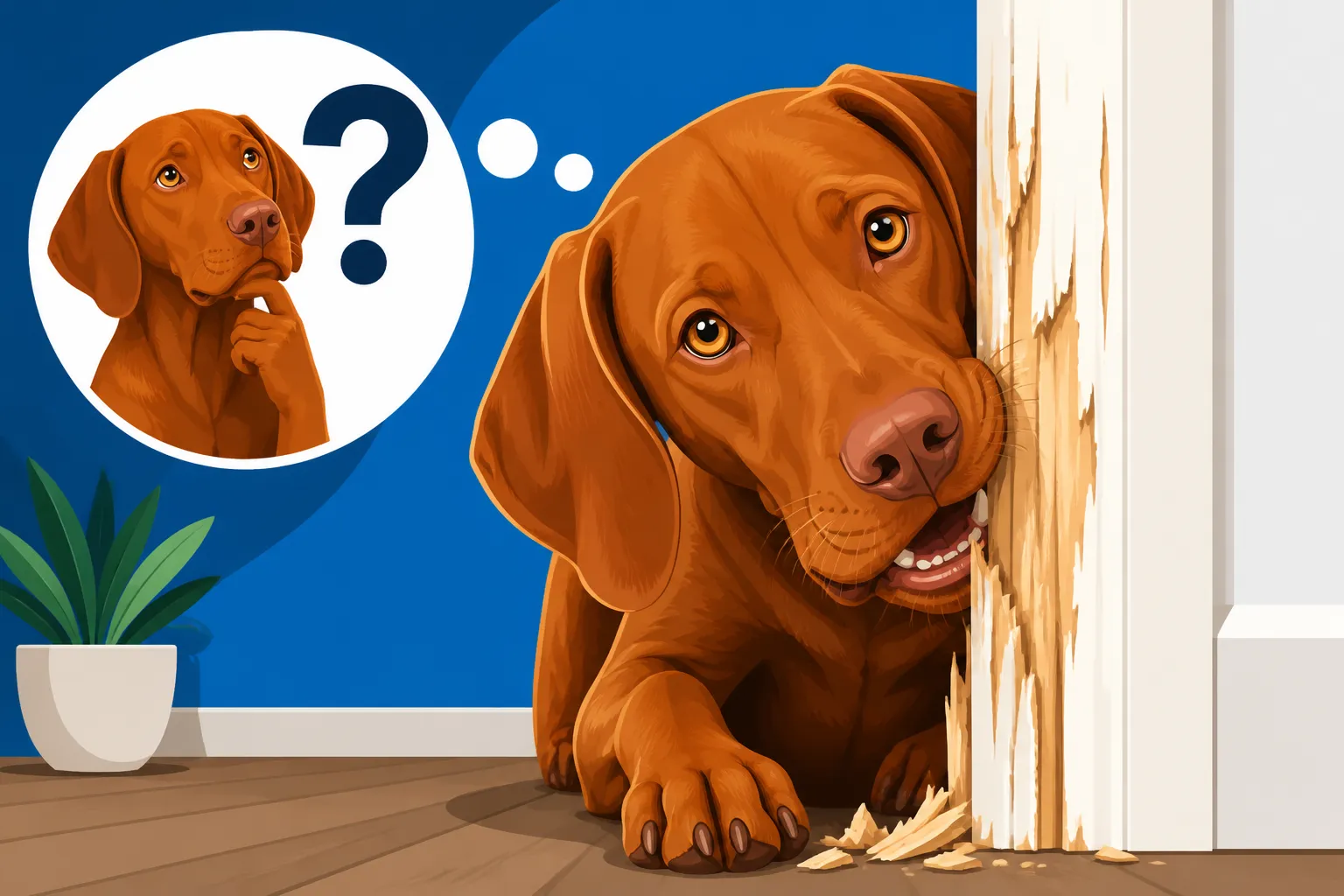
It’s disheartening, isn’t it? You walk into a room and find that your usually charming Vizsla has decided your door frame makes the perfect chew toy, leaving splintered wood and a fresh wave of exasperation in its wake. This destructive chewing isn't just annoying; it's a symptom that your active, intelligent companion is trying to tell you something. This guide will delve into the common reasons behind this frustrating behavior and offer practical, empathetic strategies to help you protect your home and nurture a more content, less destructive Vizsla.
Understanding Why Your Vizsla Is Chewing the Door Frame
When a Vizsla turns its attention to your home's woodwork, it's rarely out of malice. Instead, it's often a manifestation of deep-seated needs or frustrations specific to this energetic and sensitive breed. Understanding the "why" is the crucial first step toward finding a lasting solution.
The Vizsla's Innate Need to Chew
Chewing is a perfectly natural and necessary behavior for dogs, and for a Vizsla, it's particularly pronounced. They are oral creatures by nature, designed to carry birds gently in their mouths, and this instinct extends to exploring their world and relieving stress through their jaws.
As puppies, chewing is primarily about teething. Those sharp little needle teeth are replaced by adult teeth, a process that can be quite uncomfortable, leading them to seek out anything to gnaw on for relief. Door frames, with their sturdy, satisfying texture, can unfortunately become prime targets. But chewing isn't just for puppies. Even adult Vizslas have a strong innate need to chew. It's how they clean their teeth, strengthen their jaws, and, perhaps most importantly, cope with boredom or excess energy. Imagine the drive of a hunting dog, bred for endless hours in the field, confined to a house with nothing to do. That pent-up energy has to go somewhere, and often, it manifests as destructive chewing. Their mouths are their primary tool for interaction with the world, and if not given appropriate outlets, they'll find their own, often to the detriment of your home.
Anxiety and Stress as a Root Cause
While a natural instinct, excessive or destructive chewing, especially on something like a door frame, often points to underlying emotional distress. For Vizslas, separation anxiety is a classic culprit. This breed is famously known as "Velcro Vizslas" because of their intense bond with their human companions. They thrive on companionship and can genuinely struggle when left alone.
When a Vizsla experiences separation anxiety, the chewing isn't about being "bad"; it's a frantic attempt to self-soothe or even to try and "escape" the perceived abandonment. The door frame, being the last point of contact with you, or the barrier keeping them from you, becomes a focal point for their distress. Beyond separation anxiety, general stress, changes in routine, or even boredom can lead to frustration chewing. An under-stimulated Vizsla, one not receiving enough physical exercise or mental engagement, can quickly become a stressed Vizsla. They express their discomfort through destructive behaviors, and unfortunately, your door frame might just be the most accessible and satisfying victim. If you've noticed your Vizsla also pacing, whining, or having accidents when left alone, these are all Signs a Vizsla Is Suffering Alone and point towards a deeper issue than just a naughty chew.
Lack of Appropriate Outlets and Training Gaps
Sometimes, the reason for door frame chewing is simpler: your Vizsla just hasn't been given enough appropriate things to do or enough guidance on what not to do. Vizslas are high-energy dogs that require significant daily exercise. They aren't content with a quick walk around the block; they need to run, sniff, explore, and work their bodies and minds.
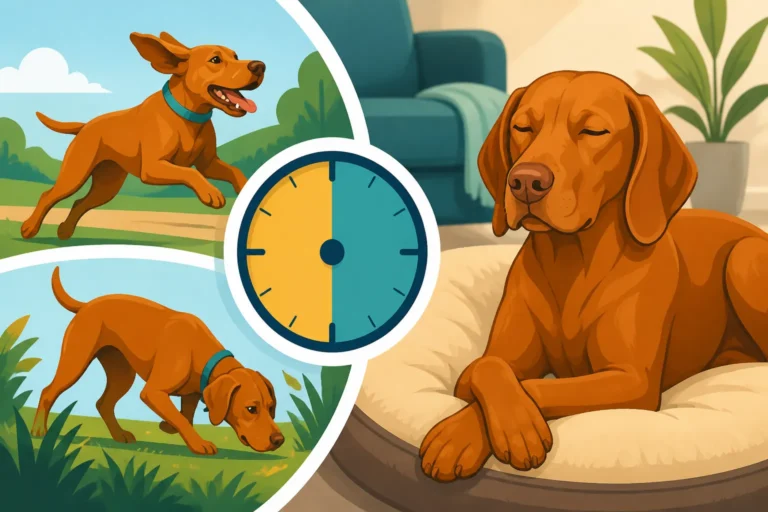
If a Vizsla isn't getting The Two Hours a Vizsla Needs Before It Will Settle each day, that excess energy has to be released somehow. Destructive chewing is a common outlet for this pent-up energy. Moreover, if your Vizsla hasn't been explicitly taught what are acceptable chew items and what are not, how can they know? Puppies, especially, need constant supervision and redirection. If they pick up a shoe, you gently take it away and offer a designated chew toy. If this consistent training isn't provided, they'll simply chew what's available and interesting to them. Consistency in providing appropriate chew toys and redirecting unwanted chewing is key. A lack of structure and clear boundaries can leave a Vizsla feeling confused, and that confusion can also lead to frustration and destructive behaviors like turning your home into a personal chew toy.
Immediate Strategies to Protect Your Door Frames
When your door frames are already showing battle scars, you need immediate intervention to stop the damage while you work on long-term solutions. These strategies focus on managing the environment and redirecting your Vizsla's attention effectively.
Physical Barriers and Deterrents
One of the quickest ways to stop door frame chewing is to make the door frame inaccessible or unappealing. This might sound obvious, but many owners overlook simple physical barriers. Consider using tall baby gates or even actual dog gates to block access to specific rooms or hallways where chewing is occurring. For persistent chewers, a sturdy exercise pen can create a safe, contained space away from vulnerable woodwork when you can't actively supervise.
You can also use chew deterrent sprays, widely available on platforms like Amazon. These sprays often contain bitter-tasting ingredients that make the wood unpalatable. However, their effectiveness can vary greatly from dog to dog. Some Vizslas are unfazed by the bitter taste, while others will quickly learn to avoid the sprayed area. Test it on an inconspicuous spot first. For more persistent chewing on corners, you might consider attaching metal corner guards or even thick, durable plastic strips (the kind used to protect walls from furniture) to the bottom of your door frames temporarily. The goal is to make the target impossible or incredibly unpleasant to chew, breaking the habit and giving you time to implement other training.
Redirection with High-Value Chews and Toys
The absolute golden rule of preventing destructive chewing is to provide an abundance of appropriate, high-value chew toys. A Vizsla needs to chew, so your job isn't to stop the chewing entirely, but to redirect it to acceptable items. Always have a variety of durable chew toys readily available. Think strong rubber toys that can be stuffed with treats, like a Kong filled with peanut butter or yogurt and frozen, which will keep your Vizsla occupied for a significant amount of time.
Durable dental chews designed for strong chewers, or natural chews like bully sticks or appropriate antlers, can also be excellent options. The key is to make these items far more appealing than your door frame. Rotate toys regularly to keep your Vizsla interested and prevent boredom with the same old things. When you catch your Vizsla eyeing or starting to chew a door frame, immediately and calmly redirect them to an appropriate chew toy. Praise them enthusiastically when they start chewing the correct item. This teaches them, "Yes, chewing is good, but this is what you chew, not that." Having a stash of these on hand, easily sourced from retailers like Amazon, is crucial for managing this behavior effectively.
Management When You Can't Supervise
Let's face it, you can't watch your Vizsla every single second of the day. This is where smart management comes in. For many Vizsla owners, crate training becomes an invaluable tool. A crate, when introduced properly and positively, is not a punishment but a safe, den-like space where your dog can relax without the opportunity to get into trouble. If your Vizsla is safely and happily crated when you leave the house, they can't chew your door frames. Whether Crate Training Helps a Vizsla is a common question, and for destructive chewing, the answer is often a resounding yes.
If a crate isn't an option or your Vizsla isn't comfortable in one, consider creating a "Vizsla-proofed" room. This means a room where all potential chew targets (like door frames, furniture, wires, or anything else valuable) are either removed or protected. Ensure there are plenty of appropriate chew toys and maybe a comfortable bed. Gradually increasing the time your Vizsla spends alone in this safe space, starting with very short periods and slowly building up, helps them adjust. The goal is to set your Vizsla up for success by removing the opportunity for unwanted behavior while you're away or busy, preventing them from developing or reinforcing the bad habit of chewing on your home.
Long-Term Solutions for a Non-Destructive Vizsla
While immediate fixes stop the damage, true success in preventing door frame chewing lies in addressing the underlying needs of your Vizsla and implementing consistent training and lifestyle changes.
Addressing Exercise and Mental Stimulation
Vizslas are athletes, both physically and mentally. If they aren't getting enough strenuous physical exercise and engaging mental challenges, they will find their own ways to burn off that energy, and it's rarely constructive. A quick walk on a leash simply isn't enough for this breed. They need opportunities to run at full speed, to chase, to sniff, and to explore.
Aim for a minimum of The Exercise a Vizsla Needs Every Day, often more. This could mean off-leash running in a safe, fenced area, long hikes, swimming, or running alongside you. But physical exercise alone isn't always enough. Vizslas are intelligent and need to work their brains too. Incorporate mental stimulation through puzzle toys, obedience training sessions, scent work, or even learning new tricks. Hide-and-seek with treats or a favorite toy can be fantastic for engaging their minds. A tired Vizsla, both physically and mentally, is a good Vizsla – much less likely to resort to chewing your door frames out of boredom or frustration. Remember, Whether a Vizsla Needs Mental Work Too is not a question, but a fundamental requirement for this breed.
Training for Independence and Calmness
Many instances of destructive chewing stem from a Vizsla's over-reliance on their human companions, often manifesting as separation anxiety. Therefore, a crucial long-term strategy involves training your Vizsla to be more comfortable and calm when left alone. This isn't about ignoring them; it's about teaching them healthy independence.
Start by practicing "graduated departures." This involves leaving your Vizsla alone for very short periods, even just stepping out of the room for a minute, and gradually increasing the duration. The key is to make departures and arrivals low-key – no big goodbyes or overly enthusiastic hellos. Teach a "place" command, where your Vizsla learns to settle on their bed or mat in another room while you go about your business. Reward calm behavior when they are settling on their own. For some Vizslas, specialized programs can be incredibly beneficial. Consider looking into resources offered by dog training platforms like BAXTER & Bella, which provide comprehensive, positive-reinforcement based training guidance, including strategies for Teaching a Vizsla to Be Alone and building confidence. This consistent effort helps build their confidence and reduces the stress that often leads to destructive behaviors.
Seeking Professional Help
While many cases of door frame chewing can be managed with consistent effort at home, there are times when professional help is absolutely necessary. If you've tried all the environmental management and training techniques, and your Vizsla is still consistently chewing destructively, especially if it's accompanied by other signs of distress like excessive vocalization, house soiling, or self-mutilation, it's time to consult an expert.
A certified professional dog trainer can assess the specific nuances of your Vizsla's behavior, identify the root cause (whether it's extreme boredom, genuine separation anxiety, or something else), and develop a tailored training plan. In more severe cases, particularly with pronounced separation anxiety, a veterinary behaviorist might be recommended. These specialists have a deeper understanding of canine psychology and can even prescribe medication if necessary, alongside behavior modification, to help your Vizsla cope. Don't feel ashamed to seek help; recognizing when you need an expert, and understanding What a Behaviorist Costs a Vizsla Owner, is a sign of a responsible and loving pet parent dedicated to your Vizsla's well-being and the preservation of your home.
| Chewing Behavior | Common Reasons | Immediate Action | Long-Term Solution |
|---|---|---|---|
| Puppy Teething | Uncomfortable gums, exploring | Provide textured chew toys | Consistent redirection, variety of appropriate chews |
| Boredom | Lack of mental/physical stimulation | High-value puzzle toys, treat dispensers | Increase exercise, mental games, structured training |
| Separation Anxiety | Stress, panic when left alone | Crate training, deterrents, barriers | Graduated departures, build independence, professional help |
| Frustration/Stress | Under-exercised, unmet needs | Redirect to durable chews | Balanced exercise/mental stimulation, calm training |
| Habit | Learned behavior, no redirection | Barriers, bitter sprays | Consistent "no" and "yes" for chewing, supervision |
Disclaimer
This article is for general informational purposes only and does not constitute professional advice. Laws, prices and regulations vary by location and change over time. Consult a qualified professional for guidance on your specific situation.