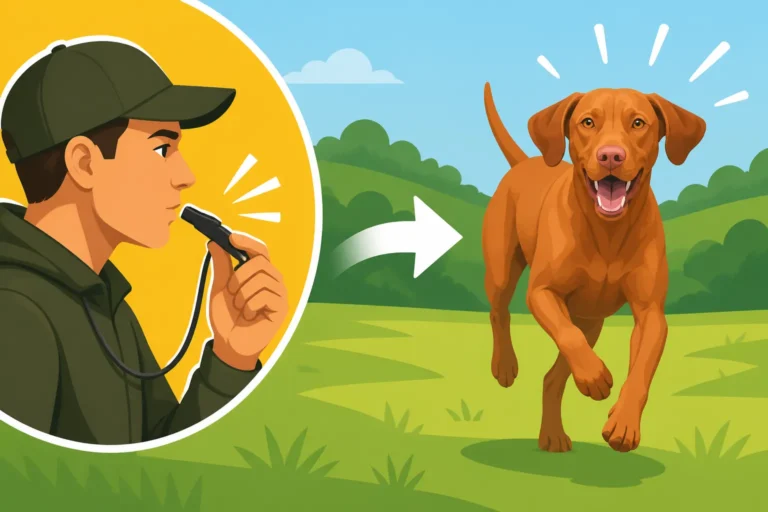
The Age a Vizsla Starts Pointing
It’s a truly magical moment when you see your Vizsla puppy freeze, tail stiff, nose locked onto something unseen in the grass. For many of us who fall in love with this incredible breed, the image of a Vizsla on point is iconic, almost mythical. But the reality is that the path to a steady, confident point isn't always a straight line, and it rarely happens on a predictable schedule. This guide will walk you through what to expect regarding when your Vizsla might start showing its natural pointing instincts, how to recognize those early flickers of brilliance, and how to gently encourage them without squashing that precious natural drive.
Understanding the Vizsla's Innate Pointing Instinct
The Vizsla, at its heart, is a bird dog. This isn't just a label; it's deeply ingrained in their genetic makeup, a heritage stretching back centuries to their noble Hungarian ancestors. These dogs were selectively bred to be close-working, natural pointers and retrievers, meant to hunt alongside their human companions in the field. So, when we talk about pointing, we're not talking about teaching a trick; we're talking about observing and nurturing a profound instinct.
What Exactly Is a "Point"?
Before we dive into timelines, let's clarify what a "point" actually means, especially for a Vizsla. A true point is not just stopping when they see a bird. It's that moment when the dog detects game, often by scent, and freezes solid, indicating the location of the bird with their entire body. Their head is usually oriented towards the scent, one paw might be lifted, and the tail is often stiff and extended. This posture is their way of saying, "Hey, human, the bird is RIGHT HERE!" It’s a communication, a partnership in the hunt. For Vizslas, this often happens with an intense focus, a kind of elegant stillness that's breathtaking to witness. It's a hallmark of their breed, distinct from the way some other breeds might simply flush birds or retrieve on command.
The Role of Genetics Versus Environment
It’s easy to assume that if a Vizsla is a "pointer," it will just know how to point from day one. And while the instinct is certainly genetic, its manifestation and refinement are influenced heavily by environment and early experiences. Think of it like a child with a natural talent for music. They might hum tunes from a young age, showing innate rhythm, but they still need exposure to instruments, lessons, and practice to become a skilled musician.
A Vizsla from strong field lines, whose parents and grandparents were proven pointers, is more likely to show these instincts earlier and with greater intensity. Breeders who focus on working ability are often looking for these traits in their breeding stock. However, even a Vizsla from a line primarily bred for show or companionship will still have this latent instinct. It might just take a bit more patience and intentional exposure to bring it to the surface. It's a dance between nature and nurture, where both play a crucial role in shaping your dog's pointing prowess. Some dogs are simply "born to point," while others need a bit more coaxing to realize their potential.
The Natural Timeline for Pointing Behavior in Vizslas
So, when does this incredible instinct typically kick in? The truth is, there's a wide spectrum, and every Vizsla is an individual. There's no hard and fast rule that says "at exactly X months, your Vizsla will point." However, we can talk about general developmental windows and common observations.
Early Flashes: Four to Eight Months
Many Vizslas will start showing rudimentary pointing behaviors, sometimes called "flash points," between four and eight months of age. This isn't usually a polished, steady point you'd see in a seasoned gun dog. Instead, it might be a sudden freeze in the presence of a bird, a squirrel, or even a blowing leaf that catches their attention in a specific way. You might see them suddenly stop, head cocked, tail raised or slightly stiffened, body leaning forward with intense focus.
For example, I remember my own Vizsla, Copper, at about five months old. We were walking near a small field, and suddenly he just locked up. His entire body went rigid, one front paw slightly lifted, nose pointed directly at a clump of tall grass. There was nothing visible to me, but his focus was absolute. A second later, a tiny sparrow burst out of the grass. It wasn't a long hold, but it was a definite, unmistakable point. These early flashes are often fleeting and may not happen every time they encounter game, but they are those exciting glimpses of the instinct emerging. Don't expect them to hold it for long or to stay steady; it's just the first spark.
Developing a More Consistent Point: Eight Months to Two Years
As your Vizsla matures, typically from about eight months up to two years old, these flash points should start to become more frequent and sustained. This is the period when many dedicated bird dog owners begin more formal, but still gentle, introduction to birds and basic obedience specific to hunting. By this age, their bodies are more coordinated, their focus is improving, and their understanding of their environment is deepening.
During this time, you might notice your Vizsla holding a point for several seconds, maybe even a minute, before breaking. They might be more aware of your presence and glance back at you, almost asking, "Did you see it?!" This is also when the distinct "Vizsla lean" might become more apparent—that athletic, slightly crouched posture that is so characteristic of the breed on point. If you've been doing light field work, such as introducing them to live birds in a controlled setting, you'll see a marked improvement in their ability to detect scent and hold that point. Remember, patience is key. Some dogs mature faster than others, just like people. Don't compare your dog to others too strictly; celebrate every small step forward.
| Age Range | Typical Behavior | What to Expect |
|---|---|---|
| 0-4 Months | Curious sniffing, chasing, general puppy antics. | Little to no pointing, primarily play-driven exploration. |
| 4-8 Months | "Flash points," sudden freezes, intense focus. | Brief, often fleeting points on various stimuli (birds, bugs, leaves). |
| 8 Months – 1.5 Years | More consistent, longer-held points. | Developing steadiness, better scenting, improved body posture. |
| 1.5 – 2+ Years | Polished, reliable, steady on point. | Holds point until directed, understands "whoa" command, works with handler. |
Recognizing and Encouraging Early Pointing Signs
It’s thrilling to see your Vizsla naturally point, but sometimes the signs are subtle, especially in younger puppies. Learning to recognize these cues and gently foster them is crucial to developing a confident bird dog.
Subtle Cues: Beyond the Obvious Freeze
A full, classic point is hard to miss, but often, the earliest signs are much more subtle. Keep an eye out for these indicators, even before your puppy looks like a statue:
- Sudden hesitation or slowing down: Instead of a full stop, they might just slow their pace dramatically, head swiveling, trying to pinpoint a scent or sound.
- Intense sniffing in a specific area: This isn't just general nose-to-the-ground sniffing; it's concentrated, deliberate air-scenting or ground-scenting in a focused manner.
- Ear attention: Their ears might perk up and rotate, indicating they're listening intently to something beyond your perception.
- Tail stiffening or slight elevation: The tail might not be ramrod straight, but it might lose its playful wag and become more rigid, perhaps slightly higher than normal.
- Body tension: Even if not fully frozen, their body language will communicate a sudden, heightened tension, a shift from relaxed movement to focused alertness.
- A "cat-like" stalk: Sometimes, before a full point, a Vizsla might engage in a low, stealthy stalk, moving slowly and deliberately towards the perceived game. This is especially common with sight-initiated points.
These subtle signs are your puppy's way of telling you, "Something's here!" Validating these early efforts with calm praise helps build their confidence. Remember, a Vizsla is a soft dog, and harsh correction at this stage can be counterproductive. The Soft Vizsla That Shuts Down When You Raise Your Voice is a good read if you're struggling with understanding your Vizsla's sensitive nature.
Controlled Introductions to Birds and Scent
One of the best ways to encourage pointing is through controlled exposure to birds and their scent. This doesn't mean just letting your puppy run wild in a field full of pheasants! Start small and safe.
- Scent articles: You can purchase bird wings (pheasant, quail, pigeon) from sporting goods stores or online retailers like Amazon. Gently rub these wings on a training dummy or hide them in a discrete location for your puppy to discover. The goal isn't a long point yet, just to associate that exciting scent with something positive.
- "Whoa" Posture Practice: Begin teaching a "whoa" or "stay" command in a controlled environment, away from birds. This foundational obedience helps them understand holding still on cue. Use positive reinforcement exclusively.
- Live bird introductions: Once your puppy shows interest in scent and has some basic "whoa" understanding, you can introduce them to live birds in a controlled environment. This is often done using a "check cord" (a long lead) and a planted bird in a bird launcher. The idea is to allow the puppy to find the bird, encourage the point, and then calmly release them. Many people find value in professional trainers for this stage, or programs like those offered by BAXTER & Bella, which can guide you through the process of Starting a Vizsla on Birds safely. The key is to make it a positive, exciting experience, not a stressful one.
The Power of Positive Reinforcement
Vizslas thrive on positive reinforcement. When your Vizsla shows any sign of pointing, even a flash, mark that behavior with quiet praise ("Good boy/girl!"). Avoid loud exclamations or sudden movements that might startle them off the point. The goal is to reinforce the stillness and focus. Use high-value treats or a favorite toy as a reward after they've held the point, or upon release if it's during a controlled training session.
Think of it as building a positive association: "When I stop and show my human where the bird is, good things happen!" This encourages them to repeat the behavior. Never punish a Vizsla for breaking a point, especially in the early stages. They are learning, and mistakes are part of the process. Instead, calmly reset and try again. Their enthusiasm and desire to please are their greatest assets in training. If you find your Vizsla has an amazing memory for bad experiences, you might want to read Whether a Vizsla Remembers a Bad Experience to understand their sensitivity better.
Factors Influencing Pointing Development
Beyond natural instinct, several factors can influence when and how strongly a Vizsla develops its pointing ability. Understanding these can help you set realistic expectations and tailor your approach.
Lineage and Breeding
As touched upon earlier, a Vizsla's genetic background plays a significant role. Dogs from lines actively hunted and specifically bred for field trials or hunt tests tend to exhibit stronger, earlier pointing instincts. These dogs have generations of selective breeding behind them, reinforcing the traits that make a superb bird dog. Their "bird drive" – the inherent desire to hunt and find birds – is often more pronounced.
If your Vizsla comes from pet-only lines, or lines primarily focused on conformation (show ring appearance), their natural pointing instinct might still be there, but it might take longer to emerge or be less intense. It's not that they can't point, but rather that the selection pressure for strong pointing has been less emphasized in their lineage. This isn't a flaw in your dog; it's simply a difference in breeding priorities. Regardless of lineage, however, the core Vizsla characteristic of wanting to be with their human, the "Velcro Vizsla" trait, means they are eager to engage and learn, making them a joy to train.
Exposure and Early Experiences
A puppy that grows up with regular, positive exposure to natural environments where birds might be present (fields, woods, marshes) is likely to develop its pointing instincts sooner than one kept primarily in a backyard. Every rustle in the grass, every bird song, every new scent becomes a learning opportunity. However, it’s not just about being in nature; it's about structured, positive experiences.
- Avoid negative experiences: A scary encounter with a large bird, or being startled by gunfire before proper introduction, can set back a sensitive Vizsla considerably. How to Introduce a Vizsla to Gunfire carefully is essential.
- Supervised exploration: Allowing your puppy to explore safe areas with different scents and textures helps them develop their senses and confidence. A simple walk with a long lead from Amazon can offer plenty of sniff opportunities.
- Consistency: Regular, short training sessions, even just a few minutes a day, are far more effective than infrequent, long ones. Vizslas thrive on consistency. How Long a Vizsla Holds Concentration is not endless, especially when young!
Training Methods and Handler Patience
The way you approach training your Vizsla, and your own level of patience, are critical. Vizslas are known for being "soft" dogs, meaning they are highly sensitive to tone of voice, body language, and correction. Harsh or overly forceful training methods can easily shut down a Vizsla, making them hesitant and fearful, which directly impedes their natural instincts from emerging.
A positive, reward-based approach that builds confidence and trust is always best. This means celebrating successes, understanding that mistakes are part of learning, and never losing your temper. If you're feeling frustrated, step away and come back later. Remember that dogs, especially young ones, learn best in short, fun sessions. Think about quality over quantity. Programs like BAXTER & Bella offer excellent resources for positive, force-free training methods that work wonderfully with the Vizsla temperament. Sometimes, recognizing that your particular Vizsla might be a "late bloomer" also requires significant handler patience. Don't rush them; let them develop at their own pace.
When Pointing Isn't Happening (Yet!)
It can be disheartening if your Vizsla puppy isn't pointing as early or as strongly as you expected, especially if you see other pups their age already locking up on birds. But don't despair! There are many reasons why a Vizsla might be a later bloomer, and it doesn't mean they won't become a fantastic bird dog.
Normal Variation and Individual Temperament
Just like human children, puppies develop at different rates. Some Vizslas are naturally bolder and more inquisitive, charging into new situations and discovering their instincts earlier. Others are more reserved, needing more time and positive experiences to build confidence before their instincts fully blossom. This is completely normal!
Factors like their overall energy level, prey drive, and even how easily they are distracted can all play a role. A very high-energy, easily excitable puppy might "bust" birds more often initially simply because they can't control their impulses. A calmer, more methodical puppy might take longer to engage but then hold a more steady point once they do. Don't fall into the trap of comparing your Vizsla to others; focus on your dog's unique journey. If your Vizsla is showing a lot of energy, ensuring they get The Two Hours a Vizsla Needs Before It Will Settle daily can help them focus better during training.
Lack of Exposure or Stressors
Sometimes, the simplest reason a Vizsla isn't pointing is a lack of the right kind of exposure. If a puppy has spent most of its early life in a sterile environment with little access to natural scents or opportunities to engage with "game," its instincts might lie dormant longer. Similarly, if a puppy has experienced stress, fear, or negative associations with outdoor environments or particular sounds (like loud noises or gunfire), they might be too inhibited to express their natural behaviors.
Consider your dog's living situation. Does your backyard offer opportunities for exploration? Do you take regular walks in varied environments? Have there been any recent changes or stressful events that might be impacting their confidence? Addressing these environmental factors can often unlock latent instincts. For example, if you're worried about them chasing deer instead of birds, you might look into Whether a Vizsla Chases Deer for insights on managing that particular drive.
The Myth of the "Bad" Vizsla
There's a common fear among owners that if their Vizsla doesn't point by a certain age, they're "bad" or "broken." This couldn't be further from the truth! There's no such thing as a "bad" Vizsla when it comes to instinct. There might be underdeveloped instincts, or instincts that haven't been properly nurtured, but the inherent drive is almost always there, waiting to be tapped.
I've known Vizslas who didn't really start putting together a consistent point until well over a year old, sometimes even closer to two. With patient, consistent, and positive training, they went on to become excellent hunting companions. Instead of labeling your dog, look at it as an opportunity to deepen your bond through gentle exploration and training. Focus on building their confidence and making the experience fun. If you're looking for guidance, resources like BAXTER & Bella can provide structured learning plans that respect your Vizsla's individual pace. The breed's strong desire to work with their owner means that with the right guidance, almost any Vizsla can learn to express its natural pointing ability.
Conclusion
The age at which a Vizsla starts pointing is less of a fixed date and more of a flexible developmental journey. While some Vizslas might show "flash points" as early as four to eight months, a more consistent, reliable point usually develops between eight months and two years of age. Remember that genetics provide the foundation, but environment, exposure, and above all, patient, positive reinforcement from you, the handler, are what truly bring that magnificent instinct to its full expression.
Don't get caught up in comparisons or arbitrary timelines. Celebrate every small sign of interest and focus, provide safe and positive introductions to birds and their scent, and build a relationship of trust and confidence. Your Vizsla is a sensitive, intelligent, and eager partner, and with your guidance, they will reveal their incredible pointing talent in their own time. The bond you forge through this journey is far more valuable than any strict schedule.
Disclaimer
This article is for general informational purposes only and does not constitute professional advice. Laws, prices and regulations vary by location and change over time. Consult a qualified professional for guidance on your specific situation.